LLLT Therapy Device

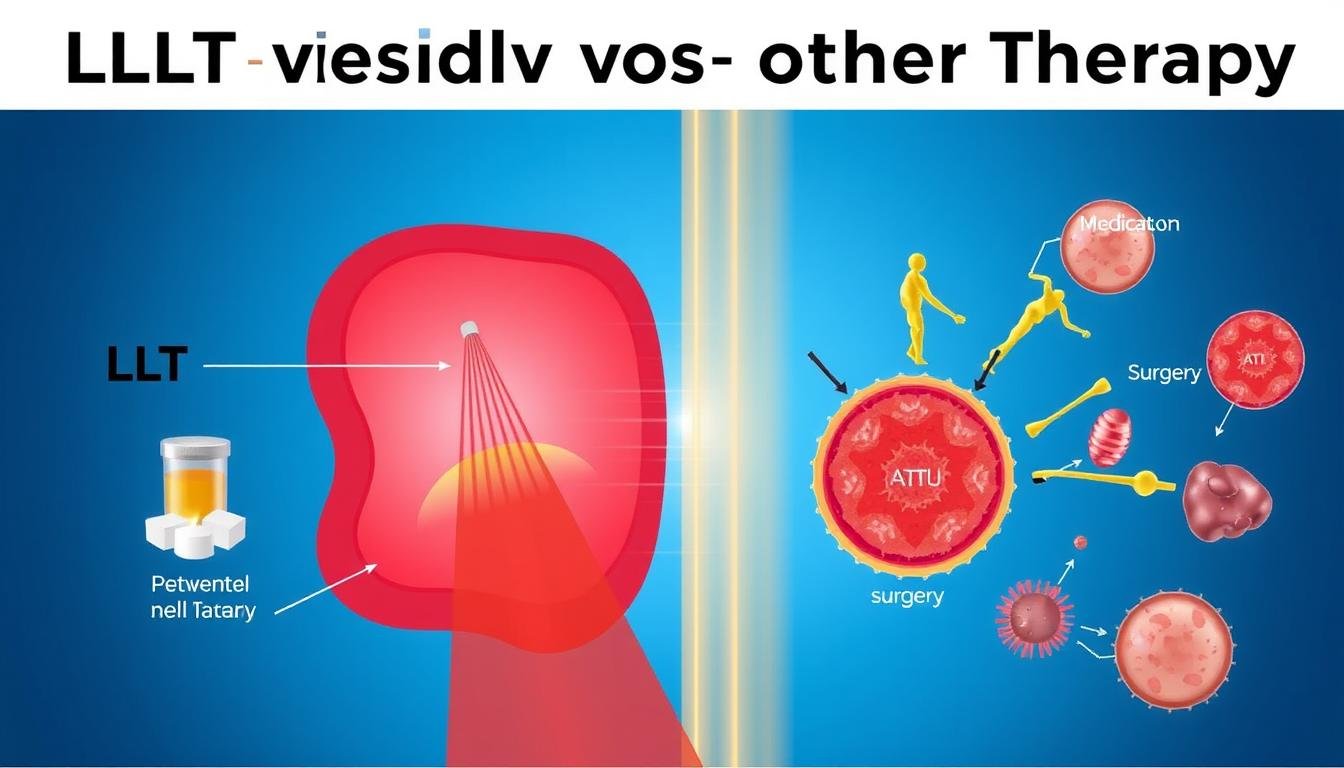
Visualization of how LLLT works at the cellular level compared to conventional therapies
What Is LLLT and How Does It Work?
Low-Level Laser Therapy (LLLT), also known as cold laser therapy or photobiomodulation, uses low-power lasers or light-emitting diodes (LEDs) to stimulate healing, reduce pain and inflammation, and restore function. Unlike high-power or “hot” lasers used in surgery, LLLT operates at a power output typically below 500mW, producing no tissue heating or damage.
The Science Behind LLLT Mechanisms
At its core, LLLT works through photochemical reactions rather than thermal effects. When specific wavelengths of light (typically 600-1000nm) penetrate tissue, they interact with chromophores (light-sensitive components) in our cells, particularly in the mitochondria. This interaction triggers a cascade of biological effects:
Primary Mechanisms
- Stimulation of cytochrome c oxidase in the mitochondrial respiratory chain
- Increased production of adenosine triphosphate (ATP) – cellular energy
- Release of nitric oxide, improving blood flow
- Modulation of reactive oxygen species (ROS) levels
- Activation of transcription factors that regulate gene expression
Secondary Effects
- Enhanced cell proliferation and migration
- Increased production of growth factors
- Modulation of inflammatory mediators
- Reduced pain signaling
- Accelerated tissue repair and regeneration
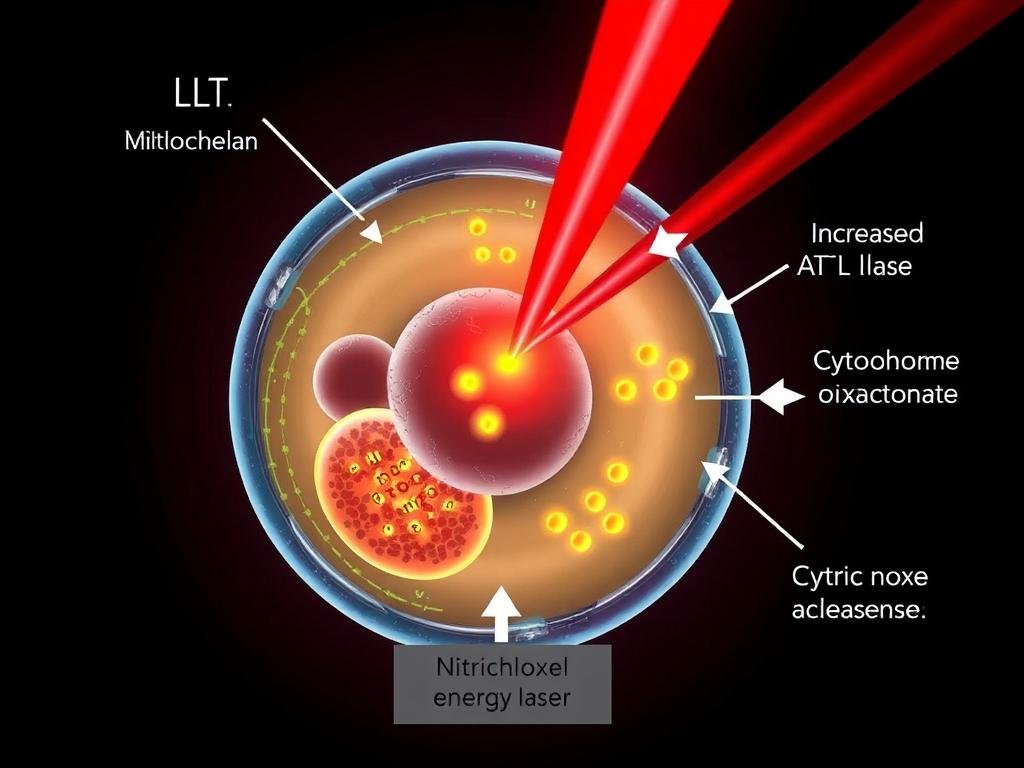
Cellular mechanism of LLLT showing mitochondrial activation and increased ATP production
LLLT vs Pharmaceutical Therapies: Mechanism Comparison
While pharmaceuticals and LLLT can both address pain and inflammation, they operate through fundamentally different mechanisms. Understanding these differences helps explain why LLLT may offer advantages in certain treatment scenarios.
| Aspect | LLLT Mechanism | Pharmaceutical Mechanism |
| Mode of Action | Photochemical stimulation of cellular processes | Chemical interaction with receptors, enzymes, or cellular processes |
| Targeting | Localized to treatment area with minimal systemic effects | Often systemic with potential for widespread effects |
| Pain Relief Approach | Reduces inflammation, increases endorphins, blocks pain signals | Blocks pain pathways, reduces inflammation through COX inhibition |
| Tissue Healing | Actively promotes cellular repair and regeneration | May reduce symptoms but typically doesn’t directly accelerate healing |
| Side Effects | Minimal to none when properly administered | Can range from mild to severe depending on medication |
| Dependency Risk | Non-addictive | Some medications carry dependency or tolerance risks |
Unlike NSAIDs or opioids that primarily mask pain by blocking chemical pathways, LLLT addresses the underlying causes by stimulating cellular repair mechanisms. This fundamental difference explains why LLLT can provide lasting relief without the side effects associated with long-term medication use.
LLLT vs Physical Therapies: Different Paths to Healing
Physical therapies like ultrasound, electrical stimulation, and manual techniques are commonly used alongside or as alternatives to LLLT. Each modality offers unique mechanisms and benefits.
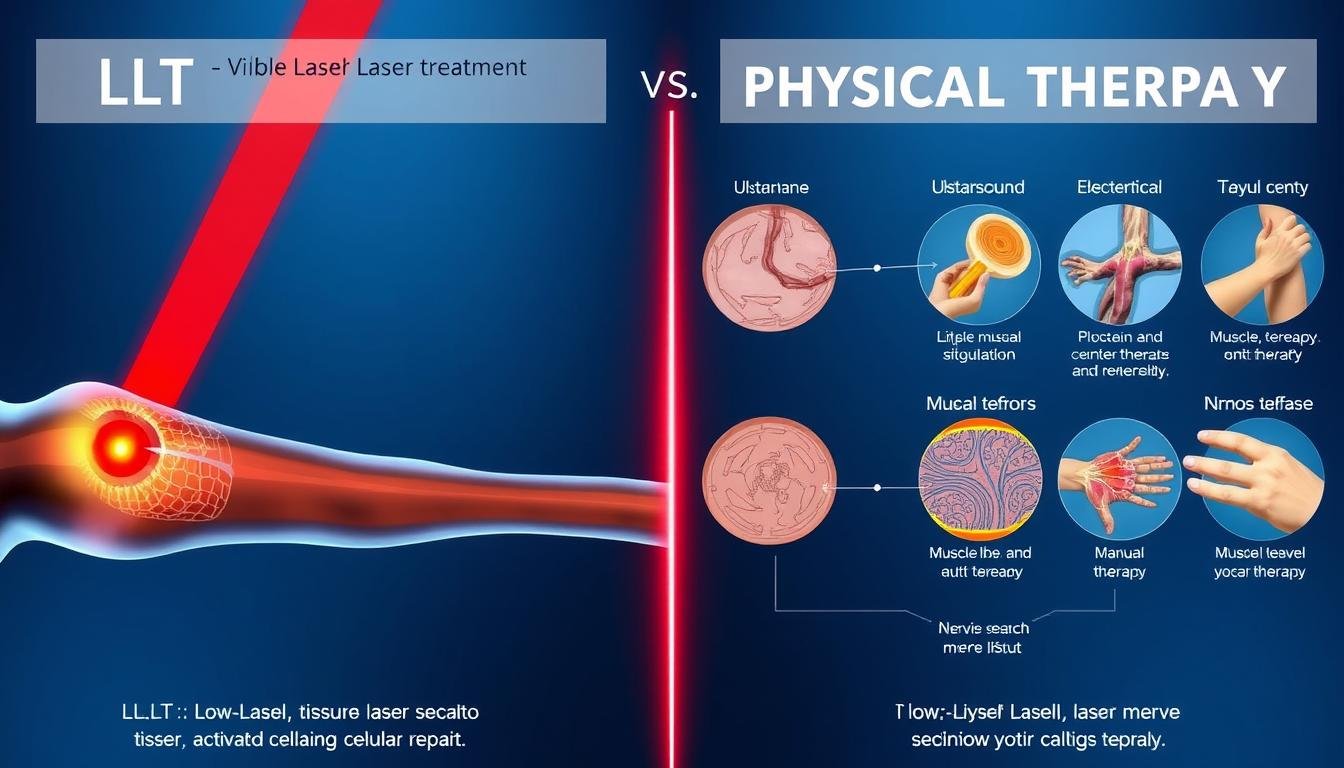
Comparative visualization of LLLT and physical therapy modalities showing their different mechanisms of action
Ultrasound Therapy
Mechanism: Uses high-frequency sound waves to create mechanical vibration and heat in tissues.
Effects: Increases blood flow, reduces muscle spasm, accelerates healing through thermal effects.
Compared to LLLT: Works through mechanical/thermal rather than photochemical mechanisms. Less targeted at cellular level.
Electrical Stimulation
Mechanism: Applies electrical current to stimulate nerves and muscles.
Effects: Reduces pain through gate control theory, stimulates muscle contraction, improves circulation.
Compared to LLLT: Primarily affects nerve and muscle tissue rather than stimulating cellular metabolism.
Manual Therapy
Mechanism: Physical manipulation of soft tissues and joints.
Effects: Improves range of motion, reduces muscle tension, enhances circulation.
Compared to LLLT: Works through mechanical stimulation rather than direct cellular effects.
Synergistic Potential of Combined Approaches
While these therapies work through different mechanisms, research suggests that combining LLLT with traditional physical therapy can yield enhanced outcomes. The cellular stimulation from LLLT complements the mechanical and neurological effects of physical therapy, potentially accelerating recovery and improving functional outcomes.
LLLT vs Surgical Interventions: Non-Invasive Alternative
Surgical interventions represent the most invasive end of the treatment spectrum, while LLLT offers one of the least invasive approaches. This fundamental difference influences not only the risk profiles but also the recovery trajectories and therapeutic mechanisms.
LLLT Advantages
- Non-invasive with no tissue damage
- No anesthesia required
- Zero recovery time
- No risk of surgical complications
- Can be repeated as needed
- Stimulates natural healing processes
- Can be used preventatively
Surgical Limitations
- Invasive with intentional tissue damage
- Requires anesthesia with associated risks
- Extended recovery periods
- Potential for complications (infection, scarring)
- Limited repeatability
- Focuses on structural repair rather than cellular optimization
- Primarily reactive rather than preventative
While surgery remains necessary for certain conditions, LLLT can serve as either an alternative for mild to moderate cases or as a complementary therapy to accelerate post-surgical healing. Many patients are now exploring LLLT as a first-line approach before considering more invasive options.
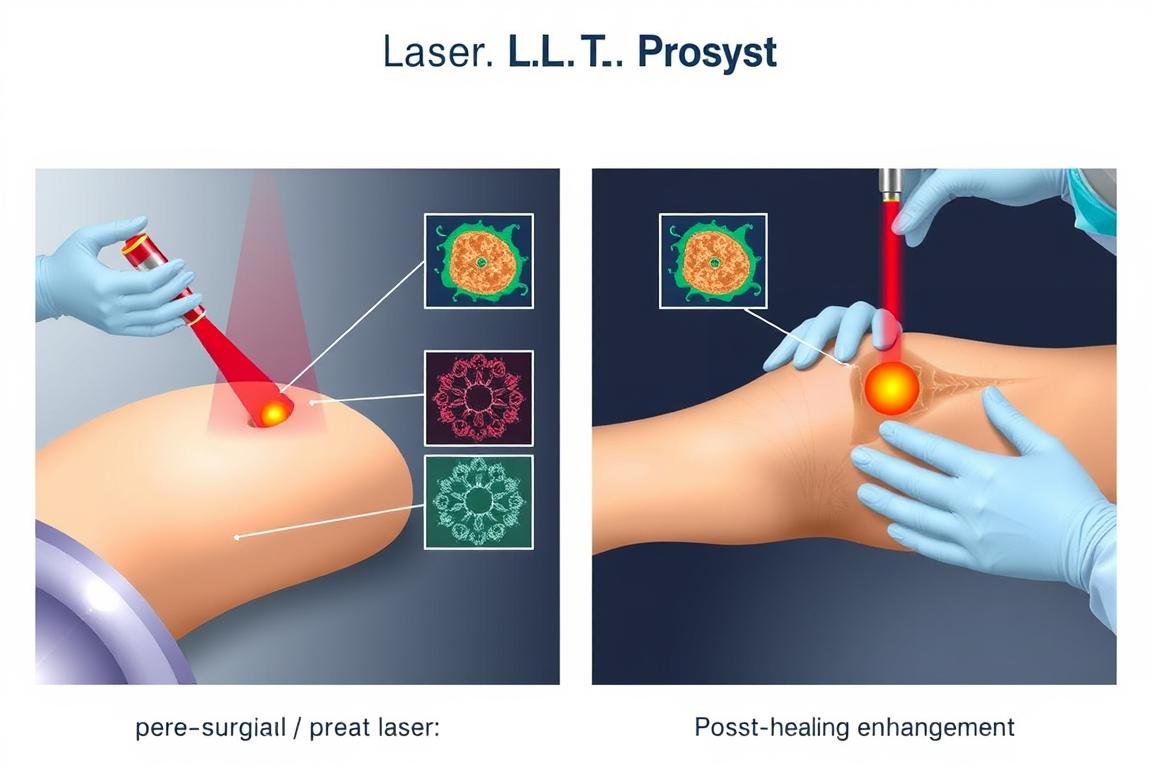
LLLT can be used both pre and post-surgery to enhance tissue preparation and recovery
Clinical Applications Where LLLT Mechanisms Excel
The unique mechanisms of LLLT make it particularly effective for certain conditions. Understanding these applications helps practitioners and patients make informed decisions about when to choose LLLT over other therapeutic options.
Pain Management
- Chronic neck and back pain
- Arthritis and joint pain
- Tendinopathies
- Neuropathic pain
- Fibromyalgia
LLLT reduces pain through multiple mechanisms: decreasing inflammation, increasing endorphin release, and inhibiting pain signal transmission in nerve fibers.
Tissue Regeneration
- Wound healing
- Skin rejuvenation
- Muscle recovery
- Bone repair
- Nerve regeneration
By stimulating mitochondrial activity and cellular proliferation, LLLT accelerates tissue repair processes and improves the quality of healed tissue.
Specialized Applications
- Hair regrowth
- Fat reduction
- Fungal nail treatment
- Oral mucositis
- Lymphedema
Specific wavelengths and protocols target unique cellular mechanisms relevant to these specialized conditions.
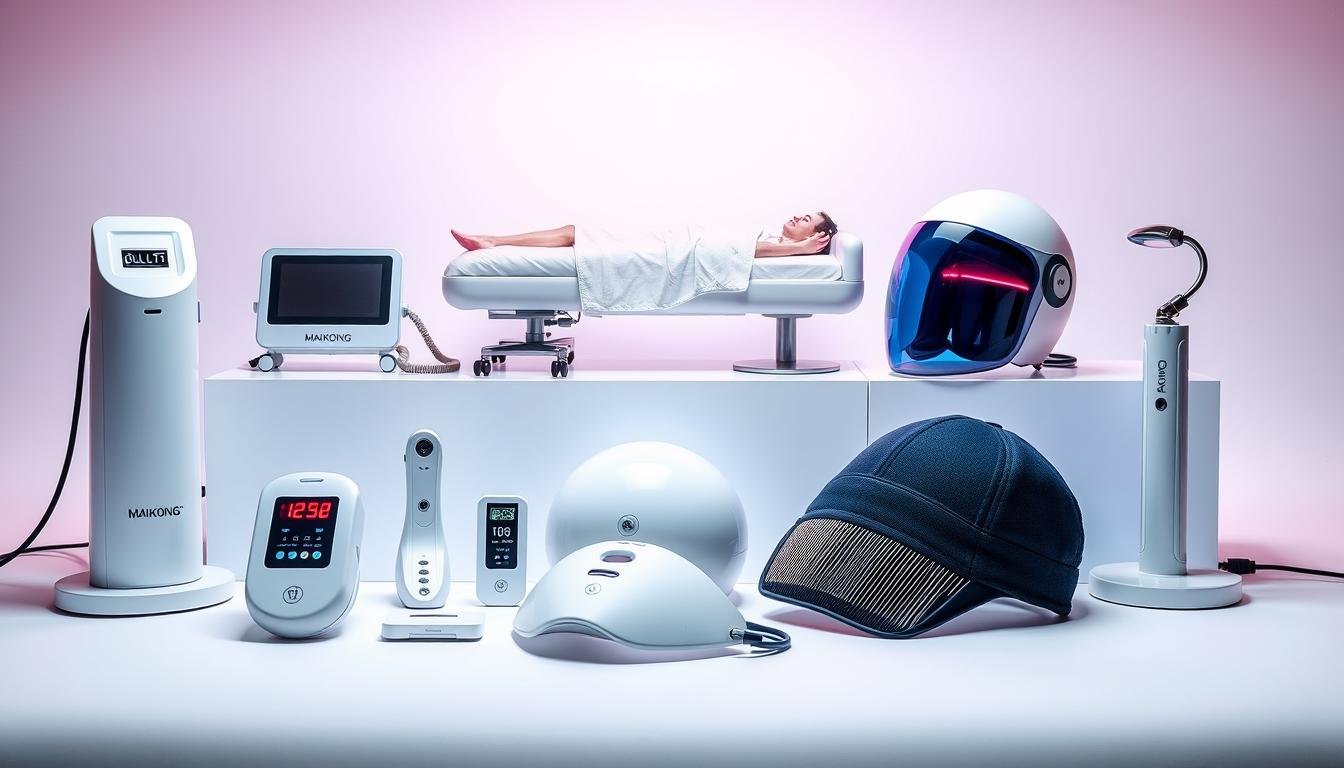
MAIKONG’s range of LLLT devices designed for various clinical applications
The Critical Role of Wavelength in LLLT Mechanisms
Unlike many other therapies, LLLT effectiveness is highly dependent on the specific wavelength used. Different wavelengths penetrate tissue to varying depths and interact with different cellular chromophores, producing distinct biological effects.
| Wavelength Range | Penetration Depth | Primary Targets | Optimal Applications |
| Blue (405-450nm) | Superficial (1-2mm) | Bacteria, porphyrins | Acne, surface infections, fungal nail treatment |
| Green (520-565nm) | Shallow (2-3mm) | Melanin, hemoglobin | Pigmentation issues, fat reduction |
| Red (620-750nm) | Moderate (5-10mm) | Cytochrome c oxidase | Skin rejuvenation, wound healing, hair growth |
| Near-Infrared (750-1200nm) | Deep (30-50mm) | Cytochrome c oxidase, water | Deep tissue pain, joint conditions, neuropathy |
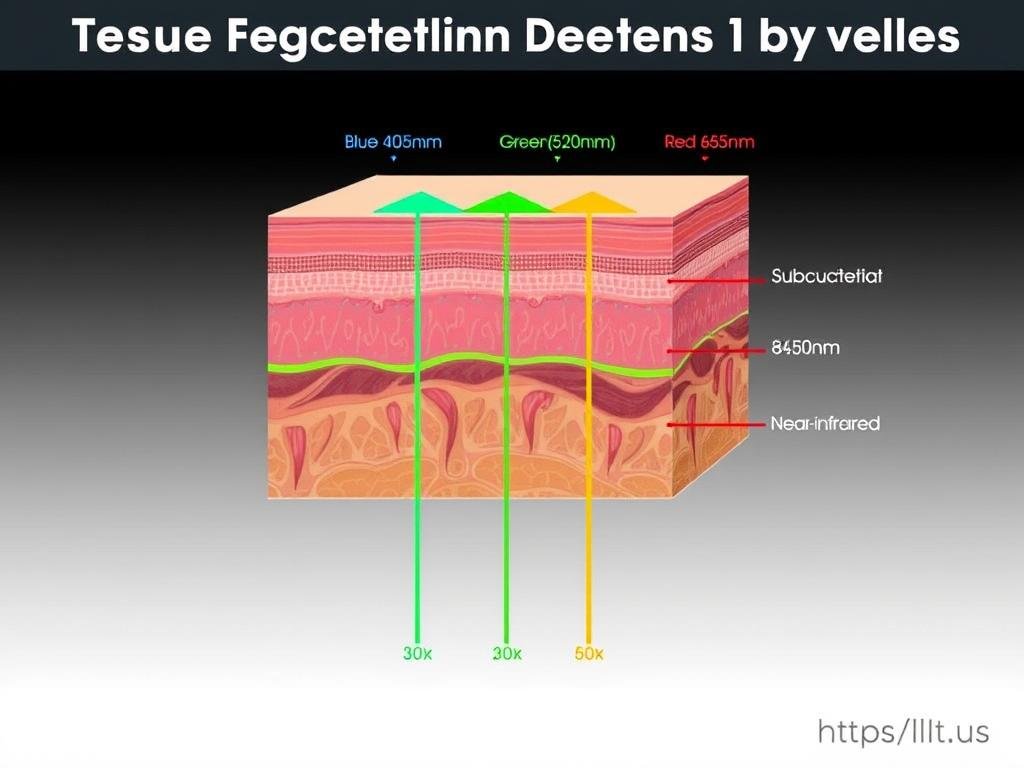
Visualization of how different LLLT wavelengths penetrate tissue to varying depths
MAIKONG’s advanced LLLT devices utilize optimal wavelengths for specific applications, ensuring maximum therapeutic efficacy. Our research-backed approach to wavelength selection sets our devices apart from less sophisticated alternatives.
MAIKONG: Advanced LLLT Technology for Optimal Results
As a leading manufacturer of LLLT devices, MAIKONG combines scientific understanding of photobiomodulation mechanisms with precision engineering to create effective, user-friendly therapeutic tools.
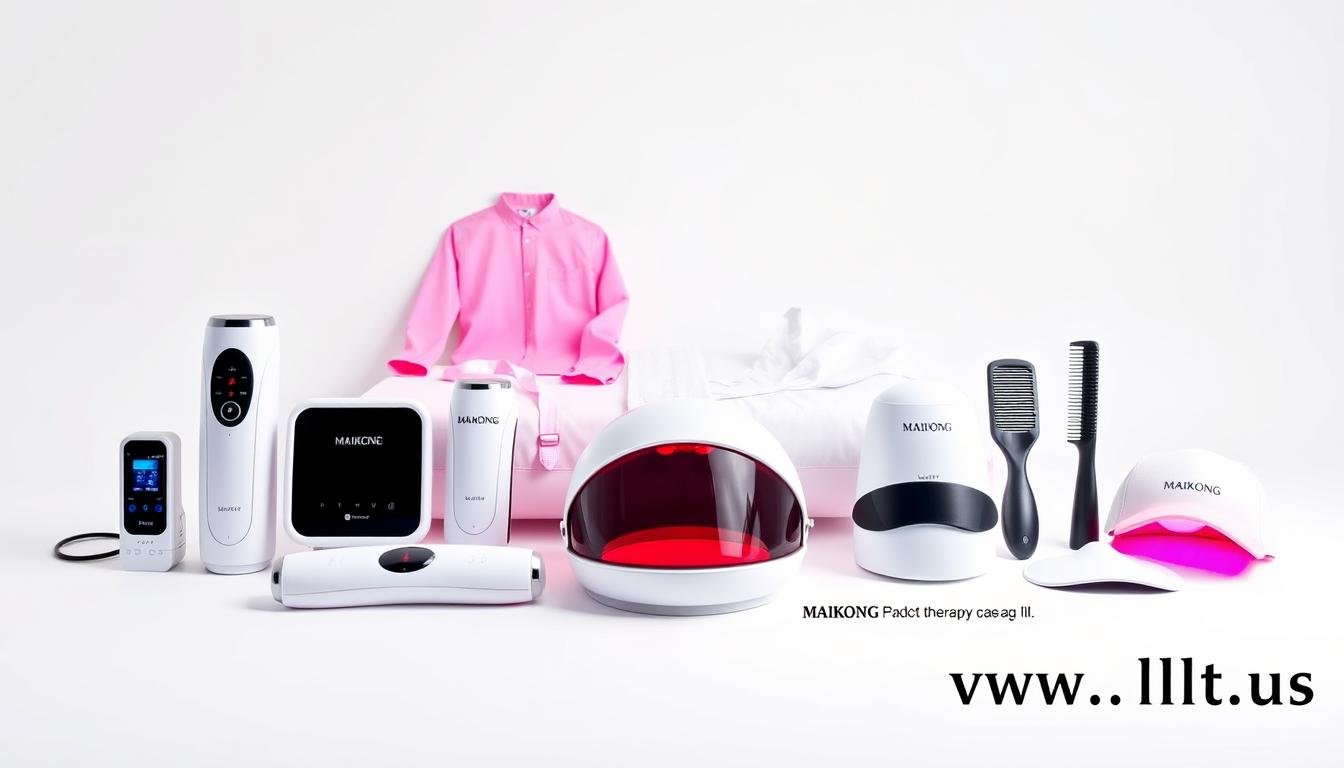
MAIKONG’s comprehensive range of LLLT devices for professional and home use
Our Product Range
Professional Systems
- LLLT laser therapy devices for clinical settings
- Red light therapy beds for full-body treatment
- Multi-wavelength systems for versatile applications
Designed for medical professionals, these systems deliver precise dosimetry and consistent results for a wide range of conditions.
Specialized Solutions
- LLLT helmets for hair regrowth
- LLLT masks for facial rejuvenation
- LLLT clothing devices for targeted body areas
These application-specific devices deliver optimal wavelengths and dosages for particular therapeutic needs.
Home-Use Devices
- Compact LLLT home devices
- LLLT combs for hair treatment
- LLLT caps for convenient daily use
Our consumer-friendly devices bring professional-grade technology into the home, with simple controls and proven efficacy.
Experience the MAIKONG Difference
Our devices combine optimal wavelengths, precise power output, and user-friendly design to deliver superior therapeutic results. Whether you’re a healthcare professional looking to enhance your practice or an individual seeking effective home treatment, MAIKONG offers quality LLLT solutions at competitive prices.
Choosing the Right LLLT Device for Your Needs
With the variety of LLLT devices available, selecting the appropriate technology for your specific needs requires understanding how different mechanisms apply to different conditions.
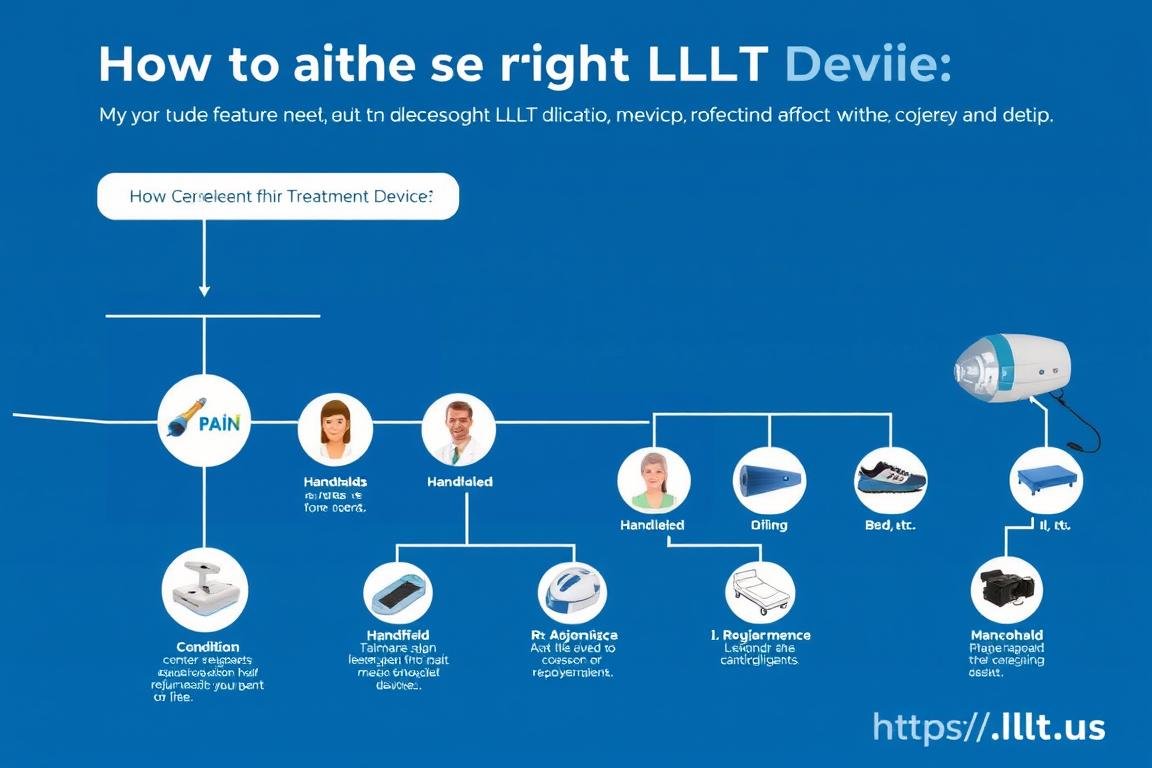
Decision guide for selecting the optimal LLLT device based on treatment needs
Key Factors to Consider
Condition-Specific Requirements
- Pain management: Look for devices with deeper-penetrating wavelengths (800-850nm)
- Hair regrowth: Devices with 650-680nm wavelengths have shown optimal results
- Skin rejuvenation: Combination of red (630-660nm) and near-infrared beneficial
- Wound healing: Multiple wavelengths may provide comprehensive benefits
Technical Specifications
- Power density: Ensures adequate energy delivery to target tissues
- Treatment area: Match device size to the area requiring treatment
- Pulsed vs. continuous: Different biological effects for different conditions
- Treatment protocols: Pre-programmed options simplify correct usage
MAIKONG’s customer support team can help you identify the ideal device for your specific needs, ensuring you achieve optimal therapeutic outcomes through the correct application of LLLT mechanisms.
Scientific Evidence Supporting LLLT Mechanisms
The efficacy of LLLT is supported by a substantial body of scientific research examining its biological mechanisms and clinical outcomes. This evidence base continues to grow as research methodologies become more sophisticated.
Key Research Findings
Cellular Studies
Laboratory research has confirmed that LLLT increases ATP production, modulates reactive oxygen species, and activates transcription factors that regulate cellular processes including proliferation and migration.
These findings provide the mechanistic foundation for understanding how LLLT produces its therapeutic effects.
Clinical Trials
Randomized controlled trials have demonstrated LLLT‘s efficacy for conditions including chronic neck pain, knee osteoarthritis, tendinopathies, and androgenetic alopecia.
Meta-analyses have confirmed significant positive effects across multiple studies, particularly for pain reduction and tissue healing.
Comparative Studies
Research comparing LLLT to other therapies has shown comparable or superior outcomes for many conditions, often with fewer side effects and complications.
Studies also support the synergistic effects of combining LLLT with other treatment modalities for enhanced outcomes.
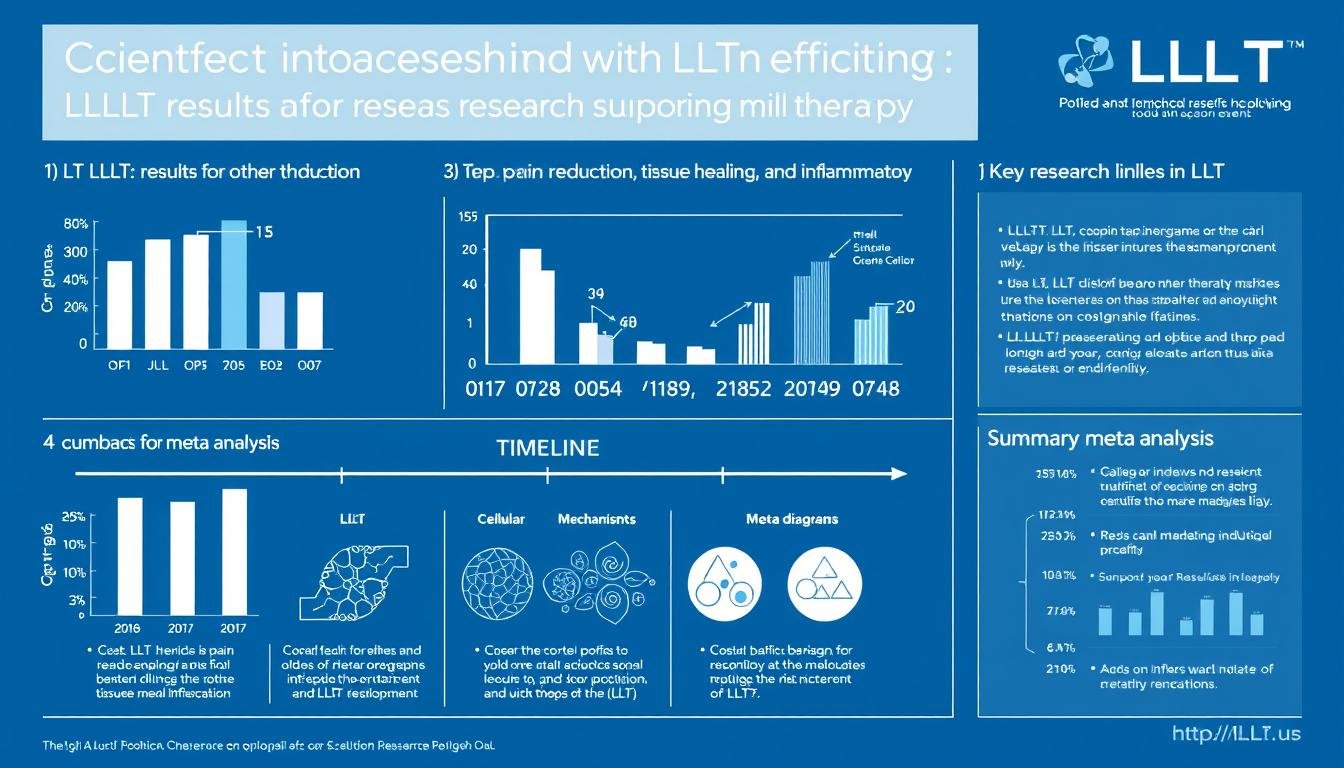
Summary of research evidence supporting LLLT efficacy across various applications
Future Directions in LLLT Technology and Applications
As our understanding of LLLT mechanisms continues to evolve, new technologies and applications are emerging that promise to expand its therapeutic potential even further.
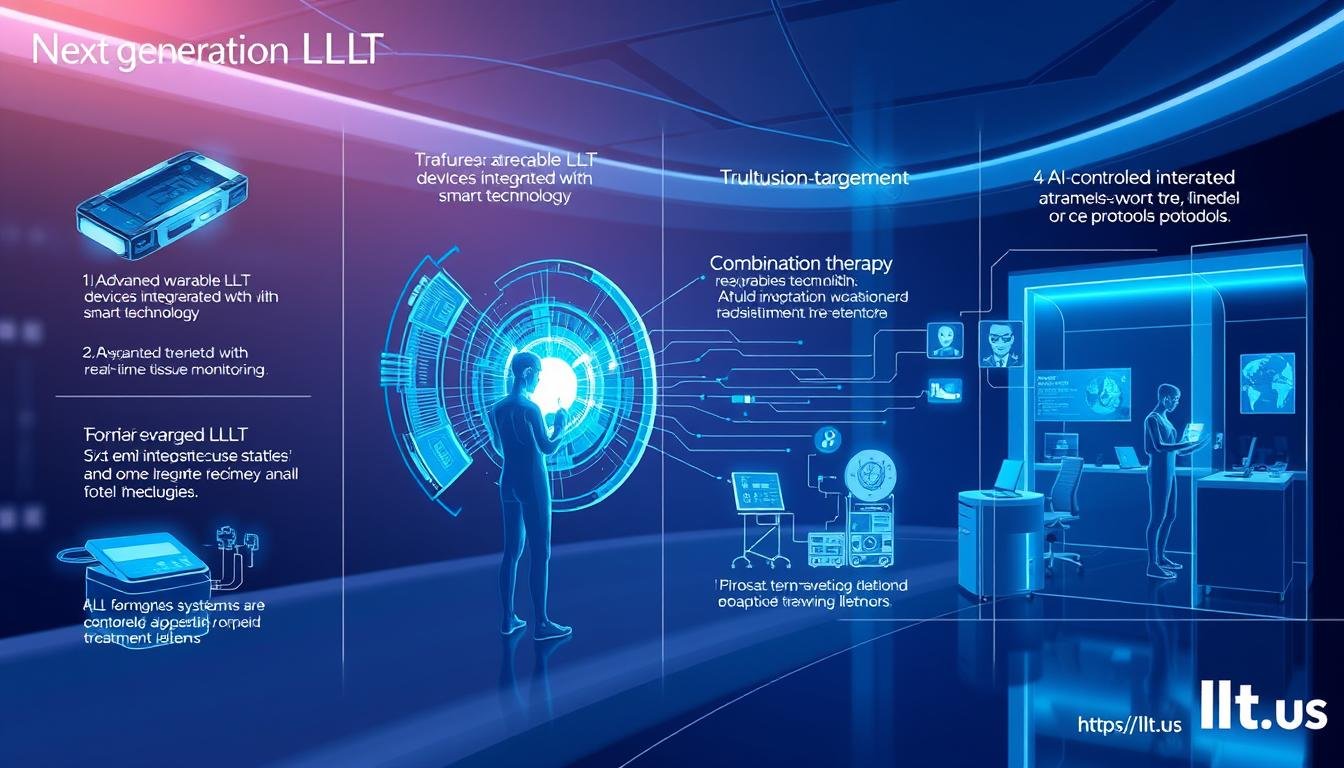
Emerging innovations in LLLT technology and therapeutic applications
Emerging Trends
Technological Advancements
- Wearable LLLT devices for continuous therapy
- Smart systems with treatment monitoring and adaptation
- Combination devices integrating multiple therapeutic modalities
- Enhanced precision in targeting specific tissues
Expanding Applications
- Neurological applications for brain health
- Metabolic conditions and weight management
- Immune system modulation
- Preventative health and performance optimization
MAIKONG remains at the forefront of LLLT innovation, continuously developing new technologies that leverage emerging research to deliver enhanced therapeutic outcomes.
Conclusion: The Unique Advantages of LLLT Mechanisms
Low-Level Laser Therapy represents a paradigm shift in therapeutic approaches, working with the body’s natural processes rather than overriding them. By understanding how LLLT mechanisms differ from conventional therapies, practitioners and patients can make informed decisions about when this innovative approach might offer optimal benefits.
The key advantages of LLLT lie in its non-invasive nature, absence of side effects, and ability to stimulate natural healing processes at the cellular level. Unlike many conventional therapies that mask symptoms or involve tissue damage, LLLT works by optimizing cellular function and accelerating the body’s own repair mechanisms.
As research continues to elucidate the precise mechanisms of LLLT and technology advances to apply these insights, we can expect this therapeutic approach to play an increasingly important role in modern healthcare—offering effective, gentle solutions for a wide range of conditions.
Ready to Experience the Benefits of Advanced LLLT Technology?
MAIKONG offers a comprehensive range of high-quality, affordable LLLT devices for both professional and home use. Our products combine optimal wavelengths, precise power output, and user-friendly design to deliver superior therapeutic results.
For Consumers
Discover our range of home-use devices designed to address specific health and wellness needs.
For Distributors
Join our network of US dealers and offer your customers high-quality, competitive LLLT solutions.
Copy©2025