Hair loss affects millions worldwide, causing not just physical changes but often emotional distress. While traditional treatments have dominated the market for decades, LLLT Laser (Low-Level Laser Therapy) technology has emerged as a revolutionary approach to hair restoration. This comprehensive guide compares LLLT Laser therapy with conventional hair loss treatments, examining effectiveness, side effects, costs, and long-term results to help you make an informed decision about your hair restoration journey.

What is LLLT Laser Therapy?
LLLT Laser therapy, also known as cold laser therapy or photobiomodulation, uses low-level lasers or light-emitting diodes (LEDs) to stimulate cellular activity and promote hair growth. Unlike high-power lasers used for cutting or ablating tissue, LLLT Laser devices emit light at lower power levels that don’t generate heat, making them safe for regular use.

How LLLT Laser Works Scientifically
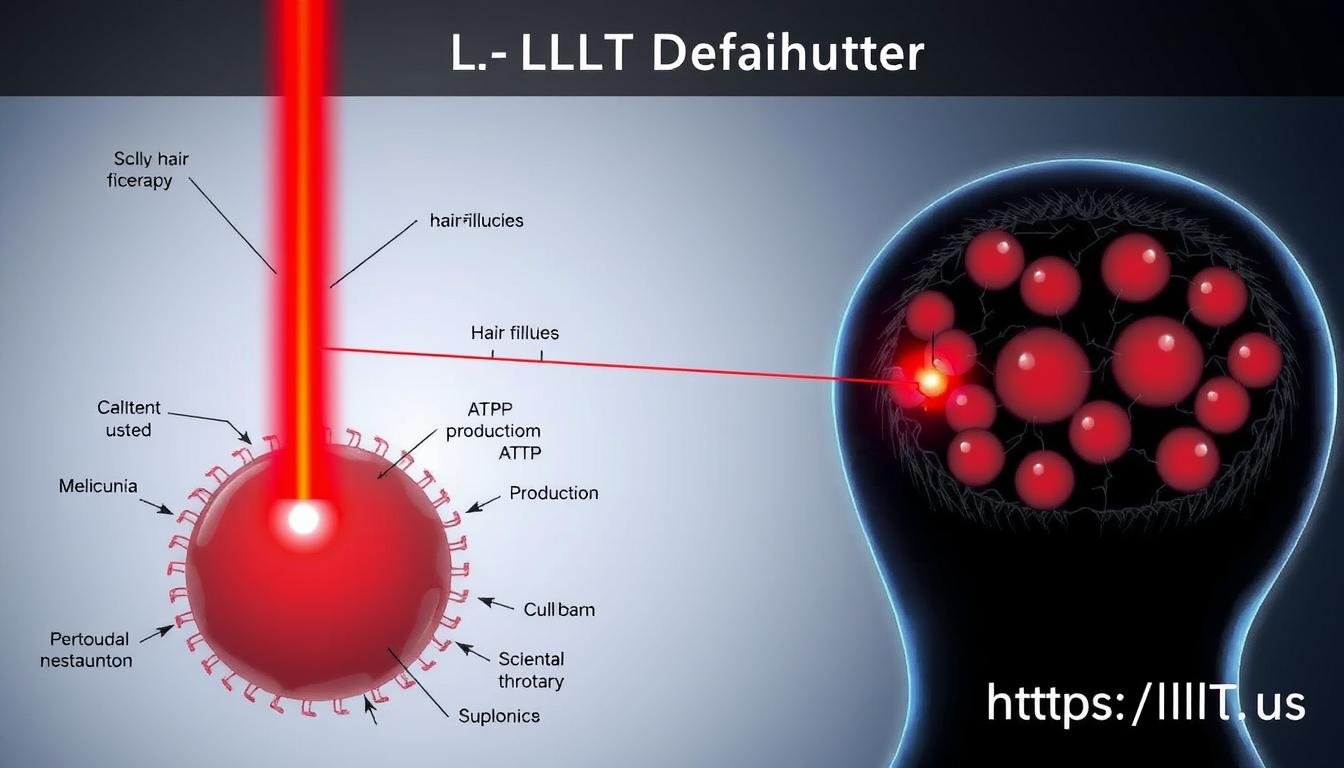
The science behind LLLT Laser therapy involves photochemical reactions at the cellular level. When specific wavelengths of light (typically between 630-670 nm) penetrate the scalp, they interact with cytochrome c oxidase, a photoreceptor in mitochondria. This interaction triggers several biological effects:
- Increased ATP production, providing more energy to hair follicle cells
- Enhanced microcirculation around hair follicles, improving nutrient delivery
- Stimulation of stem cells in the hair follicle
- Reduction of inflammation that may contribute to hair loss
- Transition of hair follicles from telogen (resting) to anagen (growth) phase
- Increased production of hair keratins and proteins
- Prevention of premature catagen phase entry
- Modulation of DHT (dihydrotestosterone) effects on hair follicles
Benefits of LLLT Laser Technology
The unique approach of LLLT Laser therapy offers several advantages over traditional hair loss treatments:
Benefits of LLLT Laser Therapy
- Non-invasive treatment with no recovery time
- Minimal to no side effects
- Painless application
- Can be used at home with FDA-cleared devices
- Compatible with other hair loss treatments
- No chemicals or drugs involved
- Suitable for both men and women
- Improves hair thickness, strength, and shine
- Effective for various types of hair loss
Limitations to Consider
- Requires consistent, long-term use
- Results vary between individuals
- Not effective for completely bald areas
- Quality devices can be initially expensive
- Takes time to see noticeable results (3-6 months)
- Not all devices are created equal in effectiveness
- Requires commitment to regular treatment sessions

Traditional Hair Loss Treatments Overview
Before the advent of LLLT Laser therapy, people suffering from hair loss relied primarily on medications, topical solutions, and surgical procedures. Understanding these conventional approaches provides context for appreciating the innovations that LLLT Laser technology brings to hair restoration.
Medication-Based Approaches
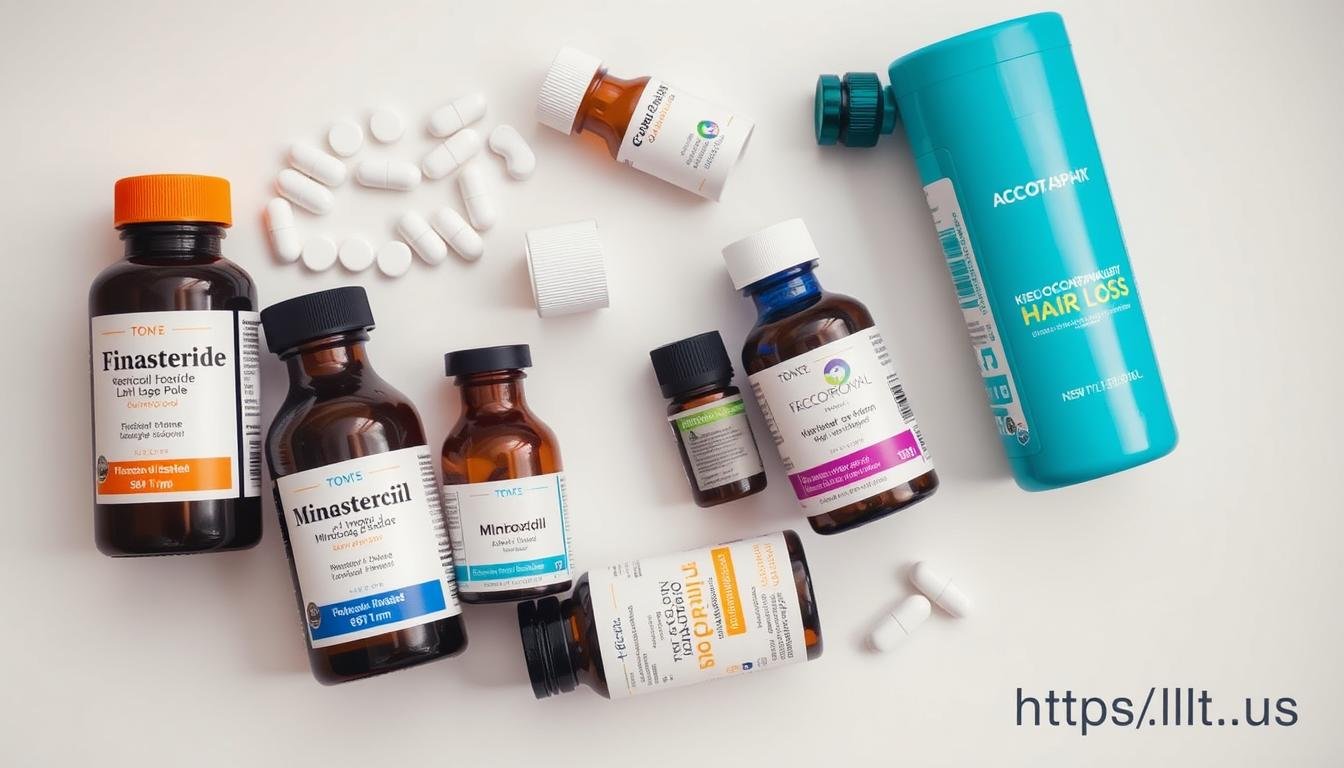
Pharmaceutical interventions have dominated the hair loss treatment market for decades. These medications work through various mechanisms to either block hormones associated with hair loss or stimulate hair follicles directly.
| Treatment |
Mechanism |
Administration |
Effectiveness |
Side Effects |
Cost (Monthly) |
| Finasteride (Propecia) |
5α-reductase inhibitor that blocks DHT production |
Oral pill (daily) |
66% experience hair regrowth |
Sexual dysfunction, depression, gynecomastia |
$30-$75 |
| Minoxidil (Rogaine) |
Vasodilator that increases blood flow to follicles |
Topical solution (twice daily) |
40% experience moderate regrowth |
Scalp irritation, unwanted facial hair, dizziness |
$15-$50 |
| Dutasteride |
Dual 5α-reductase inhibitor (more potent than finasteride) |
Oral pill (daily) |
Up to 90% DHT reduction |
Similar to finasteride but potentially stronger |
$70-$150 |
| Ketoconazole Shampoo |
Anti-fungal with anti-androgenic properties |
Topical shampoo (2-3 times weekly) |
Modest improvement as adjunct therapy |
Scalp dryness, irritation |
$10-$30 |
Surgical Options
For those seeking more permanent solutions, surgical hair restoration has been the gold standard. These procedures physically relocate hair follicles from donor areas to balding regions.
Follicular Unit Transplantation (FUT)

Also known as the “strip method,” FUT involves removing a strip of scalp from the donor area (usually the back of the head), dissecting it into individual follicular units, and implanting these units into the recipient area. This method leaves a linear scar and requires a longer recovery time.
- Cost: $4,000-$15,000 per session
- Recovery time: 2-3 weeks
- Visible scarring: Yes (linear)
- Pain level: Moderate to high
Follicular Unit Extraction (FUE)
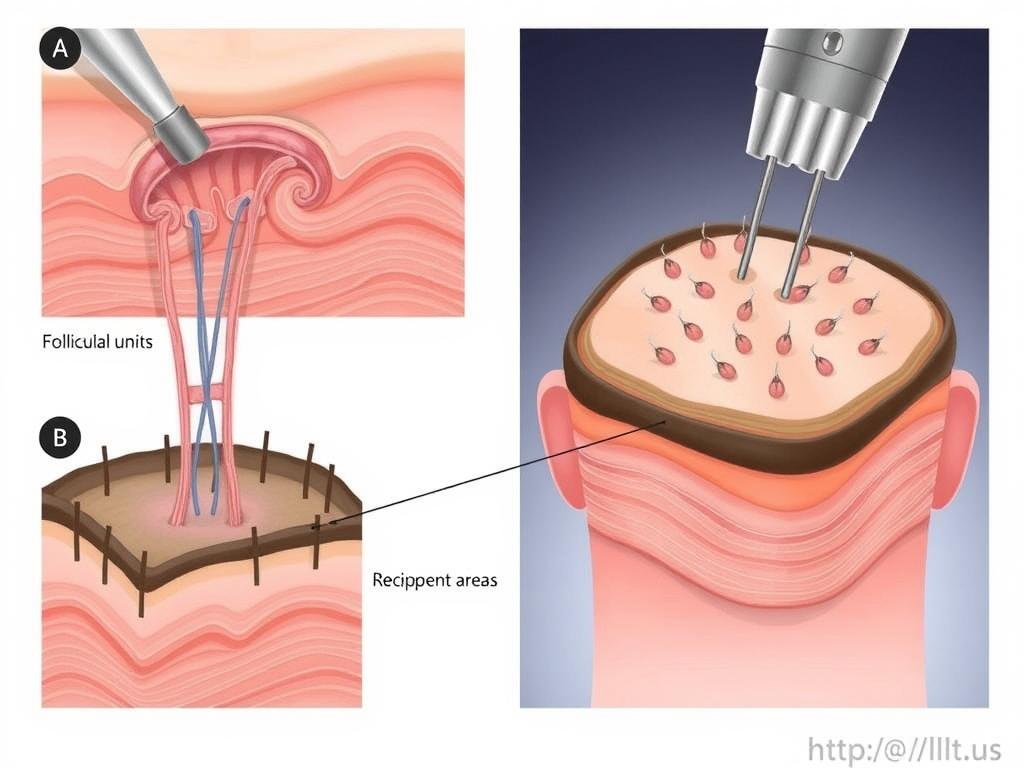
FUE involves harvesting individual follicular units directly from the donor area using a punch tool, then implanting them into the recipient area. This method avoids the linear scar of FUT but may require more extensive donor areas and multiple sessions.
- Cost: $5,000-$20,000 per session
- Recovery time: 7-10 days
- Visible scarring: Minimal (dot-like)
- Pain level: Mild to moderate
Platelet-Rich Plasma (PRP) Therapy
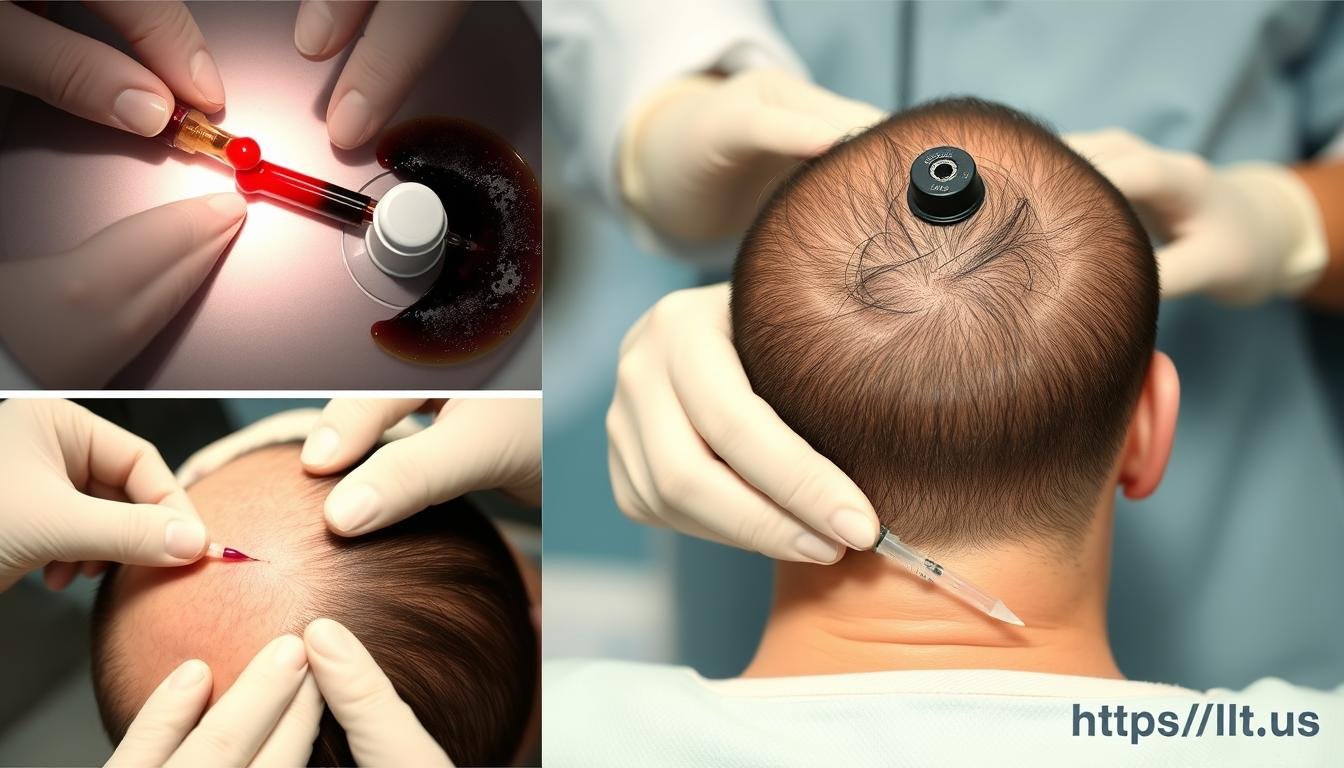
While not strictly surgical, PRP therapy involves drawing blood, processing it to concentrate platelets, and injecting this platelet-rich plasma into the scalp. The growth factors in platelets may stimulate hair follicles and improve hair growth.
- Cost: $500-$2,000 per session (multiple sessions recommended)
- Recovery time: Minimal
- Visible scarring: None
- Pain level: Mild (injection discomfort)
LLLT Laser vs Medications: Comparative Analysis
When comparing LLLT Laser therapy to medication-based approaches like finasteride and minoxidil, several key differences emerge in terms of mechanism, effectiveness, side effects, and long-term considerations.

| Factor |
LLLT Laser Therapy |
Finasteride |
Minoxidil |
| Mechanism of Action |
Stimulates cellular metabolism and blood flow at the follicle level |
Blocks DHT production, preventing follicle miniaturization |
Vasodilator that increases blood flow and extends growth phase |
| Hormonal Impact |
None – works through photobiomodulation |
Significant – alters DHT levels systemically |
Minimal – primarily local effects |
| Side Effect Profile |
Minimal – occasional scalp tingling or irritation |
Moderate to severe – sexual dysfunction, depression, gynecomastia |
Mild to moderate – scalp irritation, unwanted hair growth, heart palpitations |
| Application Method |
Non-invasive light exposure (helmet, comb, or panel) |
Oral pill taken daily |
Topical solution applied twice daily |
| Maintenance Required |
2-3 sessions weekly (10-30 minutes each) |
Daily pill indefinitely |
Twice-daily application indefinitely |
| Time to Results |
3-6 months for visible improvement |
3-6 months for visible improvement |
4-6 months for visible improvement |
| Long-term Safety |
Excellent – no known long-term risks |
Concerns about persistent side effects after discontinuation |
Generally good but lifelong application required |
| Suitability for Women |
Excellent – safe for all genders |
Poor – contraindicated for women of childbearing age |
Good – lower concentration (2%) recommended |
Ready to explore LLLT Laser therapy for your hair loss?
Our experts can help determine if LLLT is right for your specific hair loss pattern and goals. Contact us for a personalized consultation.
Contact via WhatsApp
Email Us
LLLT Laser vs Surgical Procedures: Risk and Effectiveness
Hair transplantation surgery has long been considered the definitive solution for permanent hair restoration. However, LLLT Laser therapy offers a non-invasive alternative that may be preferable for many patients. Here’s how these approaches compare:

Invasiveness
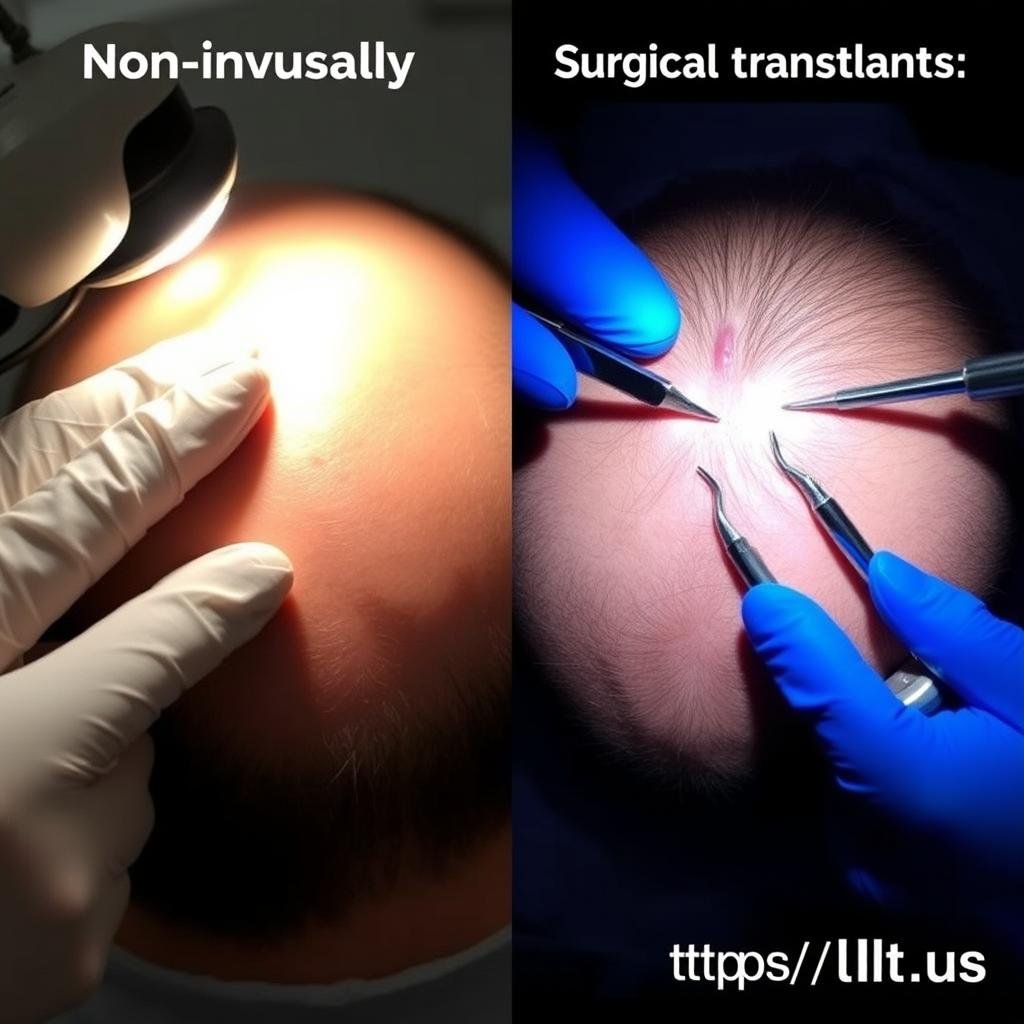
LLLT Laser: Completely non-invasive, no cutting or penetration of the skin.
Surgery: Highly invasive, requiring extraction and implantation of follicles, with associated trauma to the scalp.
Recovery Period

LLLT Laser: No recovery time needed; patients can immediately resume normal activities.
Surgery: 1-3 weeks of recovery with visible scabbing, swelling, and limitations on physical activity.
Pain & Discomfort

LLLT Laser: Painless, with some patients reporting mild warmth or tingling.
Surgery: Moderate to significant pain during recovery, requiring pain medication.
Immediate Results

LLLT Laser: Gradual improvement over 3-6 months with consistent use.
Surgery: Immediate placement of hair, but transplanted hair falls out and regrows over 3-12 months.
Scarring
LLLT Laser: No scarring whatsoever.
Surgery: Permanent scarring in donor areas (linear scar with FUT, dot-like scars with FUE).
Cost Comparison

LLLT Laser: $500-$3,000 for a quality device (one-time purchase).
Surgery: $5,000-$20,000 per session, with multiple sessions often needed.
Ideal Candidates for Each Approach
LLLT Laser Therapy Ideal For:
- Early to moderate hair loss (Norwood 1-3 or Ludwig I-II)
- Those seeking to strengthen existing hair
- Patients wanting to avoid medications or surgery
- People concerned about side effects
- Those who prefer gradual, natural-looking improvement
- Patients looking for a maintenance strategy
- Post-transplant patients wanting to maximize results
Surgical Approaches Ideal For:
- Advanced hair loss (Norwood 4-7 or Ludwig II-III)
- Completely bald areas needing hair restoration
- Patients seeking more immediate, dramatic results
- Those with stable donor hair availability
- Patients willing to accept recovery time and scarring
- People who have tried other methods without success
- Those who can afford the significant upfront cost
Clinical Evidence Supporting LLLT Laser
The efficacy of LLLT Laser therapy for hair regrowth is supported by a growing body of scientific research. Multiple randomized controlled trials have demonstrated its effectiveness in treating androgenetic alopecia and other forms of hair loss.

Key Research Findings
| Study |
Participants |
Device Type |
Duration |
Key Findings |
| Lanzafame et al. (2013) |
44 males with androgenetic alopecia |
Helmet device (655nm ± 5nm) |
16 weeks |
37% increase in hair count compared to 6% in placebo group |
| Jimenez et al. (2014) |
122 females with androgenetic alopecia |
Helmet device (655nm) |
26 weeks |
Significant increase in terminal hair count (average 20.2 hairs/cm²) |
| Liu et al. (2019) |
Meta-analysis of 8 studies with 11 RCTs |
Various LLLT devices |
Varied |
Standardized mean difference of 1.32 hairs/cm² favoring LLLT |
| Gupta et al. (2017) |
Meta-analysis of 15 studies |
Various LLLT devices |
Varied |
LLLT significantly improved hair count and hair thickness |
| Suchonwanit et al. (2019) |
40 patients with androgenetic alopecia |
Comb device (660nm) |
24 weeks |
51% increase in terminal hair count; improvement in hair diameter |
FDA Clearance and Medical Recognition
The effectiveness of LLLT Laser therapy has been recognized by regulatory bodies worldwide. In the United States, several LLLT Laser devices have received FDA clearance for treating androgenetic alopecia, providing assurance of both safety and efficacy when used as directed.
The FDA has cleared multiple LLLT Laser devices for hair regrowth, including helmet-style devices, combs, and panels. These clearances were granted based on clinical studies demonstrating safety and effectiveness in promoting hair growth in individuals with pattern hair loss.

Cost Comparison: LLLT Laser vs Traditional Methods
When evaluating hair loss treatments, cost is a significant consideration. Here’s how LLLT Laser therapy compares financially to traditional treatments over time.

| Treatment |
Initial Investment |
Annual Maintenance |
5-Year Total Cost |
Cost Notes |
| LLLT Laser Device (Quality Home System) |
$500-$3,000 |
$0 (occasional bulb replacement) |
$500-$3,200 |
One-time purchase with minimal ongoing costs |
| Finasteride (Brand Name) |
$70-$80 (first month) |
$840-$960 |
$4,200-$4,800 |
Requires continuous use; generic options available at lower cost |
| Minoxidil (Brand Name) |
$45-$60 (first month) |
$540-$720 |
$2,700-$3,600 |
Requires twice-daily application indefinitely |
| Combined Medication Approach |
$115-$140 (first month) |
$1,380-$1,680 |
$6,900-$8,400 |
Most effective medical approach but highest ongoing cost |
| Hair Transplantation (FUE) |
$8,000-$15,000 per session |
$0-$1,680 (medications often recommended) |
$8,000-$23,400 |
May require multiple sessions; maintenance medications often advised |
| PRP Therapy |
$1,500-$3,500 (initial series) |
$1,000-$2,000 (maintenance sessions) |
$5,500-$13,500 |
Typically requires 3-4 initial treatments and maintenance every 6-12 months |
Long-Term Value Analysis
Initial Investment vs. Long-Term Cost
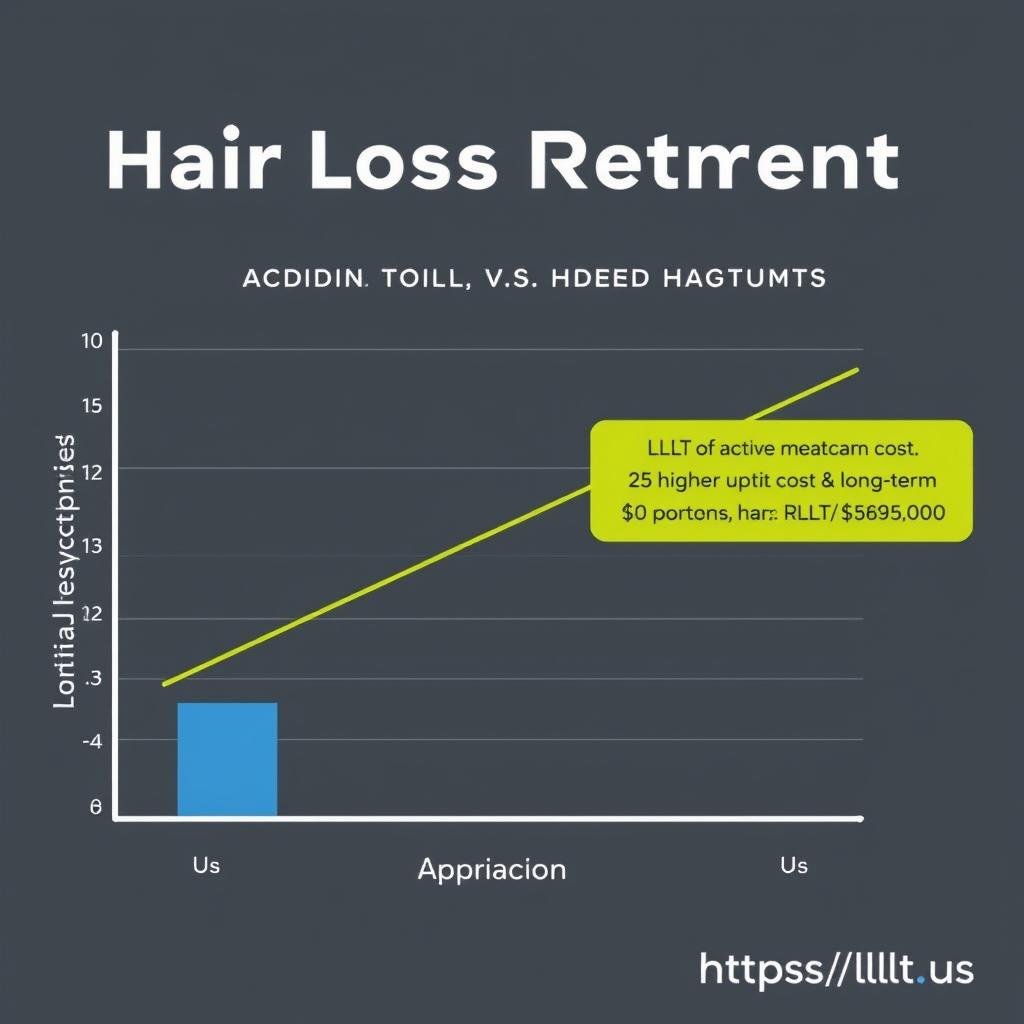
While LLLT Laser devices require a higher initial investment, they typically become more cost-effective than medications after 2-3 years of use. Surgical options have the highest initial cost but may not require ongoing maintenance costs if successful.
Hidden Costs

Consider additional costs beyond the treatment itself: doctor visits for prescriptions, managing side effects from medications, time off work for surgical recovery, and potential need for combination therapies for optimal results.
Return on Investment

When evaluating ROI, consider not just hair regrowth but also convenience, side effect profile, and long-term sustainability. LLLT Laser therapy offers excellent value when all factors are considered.
Calculate Your Long-Term Savings with LLLT
Wondering how much you could save by switching to LLLT Laser therapy? Contact us for a personalized cost analysis based on your current treatment regimen.
Email for Cost Analysis
User Experiences with LLLT Laser Treatment
Real-world experiences often provide valuable insights beyond clinical studies. Here’s what actual users report about their experiences with LLLT Laser therapy for hair loss.
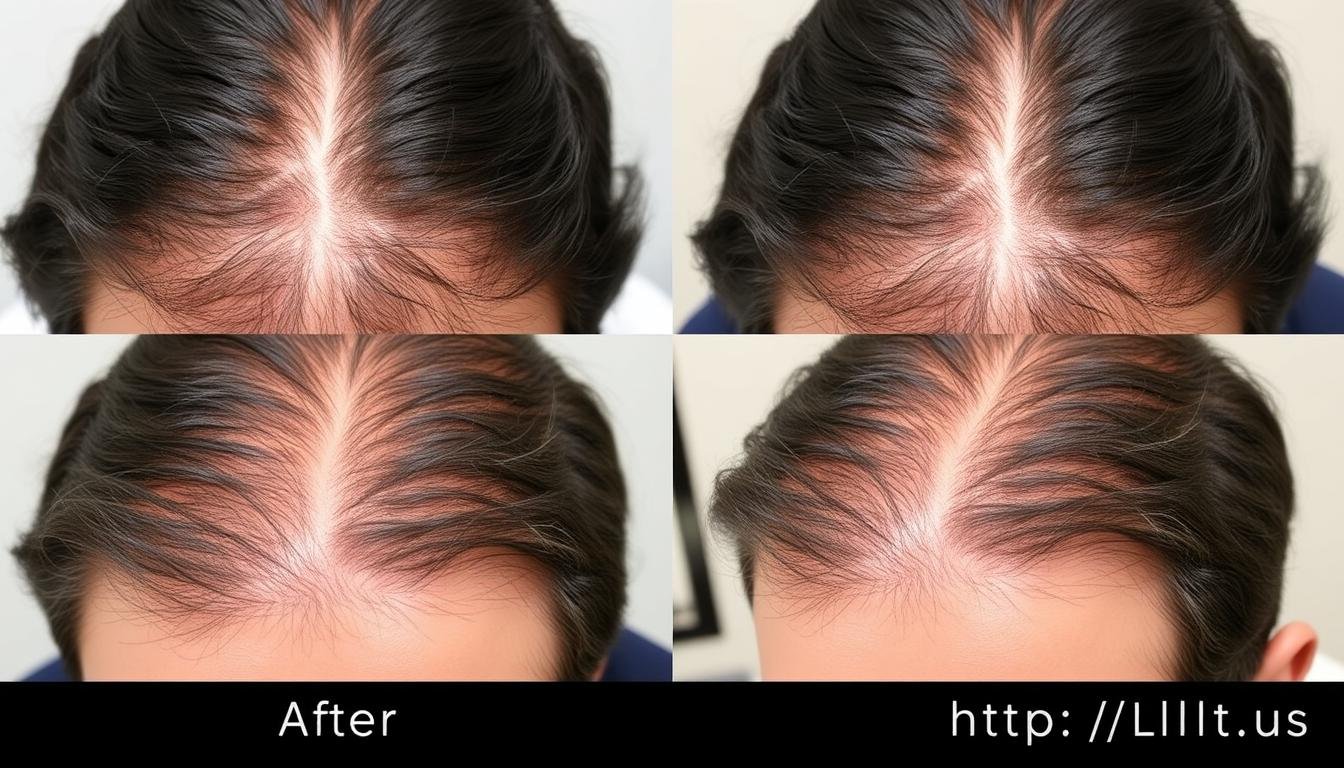
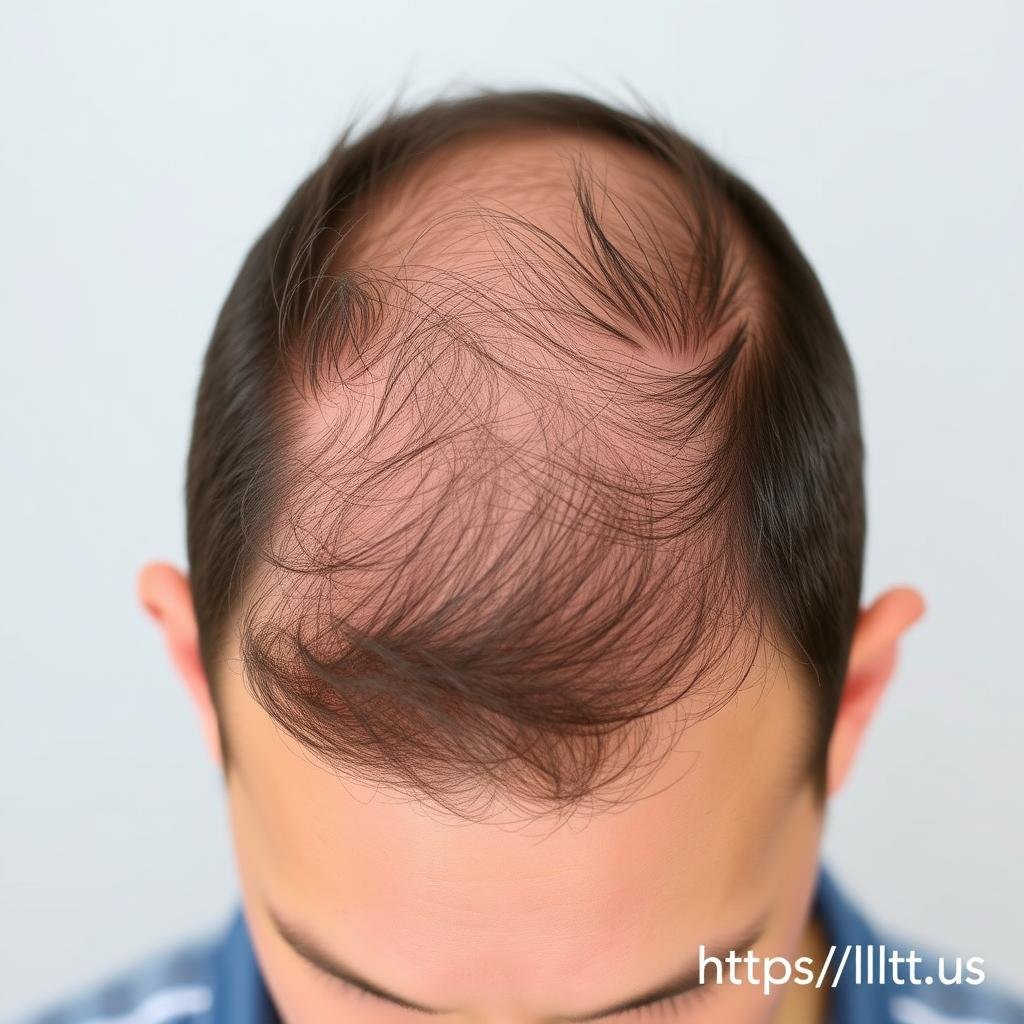
“After trying minoxidil for two years with minimal results and concerning side effects, I switched to an LLLT Laser helmet. Within 4 months, I noticed not just new growth but stronger, thicker existing hair. The convenience of using it while working from home has made it easy to maintain consistency.”
— Michael, 42, using LLLT for early-stage male pattern baldness

“Postpartum hair loss hit me hard after my second child. I was hesitant about medications while breastfeeding, so my dermatologist recommended LLLT Laser therapy. After 6 months of consistent use, my hair density has improved dramatically, and I’ve regained my confidence.”
— Sarah, 38, using LLLT for postpartum hair thinning

“I had an FUE transplant 3 years ago with good but not great results. Adding LLLT Laser therapy to my routine has enhanced the density of both my transplanted and native hair. My surgeon now recommends it to all his transplant patients as a complementary treatment.”
— James, 55, combining LLLT with hair transplantation
Common User Observations
Positive Experiences
- Reduced shedding typically noticed within 1-2 months
- New growth visible around 3-4 months
- Improved hair texture and thickness
- Enhanced scalp health with reduced irritation
- Convenience of at-home treatment
- Ability to multitask during treatment sessions
- No systemic side effects reported
- Gradual, natural-looking improvement
Challenges Reported
- Consistency required for optimal results
- Initial “shedding phase” causing temporary concern
- Time commitment for regular sessions
- Difficulty evaluating progress without baseline photos
- Varied results depending on hair loss pattern and stage
- Higher upfront cost compared to starting medications
- Some devices less comfortable or portable than others
Overall User Satisfaction
4.3
Based on aggregated user reviews
Side Effect Profile
4.8/5
Combining LLLT Laser with Other Treatments
While LLLT Laser therapy can be effective as a standalone treatment, many practitioners and patients find that combining it with other hair loss interventions produces superior results. This multi-modal approach addresses hair loss through different mechanisms simultaneously.

Synergistic Treatment Combinations
LLLT + Minoxidil
- LLLT improves blood flow and cellular metabolism
- Minoxidil enhances vasodilation and prolongs growth phase
- Combination shown to be more effective than either alone
- Easy to implement together in daily routine
- Minimal interaction concerns between treatments
- Studies show up to 40% better results than monotherapy
LLLT + Finasteride
- LLLT stimulates cellular activity at the follicle level
- Finasteride blocks DHT, addressing hormonal causes
- Complementary mechanisms target different aspects of hair loss
- May reduce finasteride dosage needed for maintenance
- Particularly effective for male pattern baldness
- Can help maintain transplanted hair long-term
LLLT + PRP Therapy
- LLLT enhances cellular metabolism and protein synthesis
- PRP delivers growth factors directly to follicles
- Combination accelerates and enhances results
- PRP sessions typically every 3-6 months
- LLLT maintains and extends PRP benefits between sessions
- Ideal for those seeking maximum non-surgical results
Comprehensive Hair Loss Protocol
For optimal results, many dermatologists and hair restoration specialists recommend a comprehensive approach that includes LLLT Laser therapy as a cornerstone treatment.
| Component |
Frequency |
Mechanism |
Notes |
| LLLT Laser Therapy |
3-4 times weekly, 10-30 minutes per session |
Photobiomodulation, increased ATP production, improved blood flow |
Foundation of the protocol; consistent use is critical |
| Topical Minoxidil |
Twice daily application |
Vasodilation, extended growth phase |
5% for men, 2-5% for women; foam or liquid |
| Oral Anti-Androgens |
Daily (as prescribed) |
DHT blocking or modulation |
Finasteride for men; spironolactone sometimes used for women |
| PRP Therapy |
3-4 initial treatments, then every 6-12 months |
Growth factor delivery, stem cell activation |
Professional in-office procedure |
| Nutritional Support |
Daily supplementation |
Provides building blocks for hair growth |
Biotin, zinc, iron, vitamin D, omega-3s as needed |
| Scalp Care |
Regular maintenance |
Creates optimal environment for growth |
Ketoconazole shampoo, scalp massage, microneedling |
Important Note: Always consult with a healthcare provider before combining treatments. While these combinations are generally safe, individual factors may affect suitability, and proper medical guidance ensures optimal results with minimal risk.
Frequently Asked Questions About LLLT Laser
How long does it take to see results from LLLT Laser therapy?
Most users begin to notice reduced hair shedding within 1-2 months of consistent use. Visible new growth typically appears around the 3-4 month mark, with more significant improvements continuing through 6-12 months of regular treatment. Taking baseline photos is recommended to track progress, as improvements are gradual and sometimes difficult to notice day-to-day.
Is LLLT Laser therapy FDA-cleared for hair loss?
Yes, several LLLT Laser devices have received FDA clearance specifically for treating androgenetic alopecia (pattern hair loss) in both men and women. These clearances were granted based on clinical studies demonstrating safety and effectiveness. When purchasing an LLLT Laser device, look for FDA clearance to ensure you’re getting a properly tested product.
Can LLLT Laser therapy regrow hair on completely bald areas?
LLLT Laser therapy works best on areas where hair follicles are still present but miniaturized or dormant. It is most effective for thinning hair rather than completely bald areas where follicles may no longer be viable. For best results, begin treatment at the earliest signs of thinning rather than waiting until advanced hair loss has occurred.
How often should LLLT Laser therapy be used for optimal results?
Most clinical studies and device manufacturers recommend using LLLT Laser devices 3-4 times per week, with sessions lasting between 10-30 minutes depending on the specific device. Consistency is key—irregular use significantly reduces effectiveness. Following the manufacturer’s specific guidelines for your device is important, as optimal treatment protocols may vary between different LLLT Laser systems.
Will hair fall out if LLLT Laser therapy is discontinued?
If LLLT Laser therapy is discontinued, the benefits will gradually diminish over time. Hair typically reverts to its pre-treatment state within 4-6 months after stopping therapy. This is similar to other hair loss treatments like minoxidil and finasteride, which require ongoing use to maintain results. For long-term hair maintenance, LLLT Laser should be viewed as an ongoing treatment rather than a temporary intervention.
Are there any side effects associated with LLLT Laser therapy?
LLLT Laser therapy is generally considered very safe with minimal side effects. Some users report temporary mild scalp tingling, itching, or redness immediately after treatment, but these effects typically resolve quickly. A small percentage of users experience an initial “shedding phase” where hair loss temporarily increases before improving—this is actually a sign that the treatment is working as old hairs are pushed out to make way for new growth.
What’s the difference between LED and laser devices for hair growth?
Both LED (Light Emitting Diode) and laser diodes can be effective for hair growth, but they differ in key ways. Lasers emit coherent, monochromatic light that can be more precisely targeted and may penetrate deeper into tissue. LEDs emit non-coherent light over a broader spectrum. Many modern devices combine both technologies. True LLLT Laser devices with laser diodes typically show stronger clinical evidence for hair regrowth, though quality LED devices at the correct wavelengths can also be effective.
Is LLLT Laser therapy suitable for all hair types and colors?
LLLT Laser therapy works for all hair types and textures. However, there is some evidence suggesting it may be more effective for lighter hair colors (blonde, light brown, red) compared to very dark or black hair. This is because melanin in the hair shaft can absorb some of the light energy before it reaches the follicle. That said, people with all hair colors have reported positive results, and many devices are designed to account for this potential limitation.
Have more questions about LLLT Laser therapy?
Our hair restoration specialists are available to answer your specific questions and help determine if LLLT is right for your unique situation.
Contact via WhatsApp
Email Us
Conclusion: Why Choose LLLT Laser Over Traditional Methods
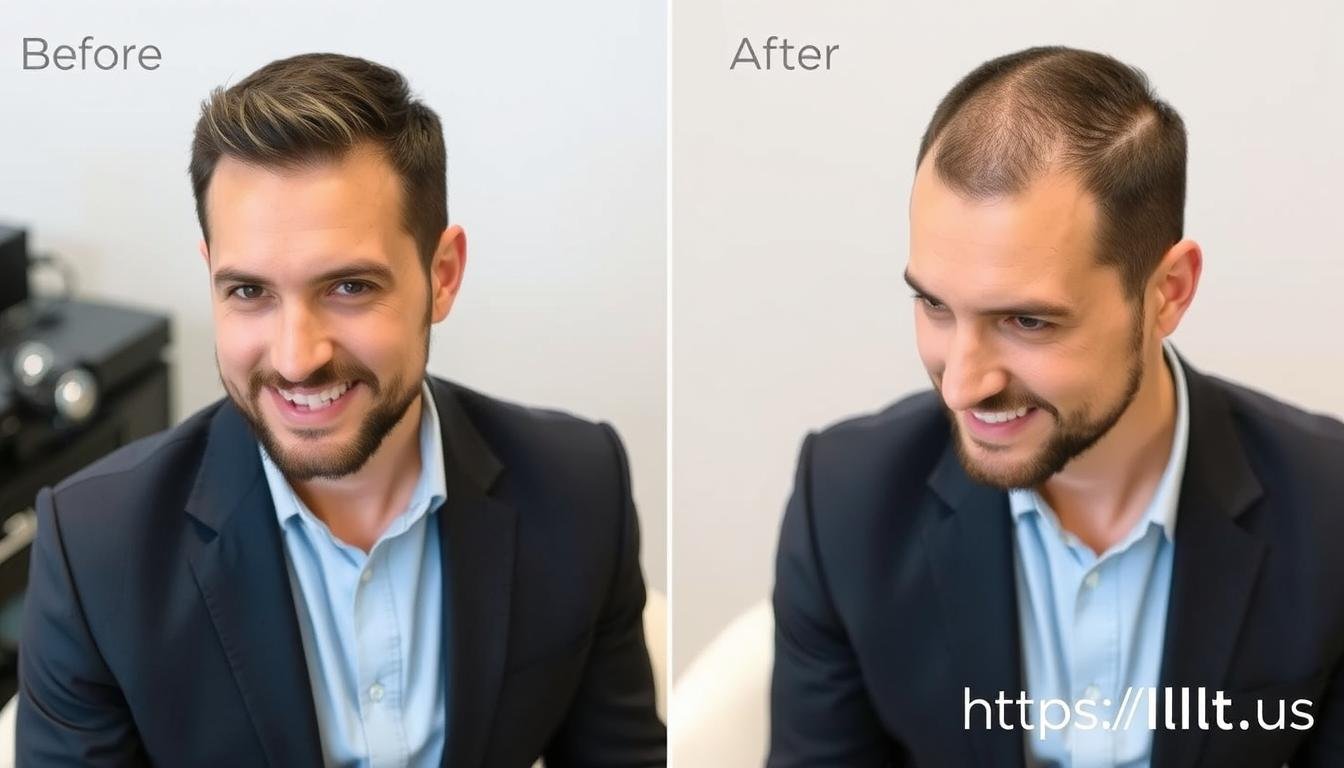
When comparing LLLT Laser therapy to traditional hair loss treatments, several key advantages emerge that make it an attractive option for many individuals seeking to address hair thinning and loss.
Safety Profile
LLLT Laser therapy stands out for its exceptional safety record, with virtually no significant side effects reported in clinical studies. Unlike medications that may affect hormonal balance or cause sexual dysfunction, and surgical procedures that carry risks of infection or scarring, LLLT Laser is non-invasive and gentle on the body.
Convenience Factor
The ability to perform LLLT Laser treatments at home, often while engaging in other activities like reading or watching TV, makes it exceptionally convenient. There’s no daily application of messy solutions, no pills to remember, and no clinic visits required for routine treatments.
Long-Term Value
While the initial investment in a quality LLLT Laser device may be higher than starting medication, the long-term cost is typically lower. With minimal maintenance costs and a device lifespan of several years, LLLT Laser therapy often becomes the most economical option over time.
The scientific evidence supporting LLLT Laser therapy continues to grow, with multiple clinical studies demonstrating its effectiveness for both men and women experiencing pattern hair loss. Its ability to work synergistically with other treatments further enhances its value as part of a comprehensive hair restoration strategy.
For those concerned about the side effects of medications or hesitant about surgical intervention, LLLT Laser offers a middle ground—more effective than basic topical products but less invasive than surgery. The gradual, natural-looking results align with many patients’ preferences for subtle improvement rather than dramatic overnight change.
As with any hair loss treatment, individual results will vary, and consistency is key to success. Those who commit to the recommended treatment protocol and maintain realistic expectations are most likely to be satisfied with their LLLT Laser therapy experience.
Ready to explore LLLT Laser therapy for your hair restoration journey?
Take the first step toward healthier, thicker hair with our expert guidance. Contact us today to learn more about LLLT options tailored to your specific needs.
