Hair loss affects millions worldwide, with over 85% of men experiencing significant thinning by age 50 and more than 50% of women facing similar challenges during their lifetime. While many treatments promise results, Low-Level Laser Therapy (LLLT) helmets have emerged as a scientifically validated, non-invasive solution backed by clinical research. But how exactly does this technology work to stimulate hair growth and reverse thinning? This comprehensive guide explores the science behind LLLT helmets, their mechanisms of action, and why they’ve become a preferred treatment for those seeking effective hair restoration without medications or invasive procedures.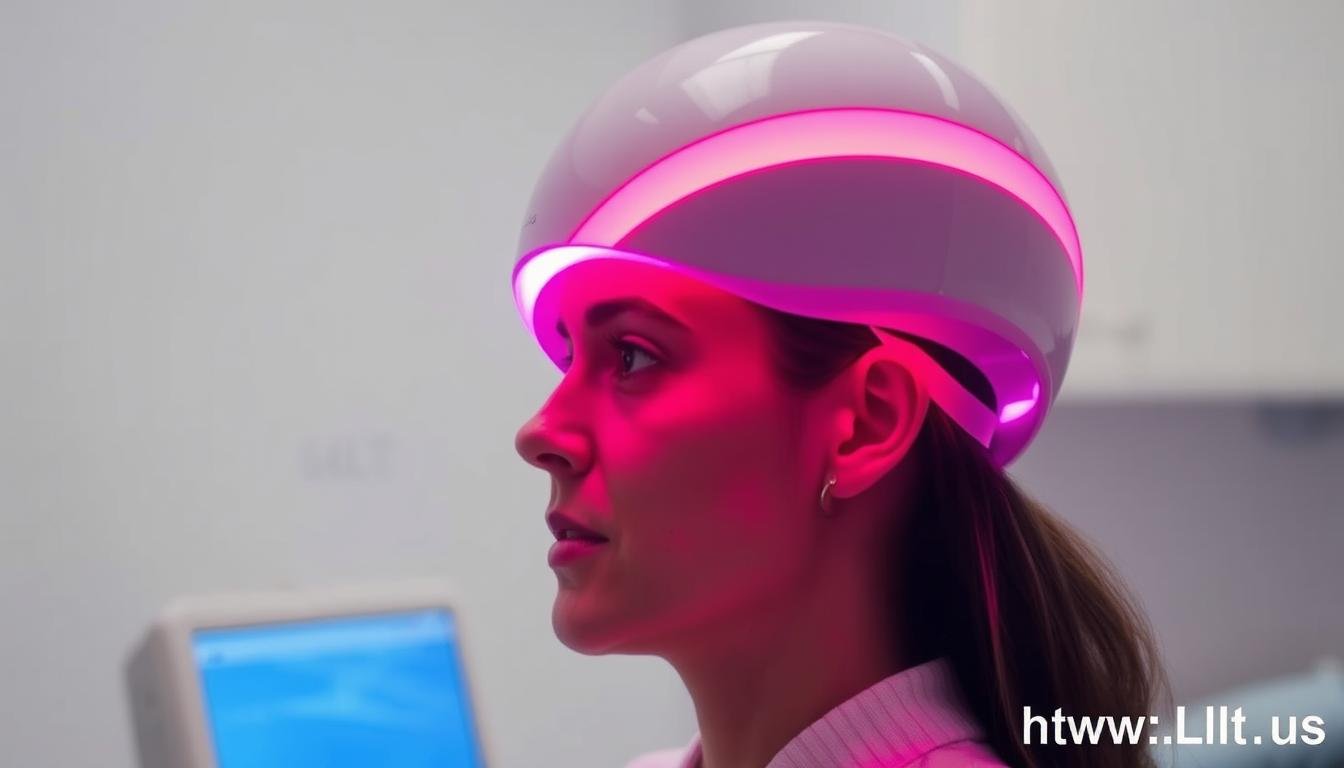
Understanding Hair Loss: Causes and Mechanisms
Before diving into how LLLT helmets work, it’s important to understand what causes hair loss in the first place. Hair loss is rarely a simple issue, often resulting from a complex interplay of genetic, hormonal, and environmental factors.
Common Causes of Hair Loss
The most prevalent form of hair loss is androgenetic alopecia, commonly known as male or female pattern baldness. This condition affects up to 50% of men by age 50 and a significant percentage of women, particularly after menopause. Other common causes include:
- Hormonal imbalances (pregnancy, menopause, thyroid conditions)
- Nutritional deficiencies (iron, protein, vitamins)
- Stress-induced telogen effluvium
- Autoimmune conditions like alopecia areata
- Medication side effects
- Aging and reduced cell regeneration
The Science of Androgenetic Alopecia
Androgenetic alopecia occurs when dihydrotestosterone (DHT), a hormone derived from testosterone, binds to receptors in hair follicles. This binding triggers a process called miniaturization, where the growth phase (anagen) of the hair cycle progressively shortens while the resting phase (telogen) lengthens. Over time, affected follicles produce increasingly thinner, shorter hairs until they eventually stop producing hair altogether.

Comparison of healthy hair follicles (left) versus miniaturized follicles affected by DHT (right)
Additionally, blood flow to the scalp decreases, reducing the delivery of oxygen and nutrients to hair follicles. This combination of miniaturization and reduced nourishment leads to the progressive thinning and eventual loss of hair that characterizes androgenetic alopecia.
What is Low-Level Laser Therapy (LLLT)?
Low-Level Laser Therapy, also known as photobiomodulation, is a non-invasive treatment that uses specific wavelengths of light to stimulate cellular activity. Unlike high-powered surgical lasers that cut or burn tissue, LLLT employs low-intensity light that penetrates the skin without causing damage.
The History of LLLT
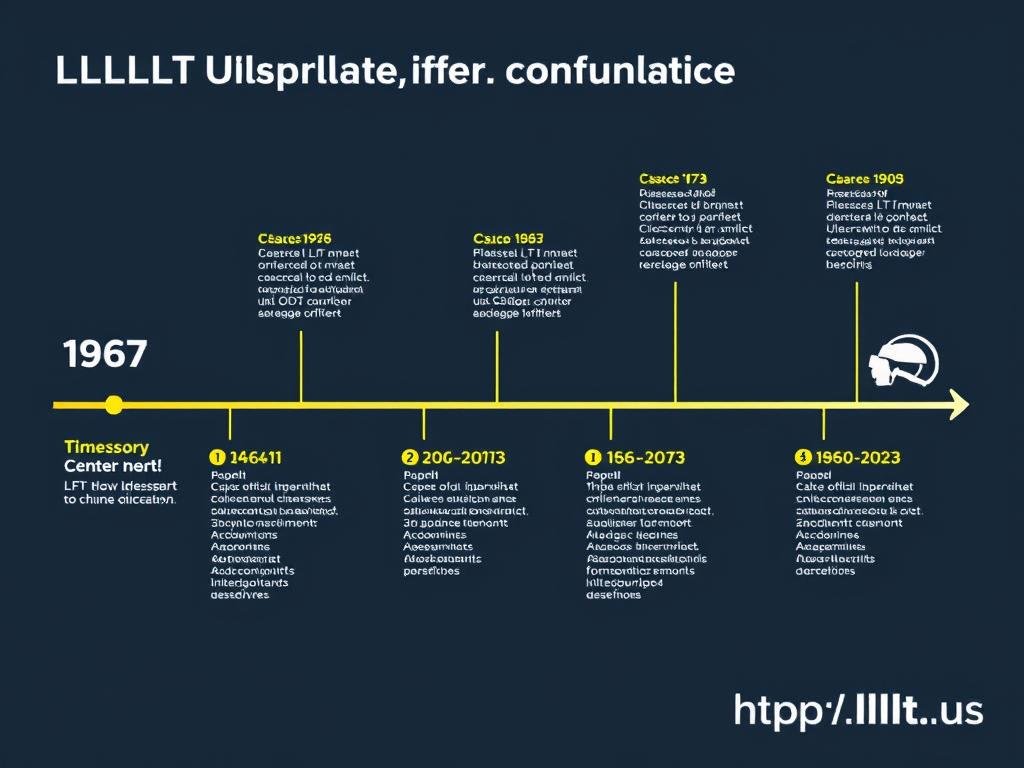
LLLT was accidentally discovered in 1967 by Hungarian physician Endre Mester, who was attempting to replicate an experiment using lasers to destroy cancerous tumors in rats. Using a lower-powered laser than intended, he found that while the tumors weren’t destroyed, the rats’ hair grew back more quickly in the treated areas. This serendipitous finding led to decades of research into the therapeutic applications of low-level laser light.
By the early 2000s, researchers had begun investigating LLLT specifically for hair regrowth, leading to the development of the first FDA-cleared laser devices for treating hair loss in 2007. Since then, numerous clinical studies have validated LLLT’s effectiveness for stimulating hair growth in both men and women.
The Science Behind LLLT
LLLT works through a process called photobiomodulation, where specific wavelengths of light (typically 630-660 nanometers) are absorbed by cellular chromophores, particularly in the mitochondria. This absorption triggers a cascade of biochemical reactions that enhance cellular function and promote tissue repair and regeneration.

LLLT wavelengths penetrate the scalp to reach the hair follicles at their optimal therapeutic depth
The key to LLLT’s effectiveness lies in its specific wavelength range. Light in the 630-660nm range (visible red light) penetrates tissue to an ideal depth for reaching hair follicles while being efficiently absorbed by cellular chromophores. This precise targeting is what makes LLLT helmets particularly effective for treating hair loss compared to other light-based therapies.
LLLT Helmet Technology: How These Devices Are Engineered
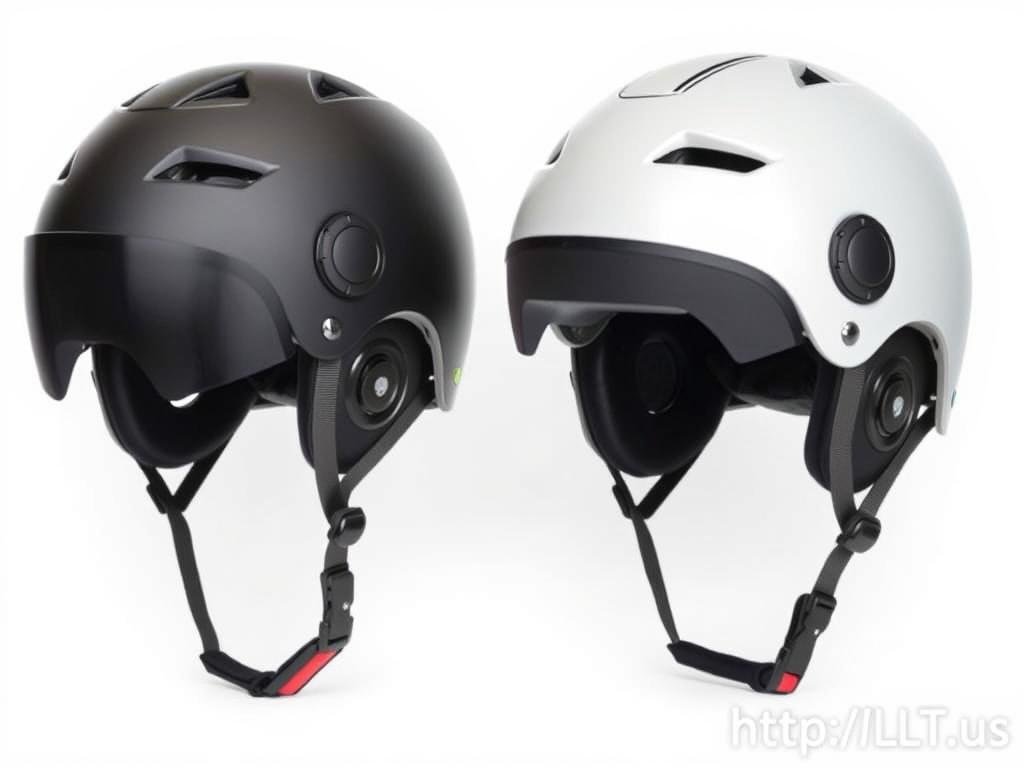
An LLLT helmet is a sophisticated device designed to deliver precise doses of therapeutic light directly to the scalp. Understanding the components and engineering behind these devices helps explain their effectiveness in treating hair loss.
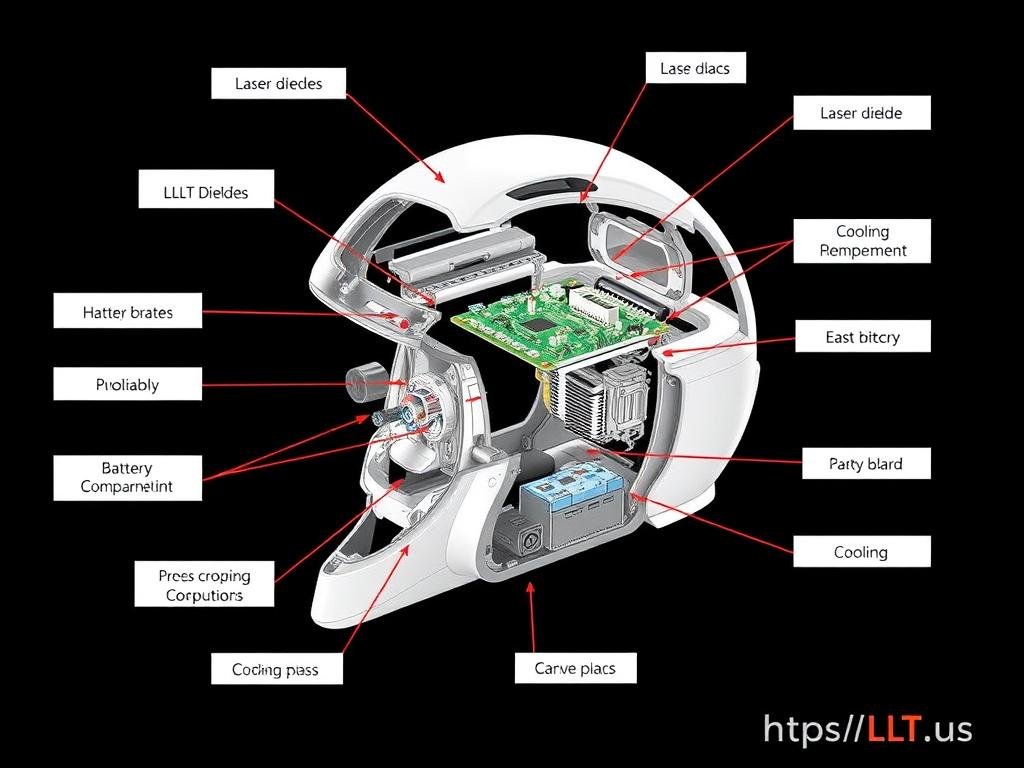
Key Components of an LLLT Helmet
- Laser Diodes: Medical-grade laser diodes that emit light at the precise therapeutic wavelength (typically 650nm)
- LED Arrays: Some models incorporate LED lights alongside laser diodes for enhanced coverage
- Power System: Rechargeable battery packs that allow for cordless operation
- Control Module: Microprocessor that regulates treatment time and laser output
- Cooling System: Ventilation designed to prevent overheating during treatment
- Comfort Features: Padding and adjustable elements for proper fit
Laser Diodes vs. LEDs in LLLT Helmets
One of the most important distinctions in LLLT devices is between true laser diodes and LED lights. While both can emit light in the therapeutic red spectrum, they differ significantly in their properties and effectiveness.
| Feature |
Laser Diodes |
LED Lights |
| Coherence |
Coherent (organized) light waves |
Non-coherent (scattered) light waves |
| Penetration |
Deeper tissue penetration (5-10mm) |
Shallower penetration (2-3mm) |
| Energy Delivery |
Concentrated energy at specific points |
Diffused energy over broader areas |
| Therapeutic Effect |
Stronger cellular stimulation |
Milder cellular response |
| Clinical Evidence |
Extensive research supporting efficacy |
Less robust clinical evidence |
Premium LLLT helmets like those manufactured by MAIKONG utilize true laser diodes rather than LEDs, ensuring maximum penetration to the hair follicles and optimal therapeutic effect. This distinction is crucial, as many lower-quality devices marketed as “laser” helmets actually use primarily LED technology, which may not deliver the same level of results.
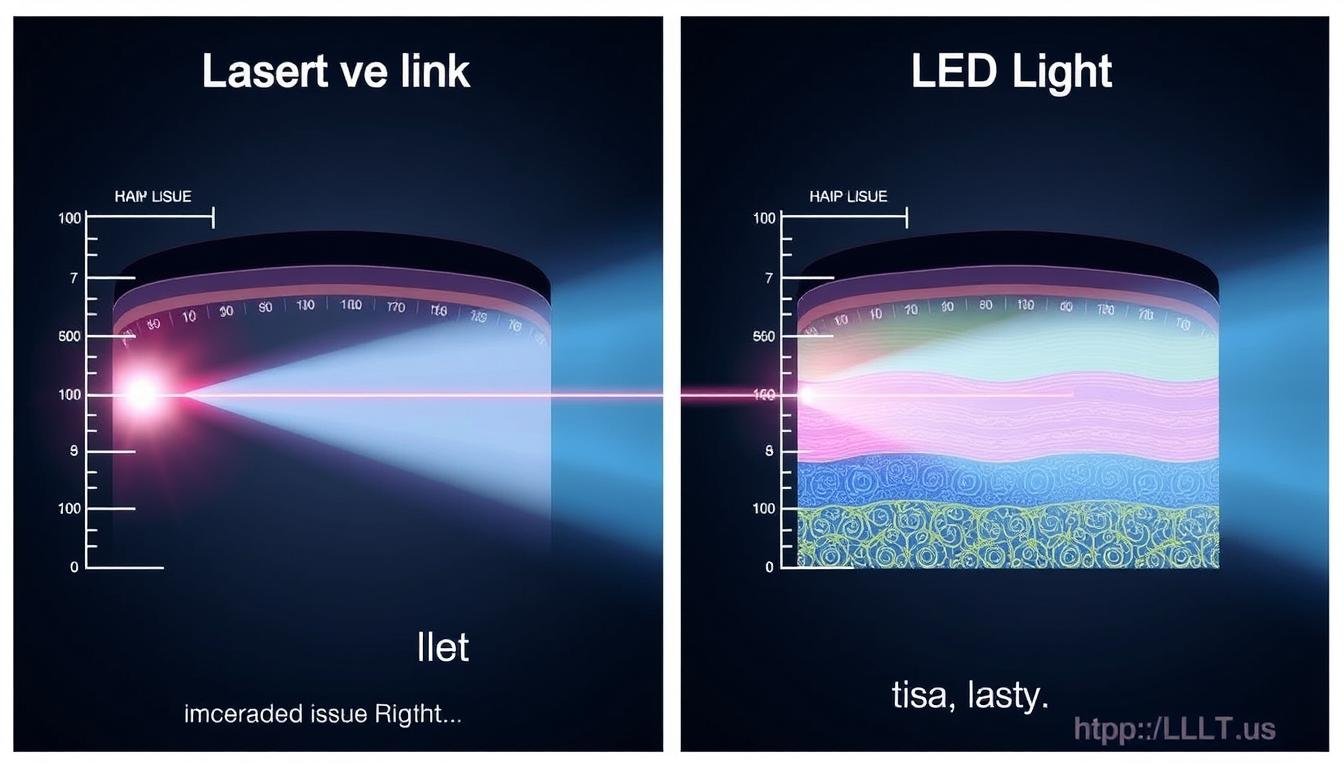
Comparison of penetration depth: Laser diodes (left) reach deeper into the follicle compared to LEDs (right)
How LLLT Helmets Stimulate Hair Growth: The Biological Mechanism
The science behind how LLLT helmets stimulate hair growth involves several complex biological mechanisms. When the specific wavelengths of light from an LLLT helmet penetrate the scalp, they trigger a cascade of cellular responses that create an optimal environment for hair regrowth.
Cellular Effects of LLLT on Hair Follicles
At the cellular level, LLLT produces several key effects that contribute to hair regrowth:
- Increased ATP Production: Light energy is absorbed by cytochrome c oxidase in the mitochondria, enhancing ATP (cellular energy) production by 200%
- Improved Blood Flow: LLLT stimulates nitric oxide release, causing vasodilation and increasing blood flow to follicles by up to 54%
- Reduced Inflammation: Decreases pro-inflammatory cytokines around hair follicles
- Inhibited 5α-reductase: Helps reduce DHT production, addressing a primary cause of androgenetic alopecia
- Activated Stem Cells: Stimulates dormant stem cells in the bulge region of follicles
The Hair Growth Cycle and LLLT
Hair growth occurs in a cyclical pattern consisting of three main phases: anagen (growth), catagen (transition), and telogen (resting). LLLT helmets influence this cycle in several important ways:

LLLT’s influence on the hair growth cycle, showing how it extends anagen phase and reduces telogen phase
- Prolonged Anagen Phase: LLLT extends the active growth phase, allowing hairs to grow longer and thicker
- Reduced Telogen Phase: Decreases the percentage of follicles in the resting phase
- Telogen to Anagen Conversion: Stimulates dormant follicles to re-enter the growth phase
- Increased Hair Diameter: Enhances the size and strength of growing hair shafts
Clinical studies have shown that regular use of LLLT helmets can increase the proportion of follicles in the anagen phase by up to 35%, while reducing those in telogen phase by approximately 25%. This shift in the hair growth cycle is a key factor in the visible improvements seen with consistent LLLT treatment.
Clinical Evidence Supporting LLLT Helmet Effectiveness
The efficacy of LLLT helmets for hair regrowth is supported by a substantial body of clinical research. Multiple randomized, double-blind, placebo-controlled studies have demonstrated significant improvements in hair count, density, and patient satisfaction.
Key Research Studies on LLLT for Hair Loss
| Study |
Participants |
Duration |
Results |
| Lanzafame et al. (2014) |
44 males with androgenetic alopecia |
16 weeks |
37% increase in hair count compared to placebo |
| Jimenez et al. (2014) |
100 females with androgenetic alopecia |
24 weeks |
51% increase in terminal hair count |
| Liu et al. (2019) |
Meta-analysis of 8 clinical studies |
Various |
Statistically significant improvement in hair density and patient satisfaction |
| Gupta et al. (2017) |
Review of 11 studies with 680 patients |
Various |
LLLT devices provided significant improvements compared to sham devices |
These studies consistently show that LLLT helmets produce measurable improvements in hair growth parameters, with effects becoming visible after approximately 12-16 weeks of regular use and continuing to improve with ongoing treatment.
FDA Clearance and Medical Recognition
The effectiveness of LLLT helmets has been recognized by regulatory bodies worldwide. In the United States, several LLLT devices have received FDA clearance for treating androgenetic alopecia in both men and women. This clearance is based on substantial clinical evidence demonstrating both safety and efficacy.
Medical professionals, including dermatologists and hair restoration specialists, increasingly recommend LLLT helmets as part of a comprehensive approach to treating hair loss. The non-invasive nature and lack of significant side effects make LLLT an attractive option for patients seeking alternatives to pharmaceutical interventions or surgical procedures.
Using an LLLT Helmet: Treatment Protocols and Best Practices
To achieve optimal results with an LLLT helmet, it’s important to follow established treatment protocols and best practices. The effectiveness of LLLT depends not only on the device itself but also on how consistently and correctly it’s used.
Recommended Treatment Schedule
Most clinical studies and manufacturer guidelines recommend the following treatment schedule:
- Frequency: 3-7 sessions per week (device-dependent)
- Duration: 6-30 minutes per session (device-dependent)
- Consistency: Regular treatment at the same times each day
- Course: Minimum 4-6 months for visible results
- Maintenance: Continued treatment to maintain results
High-quality LLLT helmets like those from MAIKONG are designed for optimal treatment efficiency, with precisely calibrated treatment times based on the power and distribution of laser diodes. Following the specific guidelines for your device is crucial for achieving the best results.
What to Expect: The LLLT Treatment Timeline
Understanding the typical timeline for results helps set realistic expectations and encourages adherence to the treatment protocol.
| Timeframe |
Expected Changes |
Notes |
| Weeks 1-4 |
Reduced shedding, improved scalp health |
Cellular changes begin but may not be visibly apparent |
| Weeks 5-8 |
Vellus hair growth, increased shine |
Some users may experience temporary shedding as follicles reset their growth cycle |
| Months 3-4 |
Noticeable improvement in density |
First visible signs of new growth become apparent |
| Months 5-6 |
Significant increase in terminal hair count |
Most users see definitive improvements by this stage |
| Months 7-12 |
Continued improvement in thickness and coverage |
Results continue to enhance with consistent use |
| Beyond 12 months |
Maintenance of results |
Ongoing treatment required to sustain improvements |
Important Note: Some users may experience a temporary increase in shedding around weeks 4-8. This is actually a positive sign known as “therapeutic shedding” and indicates that the treatment is working to reset the hair growth cycle. Continue treatment through this phase to achieve the best long-term results.
Combining LLLT Helmets with Other Hair Loss Treatments
While LLLT helmets can be effective as a standalone treatment, many hair loss experts recommend combining them with other therapies for enhanced results. This multi-modal approach can address different aspects of hair loss simultaneously.
Complementary Treatments
- Topical Minoxidil: Enhances blood flow and extends the growth phase
- Oral Finasteride: Blocks DHT production (prescription required)
- Nutritional Supplements: Provides essential vitamins and minerals for hair growth
- PRP Therapy: Delivers growth factors directly to follicles
- Anti-inflammatory Scalp Care: Creates a healthier environment for growth
Synergistic Effects of Combined Therapies
Research indicates that combining LLLT with other treatments often produces synergistic effects, where the total benefit exceeds what would be expected from each treatment individually. For example:
| Combination |
Mechanism |
Potential Benefit |
| LLLT + Minoxidil |
Enhanced blood flow + cellular stimulation |
Up to 61% greater improvement than either treatment alone |
| LLLT + Finasteride |
Reduced DHT + improved cellular metabolism |
Complementary pathways addressing both cause and effect |
| LLLT + Nutritional Support |
Cellular activation + essential building blocks |
Optimized environment for new growth |
| LLLT + Microneedling |
Enhanced absorption + direct stimulation |
Improved penetration of topical treatments |
When considering a multi-treatment approach, it’s advisable to consult with a dermatologist or hair loss specialist who can recommend the most appropriate combination based on your specific type of hair loss, medical history, and treatment goals.
Safety Profile of LLLT Helmets: Side Effects and Considerations
One of the major advantages of LLLT helmets is their excellent safety profile. Unlike many pharmaceutical treatments for hair loss, LLLT is associated with minimal side effects and is suitable for long-term use.
Potential Side Effects
Common (Minor)
- Temporary scalp warmth during treatment
- Mild tingling sensation
- Initial “therapeutic shedding” phase
- Slight scalp dryness
Rare (More Significant)
- Scalp irritation in sensitive individuals
- Headache (typically from improper fit)
- Temporary increase in sebum production
- Eye strain if safety precautions ignored
The vast majority of users experience either no side effects or only the mild, temporary sensations listed above. Serious adverse events are extremely rare with properly manufactured LLLT helmets like those produced by MAIKONG, which incorporate safety features to protect users.
Safety Considerations and Contraindications
While LLLT is safe for most people, there are some situations where caution is advised or where alternative treatments might be more appropriate:
Who Should Exercise Caution
- Individuals with photosensitivity disorders
- Those taking photosensitizing medications
- People with active scalp conditions (psoriasis, severe eczema)
- Individuals with a history of skin cancer
Safety Features in Quality LLLT Helmets
- Automatic shut-off timers to prevent overexposure
- Temperature regulation to prevent overheating
- Eye protection design elements
- Medical-grade materials that prevent skin irritation
- Precise power output control
Safety Tip: Always consult with a healthcare provider before beginning LLLT treatment if you have any pre-existing medical conditions, are pregnant or breastfeeding, or are taking medications that might cause photosensitivity.
Choosing the Right LLLT Helmet: Key Features to Consider
With numerous LLLT helmets on the market, selecting the right device is crucial for achieving optimal results. Understanding the key technical specifications and features will help you make an informed decision.
Essential Technical Specifications
| Feature |
Optimal Specifications |
Why It Matters |
| Wavelength |
630-660nm (ideally 650nm) |
This specific range penetrates to the ideal depth for hair follicle stimulation |
| Laser Type |
True laser diodes (not just LEDs) |
Provides coherent light with deeper penetration and stronger therapeutic effect |
| Diode Count |
82-272 diodes |
Higher diode count ensures better coverage and more efficient treatment |
| Power Output |
3-5 mW per diode |
Ensures sufficient energy delivery without risk of tissue damage |
| Energy Density |
4-6 J/cm² |
The therapeutic “dose” needed for optimal stimulation |
| Treatment Time |
10-30 minutes |
Balances convenience with effective energy delivery |
Quality and Usability Considerations
Beyond the technical specifications, several practical factors can significantly impact your treatment experience and results:
- Comfort and Fit: The helmet should fit securely without being too tight or causing discomfort during treatment sessions
- Battery Life: Longer battery life allows for greater portability and convenience
- Durability: Quality construction ensures the device will last through years of regular use
- Warranty: Look for devices with at least a 1-2 year warranty
- FDA Clearance: Ensures the device meets safety and efficacy standards
- Manufacturer Reputation: Established companies with scientific backing provide greater reliability
MAIKONG: Industry-Leading LLLT Technology
MAIKONG’s premium LLLT helmets incorporate all the essential features for effective hair regrowth treatment. With medical-grade laser diodes, optimal 650nm wavelength, and ergonomic design, our devices deliver clinical-grade results in the comfort of your home.
Explore MAIKONG LLLT Helmets
MAIKONG: Comprehensive LLLT Solutions for Hair Regrowth
MAIKONG has established itself as a leading manufacturer of premium LLLT devices, offering a comprehensive range of solutions for addressing hair loss and promoting regrowth. With a focus on scientific validation, quality manufacturing, and innovative design, MAIKONG provides effective options for both personal use and professional settings.
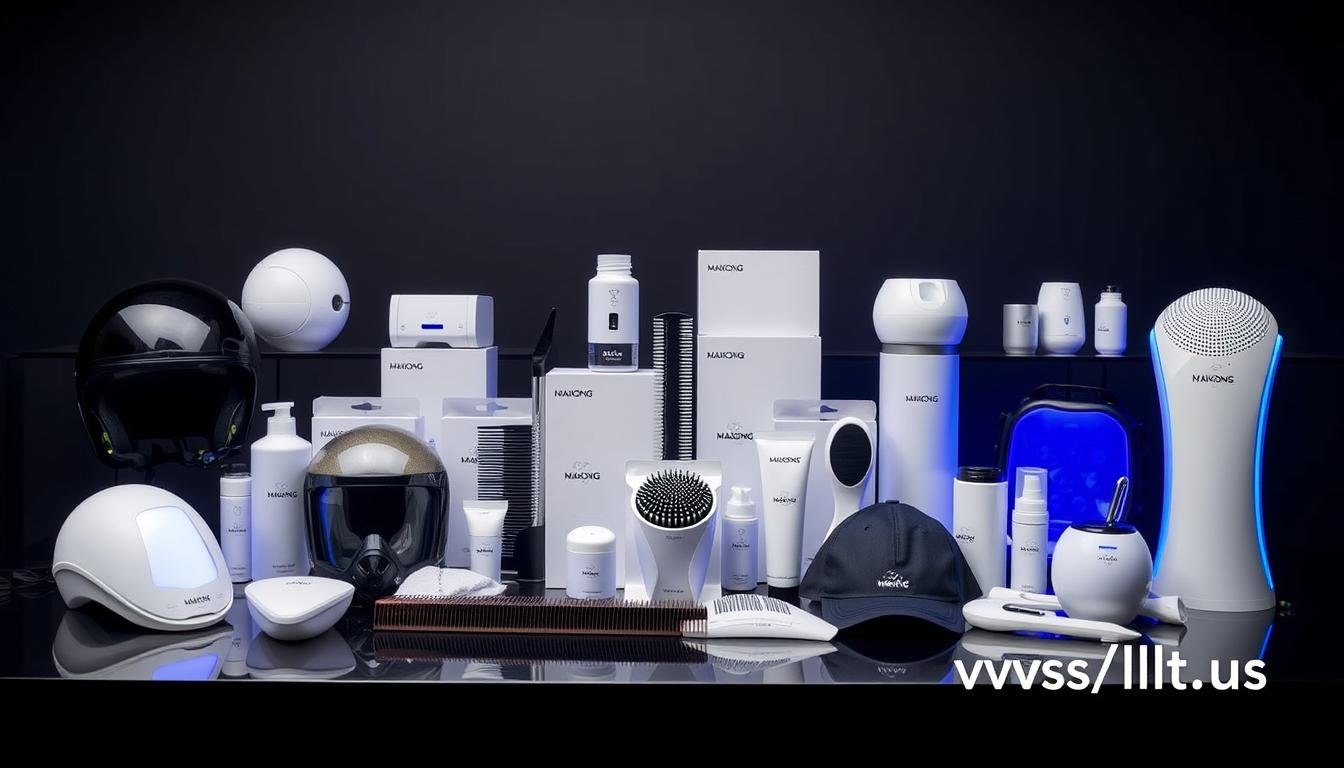
MAIKONG’s comprehensive lineup of LLLT devices for hair regrowth
The MAIKONG LLLT Product Ecosystem
LLLT Helmets

Our flagship LLLT helmets provide full scalp coverage with optimal diode placement for maximum effectiveness. Available in various models to suit different needs and budgets.
LLLT Caps
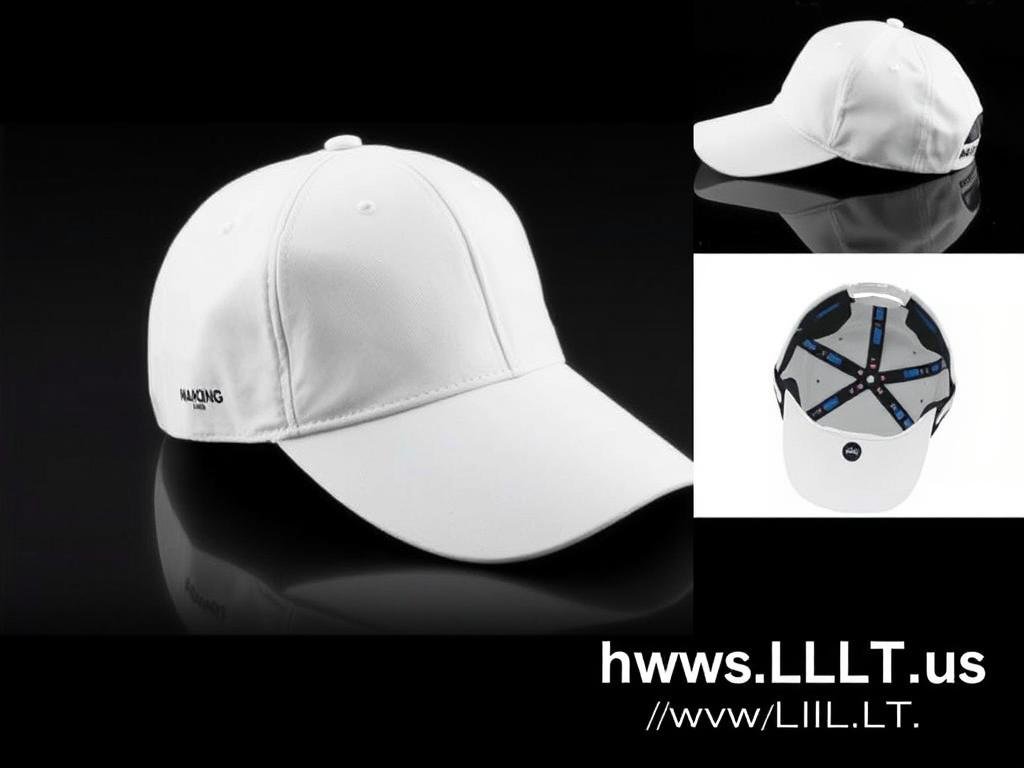
Our discreet LLLT caps combine effective treatment with everyday wearability, perfect for those who want to maintain privacy during treatment sessions.
LLLT Combs
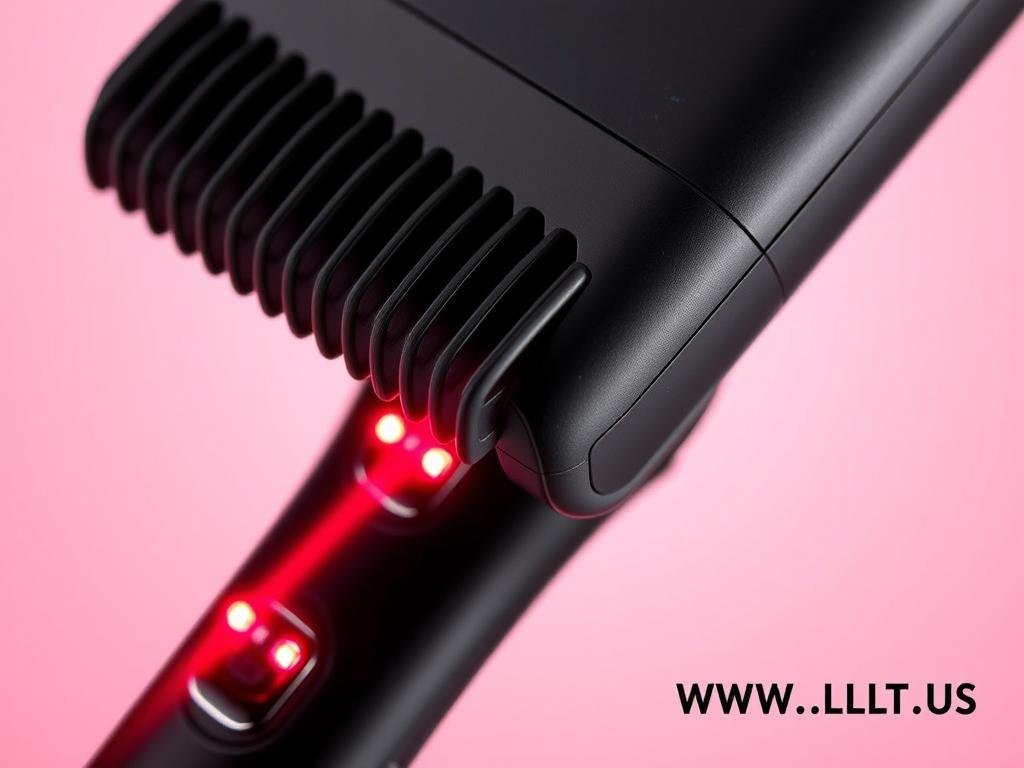
Handheld LLLT combs offer targeted treatment for specific areas and are ideal for travel or supplementing full-coverage devices.
LLLT Home Devices
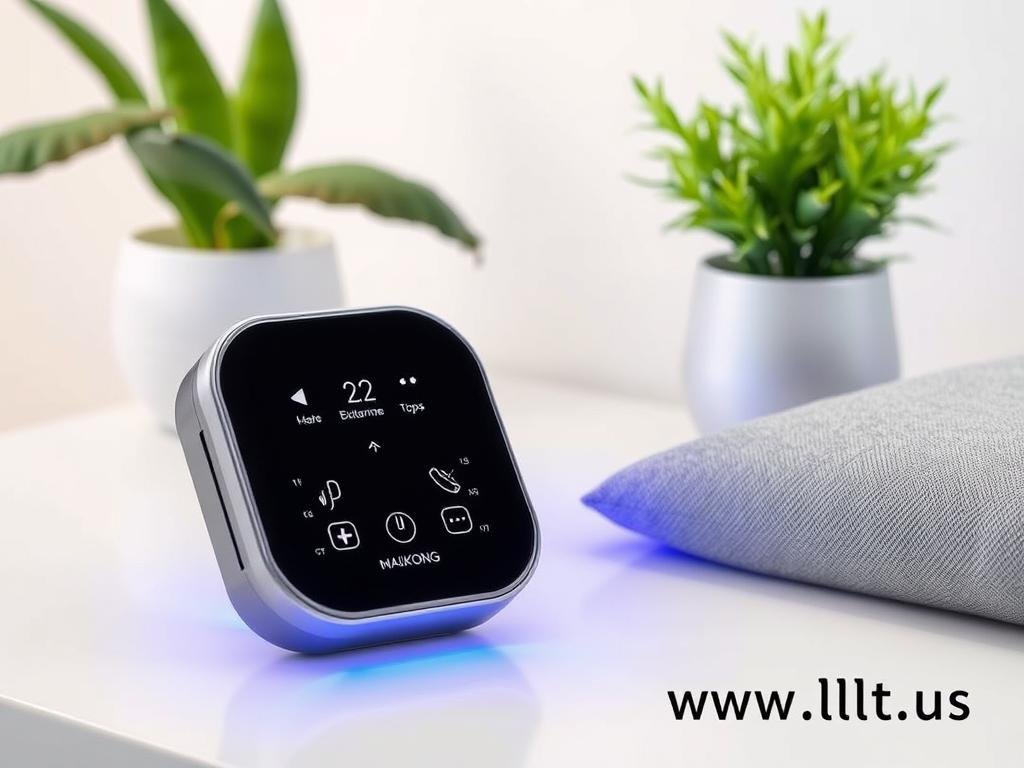
Compact, user-friendly devices designed specifically for convenient home use with simplified controls and maintenance.
LLLT Clothing Devices

Innovative wearable LLLT solutions that integrate seamlessly into clothing for maximum convenience and discretion.
LLLT Masks
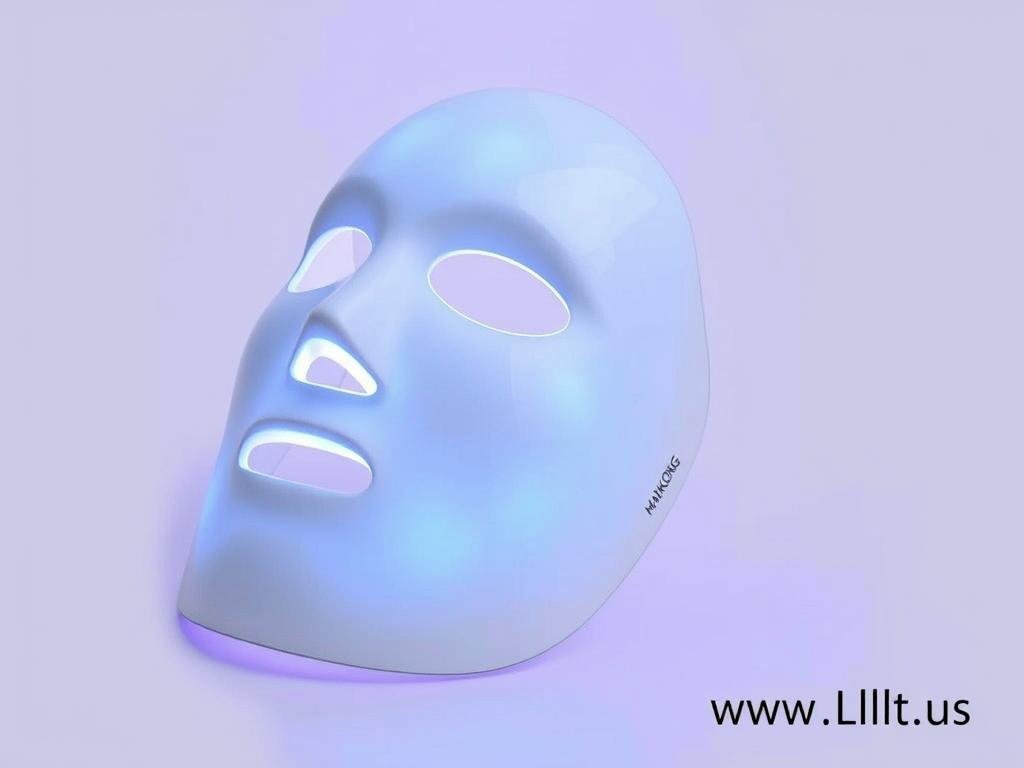
Specialized LLLT masks for facial applications, addressing skin rejuvenation alongside hair growth concerns.
MAIKONG Advantage: Why Choose Our LLLT Devices
- Medical-Grade Components: All devices feature true laser diodes at the optimal 650nm wavelength
- Comprehensive Research: Developed based on extensive clinical studies and ongoing research
- Superior Manufacturing: Rigorous quality control and premium materials
- Innovative Design: Ergonomic, comfortable, and user-friendly
- Exceptional Value: Professional-grade technology at competitive prices
- Comprehensive Support: Detailed user guides and responsive customer service
Become a MAIKONG Distributor in the United States
MAIKONG is actively seeking distribution partners across the United States. As a distributor, you’ll offer premium LLLT devices with exceptional profit margins and comprehensive marketing support. Join us in bringing scientifically-validated hair loss solutions to the growing market of consumers seeking effective, non-pharmaceutical treatments.
Beyond Hair Loss: Other Applications of LLLT Technology
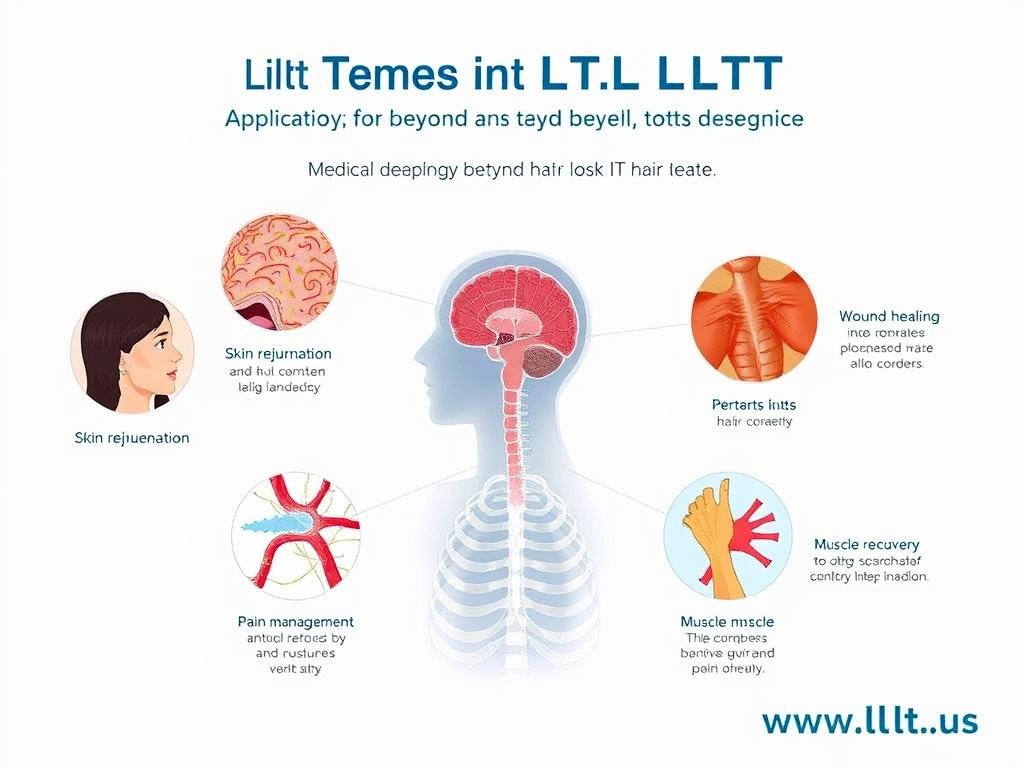
While LLLT helmets are primarily designed for treating hair loss, the underlying technology has numerous other therapeutic applications. The same photobiomodulation principles that stimulate hair follicles can benefit various tissues throughout the body.
Expanded Applications of LLLT
LLLT technology has shown promising results in treating:
- Skin Rejuvenation: Reducing wrinkles and improving skin texture
- Wound Healing: Accelerating tissue repair and reducing scarring
- Pain Management: Alleviating chronic pain and inflammation
- Muscle Recovery: Reducing soreness and speeding recovery after exercise
- Joint Conditions: Improving mobility and reducing pain in arthritis
- Neuropathy: Reducing symptoms of peripheral nerve damage
**Red Light Therapy Bed** Technology
For whole-body applications, **Red Light Therapy Bed** systems provide comprehensive exposure to therapeutic light. These systems, which MAIKONG also manufactures, deliver the benefits of LLLT to larger areas of the body simultaneously.
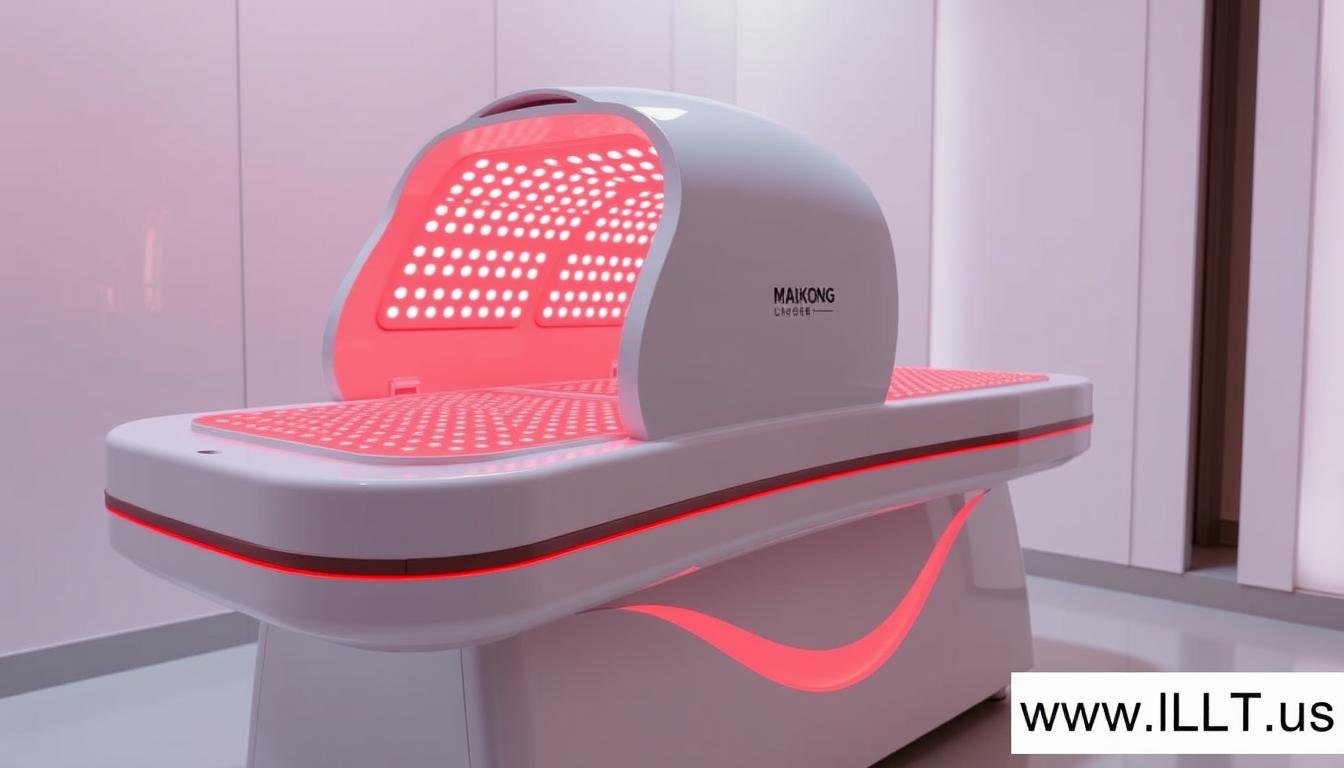
MAIKONG **Red Light Therapy Bed** for comprehensive full-body treatment
The versatility of LLLT technology demonstrates its fundamental impact on cellular function and tissue health. As research continues to advance, we can expect to see even more applications for this safe, non-invasive therapeutic approach.
Frequently Asked Questions About LLLT Helmets
How long does it take to see results from an LLLT helmet?
Most users begin to notice reduced shedding within 4-8 weeks of consistent use. Visible improvements in hair density typically appear around 12-16 weeks, with continued enhancement through 6-12 months of regular treatment. Individual results vary based on the extent of hair loss, underlying causes, and consistency of use.
Are LLLT helmets safe for long-term use?
Yes, LLLT helmets are considered safe for long-term use. Clinical studies have shown no significant adverse effects from extended use, and many users continue treatment for years to maintain results. The non-invasive nature of LLLT makes it suitable for ongoing maintenance therapy without concerns about cumulative side effects.
Can LLLT helmets cause cancer or other health problems?
No, LLLT helmets use non-ionizing radiation that does not damage DNA or increase cancer risk. The wavelengths used (typically 650nm) are specifically chosen to be therapeutic without causing harm to tissues. Numerous safety studies have confirmed that properly manufactured LLLT devices pose no significant health risks when used as directed.
Do LLLT helmets work for all types of hair loss?
LLLT helmets are most effective for androgenetic alopecia (male and female pattern baldness) and certain forms of alopecia areata. They may also help with telogen effluvium (stress-induced shedding). However, they are less effective for scarring alopecias, advanced hair loss with complete follicle death, or hair loss due to severe nutritional deficiencies or medical treatments like chemotherapy.
Can I use an LLLT helmet with other hair loss treatments?
Yes, LLLT helmets can be safely combined with most other hair loss treatments, including minoxidil, finasteride, nutritional supplements, and PRP therapy. In fact, research suggests that combining treatments often produces better results than any single treatment alone. Always consult with a healthcare provider before combining treatments, especially prescription medications.
What’s the difference between LLLT helmets and caps?
The primary difference is design and appearance. LLLT helmets typically have a more rigid structure and may offer more comprehensive coverage of the scalp. LLLT caps are designed to look more like regular baseball caps or hats, providing greater discretion for public use. Both can be equally effective if they contain the same quality and quantity of laser diodes positioned to provide full scalp coverage.
Will I lose my results if I stop using the LLLT helmet?
If you discontinue LLLT treatment, the benefits will gradually diminish over time. Most users find that their hair begins to return to its pre-treatment state within 4-6 months of stopping therapy. To maintain results, a maintenance schedule of 2-3 sessions per week is typically recommended after achieving your desired improvement.
Are LLLT helmets FDA-approved?
Many LLLT helmets are FDA-cleared, which is different from FDA approval. FDA clearance means the device has been determined to be substantially equivalent to another legally marketed device that has demonstrated safety and effectiveness. This regulatory pathway is common for medical devices like LLLT helmets and indicates they meet established safety standards.
Conclusion: The Future of LLLT Helmet Technology
LLLT helmets represent a significant advancement in non-invasive hair loss treatment, offering a scientifically validated approach without the side effects associated with pharmaceutical interventions. As research continues to expand our understanding of photobiomodulation, we can expect further refinements in LLLT technology that will enhance its effectiveness and accessibility.
The future of LLLT helmet technology is likely to include:
- More precise wavelength combinations for enhanced efficacy
- Integration with smart technology for personalized treatment protocols
- Improved design for greater comfort and convenience
- Broader applications beyond androgenetic alopecia
- Combination devices that incorporate multiple treatment modalities
As a leader in LLLT device manufacturing, MAIKONG remains at the forefront of these innovations, continuously refining our products based on the latest scientific research and user feedback. Our commitment to quality, effectiveness, and accessibility drives our mission to provide superior hair loss solutions to patients and practitioners worldwide.
Partner with MAIKONG for Premium LLLT Solutions
Whether you’re a healthcare provider, distributor, or retailer, MAIKONG offers exceptional partnership opportunities in the growing field of LLLT technology. Our cost-effective, high-quality devices deliver the results your clients demand, supported by comprehensive training and marketing materials.