LLLT Therapy Device

What Is LLLT and How Does It Work?

Low-level laser therapy in action, showing the non-thermal light penetrating tissue
LLLT is a medical treatment that uses low-power lasers or light-emitting diodes (LEDs) to stimulate healing, relieve pain, and reduce inflammation. Unlike high-power or “hot” lasers used for cutting tissue in surgery, LLLT devices operate at a much lower power level (typically under 500mW) and don’t generate heat that could damage tissues.
The fundamental mechanism behind LLLT involves photochemical reactions in cells. When specific wavelengths of light penetrate the skin, they’re absorbed by photoreceptors within mitochondria—the cell’s energy-producing centers. This stimulation enhances ATP (adenosine triphosphate) production, increases cellular metabolism, and triggers a cascade of beneficial effects throughout the body.
The Science Behind LLLT Cellular Effects
At the cellular level, LLLT works through several key mechanisms:
- Stimulation of cytochrome c oxidase, a key enzyme in the cellular respiratory chain
- Enhanced production of ATP, providing more energy for cellular functions
- Release of nitric oxide, improving blood flow to tissues
- Modulation of reactive oxygen species, influencing cellular signaling
- Activation of transcription factors that regulate gene expression
These cellular responses collectively lead to accelerated tissue repair, reduced inflammation, and pain relief—all without the side effects commonly associated with pharmaceutical interventions.
LLLT Compared to Traditional Pain Management Approaches

When comparing LLLT to conventional pain management strategies, several key differences emerge in terms of effectiveness, side effects, and long-term outcomes.
LLLT Advantages
- Non-invasive with no known serious side effects
- No risk of dependency or addiction
- Addresses underlying causes rather than just symptoms
- Cumulative benefits with repeated treatments
- No drug interactions or contraindications with most medications
- Can be used alongside other therapies
Traditional Pain Management Limitations
- Medications often cause side effects (GI issues, liver damage)
- Risk of dependency with opioid medications
- Typically masks symptoms without addressing causes
- Diminishing returns with long-term use
- Multiple drug interactions and contraindications
- May limit use of other therapies
Effectiveness Comparison: LLLT vs. Pharmaceuticals
Clinical research has demonstrated that LLLT can be as effective as many pharmaceutical interventions for certain conditions, particularly musculoskeletal pain. A significant advantage of LLLT is its ability to address the underlying causes of pain through cellular stimulation rather than simply blocking pain signals.
For chronic conditions like osteoarthritis, studies have shown that LLLT not only reduces pain but also improves function and quality of life with fewer side effects than long-term NSAID use. Similarly, for neuropathic pain conditions, LLLT offers an alternative to gabapentinoids and other medications that often cause drowsiness and cognitive impairment.
LLLT vs. Physical Therapy and Manual Treatments
| Treatment Aspect | LLLT | Physical Therapy | Chiropractic | Massage Therapy |
| Treatment Duration | 5-15 minutes | 45-60 minutes | 15-30 minutes | 30-90 minutes |
| Active Participation | Minimal | High | Minimal | None |
| Cellular Effects | Significant | Minimal | Minimal | Moderate |
| Pain Relief Speed | Often immediate | Gradual | Often immediate | Immediate but temporary |
| Home Use Options | Available | Limited | None | Limited |
While physical therapy, chiropractic care, and massage therapy all offer valuable benefits for musculoskeletal conditions, LLLT provides unique advantages through its direct cellular effects. Many practitioners now integrate LLLT with these manual therapies to enhance outcomes.
Complementary Approach: Combining LLLT with Physical Modalities
Rather than viewing LLLT as a replacement for physical therapy or manual treatments, many clinicians now use these approaches synergistically. For example, LLLT can reduce pain and inflammation before physical therapy, allowing for more effective exercises and manipulation. This integrated approach often yields superior outcomes compared to either therapy alone.
LLLT as an Alternative to Surgical Interventions
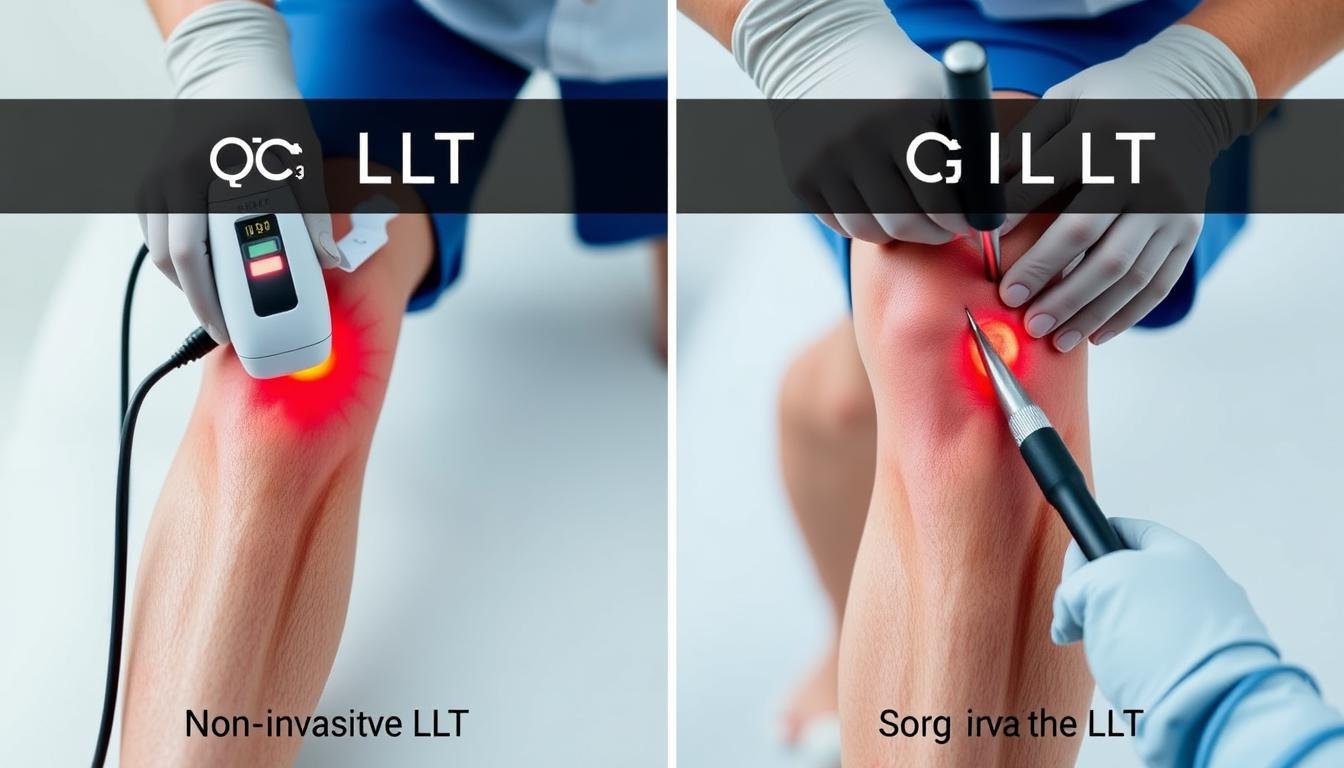
Non-invasive LLLT therapy compared to surgical intervention for joint conditions
For certain conditions traditionally treated with surgery, LLLT may offer a non-invasive alternative or at least a means to delay surgical intervention. This is particularly relevant for degenerative joint conditions, certain tendinopathies, and some forms of back pain.
Clinical studies have shown that LLLT can significantly reduce the need for surgical intervention in conditions like carpal tunnel syndrome, where a series of laser treatments may provide comparable relief to surgical release without the associated risks and recovery time.
While surgery remains necessary for many conditions, LLLT offers a conservative approach that can often delay or even eliminate the need for invasive procedures, particularly when implemented early in the disease process.
Diverse Applications of LLLT Across Medical Fields
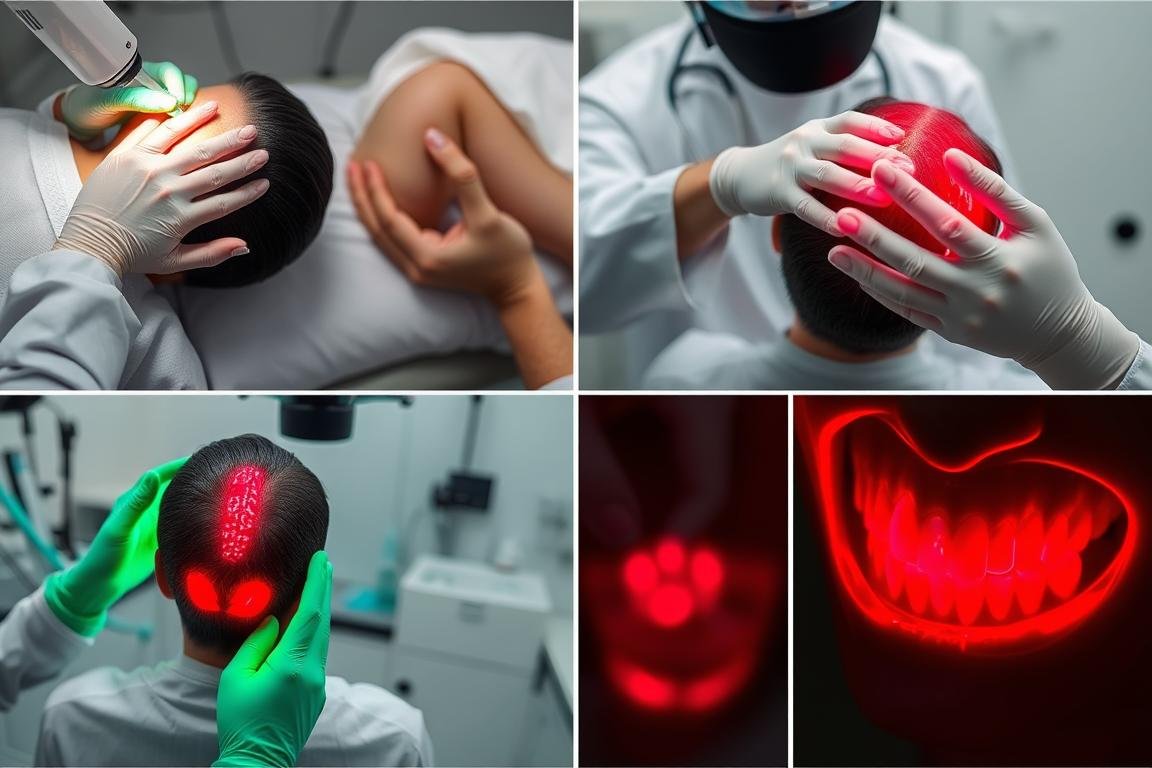
The versatility of LLLT has led to its adoption across numerous medical specialties. Here are some of the most well-established applications:
Pain Management
- Arthritis and joint pain
- Back and neck pain
- Neuropathic pain conditions
- Sports injuries and trauma
- Fibromyalgia
Dermatology & Aesthetics
- Wound healing acceleration
- Scar reduction
- Acne treatment
- Hair restoration
- Skin rejuvenation
Specialized Applications
- Dental pain and healing
- Neurological rehabilitation
- Lymphedema reduction
- Tinnitus management
- Fungal nail infections
Emerging LLLT Applications with Promising Research
Beyond these established uses, research continues to uncover new potential applications for LLLT:
- Cognitive Enhancement: Transcranial LLLT shows promise for improving cognitive function and treating neurodegenerative conditions
- Metabolic Disorders: Early research suggests potential benefits for insulin sensitivity and fat metabolism
- Autoimmune Conditions: Anti-inflammatory effects may help modulate immune responses
- Athletic Performance: Pre-exercise LLLT may enhance muscle performance and reduce fatigue
MAIKONG’s Advanced LLLT Device Portfolio
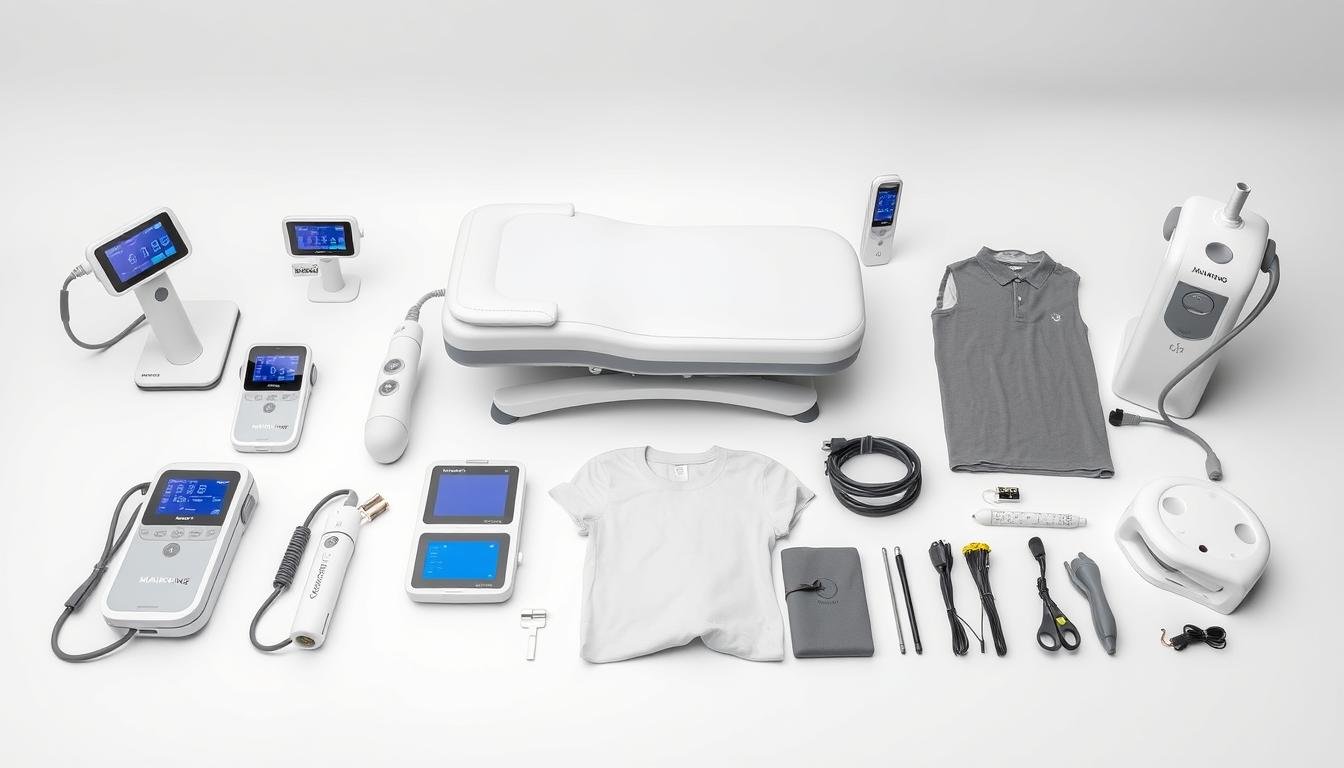
MAIKONG’s comprehensive range of professional and home-use LLLT devices
As a leading manufacturer in the LLLT industry, MAIKONG offers a comprehensive range of devices designed for both professional and home use. Our product line combines cutting-edge technology with user-friendly design to deliver optimal therapeutic outcomes.
Professional Systems
- LLLT Laser Therapy Device: Our flagship professional system with adjustable parameters for clinical settings
- Red Light Therapy Bed: Full-body treatment system for comprehensive therapy
- LLLT Clothing Device: Flexible application system for targeting large treatment areas
Targeted Solutions
- LLLT Helmet: Specialized design for scalp treatment and hair restoration
- LLLT Mask: Facial treatment for skin rejuvenation and acne management
- LLLT Comb: Precision application for scalp conditions and hair growth
Home-Use Options
- LLLT Home Device: Compact, user-friendly system for convenient home therapy
- LLLT Cap: Discreet solution for at-home hair restoration treatments
- Portable LLLT Units: Travel-friendly options for continuous therapy
Discover MAIKONG’s Quality Advantage
Our devices combine precision engineering with competitive pricing, making advanced LLLT technology accessible to more practitioners and patients. All MAIKONG products undergo rigorous quality testing and are designed for optimal therapeutic outcomes.
Wavelength Efficacy: How LLLT Parameters Affect Treatment Outcomes
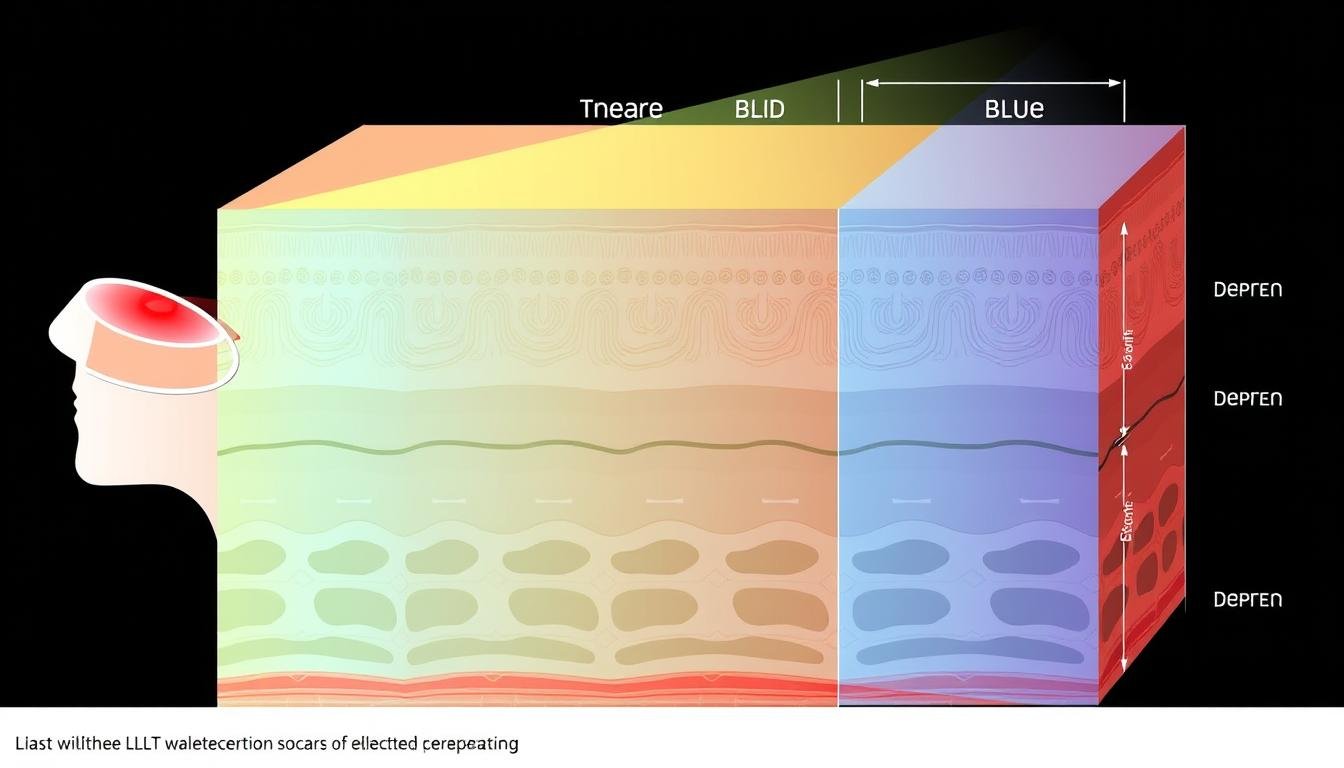
Different wavelengths of light penetrate tissue to varying depths, affecting therapeutic applications
The effectiveness of LLLT depends significantly on the wavelength used, as different light frequencies interact with tissues in distinct ways. Understanding these differences is crucial for selecting the appropriate device for specific conditions.
| Wavelength Range | Penetration Depth | Primary Applications | Cellular Targets |
| Blue (405-450nm) | Superficial (1-2mm) | Acne, surface infections, skin conditions | Porphyrins, superficial cells |
| Red (630-660nm) | Moderate (8-10mm) | Wound healing, skin rejuvenation, hair growth | Cytochrome c oxidase, fibroblasts |
| Near-Infrared (810-850nm) | Deep (30-40mm) | Joint pain, deep tissue inflammation, neuropathy | Cytochrome c oxidase, deeper tissues |
| Infrared (900-1100nm) | Deepest (up to 50mm) | Deep joint conditions, spinal issues, large muscle groups | Water molecules, deep tissue structures |
MAIKONG’s Multi-Wavelength LLLT Technology
MAIKONG devices incorporate optimal wavelength combinations based on therapeutic applications. Our professional systems offer adjustable wavelength settings to target specific conditions, while our specialized devices utilize precisely calibrated wavelengths for their intended applications.
Expert Insight: For maximum therapeutic benefit, many conditions respond best to combination wavelength therapy. MAIKONG’s advanced systems can deliver multiple wavelengths simultaneously, enhancing treatment outcomes compared to single-wavelength devices.
Safety Profile: LLLT vs. Conventional Treatments

One of the most significant advantages of LLLT is its exceptional safety profile compared to conventional medical interventions. This makes it particularly valuable for patients who cannot tolerate pharmaceutical side effects or are poor surgical candidates.
LLLT Safety Profile
- Non-invasive with no tissue damage
- No serious adverse effects reported in clinical literature
- Suitable for patients of all ages
- Compatible with most medications
- No cumulative toxicity with repeated treatments
Minimal Precautions
While LLLT is remarkably safe, a few minor precautions should be observed:
- Eye protection should be worn during facial treatments
- Direct application over cancerous tissues is not recommended
- Caution is advised during pregnancy due to limited research
- Photosensitizing medications may require adjusted treatment parameters
These precautions are primarily precautionary, as adverse events from properly administered LLLT are extremely rare. This contrasts sharply with the extensive contraindications and potential complications associated with many pharmaceuticals and surgical interventions.
MAIKONG Safety Standards: All MAIKONG devices incorporate multiple safety features, including automatic shutoff protection, treatment timers, and appropriate power limitations to ensure safe application in both clinical and home settings.
Cost-Effectiveness Analysis: LLLT as a Long-Term Solution
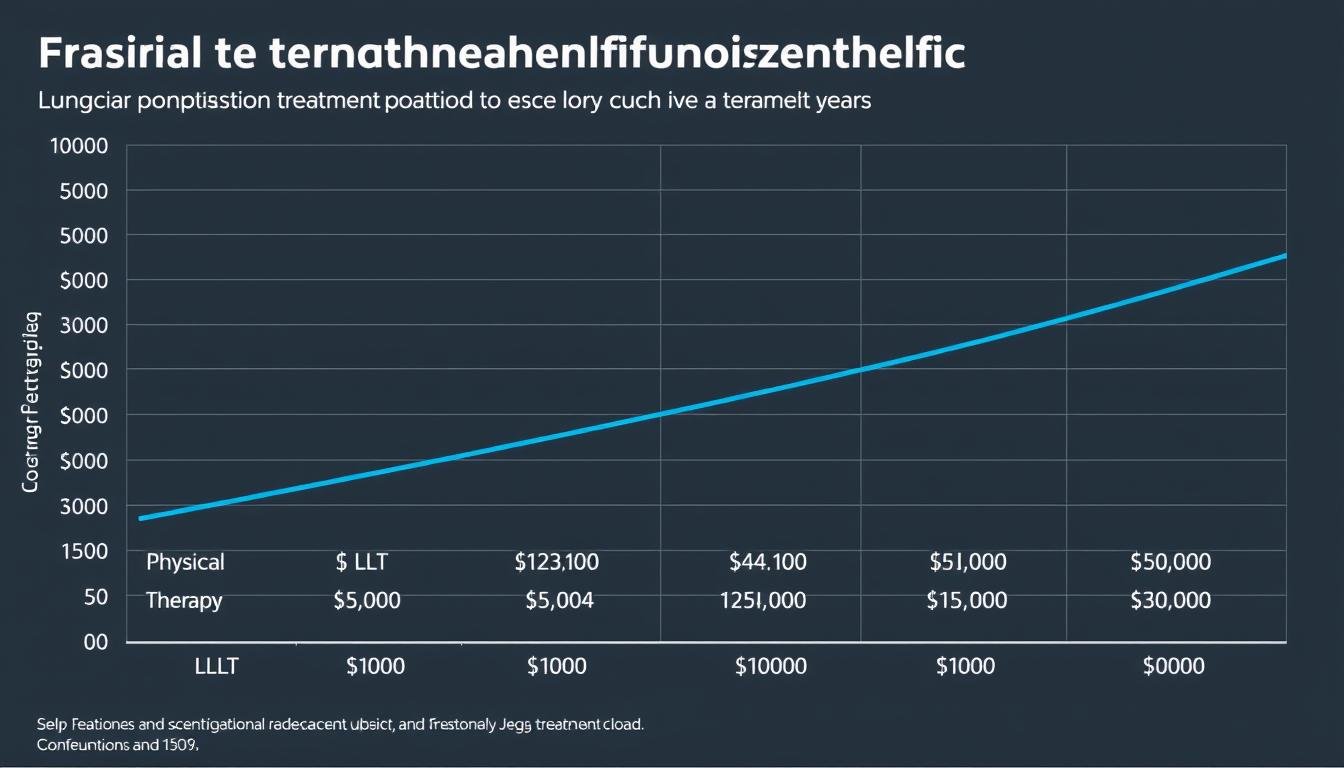
Long-term cost comparison between LLLT and conventional treatment approaches
When evaluating treatment options, cost-effectiveness becomes an important consideration, especially for chronic conditions requiring ongoing management. LLLT offers compelling economic advantages when viewed from a long-term perspective.
Initial Investment vs. Cumulative Savings
While the initial investment in LLLT equipment may be higher than beginning a medication regimen, the long-term economics strongly favor laser therapy:
| Treatment Approach | Initial Cost | Monthly Ongoing Cost | 5-Year Total Cost | Additional Considerations |
| Prescription Medications | $50-200 | $50-300 | $3,050-18,200 | Side effect management, potential for additional medications |
| Physical Therapy | $100-250 | $400-800 | $24,100-48,250 | Transportation costs, time commitment |
| Surgical Intervention | $5,000-50,000 | $50-200 | $8,000-62,000 | Recovery time, potential complications, revision surgeries |
| Professional LLLT Sessions | $75-150 | $150-300 | $9,075-18,150 | No side effects, no downtime |
| Home LLLT Device | $500-2,500 | $0 | $500-2,500 | Unlimited treatments, multiple users, multiple conditions |
For chronic conditions requiring ongoing management, the economics of home LLLT devices become particularly compelling. A single MAIKONG device can be used to treat multiple conditions and multiple users, further enhancing its value proposition.
Home LLLT Devices vs. Professional Treatments
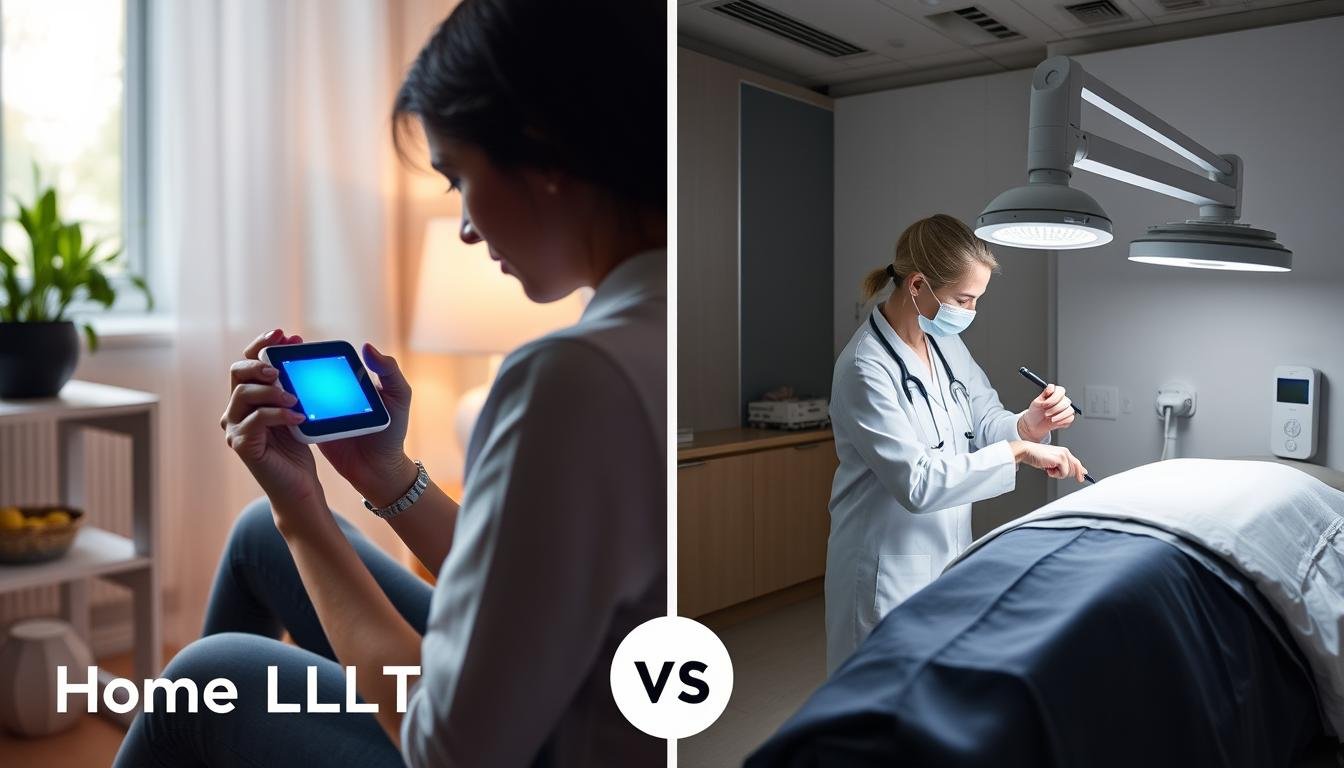
The growing availability of home LLLT devices raises questions about their efficacy compared to professional treatments. Understanding the differences helps in making informed decisions about which approach is most appropriate for specific needs.
Professional LLLT Advantages
- Higher power output for deeper penetration
- Adjustable parameters for customized treatment
- Professional assessment and protocol development
- Combination with other therapeutic modalities
- Optimal positioning and application technique
Home LLLT Advantages
- Convenience of daily treatments
- Cost-effective for long-term conditions
- Privacy for sensitive treatment areas
- No appointment scheduling required
- Treatment consistency and compliance
MAIKONG’s Approach to Home and Professional LLLT
MAIKONG offers both professional-grade systems and home-use devices, recognizing that optimal outcomes often involve a combination of approaches. Our home devices are designed with safety and efficacy in mind, incorporating many features of our professional systems while remaining user-friendly.
For many conditions, the ideal approach combines initial professional assessment and treatment with ongoing home therapy for maintenance. This hybrid model maximizes therapeutic outcomes while optimizing cost-effectiveness.

MAIKONG’s home LLLT devices are designed for easy and effective self-treatment
US Distribution Opportunities for MAIKONG LLLT Devices
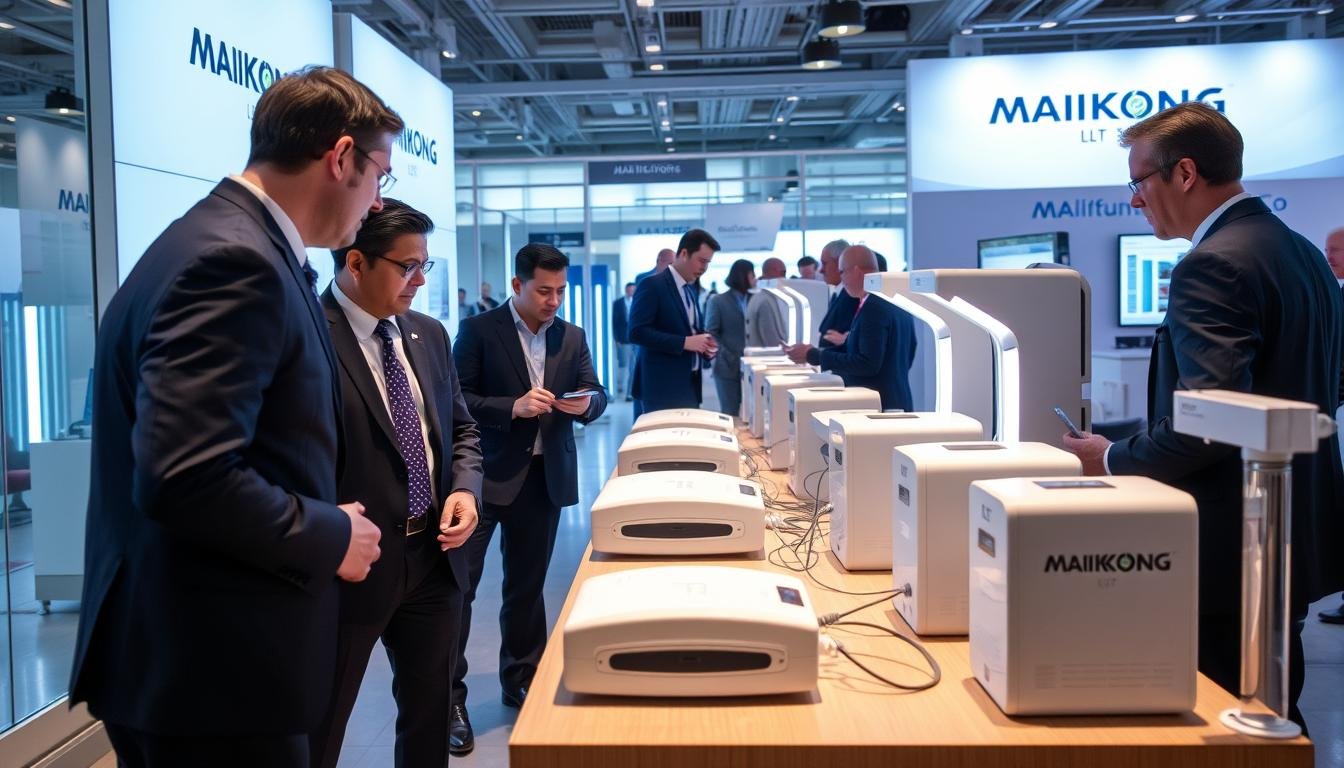
MAIKONG is actively expanding its presence in the US market through strategic partnerships with qualified distributors. Our competitive pricing, comprehensive product range, and commitment to quality make MAIKONG an ideal partner for businesses looking to enter the growing LLLT market.
Why Partner with MAIKONG?
Product Excellence
- Comprehensive device range covering all major applications
- Optimal wavelength combinations for maximum efficacy
- Durable construction and reliable performance
- User-friendly interfaces for both professionals and home users
Business Advantages
- Competitive pricing enabling attractive margins
- Exclusive territorial rights for qualified partners
- Marketing support and educational materials
- Responsive technical support and warranty service
Market Opportunity
- Rapidly growing demand for non-pharmaceutical solutions
- Increasing acceptance of LLLT in mainstream healthcare
- Expanding applications across medical specialties
- Rising consumer interest in home health technologies
Become a MAIKONG Distributor
Join our network of successful partners bringing advanced LLLT technology to the US market. Contact our distribution team today to discuss partnership opportunities and territory availability.
Contact us via WhatsApp or email at Lucy@lllt.us
Conclusion: The Future of LLLT in Modern Healthcare
As healthcare continues to evolve toward more personalized, non-invasive approaches, LLLT stands at the forefront of this transformation. Its unique combination of effectiveness, safety, and versatility positions it as an increasingly important therapeutic option across medical specialties.
The growing body of clinical research supporting LLLT‘s efficacy, coupled with technological advancements in device design, suggests that its adoption will continue to accelerate in coming years. For patients seeking alternatives to conventional treatments and practitioners looking to expand their therapeutic toolbox, LLLT offers compelling advantages.
MAIKONG remains committed to advancing LLLT technology through ongoing research, product innovation, and educational initiatives. By making high-quality devices accessible to more practitioners and patients, we aim to help realize the full potential of this remarkable therapeutic approach.
Experience the MAIKONG Difference
Whether you’re a healthcare provider looking to incorporate LLLT into your practice, a potential distributor exploring business opportunities, or an individual interested in home therapy options, MAIKONG offers solutions tailored to your needs.
Email: Lucy@lllt.us | Phone/WhatsApp: +86 13-51090-74-01
Copy©2025