Low-Level Laser Therapy (LLLT) has emerged as a revolutionary approach to pain management, tissue repair, and various therapeutic applications. As the technology becomes more accessible for both clinical and home use, understanding proper safety protocols for LLLT laser devices is essential. This comprehensive guide explores the safety standards, regulatory requirements, and best practices to ensure optimal results while minimizing risks when using LLLT laser technology.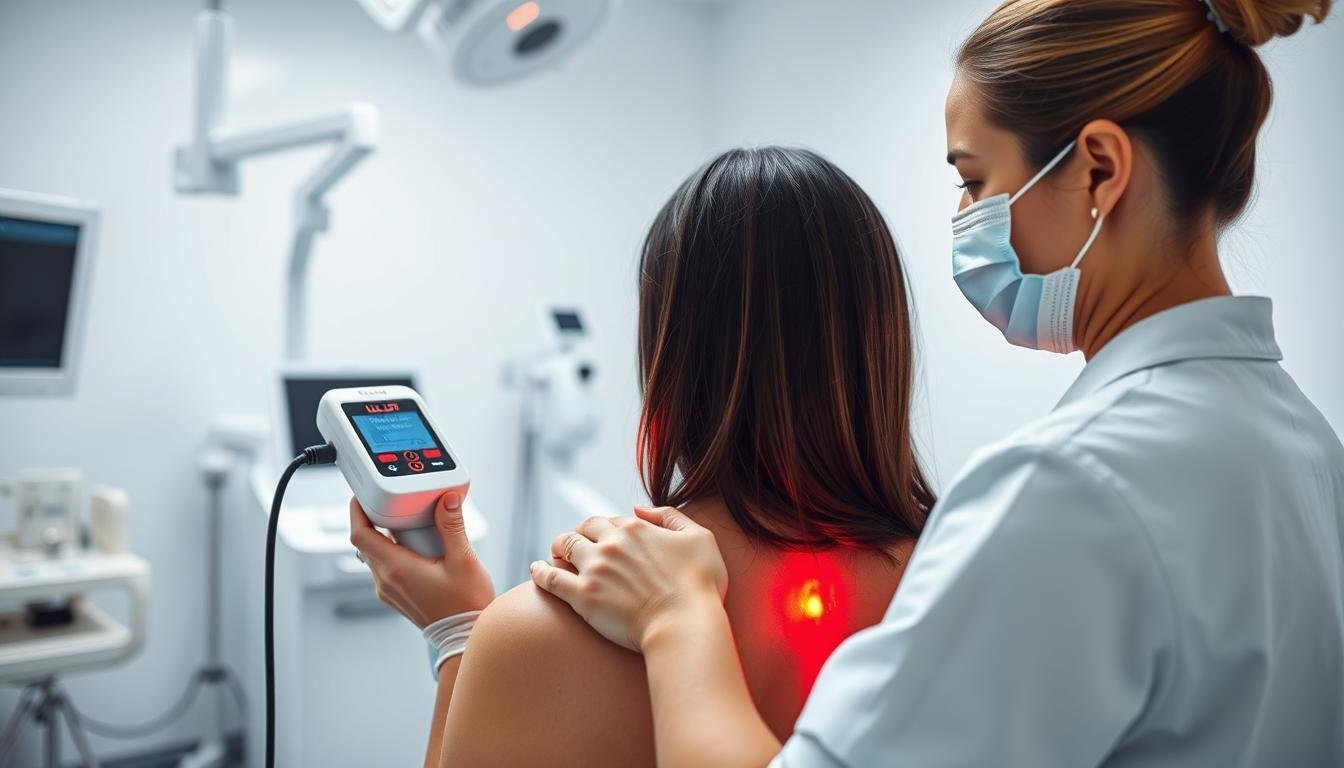
What Is LLLT Laser Therapy and How Does It Work?
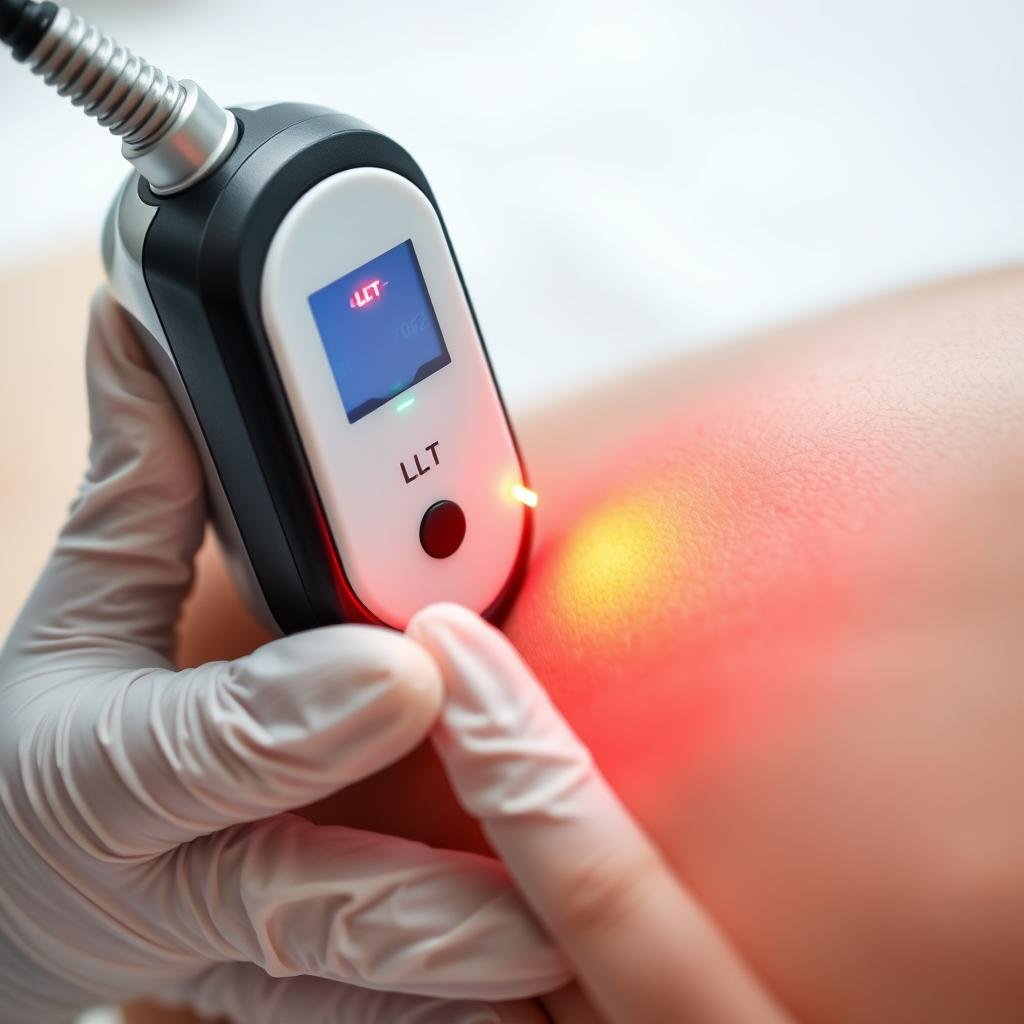
Low-Level Laser Therapy, also known as cold laser therapy or photobiomodulation, involves applying low-power lasers to the skin, allowing photons to penetrate tissue and interact with cells. Unlike high-power lasers used for cutting or ablation, LLLT laser devices operate at power levels below 500mW and are classified by the FDA as Class II, Class IIIR, or Class IIIB lasers.
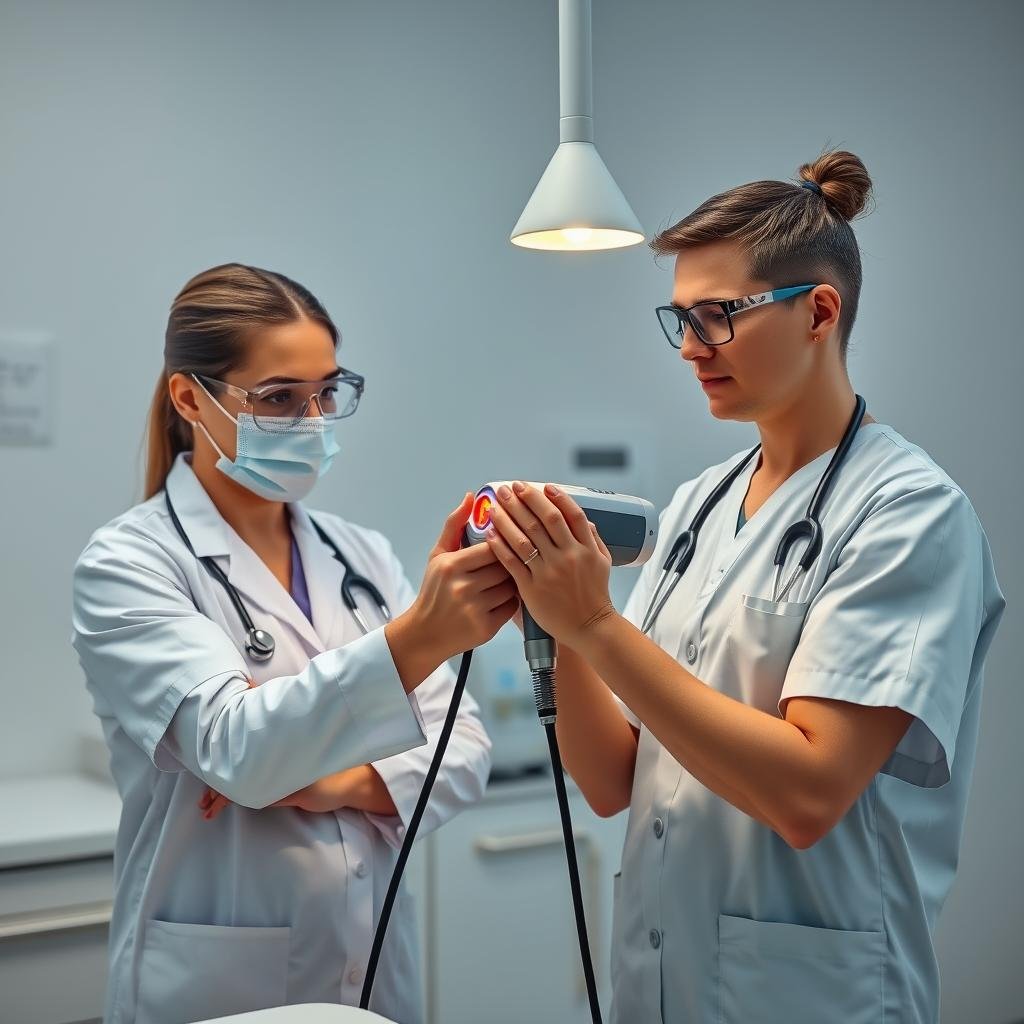
Professional application of LLLT laser therapy in a clinical setting
The therapeutic effects of LLLT laser therapy occur through photochemical reactions rather than thermal effects. When cells absorb specific wavelengths of light, it stimulates mitochondrial activity, increasing adenosine triphosphate (ATP) production. This enhanced cellular energy promotes healing, reduces inflammation, and alleviates pain through various biochemical pathways.
LLLT Laser Safety Classifications and Regulatory Standards
Understanding laser classification is crucial for ensuring safe operation of LLLT laser devices. The International Electrotechnical Commission (IEC) and the Food and Drug Administration (FDA) have established classification systems based on potential hazards.
| Laser Class |
Power Output |
Risk Level |
Safety Requirements |
| Class I |
<0.4mW |
Very Low |
Inherently safe; no special precautions needed |
| Class II |
0.4-1mW |
Low |
Eye protection through blink reflex; caution advised |
| Class IIIR |
1-5mW |
Moderate |
Direct viewing hazardous; protective eyewear recommended |
| Class IIIB |
5-500mW |
Moderate-High |
Direct and diffuse viewing hazardous; protective eyewear required |
| Class IV |
>500mW |
High |
Fire hazard; eye and skin protection mandatory; not typically used for LLLT |
Most therapeutic LLLT laser devices fall into Class II, IIIR, or IIIB categories. MAIKONG ensures all its devices comply with international safety standards and are appropriately classified to provide optimal therapeutic benefits while maintaining safety.
Potential Risks and Safety Concerns with LLLT Laser Devices
While LLLT laser therapy is generally considered safe when properly administered, understanding potential risks is essential for safe practice. The primary concerns include:
Eye Safety
Direct exposure of eyes to laser radiation can cause damage to the retina. Even low-power lasers can be harmful with prolonged direct exposure. Always use appropriate protective eyewear specifically designed for the wavelength of the LLLT laser being used.
Skin Considerations
Though skin damage is rare with proper LLLT laser devices, incorrect application or use of higher-power devices can cause temporary redness, warmth, or in rare cases, minor burns. Follow manufacturer guidelines for treatment duration and intensity.
Important Safety Warning
Never use LLLT laser devices near the eyes without appropriate protective eyewear. Even brief exposure to direct or reflected laser light can potentially cause eye damage. MAIKONG provides appropriate protective eyewear with all professional-grade devices.
Essential Safety Features in Quality LLLT Laser Devices
High-quality LLLT laser devices incorporate several safety features to minimize risks during operation. When selecting a device, ensure it includes these critical safety elements:
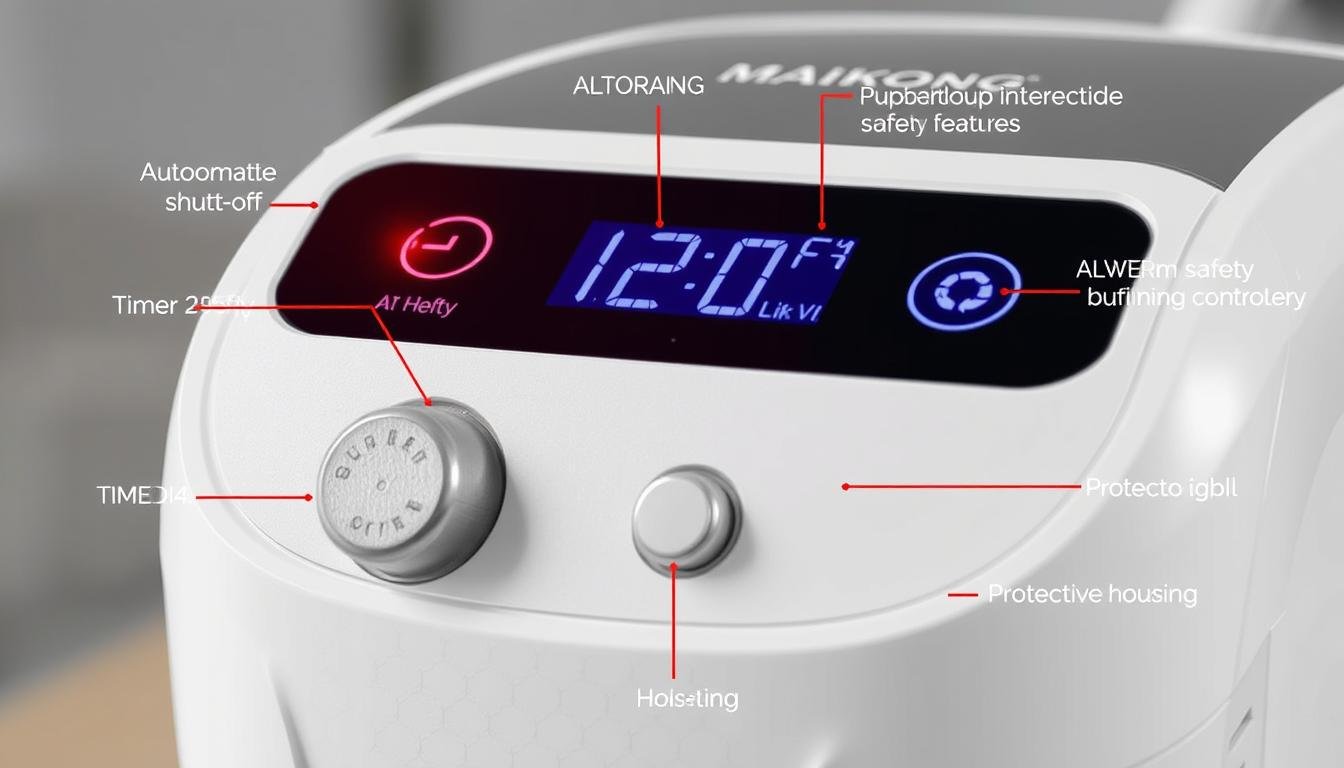
MAIKONG LLLT laser device with comprehensive safety features
- Automatic shutoff mechanisms that prevent overexposure by limiting treatment duration
- Power control systems that maintain consistent output within safe parameters
- Protective housings that prevent accidental exposure to laser components
- Clear labeling with laser classification, wavelength, and power output information
- Beam shutters that block laser emission when not in active use
- Key-controlled operation (for professional devices) to prevent unauthorized use
- Emergency stop buttons for immediate shutdown if necessary
MAIKONG incorporates these essential safety features across its entire range of LLLT laser devices, from professional clinical systems to home-use products, ensuring maximum safety without compromising therapeutic effectiveness.
Professional Safety Guidelines for Clinical LLLT Laser Applications
Healthcare professionals using LLLT laser devices in clinical settings should adhere to these comprehensive safety protocols:
Training Requirements
All operators should complete comprehensive training on device operation, safety protocols, and therapeutic applications. MAIKONG offers detailed training resources and certification programs for clinical users.
Treatment Environment
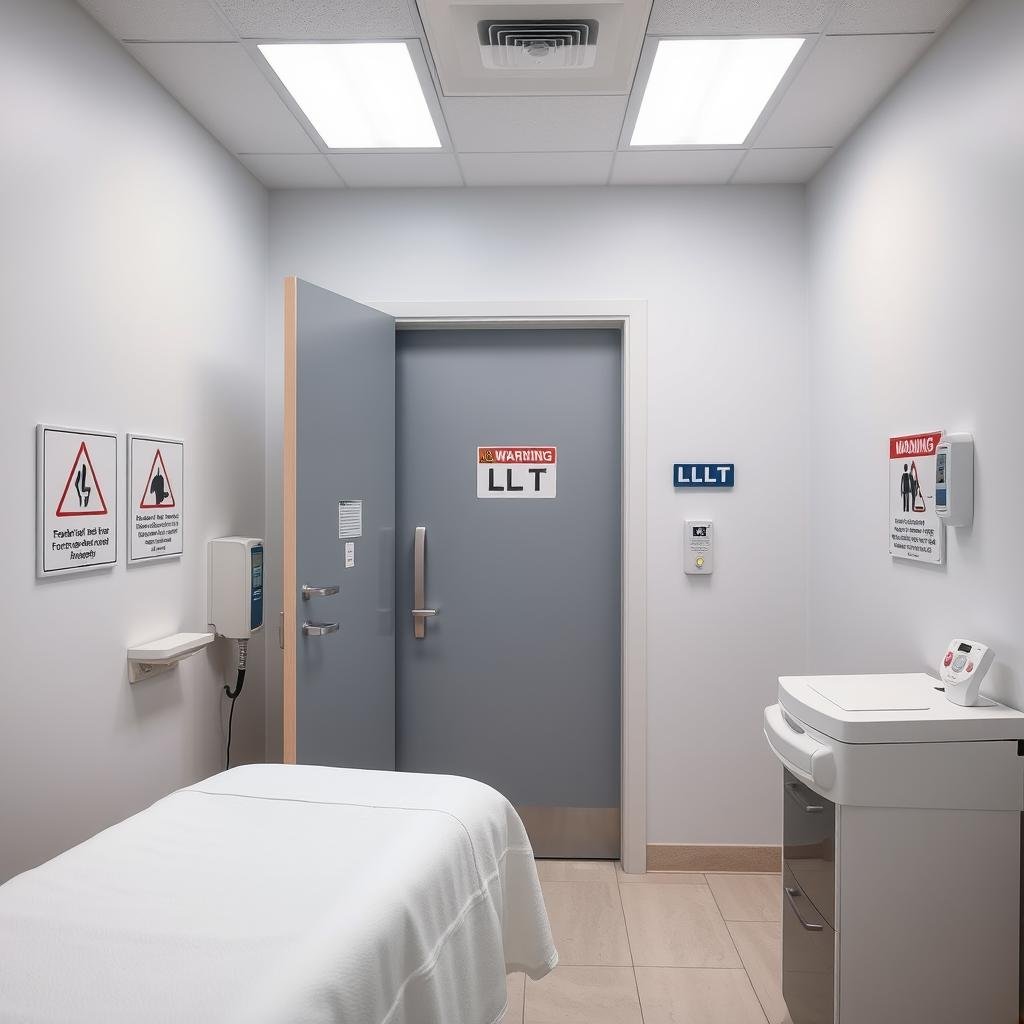
Designate specific treatment areas with controlled access, appropriate warning signs, and non-reflective surfaces. Minimize reflective objects that could redirect laser beams unpredictably.
Documentation Practices
Maintain detailed records of device maintenance, safety checks, and all treatment parameters including wavelength, power, duration, and patient response to ensure consistent safety compliance.
“Proper training and adherence to safety protocols are as important as the quality of the LLLT laser device itself. When both are prioritized, therapeutic outcomes are optimized while risks are minimized.”
– American Medical Laser Safety Association
Safety Guidelines for Home-Use LLLT Laser Devices
The growing availability of consumer LLLT laser devices requires specific safety considerations for non-professional users:

Safe application of a MAIKONG home LLLT laser device
Safe Home Use Practices
- Read and follow all manufacturer instructions completely
- Use protective eyewear provided with the device
- Store devices securely away from children
- Follow recommended treatment durations precisely
- Use in well-lit environments to maintain proper visibility
- Consult healthcare providers before beginning treatment
Home Use Risk Factors
- Exceeding recommended treatment durations
- Using devices without proper protective eyewear
- Applying to inappropriate treatment areas
- Using devices with damaged housing or components
- Allowing untrained individuals to operate devices
- Ignoring contraindications for specific conditions
MAIKONG’s home-use LLLT laser devices are designed with additional safety features including simplified controls, automatic timing functions, and comprehensive user guides to ensure safe and effective treatment even for first-time users.
Wavelength-Specific Safety Considerations for LLLT Laser Therapy
Different wavelengths used in LLLT laser therapy present unique safety considerations and therapeutic applications:
| Wavelength Range |
Common Applications |
Penetration Depth |
Specific Safety Considerations |
| Red (630-660nm) |
Skin conditions, wound healing, hair growth |
Superficial (2-3mm) |
Lower risk; avoid direct eye exposure; suitable for home devices with proper precautions |
| Near-Infrared (810-850nm) |
Deep tissue healing, joint pain, inflammation |
Moderate (5-10mm) |
Moderate risk; invisible beam requires additional caution; specialized eye protection essential |
| Infrared (904-1064nm) |
Deep musculoskeletal conditions, nerve regeneration |
Deep (30-50mm) |
Higher risk; completely invisible beam; professional-grade protective eyewear mandatory; typically for clinical use only |
MAIKONG Wavelength Safety
MAIKONG’s LLLT laser devices utilize optimal therapeutic wavelengths while incorporating wavelength-specific safety features. Each device includes appropriate protective eyewear calibrated for the specific wavelength used, ensuring maximum protection during treatment.
Regulatory Compliance and LLLT Laser Device Certification
Understanding the regulatory landscape for LLLT laser devices is essential for both manufacturers and users:
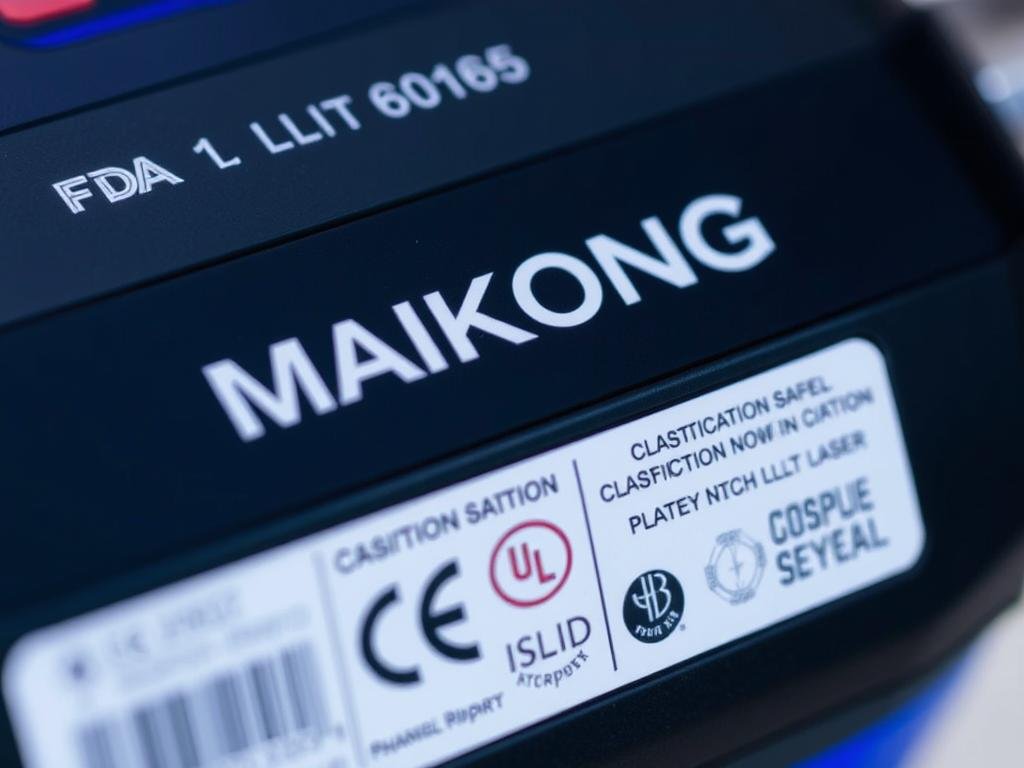
MAIKONG LLLT laser device displaying key regulatory certifications
FDA Requirements (USA)
- 510(k) clearance for medical devices
- Proper laser classification labeling
- Performance standards compliance
- Quality System Regulation adherence
- Adverse event reporting systems
CE Marking (Europe)
- Conformity with EU health standards
- Technical documentation requirements
- Risk assessment documentation
- EN 60825-1 laser safety compliance
- Post-market surveillance systems
International Standards
- ISO 13485 medical device quality
- IEC 60601-1 electrical safety
- IEC 60601-2-22 laser equipment safety
- IEC 60825-1 laser product classification
- Country-specific registration requirements
MAIKONG maintains rigorous compliance with all applicable regulatory standards across global markets. Our LLLT laser devices undergo comprehensive testing and certification processes to ensure they meet or exceed safety requirements in all regions where they are distributed.
Maintenance and Inspection Protocols for LLLT Laser Devices
Regular maintenance is crucial for ensuring continued safe operation of LLLT laser devices:
- Daily visual inspections – Check for damaged housings, frayed cords, or loose components before each use
- Power output verification – Use calibrated power meters to verify laser output remains within specifications
- Optical component cleaning – Clean lenses and output windows according to manufacturer guidelines to prevent beam distortion
- Cooling system maintenance – Ensure cooling systems function properly to prevent overheating
- Software updates – Install manufacturer-provided updates that may include safety enhancements
- Annual professional servicing – Schedule comprehensive maintenance by qualified technicians
- Documentation – Maintain detailed records of all maintenance activities and inspections
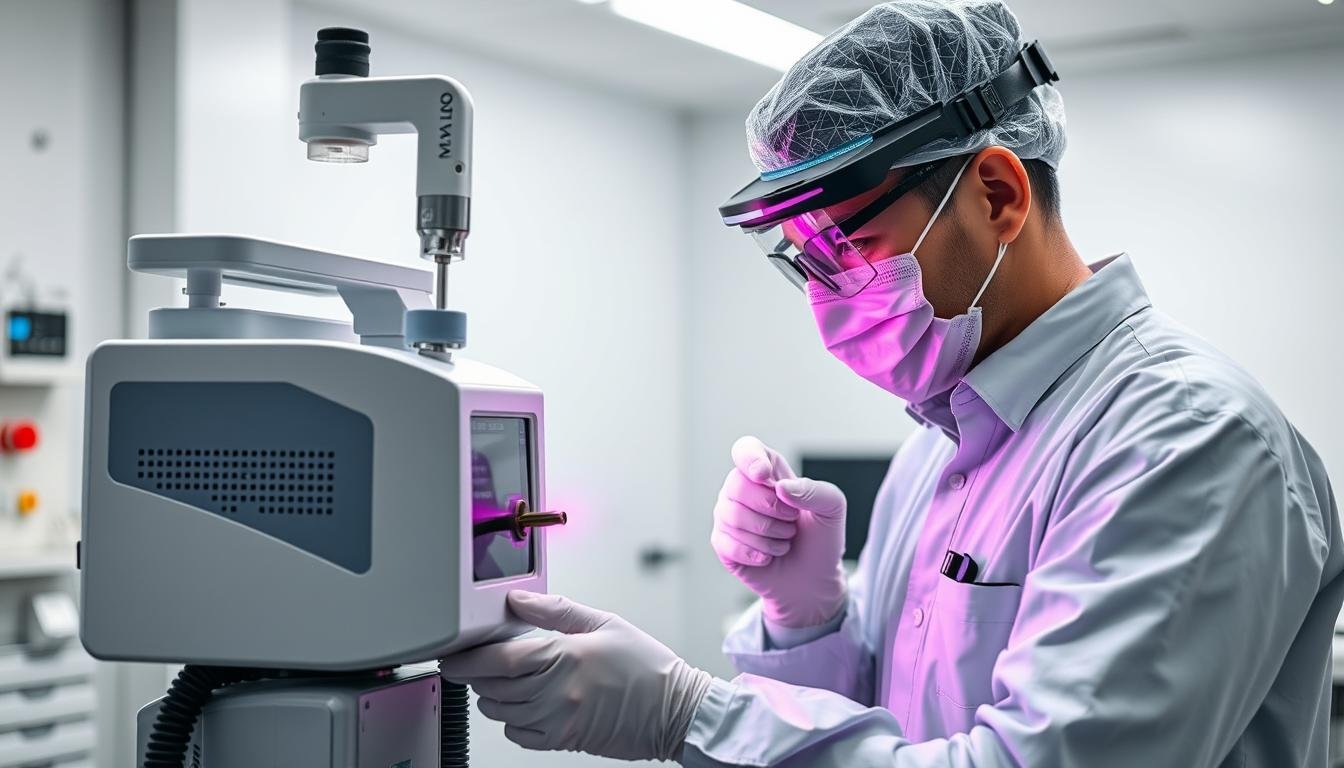
Professional maintenance of MAIKONG LLLT laser equipment ensures continued safe operation
MAIKONG provides comprehensive maintenance guidelines with all devices and offers professional maintenance services to ensure optimal performance and safety throughout the device lifecycle.
MAIKONG: Leading the Way in Safe LLLT Laser Technology
MAIKONG has established itself as an industry leader in developing safe, effective LLLT laser devices for both professional and home use. Our comprehensive product line includes:
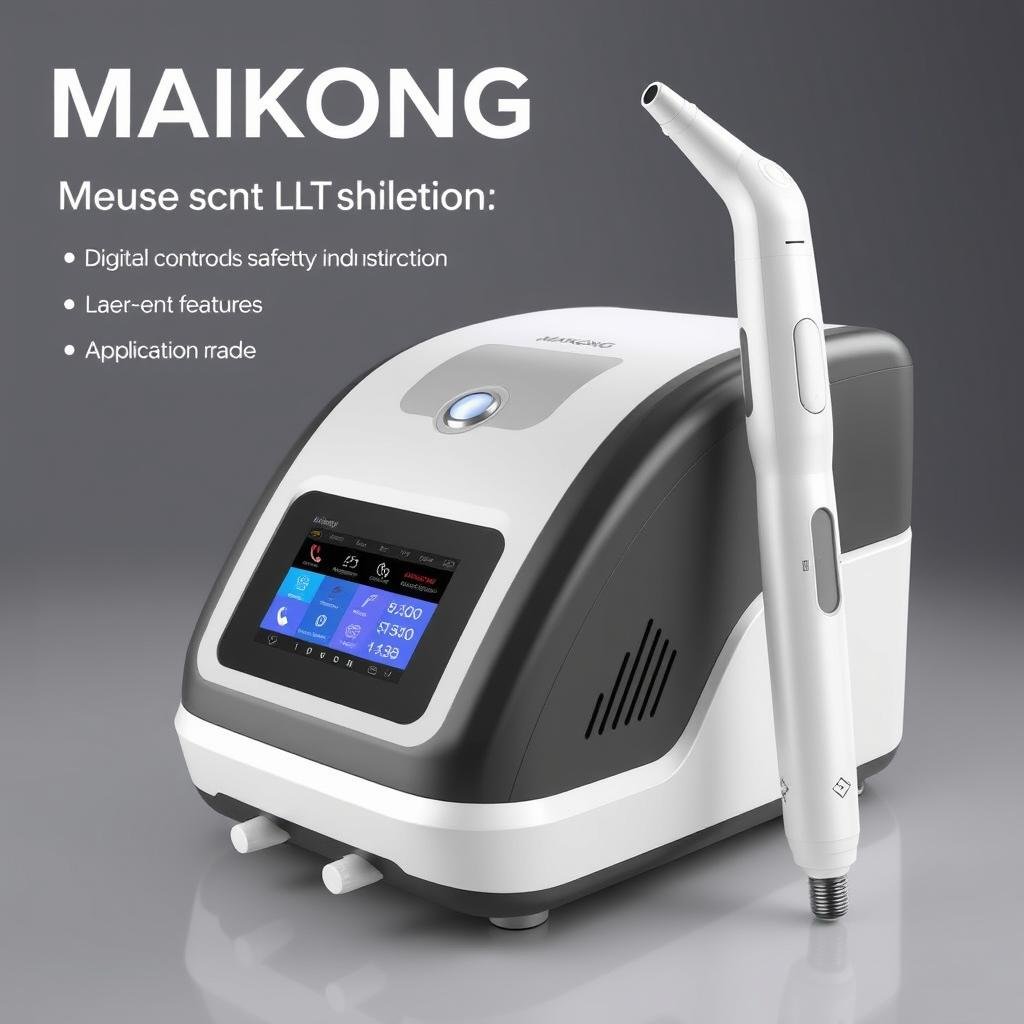 Professional LLLT Laser System
 Red Light Therapy Bed
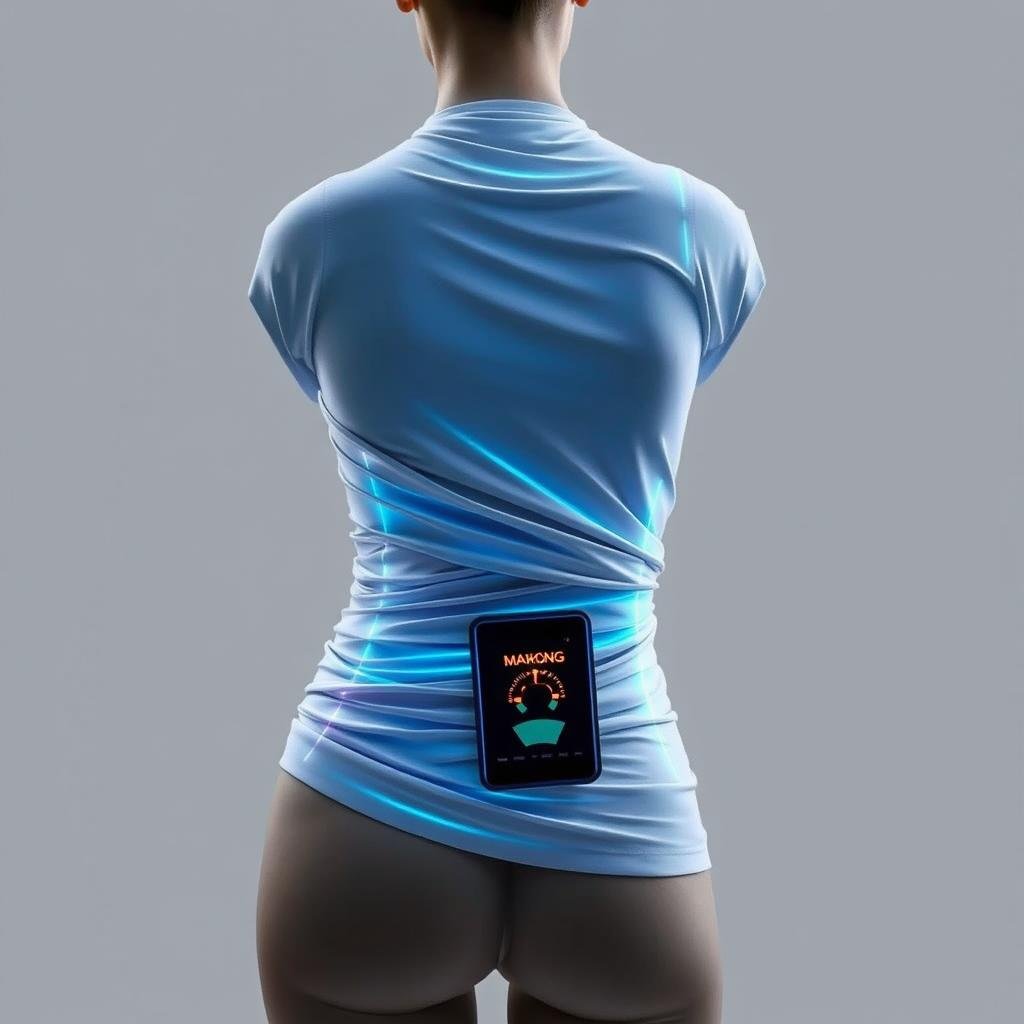 LLLT Laser Clothing Device
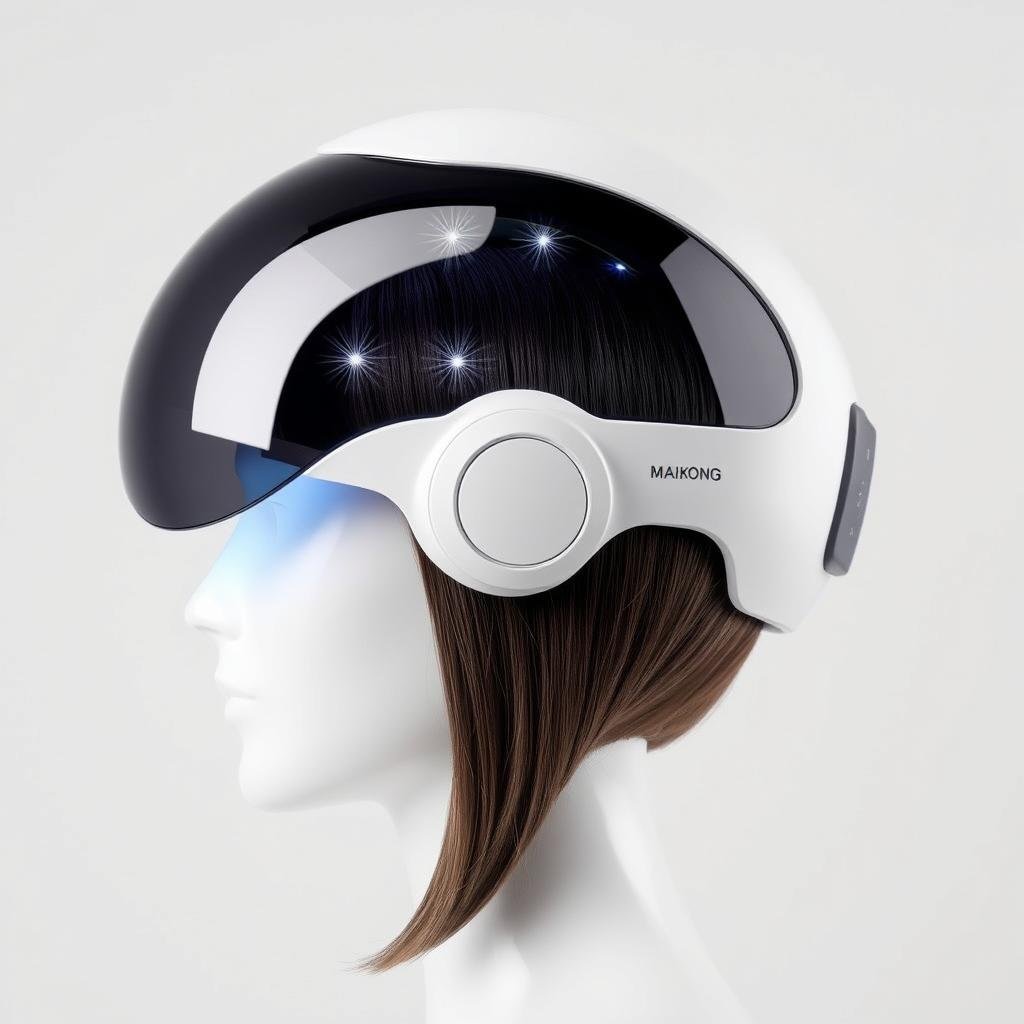 LLLT Laser Helmet
 LLLT Laser Home Device
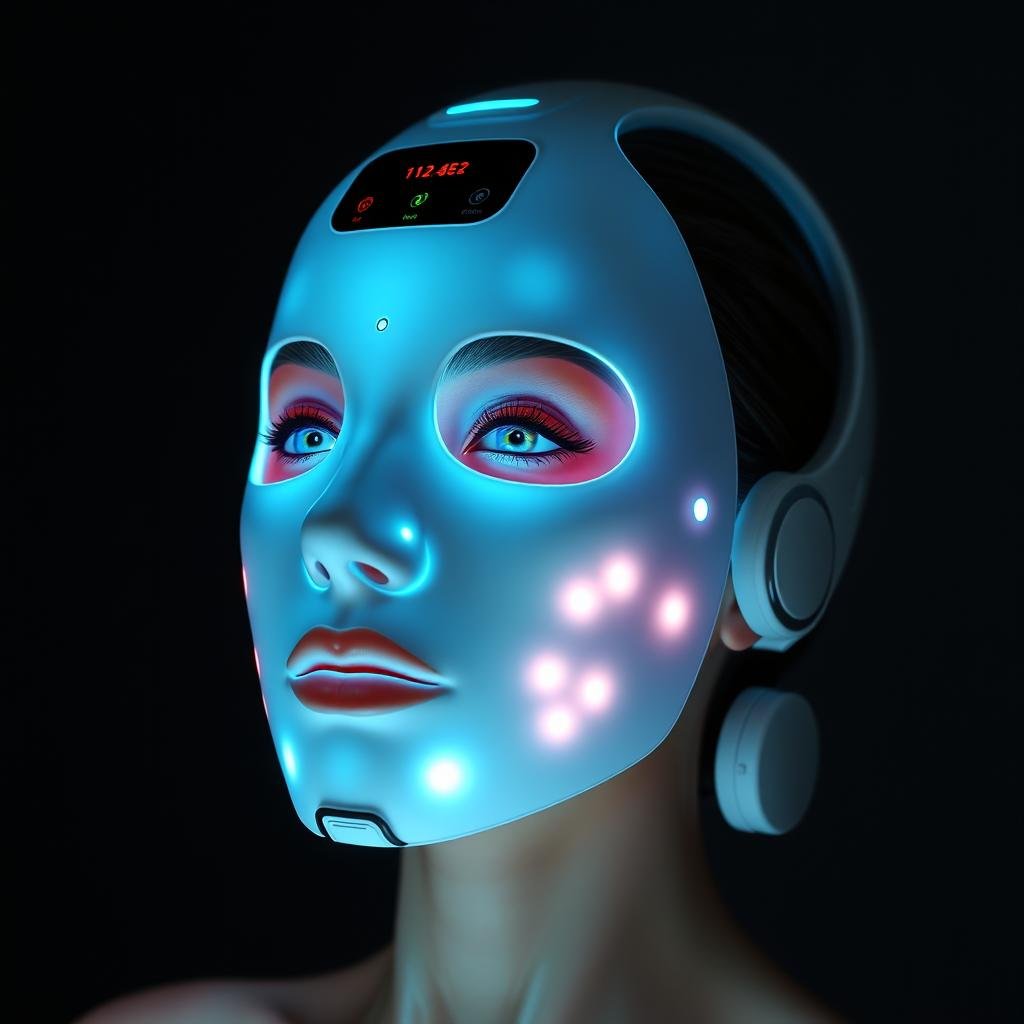 LLLT Laser Mask
Experience the MAIKONG Difference
All MAIKONG LLLT laser devices are engineered with comprehensive safety features, meet or exceed regulatory requirements, and deliver optimal therapeutic results. Our commitment to safety never compromises effectiveness.
Explore Our Product Range
US Distributor Opportunities for MAIKONG LLLT Laser Devices
MAIKONG is actively expanding its presence in the US market and seeking qualified distributors for our premium LLLT laser devices. Partner with a leader in laser therapy technology and benefit from:
- Comprehensive product range covering all major therapeutic applications
- Industry-leading safety features that exceed regulatory requirements
- Competitive pricing structure with attractive margins for distributors
- Extensive training and support for technical and sales teams
- Marketing materials highlighting safety features and therapeutic benefits
- Dedicated account management to support your business growth
Become a MAIKONG Distributor Today
Join our growing network of successful distributors bringing safe, effective LLLT laser technology to healthcare providers and consumers across the United States.
Contact Our Distribution Team
Frequently Asked Questions About LLLT Laser Safety
Are LLLT laser devices safe for home use?
Yes, when properly designed for consumer use and used according to manufacturer instructions. Home LLLT laser devices typically have lower power outputs, additional safety features, and simplified controls compared to professional models. MAIKONG home devices include comprehensive safety features and clear usage guidelines to ensure safe operation.
What protective eyewear is required for LLLT laser therapy?
Protective eyewear should be specifically designed for the wavelength of the laser being used. Generic sunglasses are not sufficient. MAIKONG provides appropriate protective eyewear with all devices, calibrated to block the specific wavelengths emitted by each device.
Can LLLT laser devices cause burns or skin damage?
True low-level lasers operate at power levels that do not generate significant heat and should not cause burns when used properly. However, exceeding recommended treatment durations or using devices with higher power outputs incorrectly could potentially cause mild skin irritation. Always follow manufacturer guidelines for safe operation.
How often should LLLT laser devices be professionally inspected?
Professional devices should undergo annual comprehensive inspection and calibration by qualified technicians. Home devices should be visually inspected before each use and returned to the manufacturer for inspection if any damage or performance issues are observed. MAIKONG offers maintenance services for all our devices.
Are there any contraindications for LLLT laser therapy?
While generally safe, LLLT laser therapy may be contraindicated in certain situations, including direct application over cancerous tissues, the thyroid gland, or during pregnancy. Patients with photosensitivity or taking photosensitizing medications should consult healthcare providers before treatment. Always review the specific contraindications provided with your device.
Conclusion: Prioritizing Safety in LLLT Laser Therapy
As LLLT laser technology continues to advance and become more accessible, maintaining rigorous safety standards remains paramount. By understanding proper safety protocols, regulatory requirements, and best practices, both healthcare professionals and home users can maximize the therapeutic benefits of this remarkable technology while minimizing potential risks.
MAIKONG remains committed to leading the industry in developing LLLT laser devices that combine cutting-edge therapeutic effectiveness with comprehensive safety features. Our dedication to quality, compliance, and user education ensures that every MAIKONG device delivers optimal results with maximum safety.
Experience Safe, Effective LLLT Laser Technology
Discover why healthcare professionals and consumers worldwide trust MAIKONG for their laser therapy needs.
Visit Our Website