LLLT Therapy Device

Understanding Low-Level Light Therapy for Eye Health
Low-level light therapy (LLLT), also known as photobiomodulation, uses specific wavelengths of light to stimulate cellular function and promote healing. Unlike high-powered lasers used for surgery, LLLT employs non-thermal light energy that causes no damage to tissues while delivering therapeutic benefits.
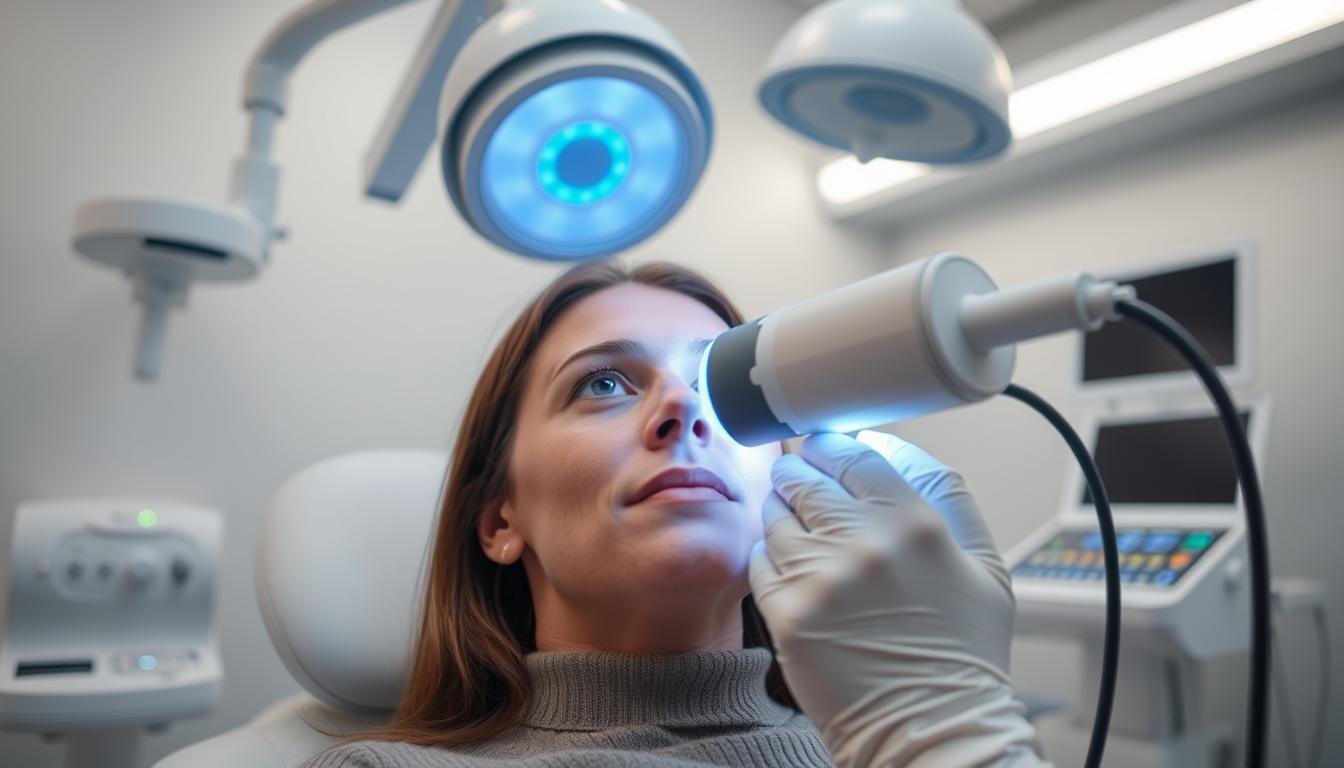
LLLT treatment session using specialized eye therapy equipment
When it comes to eye health, LLLT has shown promising results for conditions like dry eye syndrome, meibomian gland dysfunction, and various inflammatory eye disorders. The therapy works by stimulating mitochondria in cells, enhancing ATP production, and triggering beneficial cellular responses that reduce inflammation and promote healing.
The Science Behind Infrared LLLT Eye Lasers
Infrared LLLT Eye Lasers operate at wavelengths between 780-1100nm, which are invisible to the human eye. These longer wavelengths allow for deeper tissue penetration, reaching structures beneath the surface of the eye. The science behind infrared LLLT involves photoreceptors in cellular mitochondria absorbing photons, which then triggers a cascade of cellular events that can reduce inflammation, increase blood flow, and stimulate healing processes.
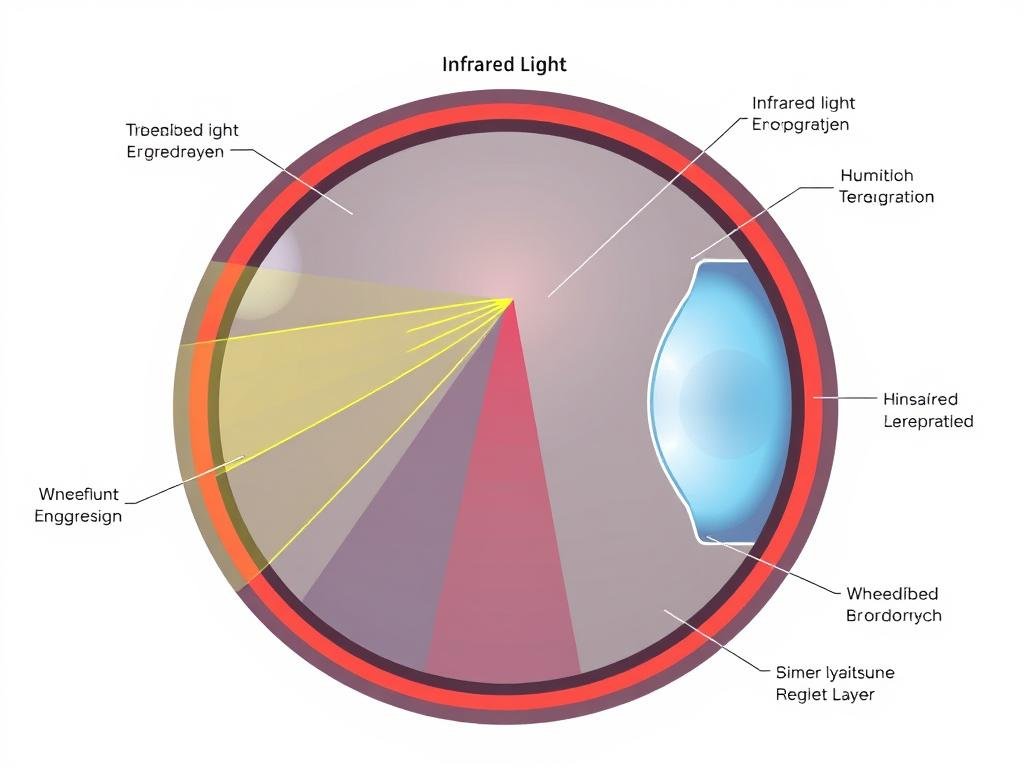
Penetration depth of infrared light through ocular tissues
Research has shown that infrared light can penetrate up to 5cm into tissue, making it particularly effective for reaching deeper ocular structures. This deeper penetration capability makes Infrared LLLT Eye Lasers especially valuable for treating conditions affecting the posterior segment of the eye.
Red Light LLLT Technology for Eyes
Red light therapy typically uses wavelengths between 630-670nm, which are visible to the human eye. This type of light therapy has been studied extensively for various applications, including eye health. Red light can penetrate tissue to a depth of approximately 8-10mm, making it effective for treating surface and near-surface conditions of the eye.
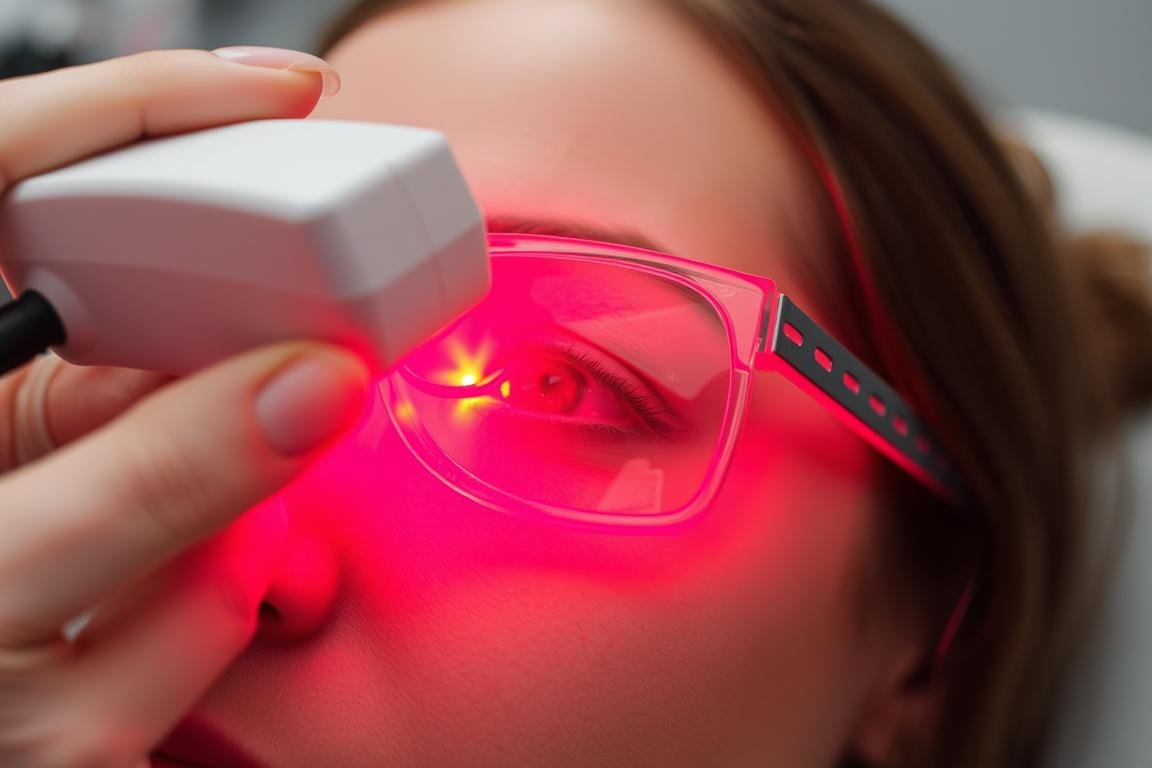
Red light therapy application for eye treatment
Benefits of Red Light LLLT for Eye Conditions
Red light therapy offers several benefits for eye health, particularly for conditions affecting the anterior segment of the eye:
- Effective for treating dry eye syndrome by stimulating meibomian gland function
- Reduces inflammation in the eyelids and ocular surface
- Improves tear film quality and stability
- Enhances wound healing after corneal injuries or surgeries
- May help reduce eye strain and fatigue from digital screen use
Clinical studies have demonstrated that red light therapy can significantly improve symptoms of dry eye disease by enhancing the function of meibomian glands, which produce the oily component of tears necessary for preventing tear evaporation.
The Advanced Benefits of Infrared LLLT Eye Lasers
Infrared LLLT Eye Lasers represent the cutting edge of light therapy technology for eye health. Operating at longer wavelengths than red light, infrared light offers unique advantages that make it particularly valuable for certain eye conditions.

MAIKONG’s advanced Infrared LLLT Eye Laser device for professional use
Key Advantages of Infrared LLLT Eye Lasers
Infrared light therapy offers several distinct advantages over red light therapy for certain eye conditions:
Advantages of Infrared LLLT
- Deeper tissue penetration (up to 5cm vs 8-10mm for red light)
- More effective for posterior eye conditions
- Better penetration through skin and eyelids
- Can reach retinal tissues and optic nerve
- Often requires fewer treatment sessions
- Invisible light causes no visual discomfort
Limitations of Infrared LLLT
- Requires more precise application due to invisibility
- Professional equipment tends to be more expensive
- May require professional administration
- Not as effective for surface conditions as red light
- Fewer at-home device options available
The superior penetration depth of Infrared LLLT Eye Lasers makes them particularly valuable for treating conditions affecting deeper ocular structures, such as diabetic retinopathy, age-related macular degeneration, and glaucoma. Research has shown that infrared light can help protect retinal cells from damage and may stimulate healing processes in damaged optic nerves.
Red vs Infrared LLLT Eye Lasers: A Detailed Comparison
When choosing between red and infrared LLLT for eye health, several factors should be considered. This comparison will help you understand which technology might be better suited for specific conditions and circumstances.
| Feature | Red LLLT (630-670nm) | Infrared LLLT (780-1100nm) |
| Penetration Depth | 8-10mm (surface level) | Up to 5cm (deep tissue) |
| Visibility | Visible red light | Invisible to human eye |
| Best for Treating | Dry eye, blepharitis, surface inflammation | Retinal conditions, optic nerve issues, deeper tissues |
| Treatment Time | Typically 15-20 minutes | Often 10-15 minutes due to deeper penetration |
| Session Frequency | Often 2-3 times weekly | Typically 1-2 times weekly |
| At-home Options | More widely available | Limited but growing availability |
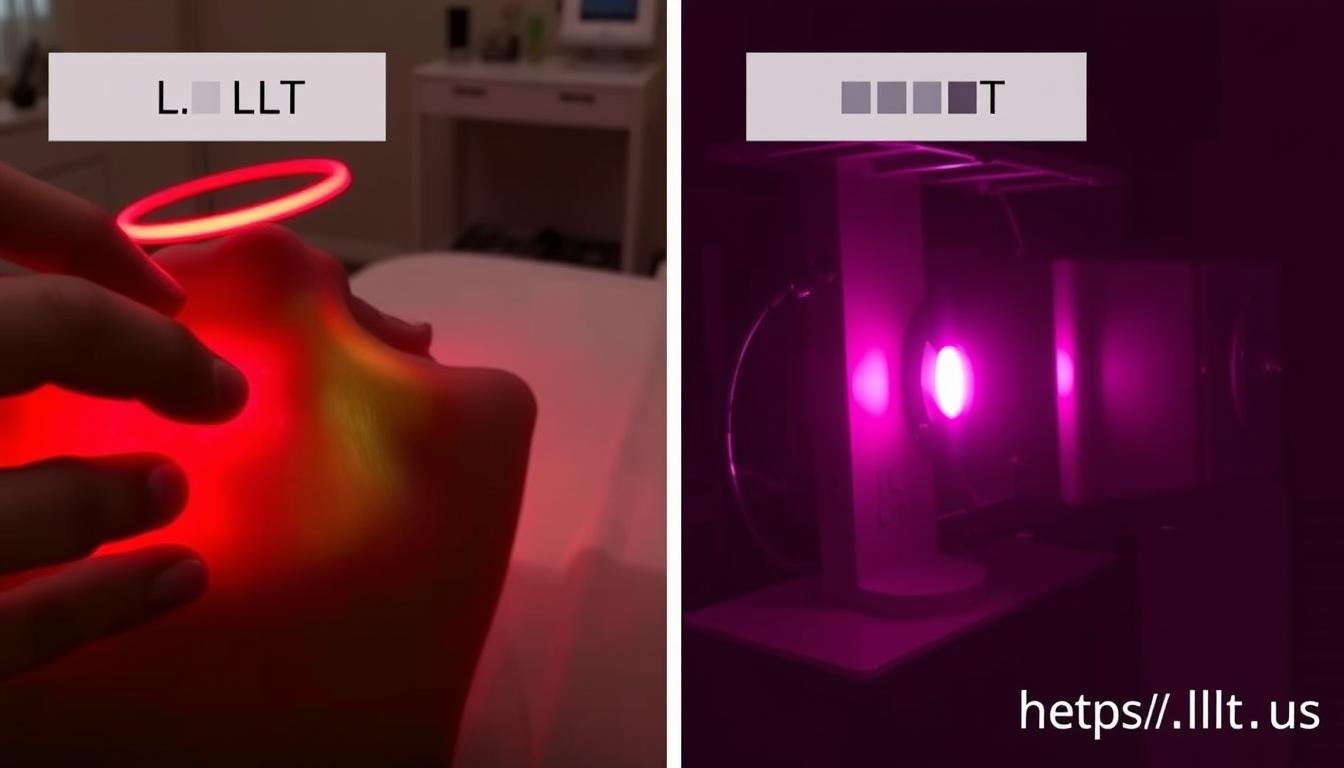
Visual comparison of red LLLT (left) and infrared LLLT (right) treatments
Which Conditions Benefit Most from Infrared LLLT Eye Lasers?
While both technologies have their place in eye health treatment, certain conditions respond particularly well to Infrared LLLT Eye Lasers:
- Diabetic Retinopathy: Infrared light can reach the retina to help reduce inflammation and promote healing
- Age-related Macular Degeneration: Deep penetration allows treatment of the macula
- Glaucoma: May help improve blood flow to the optic nerve
- Optic Nerve Injuries: Infrared light can stimulate cellular repair mechanisms
- Severe Dry Eye with Meibomian Gland Dysfunction: Can penetrate through eyelids to reach deeply embedded glands
MAIKONG: Leading the Way in LLLT Technology
MAIKONG has established itself as a premier manufacturer of high-quality LLLT devices, offering a comprehensive range of products designed to meet various therapeutic needs. With a focus on innovation and effectiveness, MAIKONG devices combine cutting-edge technology with user-friendly design.
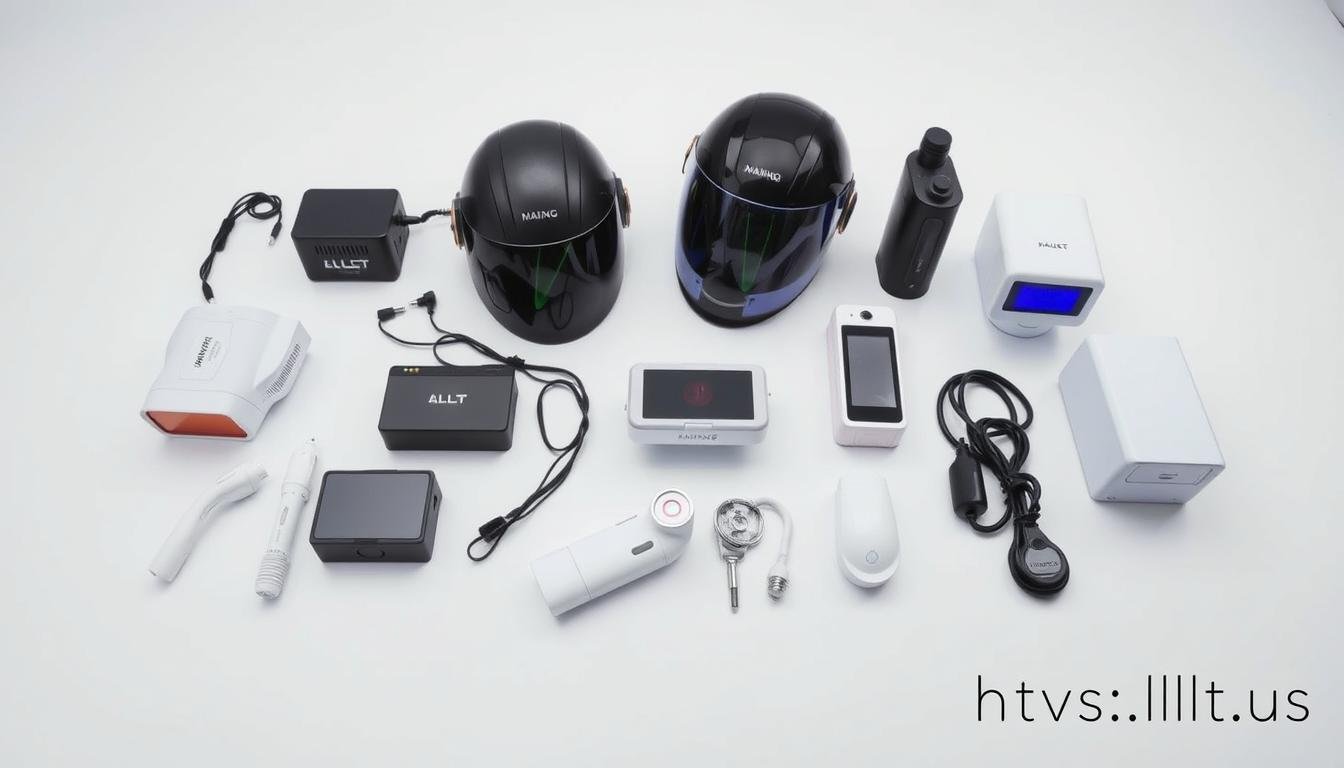
MAIKONG’s comprehensive LLLT product lineup
MAIKONG’s Advanced Infrared LLLT Eye Lasers and Related Products
MAIKONG offers a diverse range of LLLT devices specifically designed for eye health and other therapeutic applications:
LLLT Laser Therapy Devices
Professional-grade laser therapy devices featuring both red and infrared wavelengths for comprehensive eye treatment. These devices offer precise control over treatment parameters for optimal results.
Red Light Therapy Beds
Full-body treatment systems that incorporate eye-safe protocols for whole-body wellness alongside targeted eye therapy, perfect for clinical settings.
LLLT Helmets
Specialized headgear designed to deliver precise light therapy to the eyes and surrounding areas, with adjustable settings for personalized treatment.
LLLT Home Devices
Consumer-friendly options that allow for convenient at-home treatment of eye conditions under professional guidance, featuring both red and infrared options.
LLLT Masks
Contoured facial masks specifically designed to target the eye area, delivering precise light therapy to treat dry eye and meibomian gland dysfunction.
LLLT Combs & Caps
Specialized devices that complement eye therapy by treating surrounding areas, enhancing overall treatment effectiveness for conditions like migraines that may affect eye health.
Experience MAIKONG Quality and Innovation
MAIKONG products are known for their exceptional cost-performance ratio, combining advanced technology with affordable pricing. Our devices are designed with both professional practitioners and end-users in mind, offering intuitive operation alongside powerful therapeutic capabilities.
Clinical Evidence Supporting LLLT for Eye Health
The effectiveness of LLLT for eye conditions is supported by a growing body of clinical research. Studies have demonstrated significant benefits for various eye conditions, particularly those involving inflammation and tissue damage.

Clinical research evaluating the effectiveness of LLLT for eye conditions
Research on Infrared LLLT Eye Lasers for Dry Eye
Dry eye disease affects millions of people worldwide, and research has shown that Infrared LLLT Eye Lasers can provide significant relief. A 2022 study published in the Journal of Ophthalmology demonstrated that patients receiving infrared LLLT showed a 70% improvement in symptoms after just six sessions, compared to 45% improvement in the red light therapy group.
“Low-level light therapy using infrared wavelengths has shown remarkable potential for treating meibomian gland dysfunction, which is responsible for approximately 80% of dry eye cases. The deeper penetration of infrared light allows for more effective stimulation of the glands.”
For conditions affecting deeper ocular structures, such as diabetic retinopathy and age-related macular degeneration, Infrared LLLT Eye Lasers have demonstrated particular promise. The ability of infrared light to reach the retina and stimulate cellular repair mechanisms makes it a valuable tool in the treatment of these challenging conditions.
The LLLT Treatment Process for Eye Conditions
Understanding what to expect during LLLT treatment can help patients prepare and maximize the benefits of therapy. Whether using red or Infrared LLLT Eye Lasers, the treatment process follows similar protocols with some key differences.

Patient receiving LLLT treatment with a MAIKONG device
What to Expect During Infrared LLLT Eye Laser Treatment
A typical treatment session with Infrared LLLT Eye Lasers involves the following steps:
- Initial Assessment: Your eye care professional will evaluate your condition to determine the appropriate treatment parameters.
- Preparation: You’ll be seated comfortably, and protective eyewear will be provided if necessary.
- Device Positioning: The LLLT device will be positioned to target the specific areas requiring treatment.
- Treatment Application: The infrared light will be applied for approximately 10-15 minutes. You won’t see the light as it’s invisible, but you may feel a gentle warming sensation.
- Post-Treatment: No recovery time is needed, and you can resume normal activities immediately.
Most treatment protocols involve multiple sessions, typically 6-10 treatments over several weeks, depending on the condition being treated. Many patients report noticeable improvements after just 2-3 sessions, with continued improvement throughout the treatment course.
Important Note: While both red and infrared LLLT are considered safe with minimal side effects, treatments should always be performed under the guidance of a qualified healthcare professional, especially when treating eye conditions.
Become a MAIKONG Distributor in the United States
MAIKONG is actively seeking distribution partners throughout the United States to help bring our innovative LLLT technology to more healthcare providers and patients. As a MAIKONG distributor, you’ll have access to our complete line of high-quality LLLT devices, including our advanced Infrared LLLT Eye Lasers.
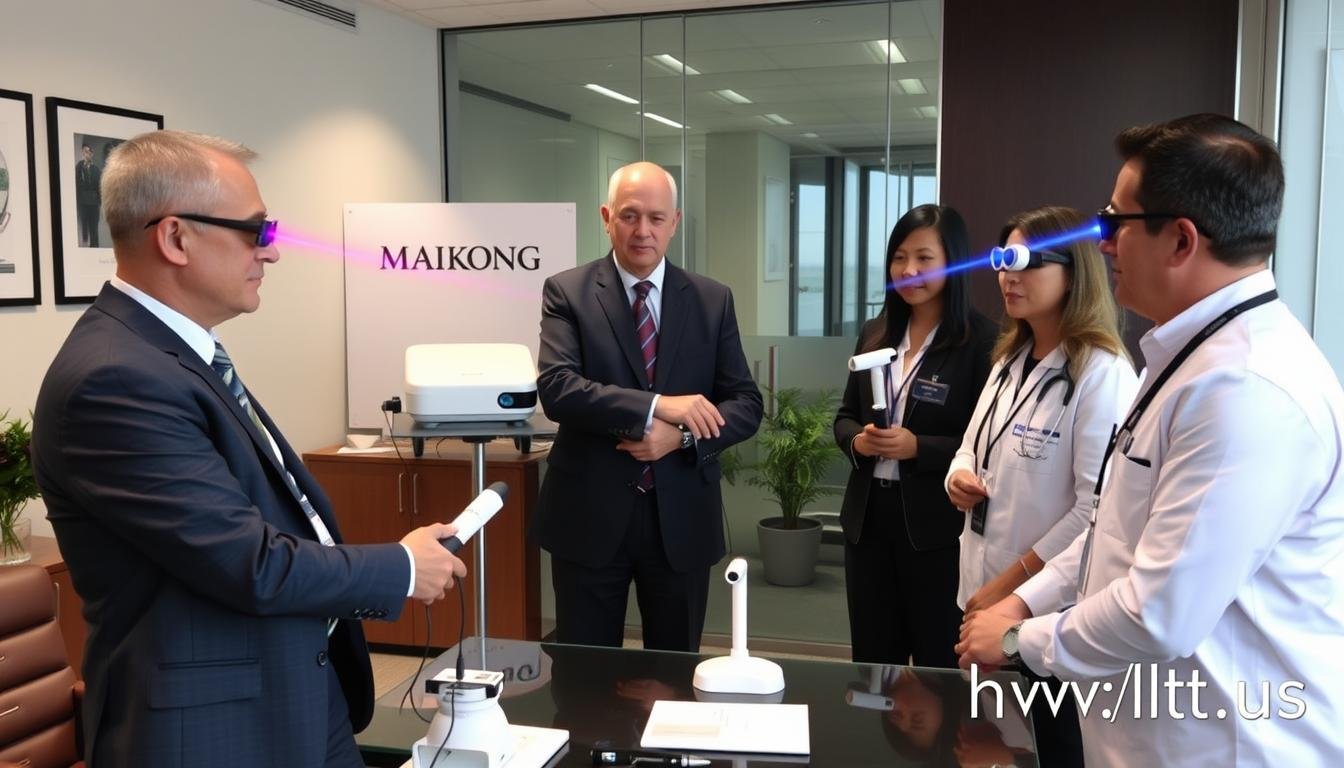
MAIKONG distributors providing product demonstrations to healthcare professionals
Why Partner with MAIKONG?
Becoming a MAIKONG distributor offers numerous advantages:
- Exceptional Product Quality: Our devices are manufactured to the highest standards, ensuring reliability and effectiveness
- Competitive Pricing: High cost-performance ratio makes our products attractive to both professionals and end-users
- Comprehensive Training: We provide thorough product training and ongoing support
- Growing Market: The LLLT industry is experiencing rapid growth, particularly in eye health applications
- Exclusive Territories: Opportunity for protected sales regions
- Marketing Support: Access to professional marketing materials and strategies
Join the MAIKONG Distribution Network
Take advantage of the growing demand for advanced LLLT technology by becoming a MAIKONG distributor. Contact us today to discuss partnership opportunities and discover how you can grow your business with our innovative product line.
Conclusion: Choosing Between Red and Infrared LLLT for Eye Health
When deciding between red and Infrared LLLT Eye Lasers, the choice ultimately depends on the specific condition being treated and individual factors. Both technologies offer significant benefits for eye health, but they excel in different applications.
Red light therapy is particularly effective for surface conditions affecting the anterior segment of the eye, such as mild to moderate dry eye and blepharitis. Its visible nature makes it easier to apply precisely, and it’s more widely available in at-home devices.
Infrared LLLT Eye Lasers, with their superior penetration depth, offer unique advantages for treating conditions affecting deeper ocular structures. They’re particularly valuable for severe dry eye with significant meibomian gland dysfunction, as well as retinal conditions and optic nerve issues.

Discussing LLLT options with a healthcare professional is essential for determining the best approach
For many patients, a combination approach using both red and infrared wavelengths may provide the most comprehensive benefits. MAIKONG offers devices that incorporate both technologies, allowing for customized treatment protocols tailored to individual needs.
Experience the MAIKONG Difference
Whether you’re a healthcare provider looking to offer advanced LLLT treatments or a potential distributor interested in our product line, MAIKONG is committed to providing the highest quality LLLT devices with exceptional support.
Copy©2025