LLLT Therapy Device


Understanding LLLT for Pain Management
LLLT therapy session targeting back pain with red light wavelengths
Low-level laser therapy, also known as photobiomodulation or cold laser therapy, uses specific wavelengths of light to stimulate healing and reduce pain. Unlike surgical lasers, LLLT for pain utilizes low-power light that doesn’t generate heat or damage tissues. Instead, it works at the cellular level to promote natural healing processes.
What Sets LLLT Apart from Other Pain Treatments
Traditional pain management approaches often rely on medications that mask symptoms or invasive procedures with lengthy recovery periods. LLLT offers several distinct advantages:
- Non-invasive treatment with no cutting or tissue damage
- Minimal to no side effects compared to medications
- Targets the underlying causes of pain, not just symptoms
- No drug interactions or dependency concerns
- Can be used alongside other treatments for enhanced results
The Evolution of LLLT Technology
Since its discovery in 1967 by Endre Mester, LLLT has evolved significantly. Modern devices like those developed by MAIKONG incorporate precise wavelengths, optimal power densities, and specialized delivery systems to maximize therapeutic benefits for various pain conditions.
The Science Behind How LLLT for Pain Works
Understanding the biological mechanisms of LLLT for pain helps explain its effectiveness across various conditions. The therapy works through several interconnected pathways at the cellular and tissue levels.
Cellular Mechanisms of LLLT
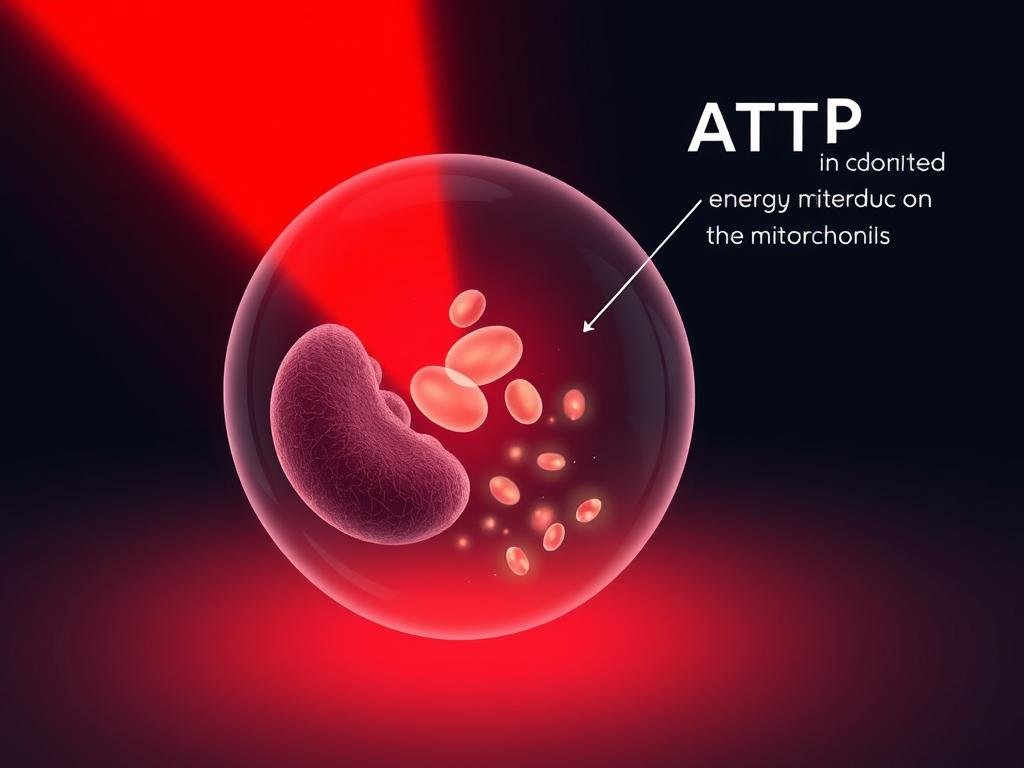
Cellular absorption of photons during LLLT leads to increased ATP production
At the cellular level, LLLT works primarily through photochemical reactions. When specific wavelengths of light (typically 600-1000nm) penetrate the skin, they’re absorbed by photoreceptors within cellular mitochondria, particularly cytochrome c oxidase. This triggers several important cellular responses:
Increased ATP Production
Mitochondria are the cell’s power plants. When stimulated by LLLT, they produce more adenosine triphosphate (ATP), the primary energy currency of cells. This boost in energy accelerates cellular repair and regeneration processes.
Reactive Oxygen Species (ROS)
LLLT generates controlled amounts of ROS, which act as signaling molecules to activate transcription factors. These factors regulate gene expression related to cell proliferation, survival, and the production of proteins that fight inflammation.
Tissue-Level Effects for Pain Reduction
Beyond cellular changes, LLLT creates broader effects throughout tissues that directly impact pain perception and healing:
Reduced Inflammation
LLLT decreases pro-inflammatory cytokines while increasing anti-inflammatory factors. This helps reduce inflammation, a key contributor to many pain conditions.
Improved Blood Flow
The therapy stimulates the release of nitric oxide, a potent vasodilator that increases blood circulation to damaged tissues, delivering more oxygen and nutrients.
Neural Blockade
LLLT can temporarily inhibit nerve fibers that transmit pain signals, providing immediate relief while longer-term healing processes take effect.
The Biphasic Dose Response
One of the most important scientific principles in LLLT for pain is the biphasic dose response. This means that the therapy follows an “inverted U-shaped” curve where too little energy has no effect, the right amount produces optimal benefits, and too much can actually inhibit healing. MAIKONG’s devices are precisely calibrated to deliver optimal therapeutic doses for maximum pain relief.
Clinical Applications of LLLT for Pain Conditions
Research has demonstrated the effectiveness of LLLT across numerous pain conditions. Here’s how it applies to some of the most common pain challenges:
LLLT for Chronic Back Pain
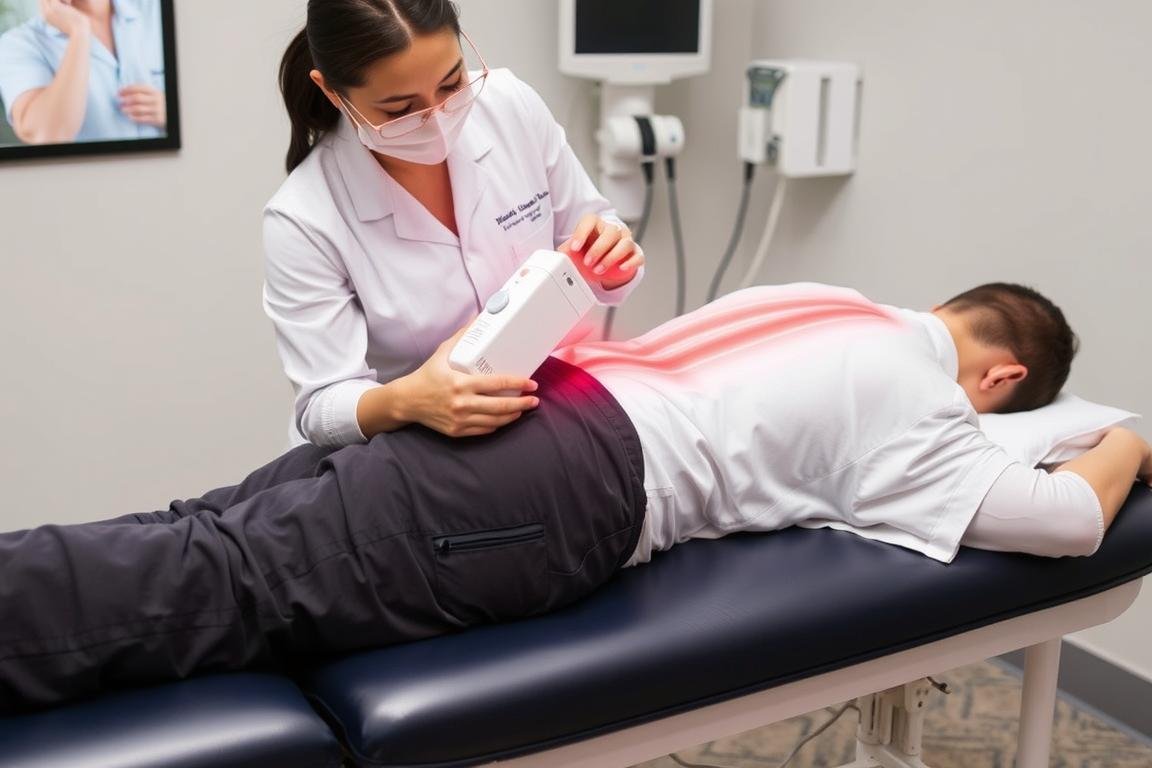
Targeted LLLT application for chronic lower back pain treatment
Back pain affects approximately 80% of adults at some point in their lives. LLLT for pain in the back works by reducing inflammation around compressed nerves, relaxing tight muscles, and accelerating the repair of damaged tissues. Clinical studies have shown significant pain reduction and improved mobility in patients with chronic back pain after LLLT treatment.
LLLT for Neck Pain and Cervical Disorders
Neck pain often results from poor posture, muscle strain, or degenerative conditions. LLLT effectively targets the deep muscles and joints of the cervical spine, reducing inflammation and muscle tension while promoting tissue repair. Research indicates that LLLT can provide both immediate and cumulative benefits for neck pain sufferers.
LLLT for Joint Pain and Arthritis
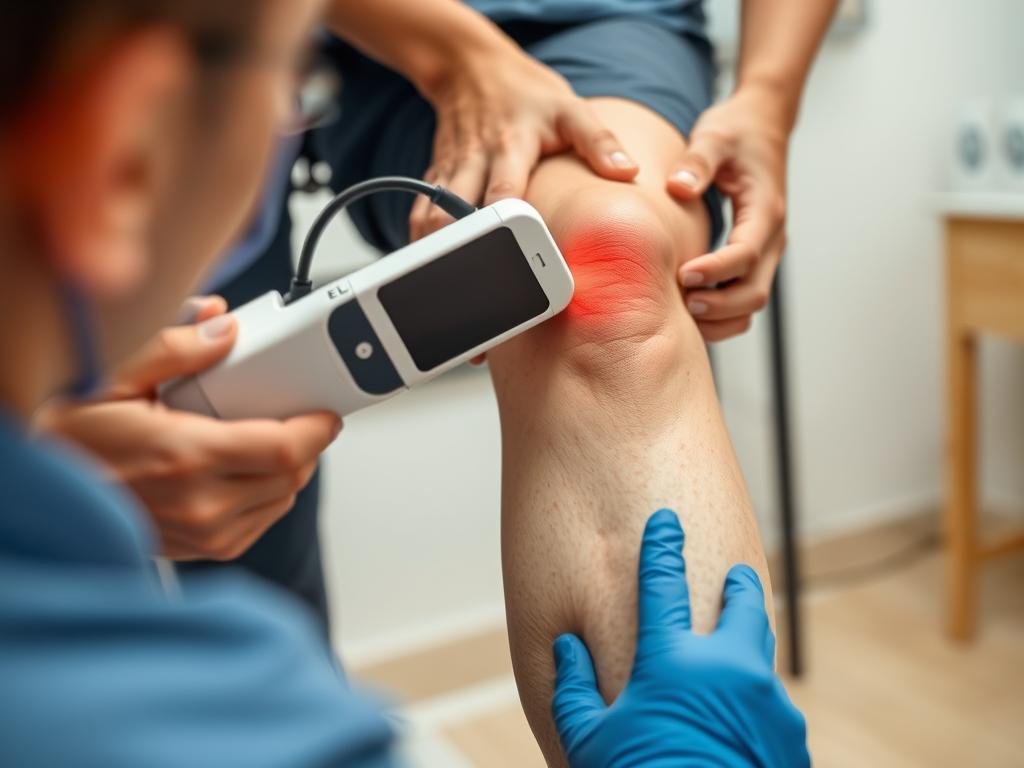
LLLT application targeting inflammation in an arthritic knee joint
Arthritis affects millions of Americans, causing joint pain, stiffness, and reduced mobility. LLLT has shown remarkable results in managing arthritis pain by:
- Reducing inflammation in the joint capsule
- Decreasing production of inflammatory cytokines
- Stimulating cartilage repair mechanisms
- Improving synovial fluid production for better joint lubrication
LLLT for Neuropathic Pain
Neuropathic pain results from damage to the nervous system and is often resistant to conventional treatments. LLLT helps by stabilizing nerve cell membranes, reducing inflammation around nerves, and promoting nerve regeneration. Conditions like diabetic neuropathy, post-herpetic neuralgia, and trigeminal neuralgia have shown positive responses to LLLT treatment.
LLLT for Sports Injuries and Muscle Pain

LLLT therapy accelerating recovery from sports-related shoulder injury
Athletes increasingly turn to LLLT for faster recovery from injuries and muscle pain. The therapy accelerates muscle repair, reduces inflammation, and decreases recovery time. Common applications include:
Acute Injuries
Sprains, strains, and contusions respond well to immediate LLLT application, which can reduce swelling and pain while speeding healing.
Chronic Overuse Injuries
Conditions like tennis elbow, runner’s knee, and shoulder impingement benefit from LLLT’s ability to promote tissue repair and reduce inflammation.
MAIKONG’s Advanced LLLT Technology for Pain Relief
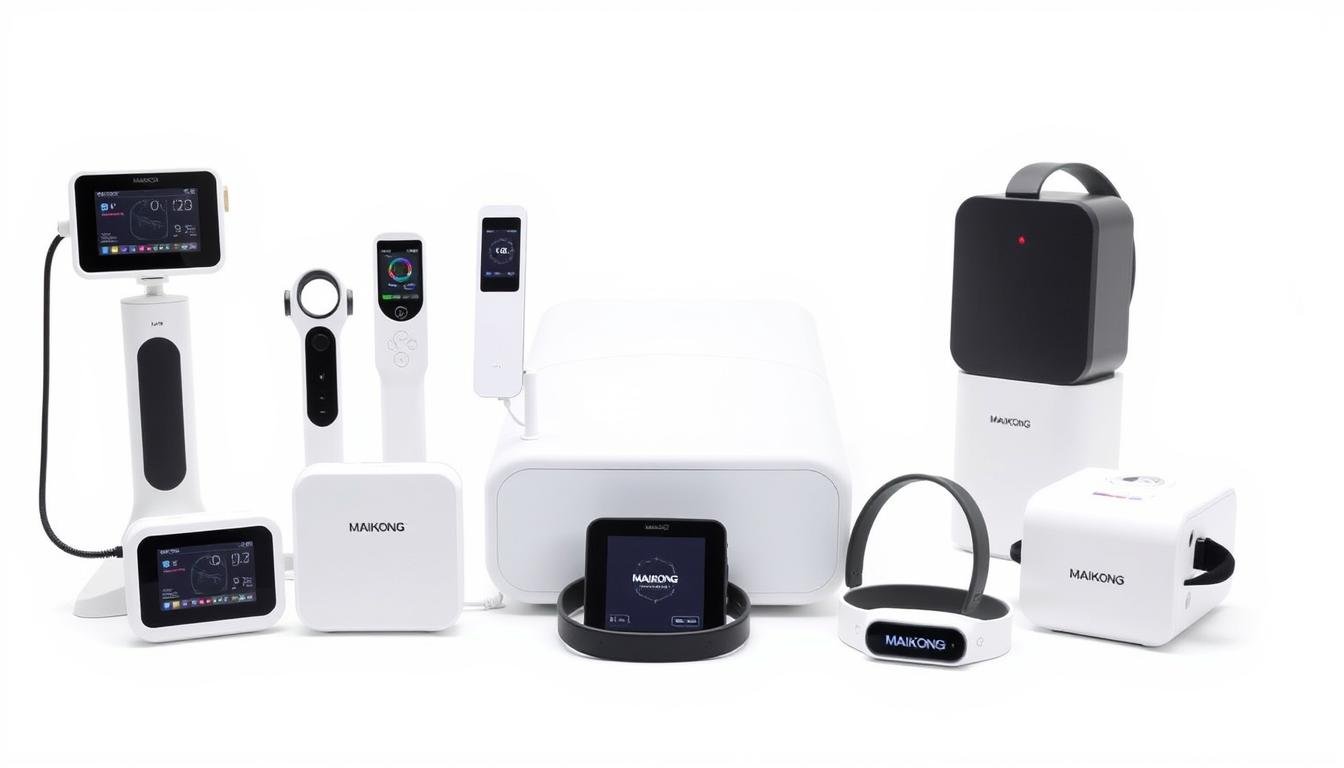
MAIKONG’s comprehensive range of LLLT devices for professional and home use
MAIKONG has established itself as a leader in LLLT technology, developing innovative devices that deliver optimal therapeutic outcomes for pain management. Our comprehensive product range includes professional-grade and home-use options designed with precision engineering and scientific principles.
Key Features of MAIKONG LLLT Devices
Optimal Wavelengths
MAIKONG devices utilize specific wavelengths (660nm-905nm) that have been scientifically proven to penetrate tissues at appropriate depths for maximum therapeutic effect.
Precise Power Density
Our devices deliver the ideal power density to achieve therapeutic benefits without overexposure, adhering to the important biphasic dose response principle.
Treatment Programs
Pre-programmed treatment protocols for different pain conditions ensure consistent, optimal results for both practitioners and home users.
MAIKONG’s Product Range for Pain Management
| Product Type | Best For | Key Benefits | Ideal Users |
| LLLT Laser Therapy Device | Targeted pain relief for specific areas | Precise application, deep tissue penetration | Clinics, physiotherapists, chiropractors |
| Red Light Therapy Bed | Full-body treatment, multiple pain areas | Comprehensive coverage, consistent dosage | Wellness centers, sports facilities |
| LLLT Clothing Device | Wearable therapy for specific body regions | Hands-free operation, extended treatment time | Rehabilitation centers, home users |
| LLLT Helmet | Headaches, migraines, neck pain | Targeted cranial application, ease of use | Neurologists, pain specialists, home users |
| LLLT Home Device | Daily maintenance, minor pain issues | Portable, user-friendly, affordable | Individual patients, active individuals |
Become a MAIKONG Distributor in the United States
Join our network of successful distributors bringing cutting-edge LLLT technology to patients across America. MAIKONG offers competitive pricing, superior quality, and comprehensive support for our distribution partners.
Scientific Evidence Supporting LLLT for Pain
The efficacy of LLLT for pain is supported by a substantial body of scientific research. Clinical studies have demonstrated positive outcomes across various pain conditions, with particularly strong evidence in certain areas.
Key Research Findings
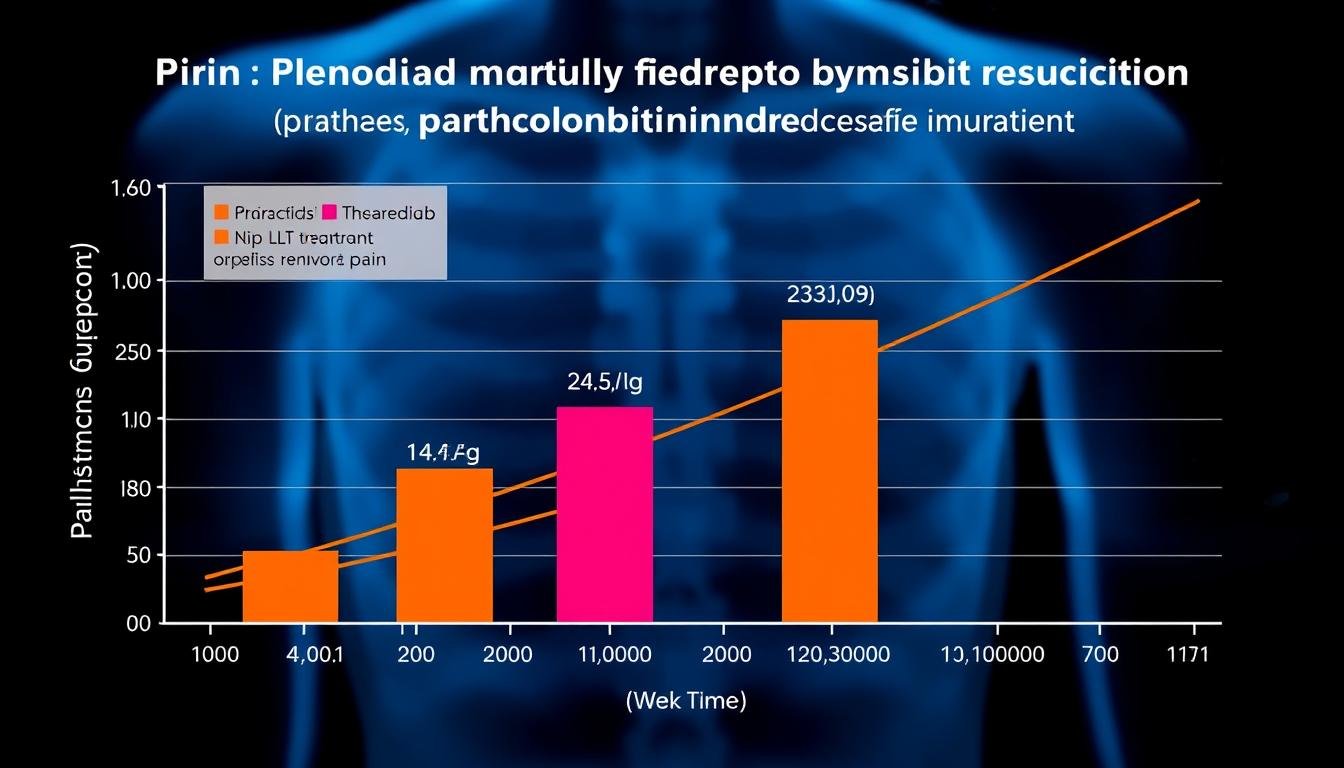
Clinical data showing significant pain reduction with LLLT compared to placebo treatments
“Low-level laser therapy (LLLT) is an effective option for many patients suffering from musculoskeletal pain, with minimal side effects and good tolerability.”
Numerous systematic reviews and meta-analyses have examined the effectiveness of LLLT for various pain conditions:
Back Pain Studies
Research has shown that LLLT can reduce pain intensity by 30-50% in chronic back pain patients, with effects lasting up to 6 months after treatment completion. Studies indicate that optimal results occur with 2-3 treatments per week over 4-6 weeks.
Arthritis Research
Clinical trials involving patients with osteoarthritis and rheumatoid arthritis have demonstrated significant pain reduction, improved joint mobility, and decreased morning stiffness following LLLT treatment protocols. These benefits often persist for weeks to months after therapy.
Comparing LLLT to Traditional Pain Treatments
LLLT Advantages
- Non-invasive with minimal side effects
- No risk of dependency or addiction
- Can be used alongside other treatments
- Addresses underlying causes, not just symptoms
- Cumulative benefits with repeated treatments
Traditional Treatment Limitations
- Medications often cause side effects
- Risk of dependency with pain medications
- Surgery involves recovery time and complications
- Injections provide temporary relief
- Often mask symptoms without addressing causes
Optimal LLLT Treatment Protocols for Pain Relief
Effective LLLT for pain management requires appropriate treatment protocols. While specific parameters may vary based on the condition and individual needs, certain guidelines help maximize therapeutic outcomes.
Key Treatment Parameters
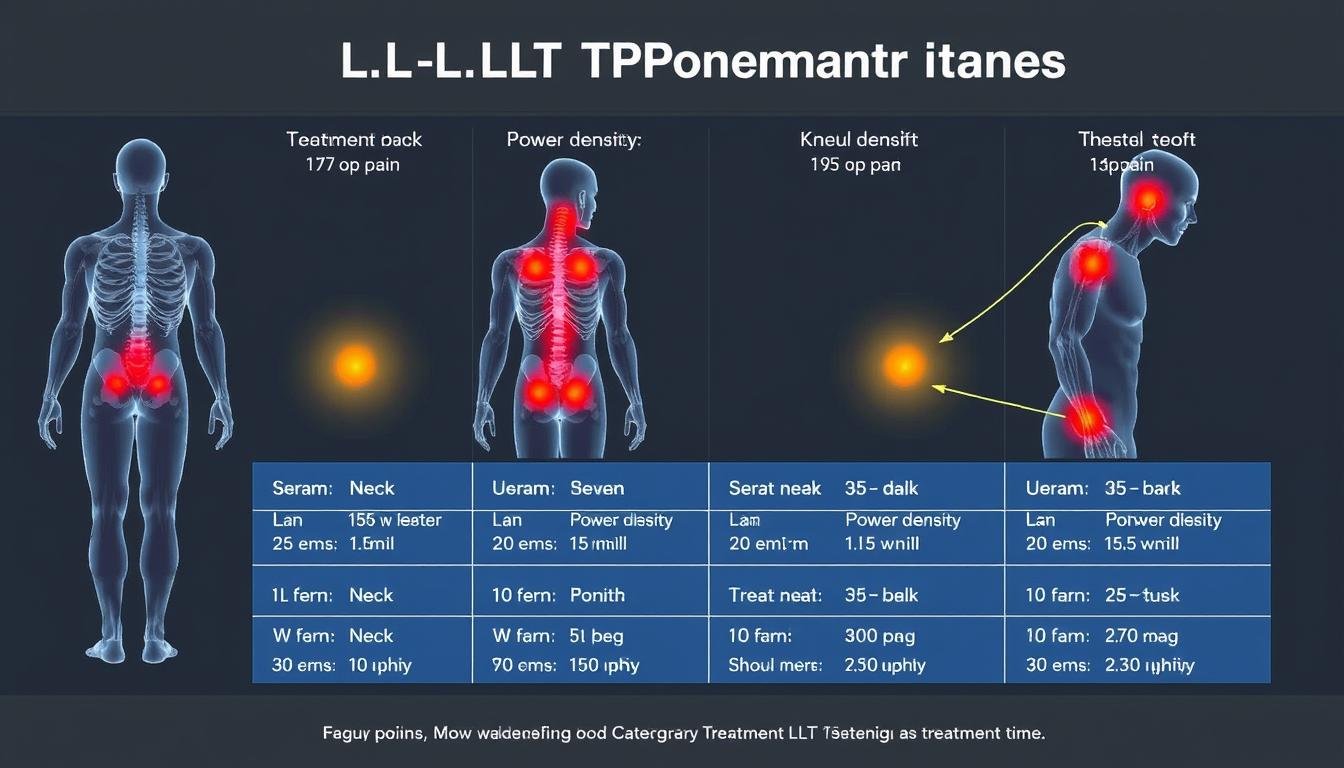
Optimal LLLT treatment parameters vary by condition and treatment area
Wavelength
Different wavelengths penetrate tissues at varying depths. For superficial pain, 630-660nm (red) wavelengths are effective. For deeper tissues like joints and muscles, 810-850nm (near-infrared) wavelengths are optimal.
Power Density
The ideal power density typically ranges from 5-50mW/cm². Higher densities are needed for deeper tissues, while lower densities work well for superficial applications.
Treatment Duration
Sessions typically last 30 seconds to 10 minutes per treatment point, depending on the device and condition. Total treatment time ranges from 5-30 minutes.
Treatment Frequency and Course
For optimal results, LLLT treatments should follow a structured schedule:
- Acute Pain: Daily treatments for 1-2 weeks
- Chronic Pain: 2-3 treatments per week for 4-6 weeks
- Maintenance: 1-2 treatments per month after initial improvement
MAIKONG’s Approach to Treatment Optimization
MAIKONG devices are designed with pre-programmed protocols based on scientific research and clinical experience. Our professional models allow practitioners to customize parameters for individual patient needs, while home devices feature simplified programs for safe, effective self-treatment.
Professional Tip: For maximum effectiveness, combine LLLT with appropriate physical therapy, gentle stretching, and proper ergonomics. This multi-modal approach addresses pain from multiple angles for comprehensive relief.
Safety and Considerations for LLLT Pain Treatment
LLLT is generally considered very safe when used appropriately. However, understanding proper usage guidelines and potential contraindications is important for optimal results and patient safety.
Safety Profile of LLLT
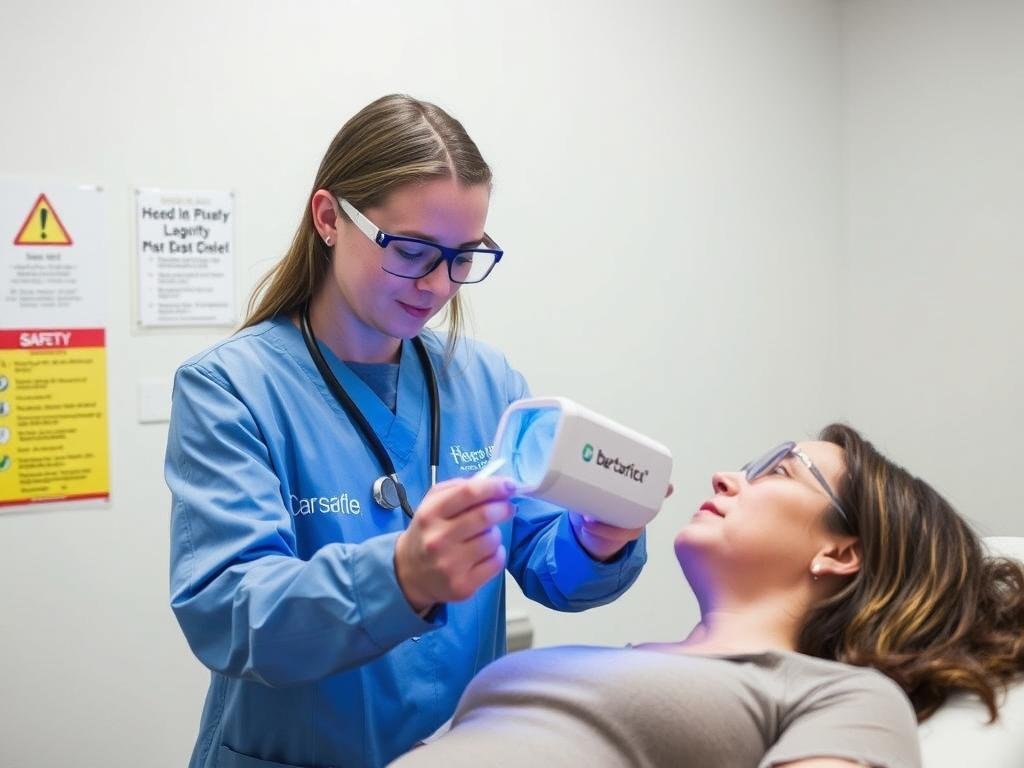
Proper safety protocols during professional LLLT treatment session
One of the major advantages of LLLT for pain is its excellent safety profile. Unlike medications that circulate throughout the body or invasive procedures that break the skin, LLLT works locally with minimal risk of systemic effects. Studies consistently report very few adverse events, with most being mild and transient.
Potential Contraindications
While LLLT is safe for most individuals, certain conditions warrant caution or avoidance:
- Pregnancy: Not recommended directly over the developing fetus
- Active Cancer: Avoid direct application over known malignancies
- Photosensitivity: Use caution with individuals taking photosensitizing medications
- Eyes: Never direct laser beams into the eyes; appropriate safety glasses should be worn
- Hemorrhagic Conditions: Use with caution in areas of active bleeding
MAIKONG’s Commitment to Safety
All MAIKONG devices are designed with multiple safety features to ensure proper use:
Professional Devices
Our clinical-grade equipment includes comprehensive training materials, automatic shutoff features, and adjustable parameters with safety limits to prevent overexposure.
Home Devices
MAIKONG’s consumer products feature simplified controls, preset programs, and built-in timers to ensure safe, effective treatment without specialized training.
Important: While LLLT is extremely safe, it’s always recommended to consult with a healthcare provider before beginning any new treatment approach, especially for individuals with complex medical conditions or those taking multiple medications.
Home vs. Professional LLLT for Pain Management
LLLT devices are available in both professional clinical models and home-use versions. Understanding the differences helps in choosing the right approach for individual needs.
Professional LLLT Treatment
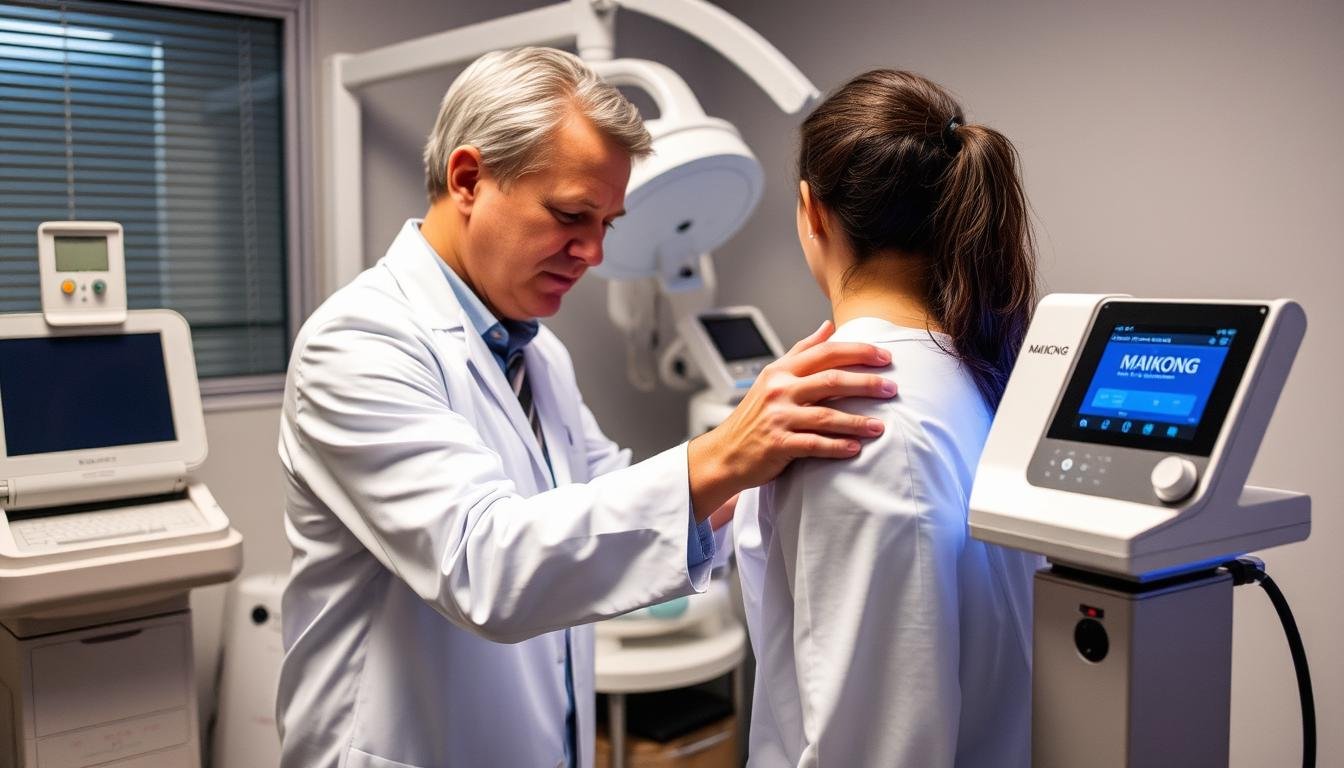
Professional LLLT treatment with advanced MAIKONG clinical equipment
Professional LLLT for pain treatments are administered by trained healthcare providers in clinical settings. These treatments offer several advantages:
- Higher-powered devices with greater tissue penetration
- Customized treatment parameters for specific conditions
- Expert assessment and treatment planning
- Integration with comprehensive care approaches
- Ability to target difficult-to-reach areas
Home LLLT Devices
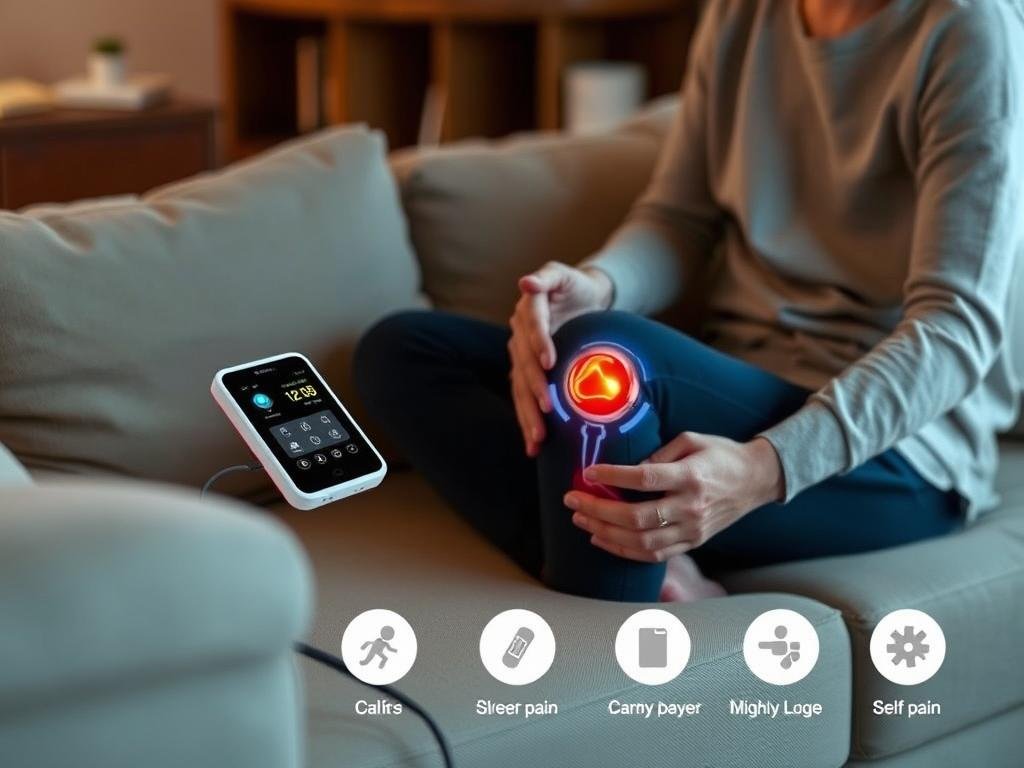
Self-administration of LLLT with MAIKONG’s user-friendly home device
MAIKONG’s home LLLT devices bring professional-grade technology to consumers in user-friendly formats:
Advantages
- Convenience of daily use without appointments
- Cost-effective for long-term maintenance
- Simple controls with preset programs
- Ability to treat pain as it occurs
Limitations
- Generally lower power than professional models
- Limited parameter adjustability
- May require longer treatment times
- No professional assessment included
Choosing the Right Approach
Many patients benefit from a combined approach:
- Begin with professional assessment and treatment to establish optimal parameters
- Continue with professional sessions for acute or severe pain
- Use home devices for maintenance and minor flare-ups
- Return to professional care if symptoms significantly worsen
Explore MAIKONG’s Range of LLLT Devices
Whether you’re a healthcare professional seeking clinical-grade equipment or an individual looking for effective home treatment options, MAIKONG offers solutions tailored to your needs.
Contact our product specialists: +86 13510907401 (WhatsApp)
Email: Lucy@lllt.us
Frequently Asked Questions About LLLT for Pain
How quickly can I expect results from LLLT treatment?
Results vary depending on the condition and individual factors. Some patients experience immediate relief after their first session, particularly with acute pain. For chronic conditions, noticeable improvement typically occurs after 3-6 treatments. Full therapeutic benefits often require a complete treatment course of 8-12 sessions over several weeks.
Is LLLT covered by insurance?
Insurance coverage for LLLT varies by provider and policy. Some insurance plans cover LLLT when administered by healthcare professionals for specific conditions. Home devices are typically not covered. We recommend checking with your insurance provider regarding coverage for specific treatments.
Can LLLT be used alongside other treatments?
Yes, LLLT works well as part of a comprehensive treatment approach. It can be safely combined with physical therapy, chiropractic care, massage, and most medications. In fact, LLLT often enhances the effectiveness of these other treatments by reducing pain and inflammation, allowing for more productive therapy sessions.
Are there any side effects from LLLT treatment?
LLLT has minimal side effects when used properly. Some patients report mild, temporary reactions such as slight tingling or warmth in the treated area. Occasionally, there may be a temporary increase in pain or fatigue as the body’s healing processes are activated. These reactions typically resolve quickly and are considered part of the normal healing response.
How do MAIKONG’s LLLT devices compare to competitors?
MAIKONG devices stand out for their precision engineering, optimal therapeutic parameters, and excellent value. Our products incorporate the latest research findings to deliver effective treatment while maintaining competitive pricing. We focus on user-friendly designs with clear instructions, making our devices accessible for both professionals and home users.
Embracing the Future of Pain Management with LLLT

Improved quality of life through effective LLLT pain management
As research continues to validate the effectiveness of LLLT for pain management, this technology represents a significant advancement in how we approach pain relief. By addressing the underlying causes of pain through cellular mechanisms rather than simply masking symptoms, LLLT offers a more holistic and sustainable solution for millions suffering from acute and chronic pain conditions.
MAIKONG remains committed to advancing LLLT technology through ongoing research, product development, and education. Our comprehensive range of devices makes this powerful technology accessible to healthcare providers and individuals alike, providing options for various needs and budgets without compromising on quality or effectiveness.
Whether you’re a healthcare professional looking to enhance your practice offerings, a potential distributor interested in bringing cutting-edge pain management solutions to your market, or an individual seeking relief from persistent pain, MAIKONG’s LLLT technology offers a scientifically-backed approach with proven results.
Take the Next Step in Pain Management
Discover how MAIKONG’s advanced LLLT technology can transform your approach to pain relief. Contact us today to learn more about our products, distribution opportunities, or finding a provider near you.
WhatsApp: +86 13510907401
Email: Lucy@lllt.us
Copy©2025