LLLT Therapy Device


What Is Low-Level Laser Therapy for Pain?
Low-Level Laser Therapy for Pain, also known as photobiomodulation or cold laser therapy, is a non-invasive treatment that uses low-intensity light to stimulate healing and reduce pain. Unlike surgical lasers that cut or ablate tissue, LLLT uses low levels of light that don’t heat body tissues but instead trigger biochemical changes within cells.
The therapy employs specific wavelengths of light (typically 600-1000nm) that penetrate the skin and underlying tissues to reach damaged cells. These wavelengths are absorbed by cellular photoreceptors, initiating a series of biological reactions that promote healing, reduce inflammation, and alleviate pain.
“Pain is the most common reason for physician consultation in the United States. One out of three Americans is affected by chronic pain annually. What is needed are effective treatments for pain which have an acceptably low risk-profile.”
LLLT has been studied for over 40 years, with thousands of clinical trials and laboratory studies demonstrating its effectiveness for various musculoskeletal and neurological pain conditions.
How Low-Level Laser Therapy for Pain Works
The science behind LLLT involves several key biological mechanisms that work together to reduce pain and promote healing:
Cellular Mechanisms
When light of specific wavelengths penetrates tissue, it’s absorbed by photoreceptors within the mitochondria (the cell’s power plants). This stimulates increased production of adenosine triphosphate (ATP), the energy currency of cells. With more energy available, cells can function optimally and repair damage more efficiently.
Additionally, LLLT has been shown to:
- Increase cellular metabolism
- Stimulate production of antioxidants
- Enhance DNA and RNA synthesis
- Accelerate cell reproduction

Anti-Inflammatory Effects
LLLT has powerful anti-inflammatory properties. It reduces the production of inflammatory mediators and cytokines while increasing anti-inflammatory factors. This helps decrease swelling, redness, and pain associated with inflammation.
Pain Reduction Pathways
The therapy works through multiple pain-reduction mechanisms:
- Blocking pain signals by inhibiting A-delta and C fiber transmission
- Increasing production of endorphins and enkephalins (natural pain relievers)
- Reducing muscle spasms that contribute to pain
- Improving nerve function and reducing nerve sensitivity
Tissue Healing Acceleration
LLLT enhances the body’s natural healing processes by:
- Stimulating fibroblast development (important for tissue repair)
- Increasing collagen production
- Enhancing blood vessel formation (angiogenesis)
- Improving lymphatic drainage to reduce edema
These combined effects make Low-Level Laser Therapy for Pain an effective approach for both acute injuries and chronic pain conditions.
Clinical Applications of LLLT for Pain Management
Low-Level Laser Therapy for Pain has demonstrated effectiveness for numerous pain conditions across multiple body systems:
Musculoskeletal Pain
LLLT shows particular promise for treating musculoskeletal pain, which affects millions of Americans. Clinical studies have shown significant benefits for:
- Back and neck pain
- Arthritis (both rheumatoid and osteoarthritis)
- Tendonitis and bursitis
- Fibromyalgia
- Muscle strains and sprains
- Post-surgical pain
- Sports injuries

Neurological Pain
LLLT has shown effectiveness for various types of nerve pain, including:
- Carpal tunnel syndrome
- Trigeminal neuralgia
- Diabetic neuropathy
- Post-herpetic neuralgia (after shingles)
- Sciatica
Inflammatory Conditions
The anti-inflammatory properties of LLLT make it valuable for conditions characterized by inflammation:
- Rheumatoid arthritis
- Plantar fasciitis
- Temporomandibular joint disorders (TMJ)
- Wound healing
- Post-exercise recovery
Research Highlight: A systematic review published in The Lancet found that LLLT reduced neck pain by 22 points on a 100-point scale compared to placebo treatments, demonstrating both statistical and clinical significance.
MAIKONG: Advanced LLLT Devices for Effective Pain Management
MAIKONG has developed a comprehensive range of Low-Level Laser Therapy for Pain devices that combine cutting-edge technology with user-friendly design. Our products deliver optimal therapeutic wavelengths and power densities based on the latest scientific research.
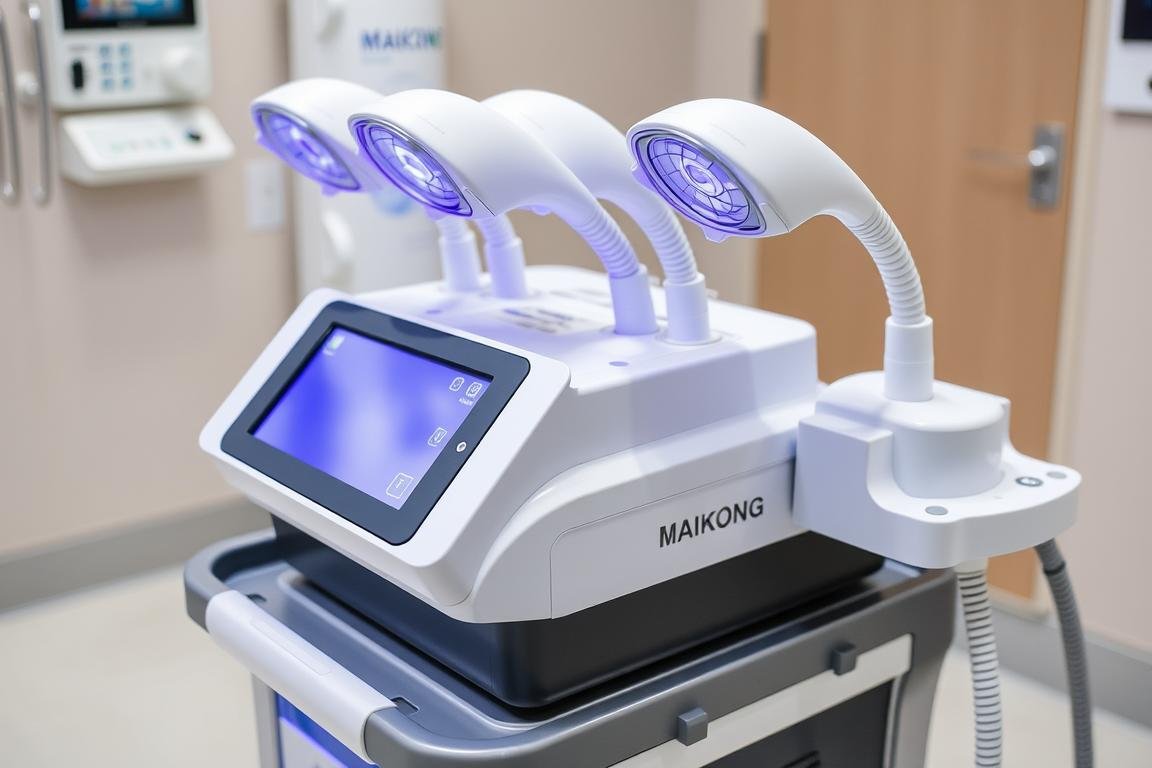
LLLT Laser Therapy Device
Our professional-grade laser therapy device offers multiple wavelength options (660nm, 810nm, 850nm) with adjustable power settings for treating various pain conditions. Ideal for clinics and medical practices.
- Multiple treatment heads for different body areas
- Programmable treatment protocols
- Touch-screen interface
- FDA-cleared technology
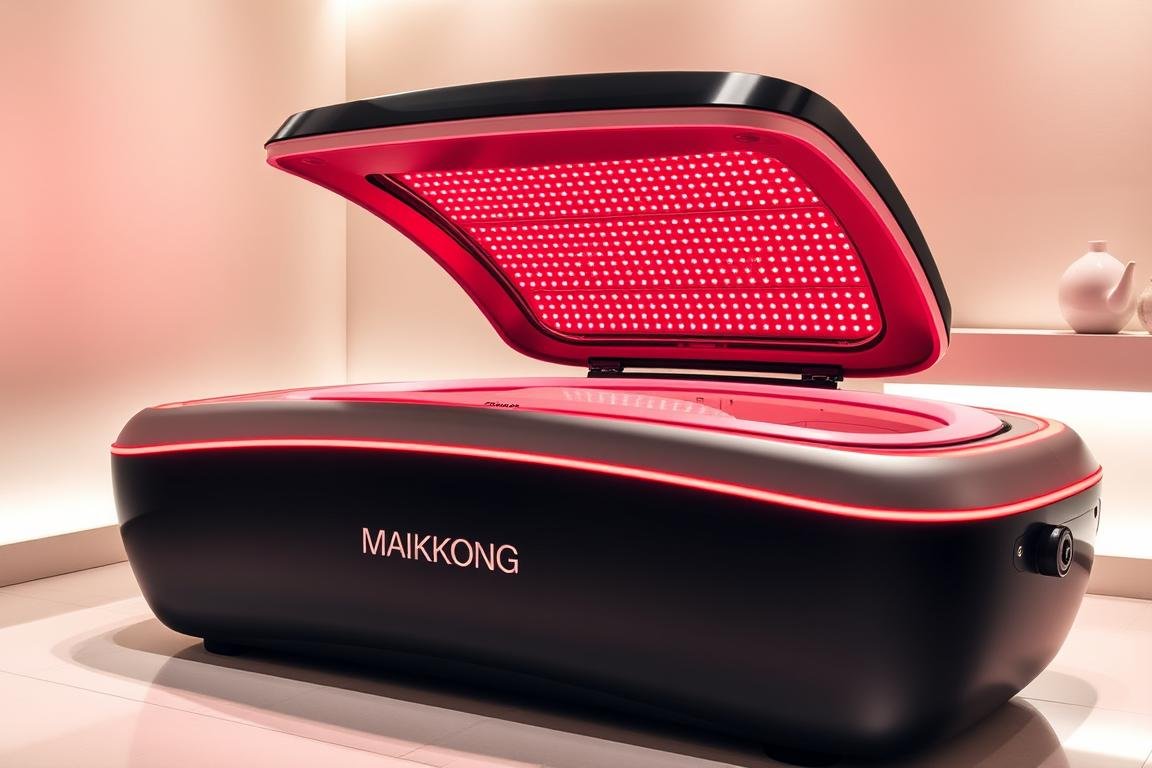
Red Light Therapy Bed
Our full-body red light therapy bed provides comprehensive treatment for multiple pain areas simultaneously. Perfect for wellness centers, spas, and advanced clinics.
- Full-body coverage with 660nm and 850nm LEDs
- Preset programs for different conditions
- Comfortable, ergonomic design
- Energy-efficient operation

LLLT Clothing Device
Our wearable LLLT wraps and garments allow for targeted therapy while maintaining mobility. Ideal for both clinical and home use for specific body areas.
- Flexible design conforms to body contours
- Rechargeable battery for portable use
- Timer function for consistent treatment
- Washable outer covers
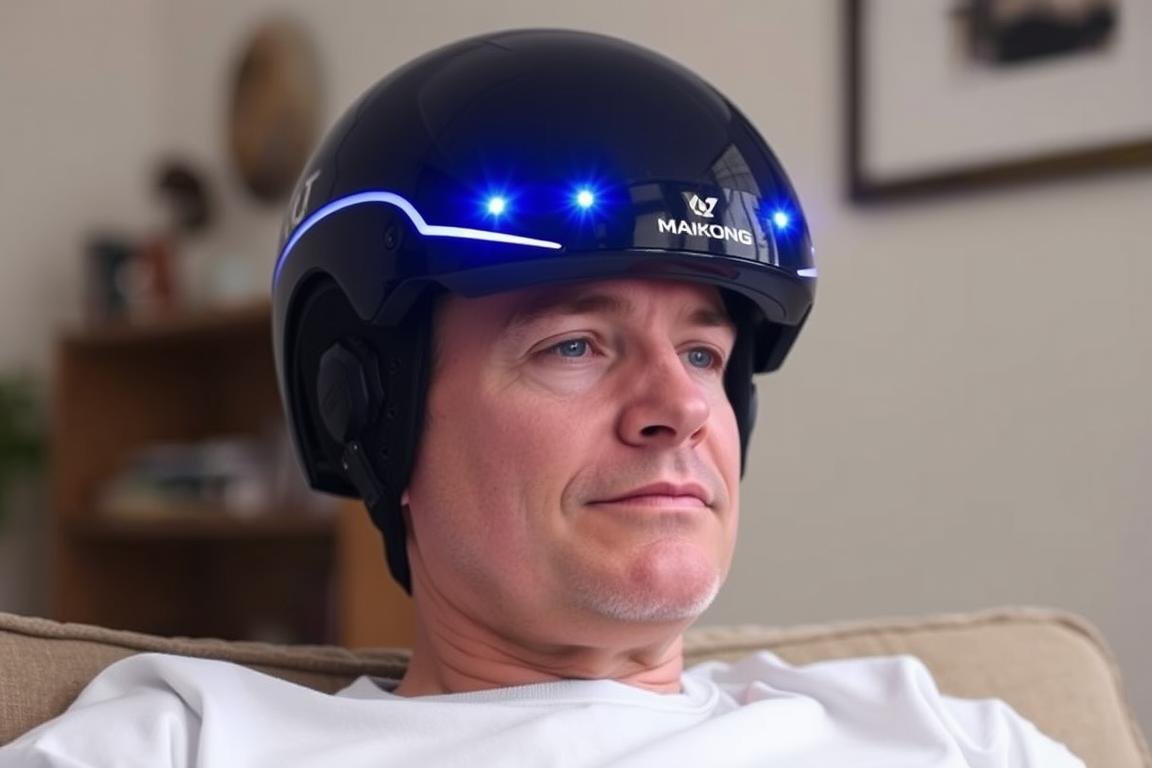
LLLT Helmet
Our specialized helmet delivers targeted therapy for headaches, migraines, and neurological conditions. Features dual-wavelength technology for deeper penetration.
- Covers entire scalp for comprehensive treatment
- Adjustable fit for different head sizes
- Quiet cooling system for comfort
- Portable design for clinical or home use
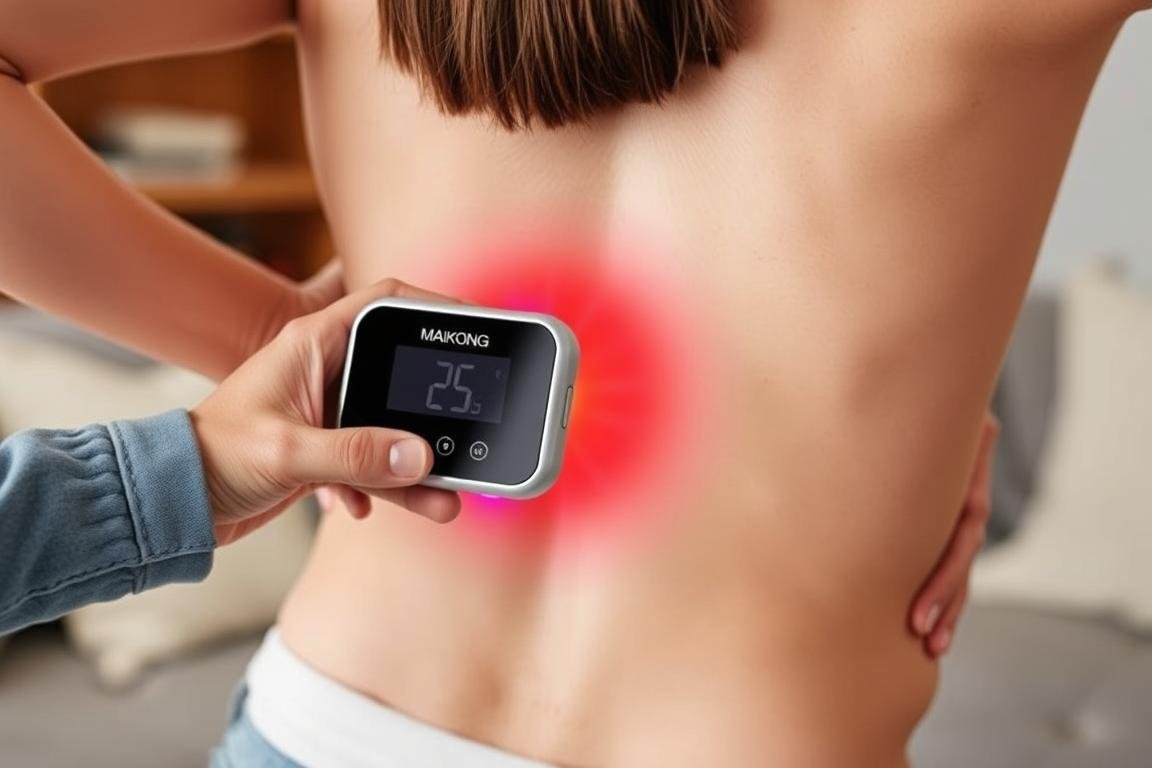
LLLT Home Device
Our consumer-friendly home devices bring professional-grade therapy to patients for daily use. Perfect for managing chronic conditions and supplementing in-clinic treatments.
- User-friendly interface with preset programs
- Compact, portable design
- Rechargeable battery
- Safety features for proper dosing
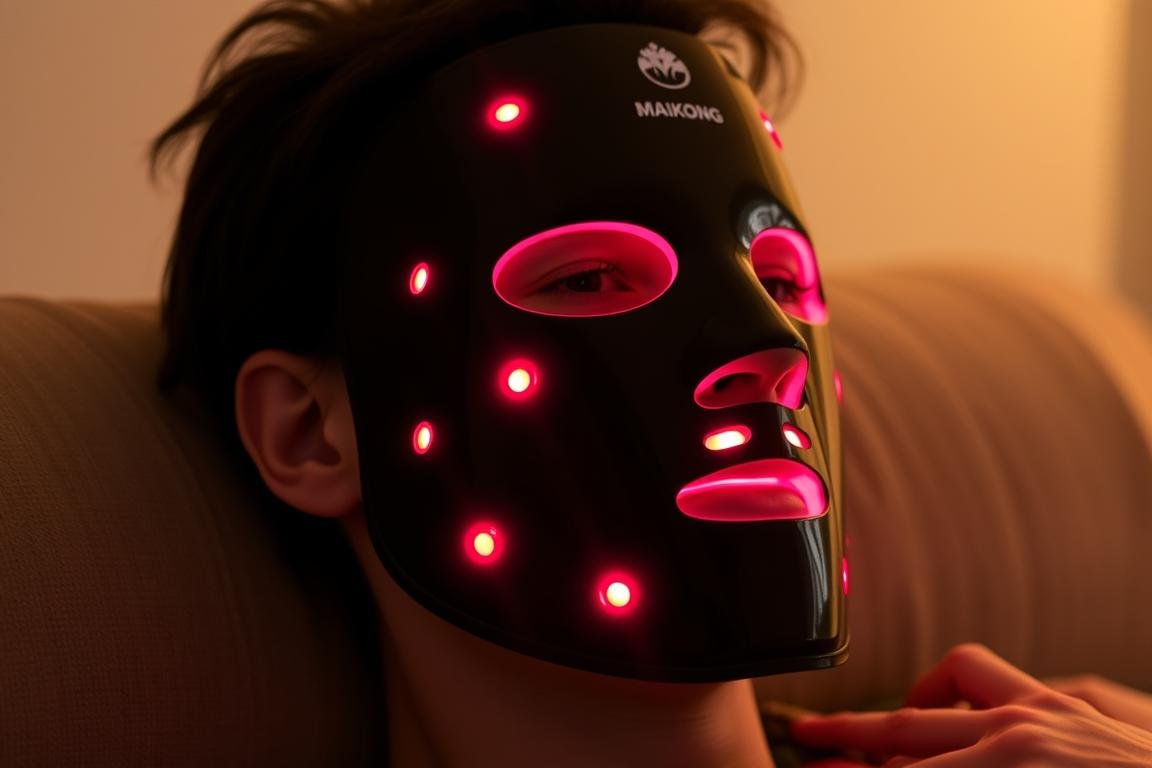
LLLT Mask
Our facial therapy mask targets TMJ pain, sinus discomfort, and facial neuralgia while also providing skin rejuvenation benefits. Dual-purpose design for pain relief and aesthetic improvements.
- Contoured design for optimal coverage
- Multiple light wavelengths for different concerns
- Comfortable, lightweight materials
- Adjustable straps for secure fit
Experience MAIKONG Quality and Value
All MAIKONG devices are designed with optimal cost-effectiveness, combining professional-grade technology with competitive pricing. Our products are backed by comprehensive warranties and ongoing technical support.
Treatment Protocols and Best Practices
Effective Low-Level Laser Therapy for Pain requires proper protocols and application techniques. While specific parameters may vary based on the condition and device used, these general guidelines apply:
Key Treatment Parameters
| Parameter | Typical Range | Importance |
| Wavelength | 600-1000nm (typically 660nm, 810nm, 850nm) | Determines depth of penetration and cellular targets |
| Power Density | 5-500mW/cm² | Affects treatment intensity and time |
| Energy Density | 1-10 J/cm² | Total energy delivered to tissue |
| Treatment Duration | 30 seconds to 10 minutes per point | Ensures adequate dosage without overtreatment |
| Treatment Frequency | 2-5 times weekly (acute); 1-2 times weekly (chronic) | Maintains therapeutic effect |
Treatment Targets
For optimal results, LLLT should target specific anatomical areas:
- The site of injury or pain
- Surrounding tissues that may be affected
- Relevant trigger points
- Nerve pathways involved in pain transmission
- Acupuncture points (when appropriate)
Treatment Course
Most pain conditions require a series of treatments for optimal results:
- Acute conditions: 5-10 treatments
- Chronic conditions: 10-30 treatments
- Maintenance: Periodic treatments as needed
Patients typically begin experiencing relief within 1-3 sessions, with cumulative benefits developing over the treatment course.
MAIKONG Advantage: All MAIKONG devices come with pre-programmed protocols based on scientific research and clinical experience. Our professional models allow for customization of all treatment parameters to meet specific patient needs.
Safety and Considerations
Low-Level Laser Therapy for Pain has an excellent safety profile when properly administered. However, certain precautions should be observed:
LLLT Safety Advantages
- Non-invasive with no cutting or tissue damage
- No known long-term side effects
- No medication interactions
- Painless application
- No recovery time needed
- Suitable for patients who cannot take pain medications
Precautions & Contraindications
- Avoid direct eye exposure (protective eyewear recommended)
- Not recommended directly over cancerous tissues
- Use with caution during pregnancy
- Avoid use over tattoos with metallic inks
- Caution with photosensitizing medications
- Should not replace diagnosis of underlying conditions
Potential Side Effects
Side effects from LLLT are rare and typically mild when they do occur:
- Temporary increase in pain (usually indicates healing response)
- Mild fatigue after treatment
- Slight redness at treatment site (temporary)
Important: While LLLT is generally very safe, it should be used as part of a comprehensive treatment approach. Consult with a healthcare professional before beginning LLLT, especially for serious or undiagnosed pain conditions.
LLLT Compared to Other Pain Management Approaches
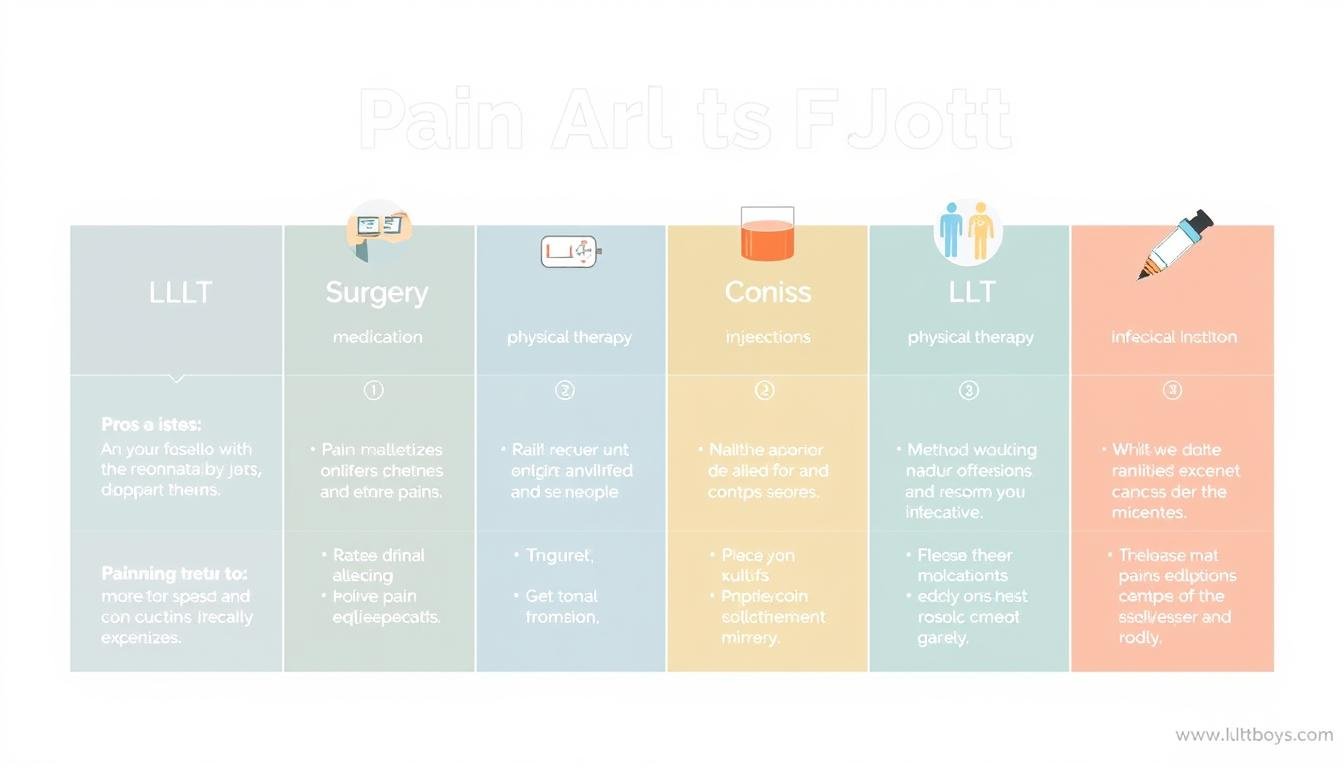
When considering treatment options for pain, it’s helpful to understand how Low-Level Laser Therapy for Pain compares to other common approaches:
| Treatment Approach | Invasiveness | Side Effects | Treatment Time | Long-term Benefits |
| LLLT | Non-invasive | Minimal to none | Short (minutes) | Promotes healing |
| Pain Medications | Non-invasive | Moderate to severe | Quick | No healing promotion |
| Injections | Minimally invasive | Moderate | Quick | Temporary relief |
| Physical Therapy | Non-invasive | Minimal | Extended (hours) | Promotes function |
| Surgery | Highly invasive | Significant | Extended (days) | Variable |
Complementary Approaches
LLLT often works best when combined with other therapies as part of a comprehensive pain management strategy:
- Physical therapy and exercise
- Proper nutrition and hydration
- Stress management techniques
- Ergonomic modifications
- Manual therapies (massage, chiropractic)
“What is needed are effective treatments for pain which have an acceptably low risk-profile. For over forty years, low level laser therapy has been shown to reduce inflammation and edema, induce analgesia, and promote healing in a range of musculoskeletal pathologies.”
Real-World Applications and Results
The effectiveness of Low-Level Laser Therapy for Pain is demonstrated through numerous clinical applications and patient experiences:
Clinical Case Examples
Chronic Back Pain
A 58-year-old patient with chronic lower back pain for 7 years had tried multiple treatments with limited success. After a 12-session course with MAIKONG’s LLLT device, the patient reported a 70% reduction in pain and significantly improved mobility, allowing return to normal daily activities.
Sports Injury Recovery
A 32-year-old athlete with a grade 2 hamstring strain received LLLT treatments beginning 2 days after injury. The recovery time was reduced by approximately 40% compared to standard protocols, with full return to sport in 3 weeks instead of the expected 5-6 weeks.
Arthritis Management
A 67-year-old with rheumatoid arthritis affecting multiple joints used MAIKONG’s wearable LLLT devices for 8 weeks. Results included reduced morning stiffness (from 90 minutes to 15 minutes), decreased pain medication usage, and improved hand dexterity for daily tasks.
Neuropathic Pain
A 45-year-old with diabetic neuropathy affecting both feet experienced burning pain and numbness that interfered with sleep and walking. After 10 LLLT sessions, pain decreased from 8/10 to 3/10, with improved sensation and sleep quality.
Patient Satisfaction
Surveys of patients using MAIKONG LLLT devices show high satisfaction rates:
- 92% reported noticeable pain reduction
- 87% experienced improved function
- 78% reduced their use of pain medications
- 94% would recommend LLLT to others with similar conditions
MAIKONG Agent and Distribution Opportunities
As the demand for effective Low-Level Laser Therapy for Pain solutions continues to grow, MAIKONG is expanding its network of agents and distributors across the United States.
Why Partner with MAIKONG?
- High-quality, cost-effective products with excellent profit margins
- Comprehensive training and marketing support
- Growing market with increasing demand
- Exclusive territory options available
- Multiple product lines to serve different market segments
- Ongoing technical support and product updates

Agent Success Stories
“Becoming a MAIKONG agent has transformed my practice. The devices are not only effective for my patients but also provide an excellent return on investment. The support from MAIKONG has been outstanding from day one.”
Become a MAIKONG Agent Today
Join our growing network of successful distributors and bring MAIKONG’s innovative LLLT solutions to your market. Complete the form below to receive our agent information package.
+86 13510907401WhatsApp: https://wa.me/861351090701
Email: Lucy@lllt.us
Frequently Asked Questions About LLLT for Pain
How quickly can I expect results from Low-Level Laser Therapy for Pain?
Many patients report some improvement after their first or second treatment session. However, the full benefits typically develop over a series of treatments. Acute conditions often respond faster (within 2-6 sessions) while chronic conditions may require 8-20 sessions for optimal results. The cumulative effect of LLLT means that benefits often continue to improve even after the treatment course is completed.
Is LLLT covered by insurance?
Insurance coverage for LLLT varies by provider and policy. Some insurance companies cover LLLT when administered by certain healthcare providers (such as physical therapists or chiropractors) for specific conditions. Medicare and Medicaid generally have limited coverage for LLLT. We recommend checking with your insurance provider regarding your specific coverage. Many patients find that even without insurance coverage, the cost-effectiveness of LLLT makes it a worthwhile investment for pain management.
Can I use MAIKONG devices at home, or do I need professional supervision?
MAIKONG offers both professional-grade devices for clinical use and consumer devices designed specifically for home use. Our home devices feature built-in safety mechanisms and pre-programmed treatment protocols to ensure proper use. While many patients achieve excellent results with home devices, we generally recommend an initial assessment by a healthcare professional to determine the most appropriate treatment approach for your specific condition.
How do MAIKONG devices compare to other LLLT products on the market?
MAIKONG devices stand out for their optimal combination of quality and value. Our products feature medical-grade components, precise wavelength delivery, and user-friendly interfaces. Unlike many competitors, we focus on evidence-based parameters that have been validated in clinical research. Our devices also offer versatility with multiple treatment heads and programs for different conditions. The exceptional cost-effectiveness of MAIKONG products makes advanced LLLT technology accessible to more practitioners and patients.
What training and support does MAIKONG provide?
MAIKONG provides comprehensive training and support for all our products. This includes detailed user manuals, video tutorials, online training sessions, and direct technical support. For our professional devices, we offer advanced clinical training on treatment protocols for various conditions. Our agent partners receive additional business support, marketing materials, and ongoing product updates. Our customer service team is available to answer questions and provide assistance throughout your experience with MAIKONG products.
Conclusion: The Future of Pain Management
Low-Level Laser Therapy for Pain represents a significant advancement in non-invasive pain management. With its strong scientific foundation, excellent safety profile, and growing body of clinical evidence, LLLT offers hope to millions suffering from acute and chronic pain conditions.
MAIKONG is committed to making this technology accessible through high-quality, cost-effective devices for both professional and home use. Our comprehensive product line addresses the full spectrum of pain management needs, from targeted treatment of specific conditions to full-body therapy options.
Whether you’re a healthcare provider looking to enhance your practice offerings, a potential business partner interested in distribution opportunities, or an individual seeking effective pain relief, MAIKONG provides the technology, support, and expertise to help you achieve your goals.
Take the Next Step in Pain Management
Contact MAIKONG today to learn more about our LLLT devices and how they can benefit you or your practice.
Copy©2025