LLLT Therapy Device


Understanding Tinnitus LLLT and Its Therapeutic Foundations
LLLT therapy being administered for tinnitus treatment
Tinnitus LLLT represents a specialized application of low-level laser therapy directed at addressing the underlying mechanisms of tinnitus. Unlike high-power lasers used for cutting or destroying tissues, LLLT employs low-energy lasers or light-emitting diodes to stimulate cellular function without causing thermal damage. The therapeutic wavelengths typically range between 630-980 nm, with most Tinnitus LLLT devices operating in the 650-830 nm spectrum.
The Scientific Basis of Tinnitus LLLT Technology
The fundamental principle behind Tinnitus LLLT involves photobiomodulation – the process by which light energy is absorbed by cellular photoreceptors, triggering biochemical changes within cells. Research indicates that specific wavelengths can penetrate tissue at varying depths, with longer wavelengths (800-830 nm) demonstrating superior penetration through bone and tissue to reach the cochlea and auditory pathways.
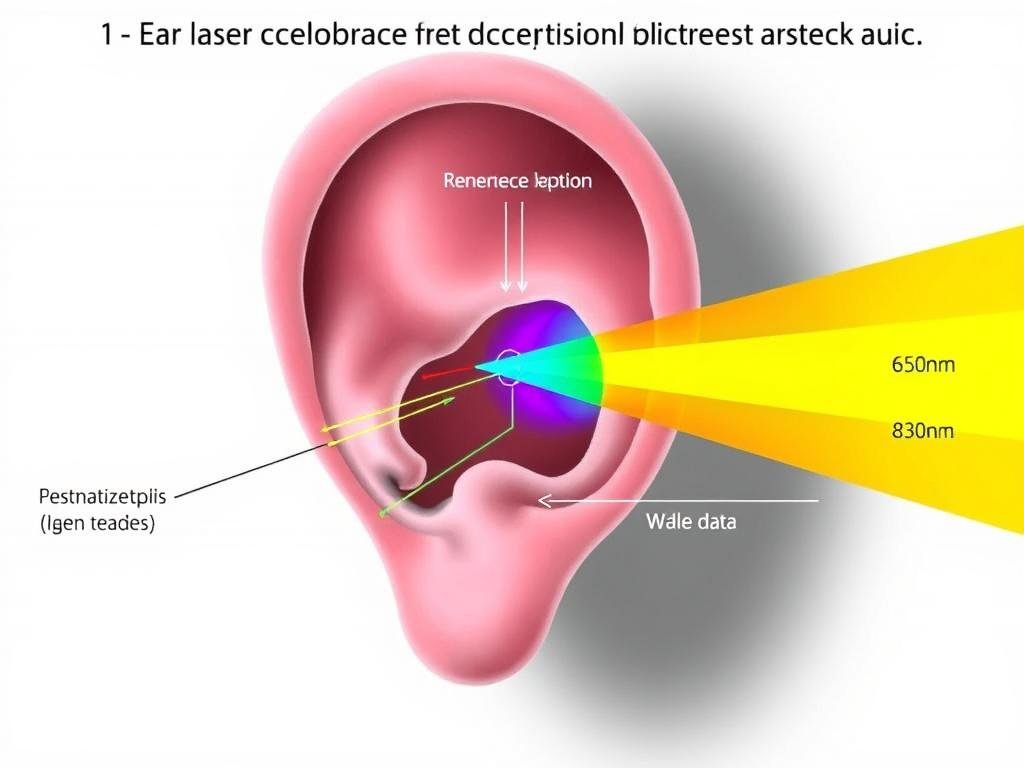
Penetration depths of different LLLT wavelengths through ear tissue
Clinical studies have investigated various delivery methods for Tinnitus LLLT, including:
- Transmeatal application (through the ear canal)
- Transmastoid application (through the mastoid bone)
- Combined approaches targeting multiple pathways
The efficacy of Tinnitus LLLT appears to be influenced by several factors, including wavelength selection, power output, treatment duration, and the underlying cause of tinnitus. Recent research suggests that infrared wavelengths around 810-830 nm may offer superior results due to their ability to penetrate deeper into auditory tissues.
Cellular Mechanisms of Tinnitus LLLT Therapy
At the cellular level, Tinnitus LLLT initiates a cascade of biochemical reactions that can promote healing and restore normal function in damaged auditory tissues. Understanding these mechanisms provides insight into how this therapy may alleviate tinnitus symptoms.
Mitochondrial Enhancement Through Tinnitus LLLT

Mitochondrial response to LLLT in cochlear hair cells
The primary target of Tinnitus LLLT at the cellular level is the mitochondria – the cell’s energy-producing organelles. When photons from the laser are absorbed by cytochrome c oxidase (a chromophore within the mitochondrial respiratory chain), several key processes are activated:
ATP Production Enhancement
Tinnitus LLLT stimulates increased production of adenosine triphosphate (ATP), the primary energy currency of cells. This boost in cellular energy can support repair mechanisms in damaged cochlear hair cells and auditory neurons, potentially reducing the abnormal neural activity associated with tinnitus.
Reactive Oxygen Species Modulation
Controlled production of reactive oxygen species (ROS) serves as signaling molecules that activate transcription factors and influence gene expression. This modulation can trigger protective mechanisms and reduce oxidative stress in auditory tissues.
Nitric Oxide Release
Tinnitus LLLT promotes the release of nitric oxide (NO), a potent vasodilator that improves microcirculation in the cochlea. Enhanced blood flow ensures better oxygen and nutrient delivery to auditory tissues, supporting their recovery and function.
Calcium Ion Dynamics
Light therapy influences intracellular calcium levels, which play a crucial role in cell signaling pathways. Normalized calcium dynamics can help restore proper neural firing patterns in auditory pathways disrupted in tinnitus.
Cellular Proliferation and Repair Mechanisms in Tinnitus LLLT
Beyond immediate energy enhancement, Tinnitus LLLT activates longer-term cellular processes that support tissue repair and regeneration:
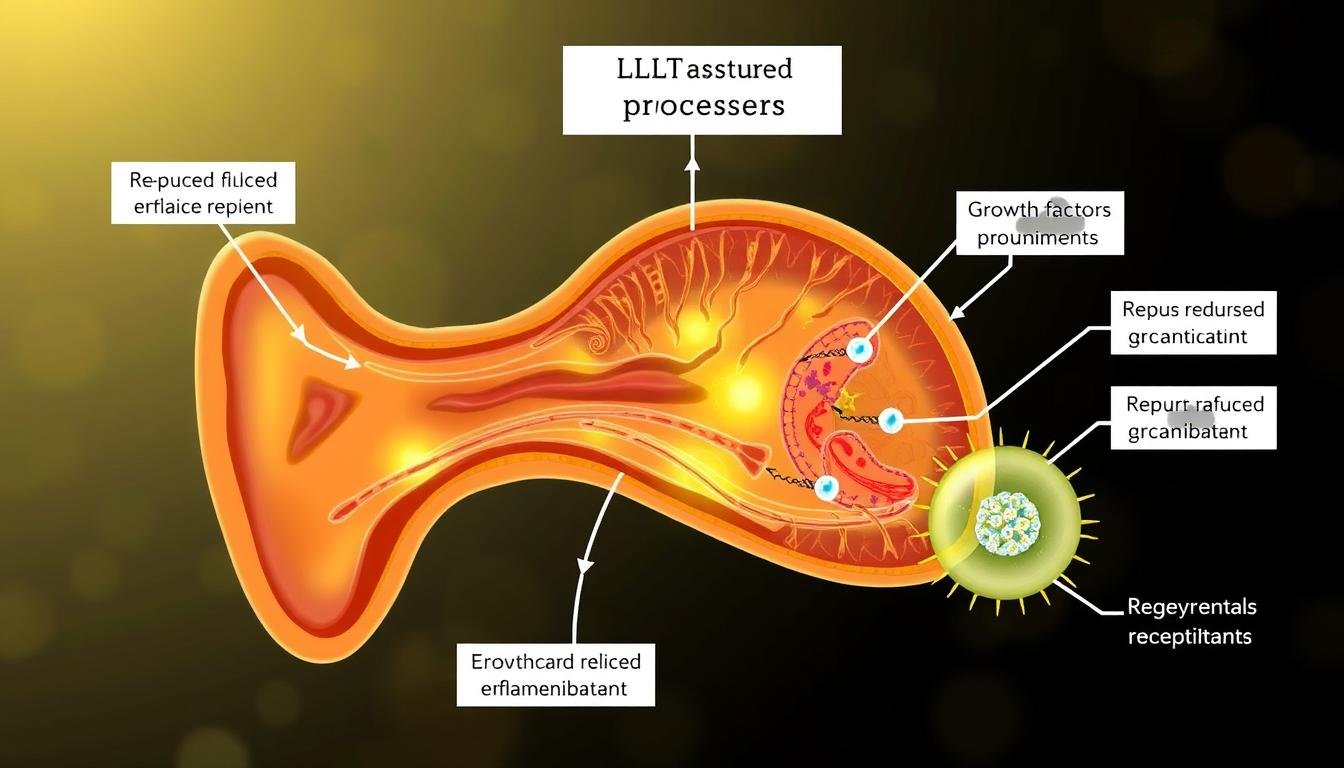
Cellular repair processes activated by LLLT in cochlear tissues
- Increased DNA and RNA synthesis, supporting cellular regeneration
- Enhanced production of growth factors, including nerve growth factor (NGF) and brain-derived neurotrophic factor (BDNF)
- Activation of stem cells and progenitor cells in cochlear tissues
- Modulation of fibroblast activity and collagen production
- Reduction in apoptosis (programmed cell death) of damaged but viable cells
These cellular mechanisms collectively contribute to the potential efficacy of Tinnitus LLLT by addressing the underlying cellular dysfunction that may contribute to tinnitus perception.
Neurological Impact of Tinnitus LLLT on Tinnitus Symptoms
Tinnitus is increasingly understood as a neurological disorder involving abnormal neural activity throughout the auditory pathway. Tinnitus LLLT appears to influence these neural networks in several significant ways.

Neural activity changes in auditory processing regions following LLLT treatment
Neural Plasticity Modulation Through Tinnitus LLLT
Current theories suggest that tinnitus results from maladaptive neuroplasticity following cochlear damage. Tinnitus LLLT may help normalize these aberrant neural connections through several mechanisms:
Inhibitory Neurotransmission Enhancement
Tinnitus LLLT may increase GABAergic inhibitory activity in the auditory system, helping to suppress the hyperactivity associated with tinnitus perception. This rebalancing of excitatory and inhibitory neurotransmission is crucial for normalizing auditory processing.
Tonotopic Map Reorganization
Following hearing loss, the brain’s tonotopic organization (frequency mapping) can become distorted. Evidence suggests that Tinnitus LLLT may promote more organized neural representations of sound frequencies, potentially reducing phantom sound perception.
Neural Synchrony Regulation
Tinnitus is associated with abnormal synchronous firing of neurons in auditory pathways. Tinnitus LLLT may help desynchronize this activity, reducing the coherent neural signals that manifest as tinnitus perception.
Auditory Pathway Modulation
From the cochlear nucleus to the auditory cortex, Tinnitus LLLT may influence neural processing at multiple levels of the auditory pathway, helping to normalize the aberrant activity that contributes to tinnitus.
Neurobiochemical Effects of Tinnitus LLLT Therapy
Beyond direct neural activity modulation, Tinnitus LLLT influences the neurochemical environment in ways that may benefit tinnitus sufferers:
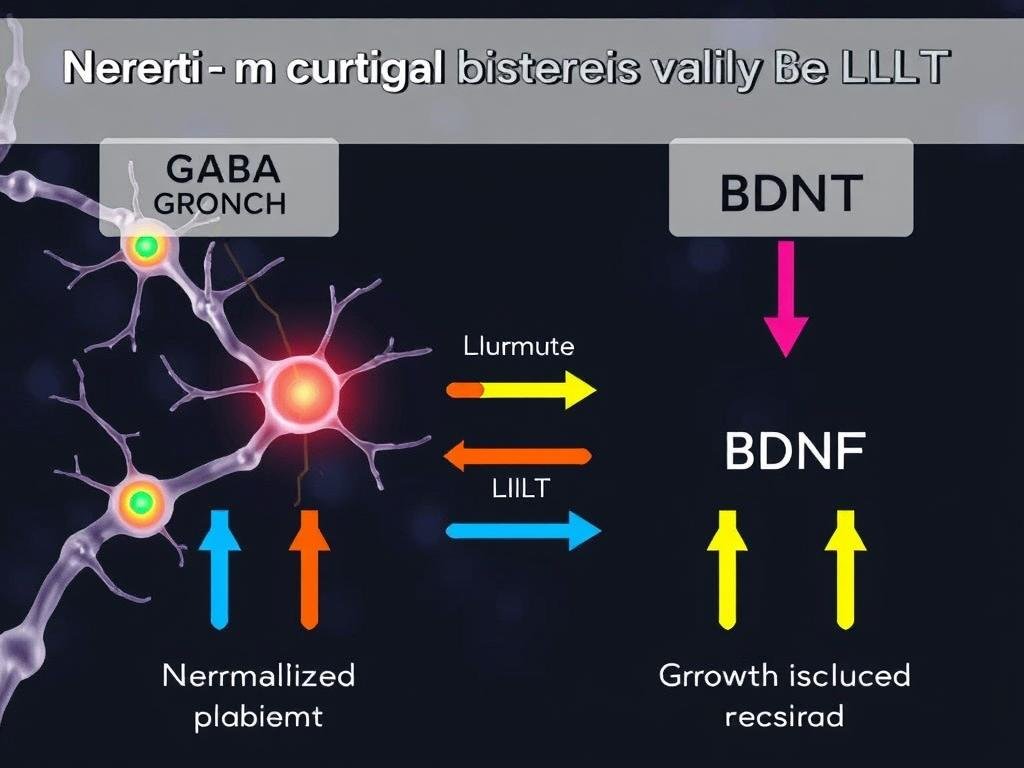
Neurochemical modulation in auditory pathways following LLLT
- Increased production of neurotrophic factors that support neuronal health and function
- Modulation of inflammatory cytokines that may contribute to neural dysfunction
- Regulation of oxidative stress in neural tissues
- Potential influence on serotonin and dopamine pathways, affecting emotional responses to tinnitus
These neurological mechanisms collectively suggest that Tinnitus LLLT may address tinnitus not merely as a cochlear phenomenon but as a complex neurological condition involving multiple brain regions and neural circuits.
Vascular and Anti-Inflammatory Effects of Tinnitus LLLT
Microcirculation impairment and inflammation are significant factors in many cases of tinnitus, particularly those associated with age-related hearing loss, noise exposure, or vascular disorders. Tinnitus LLLT demonstrates notable effects on both vascular function and inflammatory processes.
Cochlear Blood Flow Enhancement Through Tinnitus LLLT
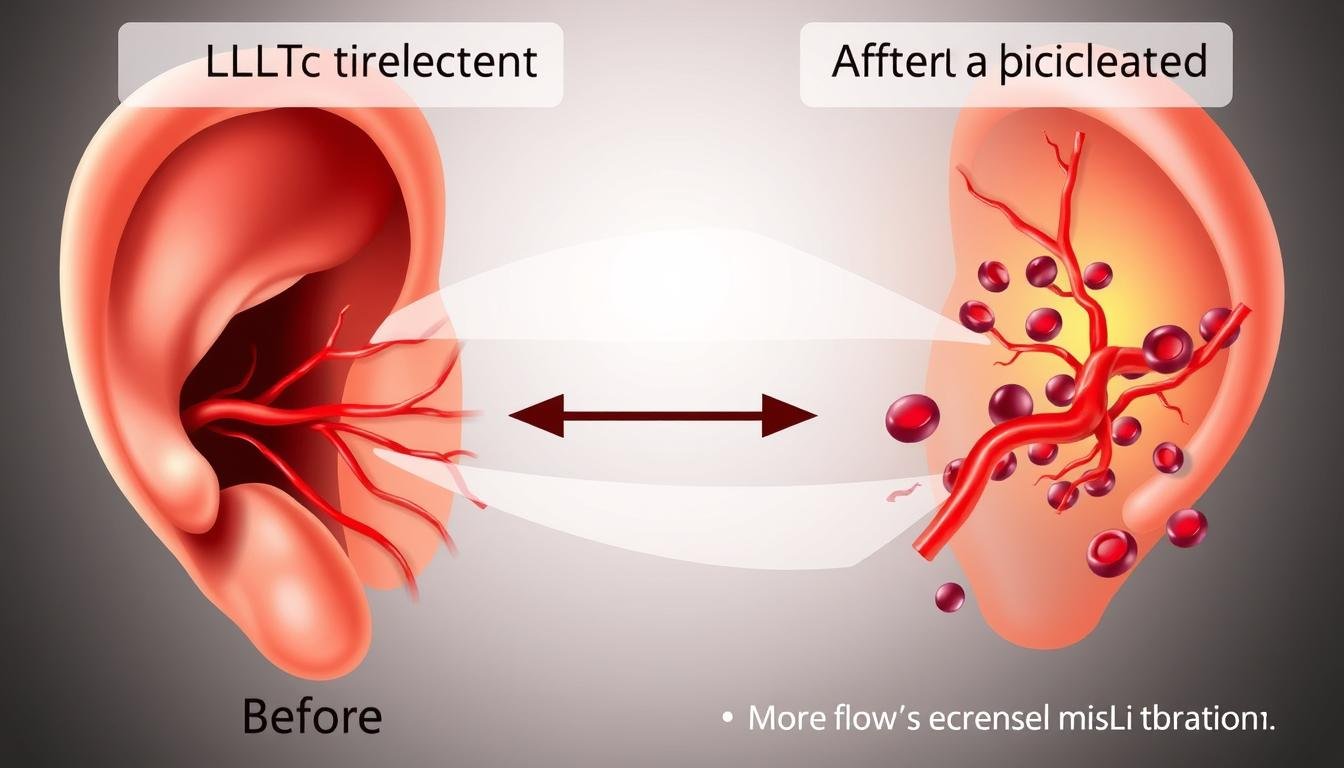
Enhanced cochlear microcirculation following LLLT treatment
Tinnitus LLLT improves vascular function through several mechanisms:
Vasodilation and Microcirculation
Through the release of nitric oxide and other vasodilatory factors, Tinnitus LLLT promotes relaxation of vascular smooth muscle, leading to increased vessel diameter and improved blood flow in the cochlea and auditory pathways.
Angiogenesis Stimulation
Longer-term Tinnitus LLLT treatment may promote the formation of new blood vessels through increased expression of vascular endothelial growth factor (VEGF) and other angiogenic factors, further enhancing tissue perfusion.
Rheological Properties
Tinnitus LLLT can improve blood rheology (flow properties) by reducing platelet aggregation and blood viscosity, allowing for more efficient microcirculation in the small vessels of the inner ear.
Endothelial Function
By enhancing endothelial cell function and reducing oxidative stress, Tinnitus LLLT helps maintain vascular integrity and responsiveness, crucial for proper cochlear function.
Anti-Inflammatory Pathways Activated by Tinnitus LLLT
Inflammation plays a significant role in many forms of tinnitus, particularly following acoustic trauma or ototoxic injury. Tinnitus LLLT demonstrates potent anti-inflammatory effects through multiple pathways:
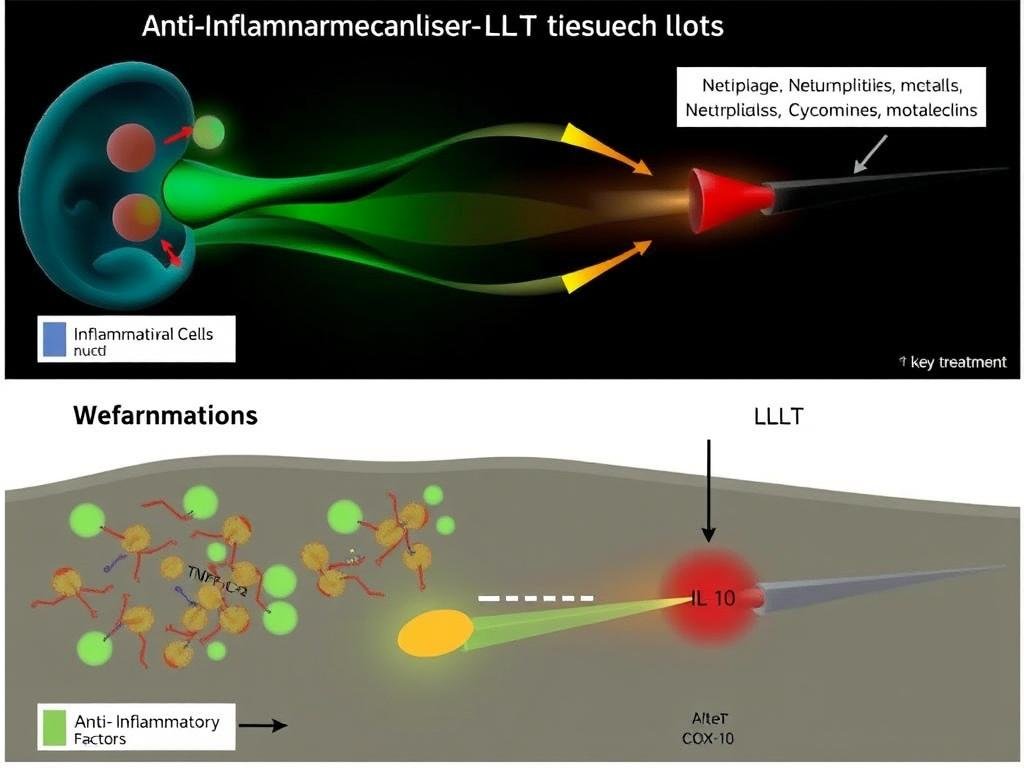
Anti-inflammatory mechanisms of LLLT in cochlear tissues
- Reduction in pro-inflammatory cytokines (IL-1β, TNF-α, IL-6)
- Increase in anti-inflammatory cytokines (IL-10)
- Modulation of cyclooxygenase-2 (COX-2) expression
- Reduction in prostaglandin E2 production
- Decreased neutrophil infiltration and activation
- Modulation of macrophage phenotype toward anti-inflammatory profiles
These vascular and anti-inflammatory effects of Tinnitus LLLT may be particularly beneficial for tinnitus cases with underlying vascular insufficiency or inflammatory components, highlighting the importance of proper diagnosis in determining potential treatment response.
MAIKONG Tinnitus LLLT Devices: Advanced Technology for Home Treatment
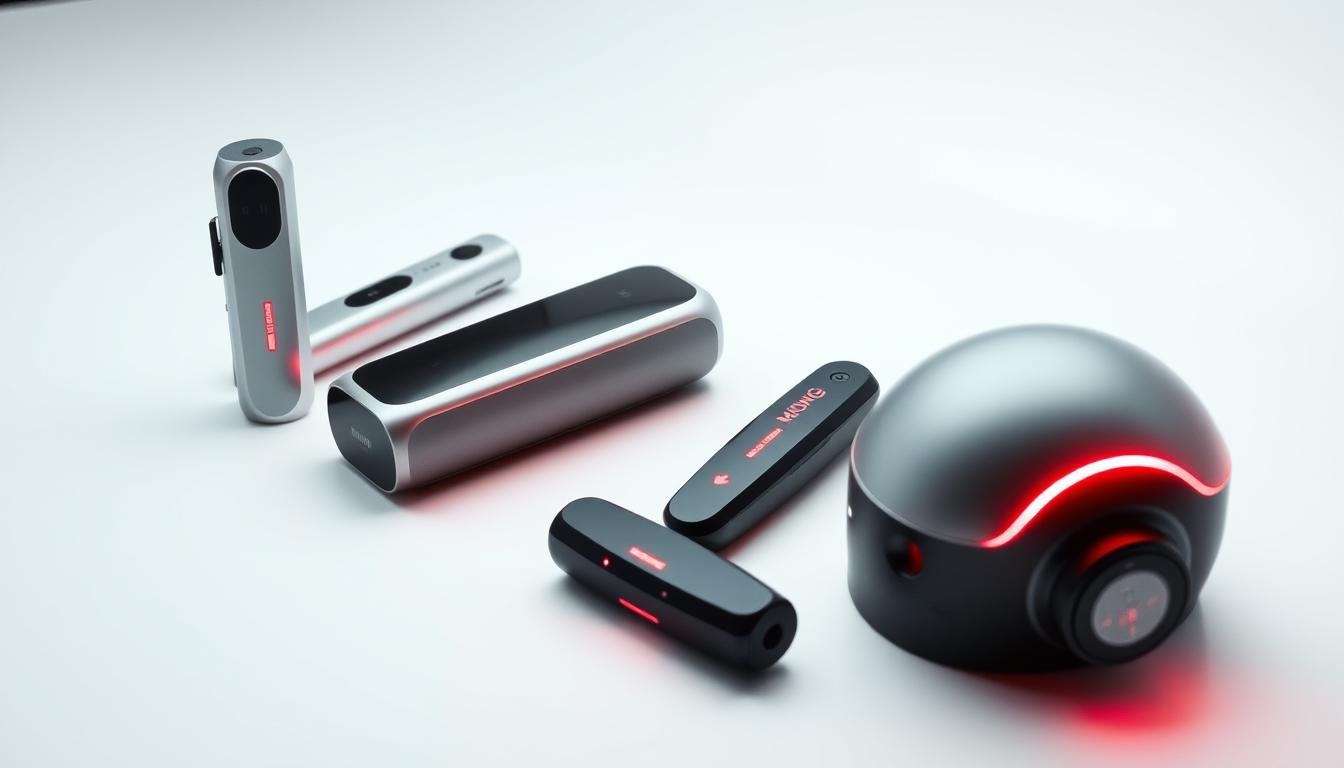
MAIKONG’s advanced LLLT device lineup for tinnitus treatment
Building on the scientific mechanisms described above, MAIKONG has developed a comprehensive range of Tinnitus LLLT devices that incorporate the latest advancements in photobiomodulation technology. These devices are designed to deliver precise therapeutic wavelengths to the auditory system, maximizing potential benefits while ensuring safety and ease of use.
Key Features of MAIKONG Tinnitus LLLT Technology
Optimal Wavelength Selection
MAIKONG devices utilize dual-wavelength technology (650nm and 830nm) to maximize both superficial and deep tissue penetration, ensuring comprehensive coverage of all auditory structures involved in tinnitus.
Precision Power Output
With adjustable power settings ranging from 5mW to 100mW, MAIKONG Tinnitus LLLT devices deliver the optimal energy dosage for therapeutic effect without risk of thermal damage to sensitive ear tissues.
Ergonomic Design
MAIKONG’s devices feature anatomically-designed applicators specifically contoured for comfortable placement in the ear canal or against the mastoid bone, ensuring precise light delivery to target tissues.
Programmable Treatment Protocols
Pre-programmed treatment sequences based on clinical research allow for optimized therapy sessions tailored to different types and severities of tinnitus.
MAIKONG Tinnitus LLLT Product Line
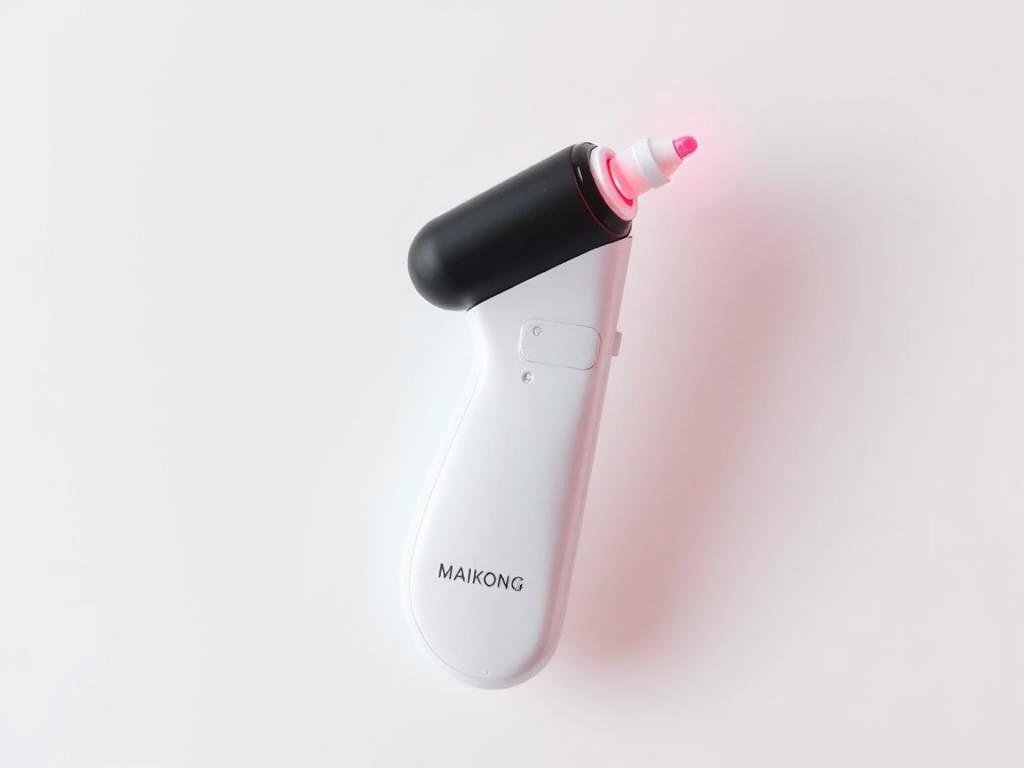
MAIKONG LLLT Ear Device
Our specialized ear probe delivers precise light therapy directly to the auditory canal, targeting the cochlea and inner ear structures most affected by tinnitus.
- Dual wavelength: 650nm and 830nm
- Adjustable power: 5-50mW
- Treatment time: 15-20 minutes
- Rechargeable battery with 10+ treatments per charge
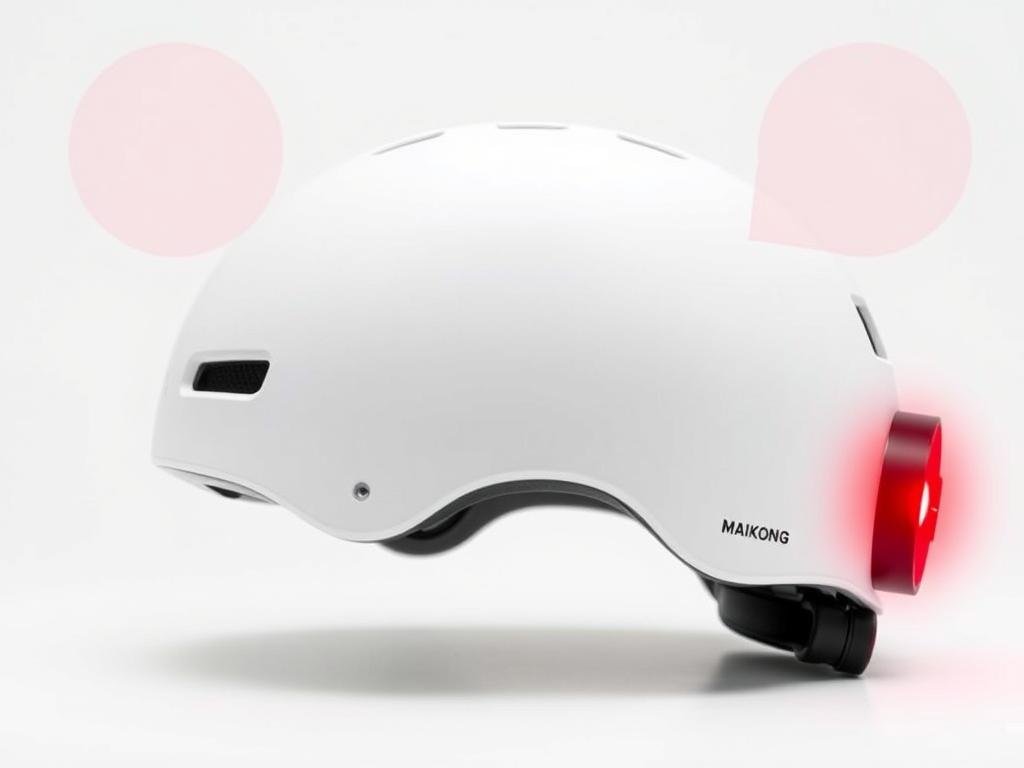
MAIKONG LLLT Helmet
Our comprehensive helmet system combines ear probes with strategically positioned diodes to target both peripheral and central auditory pathways involved in tinnitus perception.
- Multi-wavelength system: 650nm, 810nm, and 830nm
- 42 high-output diodes plus dedicated ear probes
- Programmable treatment protocols for different tinnitus types
- Bluetooth connectivity for treatment tracking
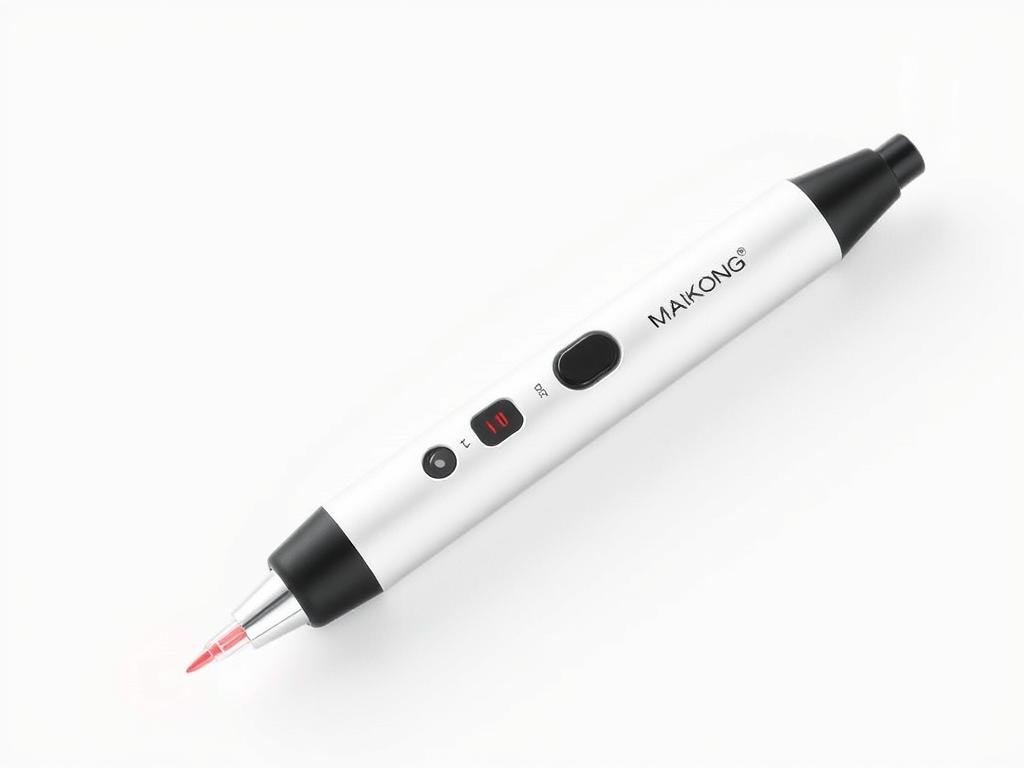
MAIKONG Portable LLLT Pen
Our compact, travel-friendly device delivers effective tinnitus therapy anywhere, anytime, with the same therapeutic wavelengths as our professional systems.
- Single wavelength: 650nm or 830nm options
- 5-30mW adjustable output
- Pocket-sized for convenient travel
- One-button operation with automatic timing
Experience the Science of Tinnitus LLLT with MAIKONG
Our advanced LLLT devices harness the proven mechanisms of photobiomodulation to address tinnitus at its source. With precision engineering and user-friendly design, MAIKONG brings professional-grade light therapy into your home.
Questions? Contact us directly: +86 13510907401 or Lucy@lllt.us
Clinical Evidence Supporting Tinnitus LLLT Efficacy
The scientific mechanisms described above are supported by a growing body of clinical research examining the effectiveness of Tinnitus LLLT for various types of tinnitus. While results vary across studies, several key findings emerge from the literature.
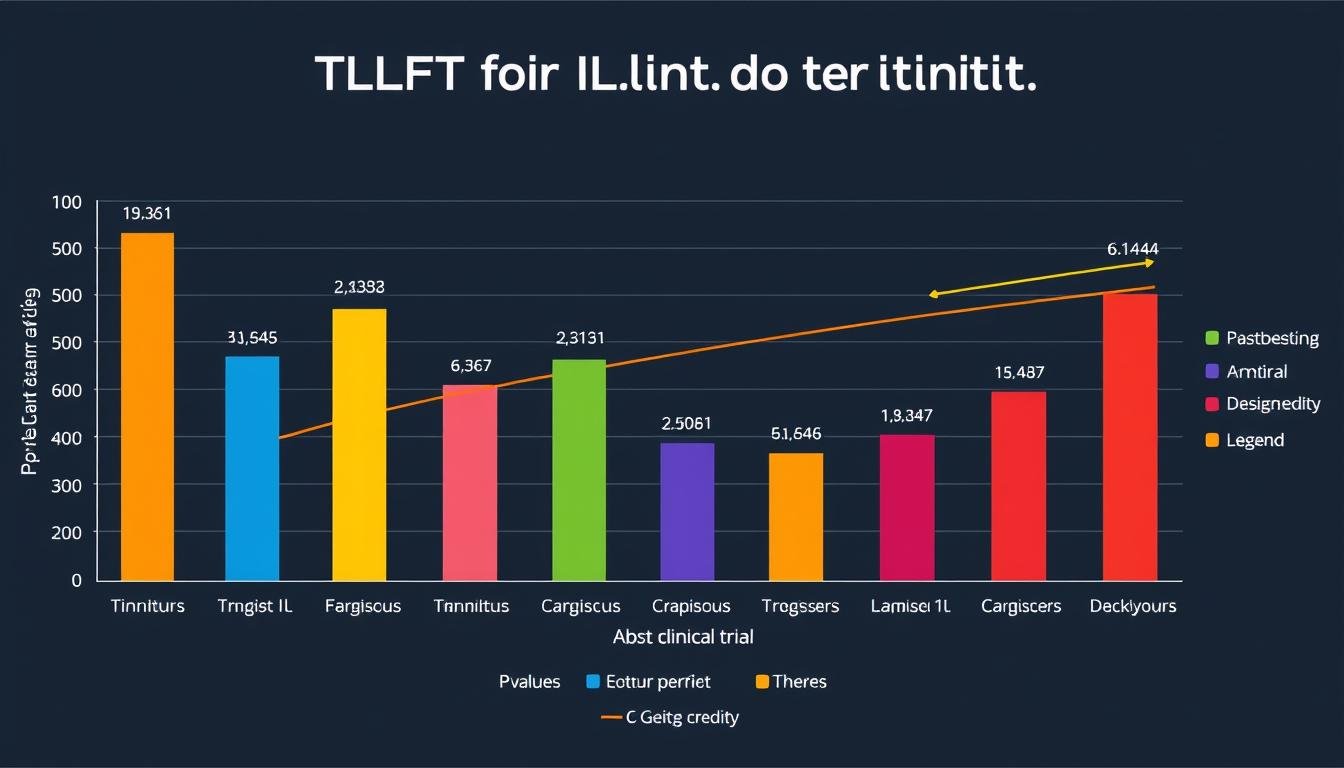
Comparative analysis of tinnitus severity reduction across clinical LLLT studies
Key Findings from Tinnitus LLLT Research
Efficacy Rates
Clinical studies report improvement rates ranging from 15% to 67% of patients receiving Tinnitus LLLT, with variation likely due to differences in treatment protocols, patient selection, and tinnitus etiology.
Wavelength Considerations
Research suggests that infrared wavelengths (810-830 nm) may offer superior results compared to red wavelengths (630-670 nm) due to deeper tissue penetration, though combination approaches show promise.
Treatment Duration
Most successful Tinnitus LLLT protocols involve 10-20 treatment sessions over 3-6 weeks, with some studies indicating that maintenance sessions may help sustain benefits.
Patient Selection Factors
Research indicates that Tinnitus LLLT may be most effective for patients with cochlear dysfunction, particularly those with noise-induced hearing loss or recent-onset tinnitus.
“Low-level laser therapy can offer significant benefit in treatment of tinnitus. Further experimental studies, especially randomized controlled trials, are needed to assess the effect of these factors on the treatment efficacy.”
While more research is needed to definitively establish optimal treatment parameters and identify ideal candidates for Tinnitus LLLT, the existing evidence provides a promising foundation for this non-invasive approach to tinnitus management.
Becoming a MAIKONG Tinnitus LLLT Distributor in the United States
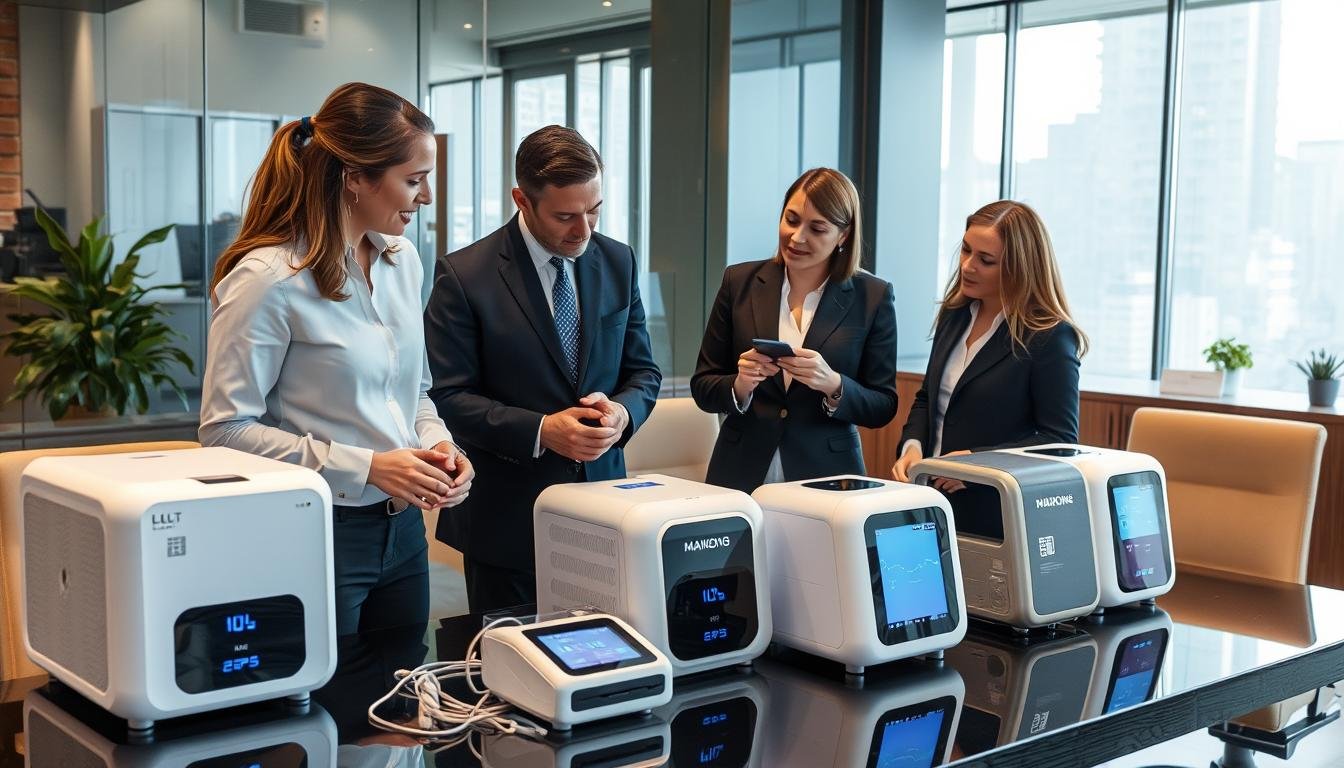
MAIKONG offers exclusive dealership opportunities across the United States
MAIKONG is actively expanding its presence in the United States through strategic partnerships with healthcare providers, audiology clinics, and medical equipment distributors. As awareness of Tinnitus LLLT continues to grow, we invite qualified partners to join us in bringing this innovative technology to the millions of Americans suffering from tinnitus.
MAIKONG Tinnitus LLLT Dealership Benefits
Exclusive Territory Rights
Secure protected geographic territories with exclusive rights to distribute MAIKONG Tinnitus LLLT devices to both clinical and consumer markets.
Comprehensive Training
Receive in-depth product knowledge, clinical application training, and sales support to effectively market Tinnitus LLLT technology to your customer base.
Competitive Pricing Structure
Benefit from industry-leading margins on MAIKONG’s complete line of Tinnitus LLLT devices, with volume-based incentives and promotional support.
Marketing Resources
Access professionally designed marketing materials, clinical research summaries, and patient education resources to support your Tinnitus LLLT business development.
Join the MAIKONG Tinnitus LLLT Distribution Network
Discover how you can become part of the growing field of photobiomodulation therapy while building a profitable business with MAIKONG’s industry-leading LLLT devices.
For immediate assistance, contact our Dealership Development Team:
Conclusion: The Future of Tinnitus LLLT Technology
The scientific mechanisms underlying Tinnitus LLLT represent a promising frontier in non-invasive tinnitus management. By addressing the condition at multiple levels – from cellular energetics and vascular function to neural plasticity and inflammation – this therapeutic approach offers a comprehensive strategy for addressing the complex pathophysiology of tinnitus.
As research continues to refine our understanding of optimal parameters, treatment protocols, and patient selection criteria, Tinnitus LLLT is likely to play an increasingly important role in the multidisciplinary approach to tinnitus management. MAIKONG remains at the forefront of this evolving field, combining scientific innovation with user-friendly design to make effective light therapy accessible to tinnitus sufferers worldwide.
Whether you’re a patient seeking relief from persistent tinnitus or a healthcare provider interested in expanding your treatment options, MAIKONG’s advanced Tinnitus LLLT devices offer a science-based approach backed by ongoing research and development. Contact us today to learn more about how MAIKONG’s LLLT technology can help address the challenging condition of tinnitus.
Take the Next Step in Tinnitus LLLT Technology
Explore MAIKONG’s complete range of advanced light therapy devices for tinnitus management.
Contact us: +86 13510907401 | Lucy@lllt.us
Copy©2025