LLLT Therapy Device

Top 10 Health Benefits of LLLT You Should Know
Low-Level Laser Therapy (LLLT), also known as cold laser therapy or photobiomodulation, is gaining recognition as a non-invasive treatment option for various health conditions. This therapeutic approach uses low-power lasers or light-emitting diodes (LEDs) to stimulate healing, reduce pain, and enhance cellular function without generating heat or damaging tissue. As research continues to validate its effectiveness, more healthcare professionals are incorporating LLLT into their treatment protocols. In this article, we’ll explore the top 10 evidence-backed benefits of LLLT and how this innovative therapy might help address your health concerns.
What Is Low-Level Laser Therapy and How Does It Work?
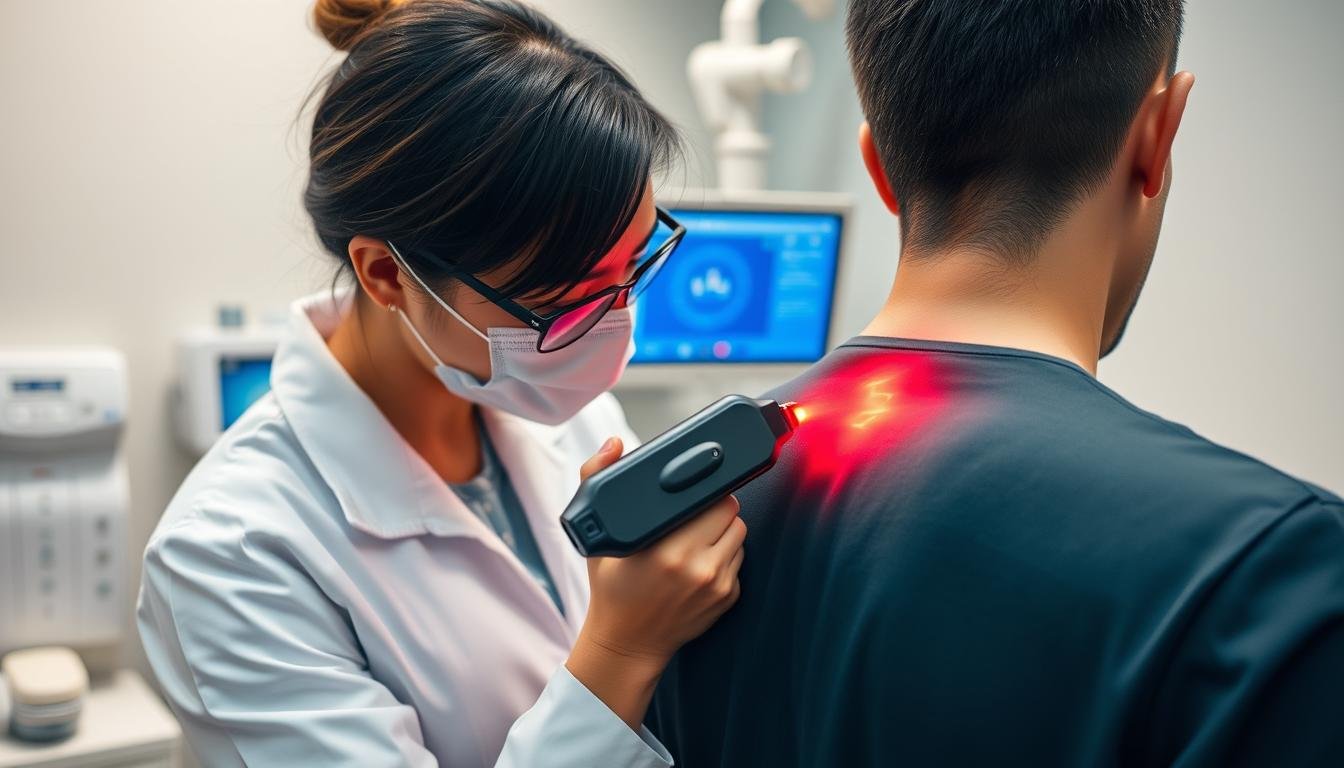
Low-level laser therapy uses specific wavelengths of light to stimulate cellular healing processes
Low-Level Laser Therapy works by delivering specific wavelengths of light energy to your body’s cells. Unlike high-power lasers used for cutting or cauterizing tissue, LLLT uses low-power lasers (typically less than 500mW) that don’t generate significant heat or cause tissue damage.
The science behind LLLT involves the first law of photochemistry (Grotthuss-Draper law), which states that light must be absorbed by a chemical substance for a photochemical reaction to occur. In your body, this chemical substance is primarily cytochrome c oxidase, a key enzyme in the mitochondria—your cells’ energy-producing centers.
When the light energy is absorbed, it enhances cellular energy production (ATP), improves blood circulation, reduces inflammation, and stimulates the release of beneficial compounds that promote healing. Different wavelengths of light (red, near-infrared, green, or violet) target different cellular mechanisms, making LLLT versatile for various conditions.
“LLLT creates a photochemical reaction that triggers a series of biological responses in cells, similar to how plants use photosynthesis to convert light energy into chemical energy.”
1. Pain Relief and Management

One of the most well-documented LLLT benefits is pain relief. Clinical studies have shown that LLLT can effectively reduce various types of pain, including:
- Chronic neck and back pain
- Arthritis and joint pain
- Muscle strains and sprains
- Tendinitis and carpal tunnel syndrome
- Neuropathic pain conditions
LLLT works to relieve pain through multiple mechanisms. It reduces inflammation by decreasing pro-inflammatory cytokines and increasing anti-inflammatory factors. The therapy also blocks pain signals by affecting nerve conduction and stimulates the production of endorphins—your body’s natural painkillers.
A systematic review published in The Lancet found that LLLT significantly reduced neck pain compared to placebo treatments, with effects lasting up to 22 weeks. For many patients, LLLT offers an attractive alternative to pain medications, which often come with unwanted side effects.
2. Accelerated Wound Healing
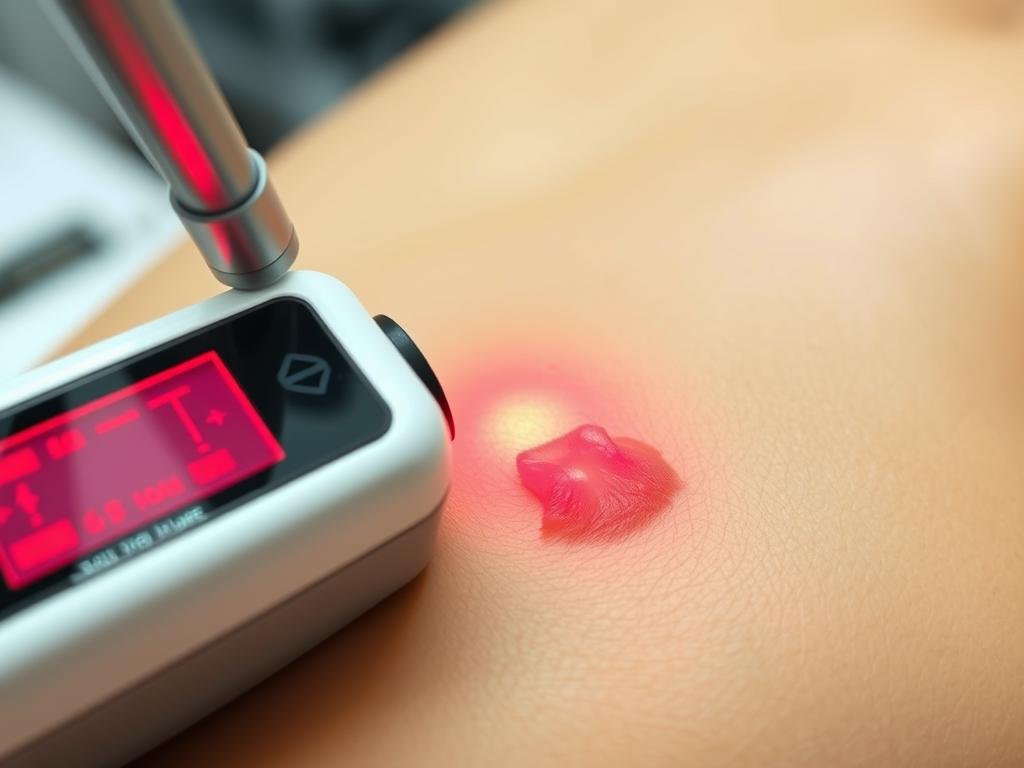
LLLT has shown remarkable ability to speed up the healing process for various types of wounds, including:
- Surgical incisions
- Diabetic ulcers
- Pressure sores
- Burns
- Traumatic injuries
The healing benefits of LLLT stem from its ability to stimulate cellular activity. When applied to wounded tissue, the light energy increases fibroblast development—these are the building blocks of collagen, which is essential for wound repair. LLLT also enhances the formation of new blood vessels (angiogenesis), improving blood supply to the healing tissue.
Additionally, LLLT reduces the formation of scar tissue, leading to better cosmetic outcomes. Research has shown that wounds treated with LLLT close faster and have a reduced risk of infection compared to untreated wounds.
3. Reduced Inflammation
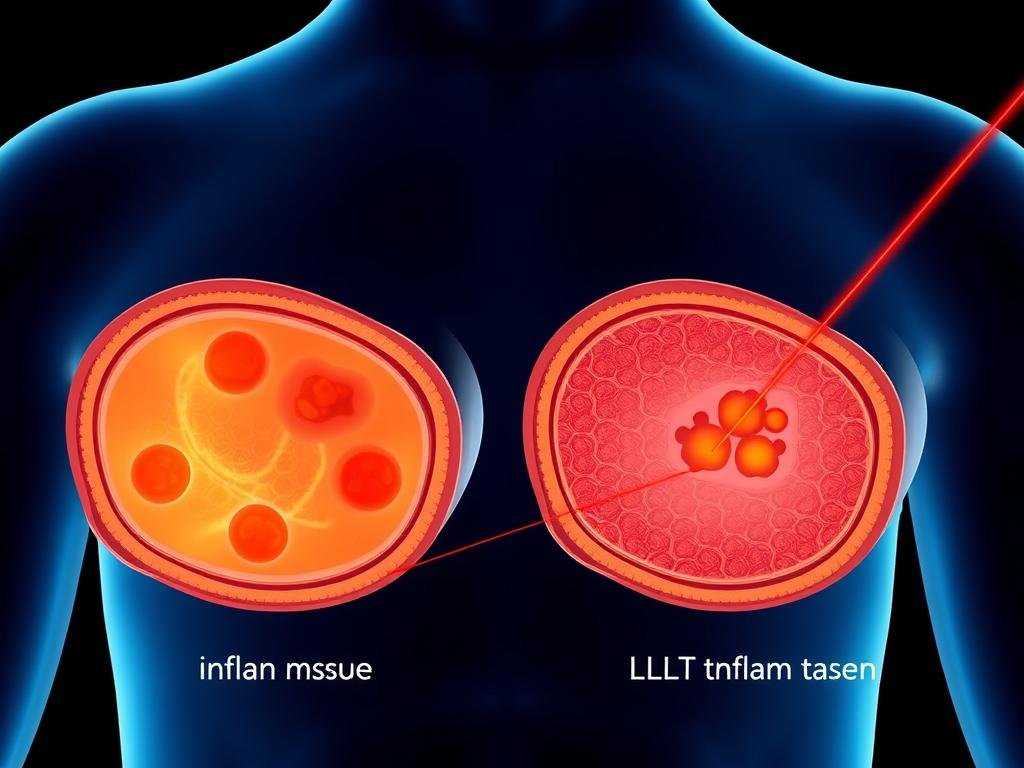
Inflammation is your body’s natural response to injury or infection, but when it becomes chronic, it can lead to pain and tissue damage. LLLT has powerful anti-inflammatory effects that work at the cellular level.
When LLLT is applied to inflamed tissue, it:
- Decreases levels of pro-inflammatory cytokines
- Increases production of anti-inflammatory factors
- Reduces oxidative stress by neutralizing free radicals
- Improves lymphatic flow to remove inflammatory waste products
These effects make LLLT particularly valuable for inflammatory conditions like rheumatoid arthritis, tendinitis, and various autoimmune disorders. By addressing inflammation at its source, LLLT helps break the cycle of pain and tissue damage that characterizes many chronic conditions.
LLLT has been shown to reduce inflammatory markers by up to 70% in some clinical studies, making it a promising option for managing chronic inflammatory conditions.
4. Hair Growth Stimulation

For those struggling with hair loss, LLLT offers a non-invasive treatment option with promising results. Clinical studies have shown that LLLT can effectively treat various forms of alopecia, including:
- Androgenetic alopecia (male and female pattern baldness)
- Alopecia areata
- Telogen effluvium (temporary hair shedding)
LLLT stimulates hair growth through several mechanisms. It increases blood flow to hair follicles, delivering more oxygen and nutrients. The therapy also activates stem cells in the hair follicle, encouraging them to produce new hair. Additionally, LLLT extends the growth phase (anagen phase) of the hair cycle while reducing the shedding phase.
A 2019 meta-analysis found that LLLT increased hair density and thickness in both men and women with androgenetic alopecia. The therapy is available in various forms, including laser combs, helmets, and caps for at-home use, as well as professional treatments in clinics.
5. Improved Skin Health and Appearance

LLLT has gained popularity in dermatology and aesthetic medicine for its ability to improve skin health and appearance. The therapy offers benefits for various skin concerns:
- Reducing fine lines and wrinkles
- Improving skin texture and tone
- Minimizing acne and acne scars
- Treating rosacea and other inflammatory skin conditions
- Accelerating healing after cosmetic procedures
These skin benefits stem from LLLT’s ability to stimulate collagen and elastin production—proteins that give skin its structure and elasticity. The therapy also increases fibroblast activity and improves cellular metabolism in skin cells.
Additionally, LLLT has antimicrobial effects that help combat acne-causing bacteria. For inflammatory skin conditions like rosacea, the anti-inflammatory properties of LLLT can reduce redness and irritation.
Want to Learn More About LLLT for Skin?
Download our comprehensive guide to discover how LLLT can address your specific skin concerns and what results you can expect.
6. Enhanced Athletic Performance and Recovery

Athletes at all levels are increasingly turning to LLLT to enhance performance and speed recovery. The therapy offers several benefits for sports and exercise:
- Reducing muscle fatigue during training
- Accelerating recovery after intense exercise
- Preventing and treating sports injuries
- Improving muscle strength and endurance
- Enhancing joint mobility and flexibility
LLLT works by increasing ATP production in muscle cells, providing more energy for contraction and recovery. It also improves blood flow to muscles, delivering more oxygen and nutrients while removing waste products like lactic acid more efficiently.
Research has shown that when applied before exercise, LLLT can increase the time to exhaustion and reduce perceived exertion. When used after exercise, it significantly reduces delayed-onset muscle soreness (DOMS) and accelerates the repair of muscle tissue.
Many professional sports teams and Olympic athletes now incorporate LLLT into their training and recovery protocols to gain a competitive edge while reducing injury risk.
7. Nerve Regeneration and Neuropathy Treatment
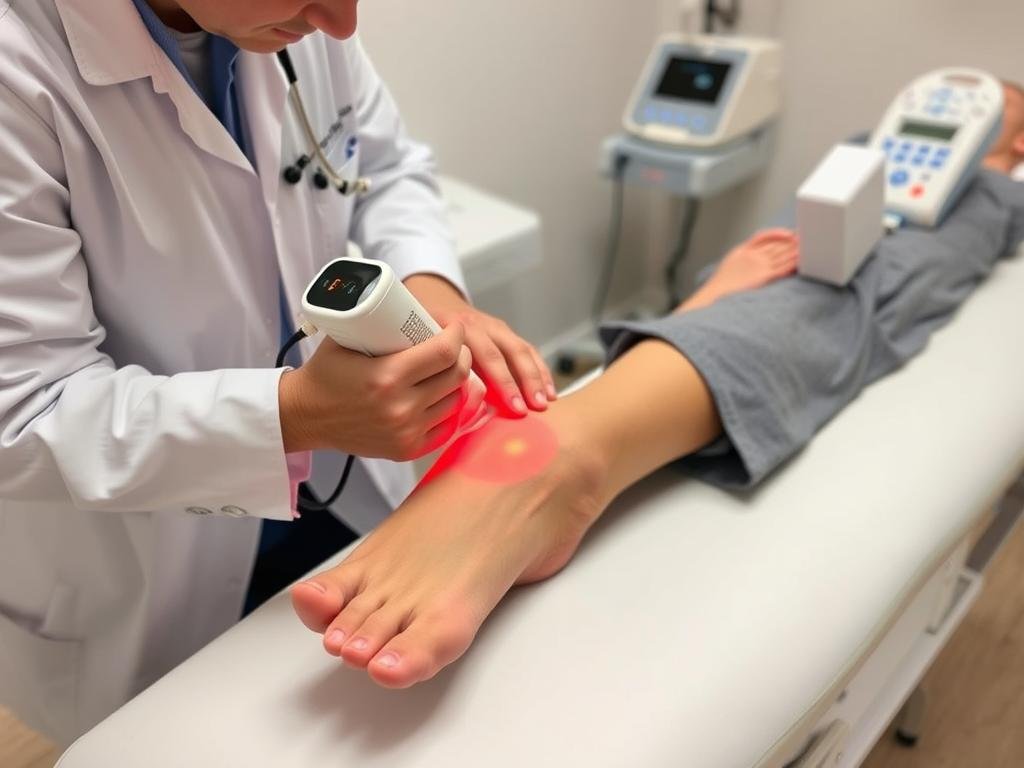
LLLT shows promising results for nerve-related conditions, offering hope for those suffering from neuropathy and nerve injuries. The therapy can help with:
- Diabetic peripheral neuropathy
- Carpal tunnel syndrome
- Trigeminal neuralgia
- Nerve injuries and trauma
- Post-surgical nerve pain
When nerves are damaged, LLLT stimulates the regeneration of nerve fibers by increasing the production of nerve growth factors. It also improves the function of existing nerve cells by enhancing mitochondrial activity and energy production.
For conditions like diabetic neuropathy, LLLT improves blood flow to affected areas, delivering more oxygen and nutrients to damaged nerves. The therapy also reduces inflammation around nerves, which can relieve compression and pain.
Clinical studies have shown that LLLT can significantly reduce pain scores and improve sensory function in patients with peripheral neuropathy, offering a non-pharmaceutical approach to managing these challenging conditions.
8. Fat Reduction and Body Contouring
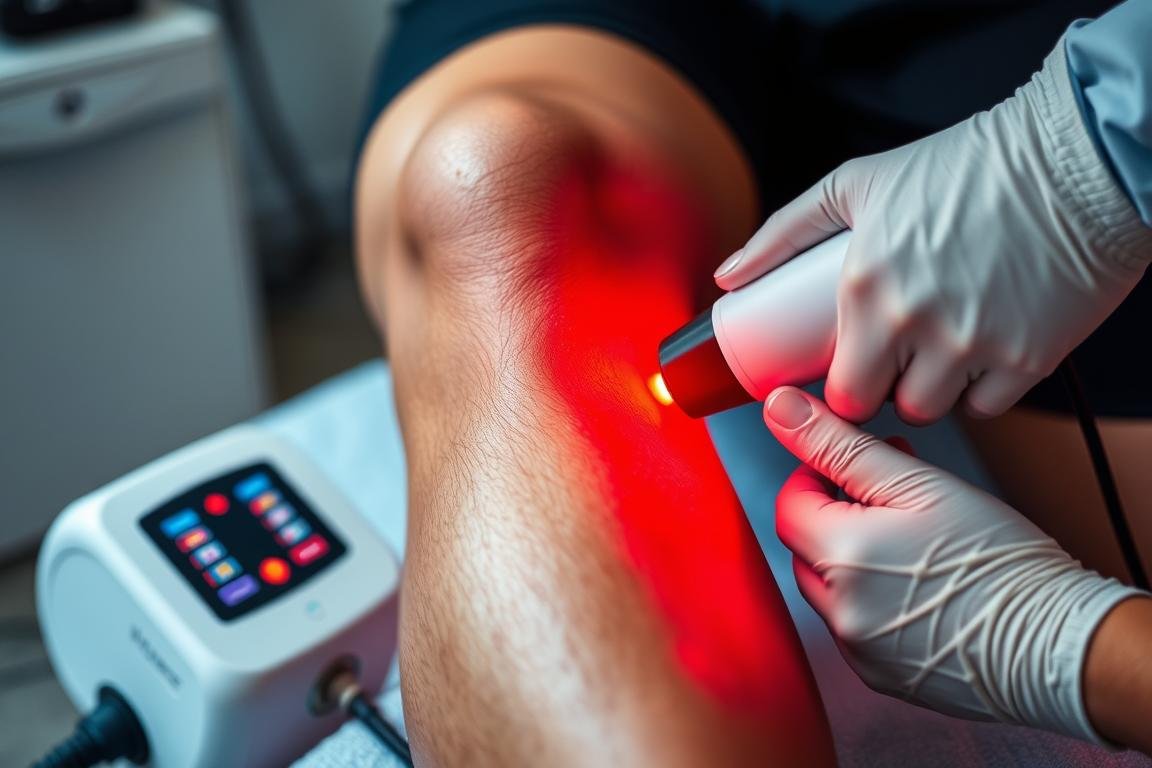
LLLT has emerged as a non-invasive option for fat reduction and body contouring, offering an alternative to more invasive procedures. The therapy is effective for:
- Reducing localized fat deposits
- Decreasing overall body circumference
- Improving the appearance of cellulite
- Enhancing results from diet and exercise
- Post-liposuction recovery and optimization
Unlike procedures that kill fat cells, LLLT works by creating temporary pores in fat cell membranes, allowing stored lipids to leak out. These fatty substances are then naturally processed and eliminated by the lymphatic system.
Research indicates that LLLT can reduce fat layer thickness and body circumference measurements with minimal side effects. A systematic review found that LLLT effectively reduces fat and improves blood lipid profiles when used as part of a comprehensive approach to weight management.
For optimal results, LLLT fat reduction treatments typically require multiple sessions over several weeks, with effects becoming more noticeable as the body processes and eliminates the released fat.
9. Oral and Dental Health Applications

LLLT has valuable applications in dentistry and oral health, offering relief for various conditions:
- Treating oral mucositis (painful inflammation) in cancer patients
- Accelerating healing after dental surgery
- Reducing pain from temporomandibular joint disorders (TMJ)
- Managing periodontal disease
- Treating cold sores and oral ulcers
For cancer patients undergoing chemotherapy or radiation, oral mucositis can be a debilitating side effect. LLLT has been shown to both prevent and treat this condition, with the American Society of Clinical Oncology now recommending it as part of supportive care.
In dental procedures, LLLT accelerates tissue repair and reduces post-operative pain and swelling. For periodontal disease, the therapy helps reduce inflammation in gum tissue and stimulates regeneration of supporting structures around teeth.
The antimicrobial effects of LLLT also make it useful for treating infections in the oral cavity, offering a non-pharmaceutical approach to managing these conditions.
10. Immune System Modulation
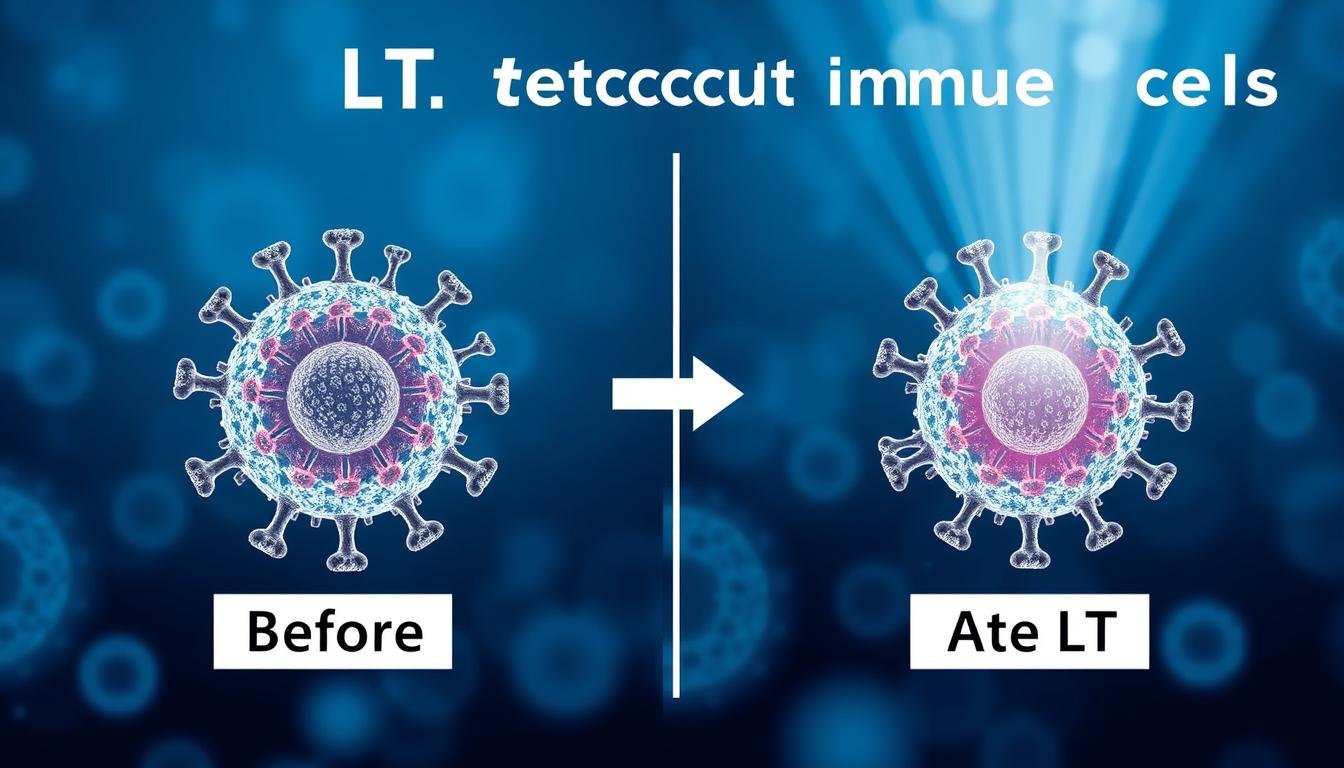
Emerging research suggests that LLLT can positively influence immune function, offering potential benefits for various immune-related conditions:
- Enhancing natural immune response to infections
- Modulating overactive immune responses in autoimmune conditions
- Improving lymphatic system function
- Supporting recovery from viral and bacterial infections
- Reducing systemic inflammation
LLLT affects immune function through several mechanisms. It stimulates the production of immunoglobulins and lymphocytes—key components of your immune system. The therapy also improves the mobility and function of white blood cells, enhancing their ability to target pathogens.
For autoimmune conditions, LLLT can help regulate immune responses by balancing pro-inflammatory and anti-inflammatory signaling. This immunomodulatory effect makes it potentially valuable for conditions like rheumatoid arthritis and inflammatory bowel disease.
While research in this area is still developing, preliminary studies suggest that LLLT could be an important adjunctive therapy for supporting immune health and managing immune-related disorders.
How to Access LLLT Treatments
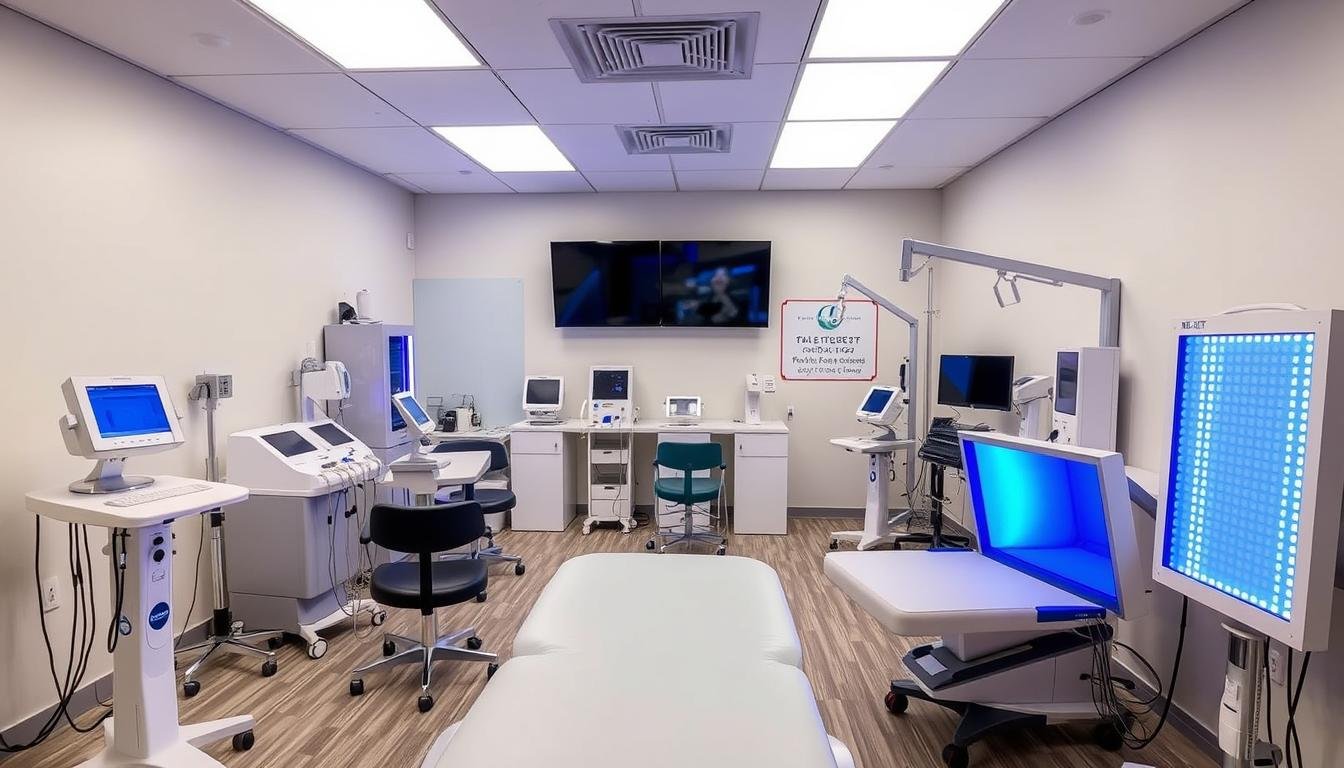
If you’re interested in experiencing the benefits of LLLT, you have several options:
Professional Treatments
- Medical clinics and hospitals
- Physical therapy practices
- Dermatology and aesthetic centers
- Chiropractic offices
- Sports medicine facilities
Professional treatments typically use higher-powered devices and are administered by trained practitioners who can target specific conditions with appropriate protocols.
At-Home Options
- Handheld LLLT devices
- LLLT panels and pads
- Laser combs and helmets for hair growth
- LLLT face masks for skin treatments
- Wearable LLLT devices for pain management
Home devices typically have lower power outputs than professional equipment but can still provide benefits with consistent use. Always choose FDA-cleared devices from reputable manufacturers.
When seeking LLLT treatment, it’s important to consult with a healthcare provider who can recommend the most appropriate approach for your specific condition. They can help determine the optimal wavelength, treatment duration, and frequency based on your needs.
Most LLLT treatments are not covered by insurance except for specific applications like preventing oral mucositis in cancer patients. Treatment costs typically range from $50-$150 per session, with multiple sessions often required for optimal results.
Safety and Considerations

LLLT is generally considered safe with minimal side effects when properly administered. However, there are some important considerations to keep in mind:
Safety Profile
- Non-invasive with no cutting or tissue damage
- Non-thermal, so no risk of burns
- No radiation concerns (uses non-ionizing light)
- No significant side effects in most patients
- Can be used alongside other treatments
Precautions
- Eye protection should be worn during treatments
- Not recommended directly over cancerous tissues
- Caution advised during pregnancy (limited research)
- May interact with certain photosensitizing medications
- Results can vary based on individual factors
While rare, some patients may experience temporary increases in pain or mild skin irritation immediately after treatment. These effects typically resolve quickly and are often part of the healing process.
For safety, it’s recommended to use devices that are FDA-cleared for their specific purpose and to follow treatment protocols established by qualified practitioners. Self-treatment should be approached cautiously, especially for serious medical conditions.
The Scientific Evidence Behind LLLT Benefits

The scientific understanding of LLLT has evolved significantly since its discovery in the 1960s by Hungarian physician Endre Mester. Today, a substantial body of research supports many of the claimed benefits:
| LLLT Benefit | Level of Evidence | Key Research Findings |
| Pain Relief | Strong | Multiple systematic reviews and meta-analyses show significant pain reduction for musculoskeletal conditions |
| Wound Healing | Moderate to Strong | Clinical trials show accelerated epithelialization and reduced healing time |
| Hair Growth | Moderate | FDA-cleared for androgenetic alopecia with studies showing increased hair density |
| Inflammation Reduction | Strong | Consistent evidence of reduced inflammatory markers in both laboratory and clinical studies |
| Skin Rejuvenation | Moderate | Studies show increased collagen production and improved skin texture |
| Fat Reduction | Moderate | FDA-cleared devices show measurable circumference reduction in clinical trials |
| Neuropathy | Emerging | Promising results for diabetic neuropathy and nerve regeneration |
While the evidence is compelling for many applications, research quality varies across different conditions. The most robust evidence exists for pain management, inflammation reduction, and certain dermatological applications.
Ongoing research continues to refine our understanding of optimal treatment parameters, including wavelength selection, dosage, and treatment frequency for specific conditions. As technology advances and more high-quality studies are conducted, the therapeutic potential of LLLT is likely to expand further.
Frequently Asked Questions About LLLT Benefits
How many LLLT sessions are typically needed to see results?
The number of sessions required varies depending on the condition being treated. For acute conditions like recent injuries, 4-6 sessions may be sufficient. Chronic conditions typically require 10-30 sessions for optimal results. Hair growth treatments often require 2-3 sessions per week for several months. Your provider can create a personalized treatment plan based on your specific needs and response to therapy.
Is LLLT painful or uncomfortable?
No, LLLT is typically painless and comfortable. Unlike high-power lasers, LLLT devices don’t generate significant heat. Most patients feel nothing during treatment, though some may experience a mild warming sensation due to increased blood flow to the treated area. This is normal and not uncomfortable for most people.
How long do the benefits of LLLT last?
The duration of benefits varies by condition and individual. For pain relief, effects may last from several weeks to months after a full treatment course. For conditions like hair loss, ongoing maintenance treatments are typically needed to sustain results. Skin rejuvenation benefits may last 4-6 months before refresher treatments are recommended. Your provider can advise on the expected duration for your specific condition.
Can LLLT be combined with other treatments?
Yes, LLLT often works well as a complementary therapy alongside other treatments. It can enhance the effectiveness of physical therapy, massage, acupuncture, and various medical treatments. For skin conditions, LLLT is frequently combined with other aesthetic procedures for enhanced results. Always inform all your healthcare providers about treatments you’re receiving to ensure safe and effective care coordination.
Are at-home LLLT devices as effective as professional treatments?
At-home devices typically have lower power outputs than professional equipment, which may affect their efficacy for certain conditions. However, FDA-cleared home devices can be effective, especially when used consistently according to instructions. The advantage of home devices is the ability to treat more frequently, which can compensate for lower power. For serious medical conditions, professional treatment is generally recommended, at least initially.
Conclusion: Harnessing the Power of Light for Better Health

Low-Level Laser Therapy represents a significant advancement in non-invasive treatment options for a wide range of health conditions. From pain management and wound healing to hair growth and skin rejuvenation, the benefits of LLLT continue to be validated through scientific research and clinical experience.
What makes LLLT particularly valuable is its excellent safety profile and lack of significant side effects, offering an alternative or complement to pharmaceutical and surgical approaches. As technology advances and our understanding of light-tissue interactions deepens, the applications of LLLT are likely to expand further.
If you’re dealing with chronic pain, slow-healing wounds, hair loss, skin concerns, or other conditions discussed in this article, LLLT may be worth exploring as part of your health and wellness strategy. As with any treatment, it’s important to consult with qualified healthcare providers who can help determine if LLLT is appropriate for your specific needs and guide you toward the most effective protocols.
Ready to Experience the Benefits of LLLT?
Connect with a qualified LLLT provider in your area to discuss how this innovative therapy can address your specific health concerns.
Copy©2025