LLLT Therapy Device

Understanding LLLT Technology and Cap Devices
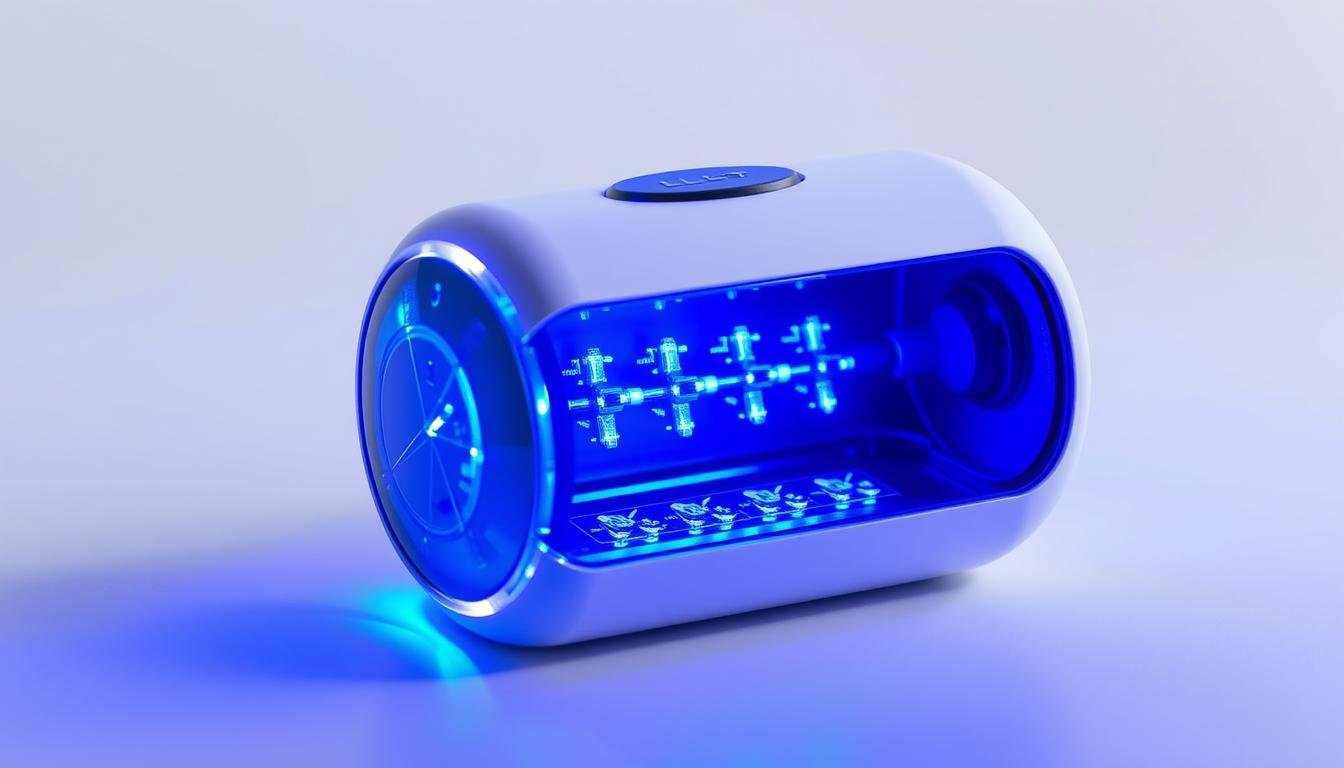
Low-Level Laser Therapy (LLLT) represents a significant advancement in non-invasive hair restoration technology. Operating within the “optical window” of 650-1200 nanometers, these devices deliver precise wavelengths of red or near-infrared light to stimulate cellular activity in the scalp. The technology behind LLLT caps is both sophisticated and elegantly simple in its application.
The Science Behind LLLT Technology
LLLT caps utilize laser diodes calibrated to emit light in the 630-660 nanometer range, with most devices precisely tuned to 650nm. This specific wavelength has demonstrated optimal penetration into the scalp tissue, where it can effectively reach hair follicles without causing thermal damage. The primary mechanism involves photobiomodulation—a process where light energy influences cellular function and metabolism.
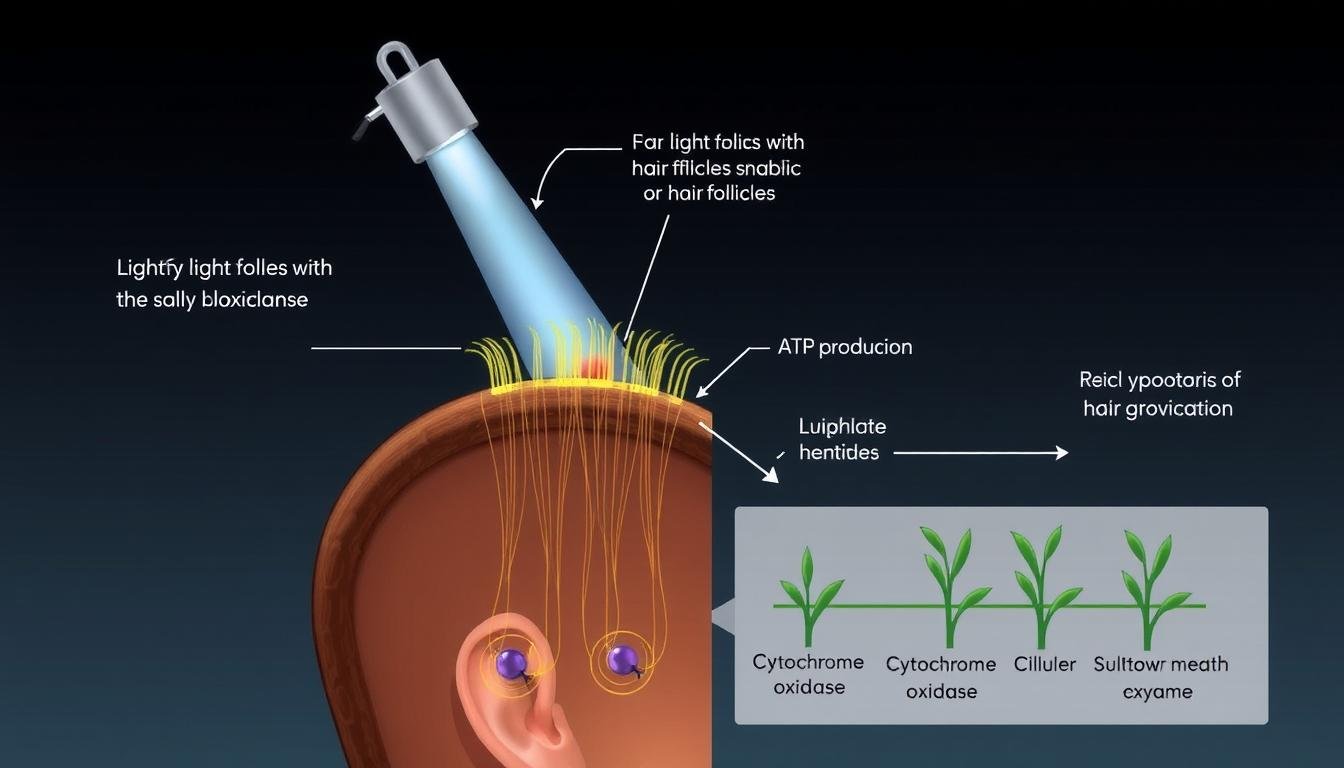
When applied to the scalp, these light waves penetrate to the depth of hair follicles, where they interact with a cellular chromophore called cytochrome c oxidase (COX). This interaction triggers a cascade of biological effects that promote hair growth:
- Increased adenosine triphosphate (ATP) production, providing more energy to hair follicle cells
- Enhanced microcirculation, delivering more nutrients and oxygen to follicles
- Stimulation of stem cells in the bulge region of hair follicles
- Modulation of reactive oxygen species (ROS) for improved cellular function
- Reduction of inflammation in the scalp environment
LLLT Cap Design and Components
Modern LLLT caps represent the most convenient and effective delivery system for this technology. Unlike earlier laser combs or stationary hood systems, caps provide comprehensive coverage and consistent treatment with minimal user effort. A typical professional-grade LLLT cap includes:
Hardware Components
- Medical-grade laser diodes (typically 148-304 diodes depending on model)
- Rechargeable lithium-ion battery pack with indicator lights
- Controller module for timing and power management
- Comfortable, lightweight cap structure with interior lining
- Optional safety sensors to prevent accidental eye exposure
Technical Specifications
- Wavelength: 630-660nm (typically 650nm)
- Power output: 3-5mW per diode
- Treatment time: 6-30 minutes per session
- Treatment frequency: Daily or every other day
- Battery life: 4-10 sessions per charge
The engineering behind these devices balances efficacy, safety, and user convenience—three critical factors for any medical device intended for regular use. For business clients, understanding these technical aspects is essential for evaluating different LLLT cap options and communicating their benefits to end users.
Key Advantages of LLLT Caps for Business Clients
For clinics, distributors, and healthcare providers, LLLT caps offer numerous advantages over traditional hair loss treatments. These benefits translate directly into business opportunities and competitive advantages in the growing hair restoration market.
Non-Invasiveness and Safety Profile
One of the most compelling selling points of LLLT caps is their exceptional safety record. Unlike surgical interventions or pharmaceutical treatments, LLLT technology presents minimal risk of adverse effects when used as directed.
Safety Advantages
- No reported serious adverse effects in over 50 years of LLLT applications
- Non-invasive treatment requiring no recovery time
- No systemic absorption of chemicals or medications
- FDA-cleared technology with established safety parameters
- Suitable for a wide range of patients, expanding your potential client base
Safety Considerations
- Proper eye protection protocols should be followed
- Not recommended for patients with active scalp lesions
- Should be used with caution in patients with photosensitivity
- Temporary shedding may occur in initial treatment phases
- Not suitable for patients with certain skin cancers
This favorable safety profile allows businesses to offer LLLT cap treatments with confidence, minimizing liability concerns while maximizing treatment accessibility. For medical practices, this translates to a treatment option that can be recommended to patients who may not be candidates for more invasive procedures.
Clinical Efficacy and Evidence Base
The business value of any medical technology ultimately depends on its efficacy. LLLT caps have demonstrated impressive results in numerous clinical studies, providing businesses with solid evidence to support marketing claims and justify investment.
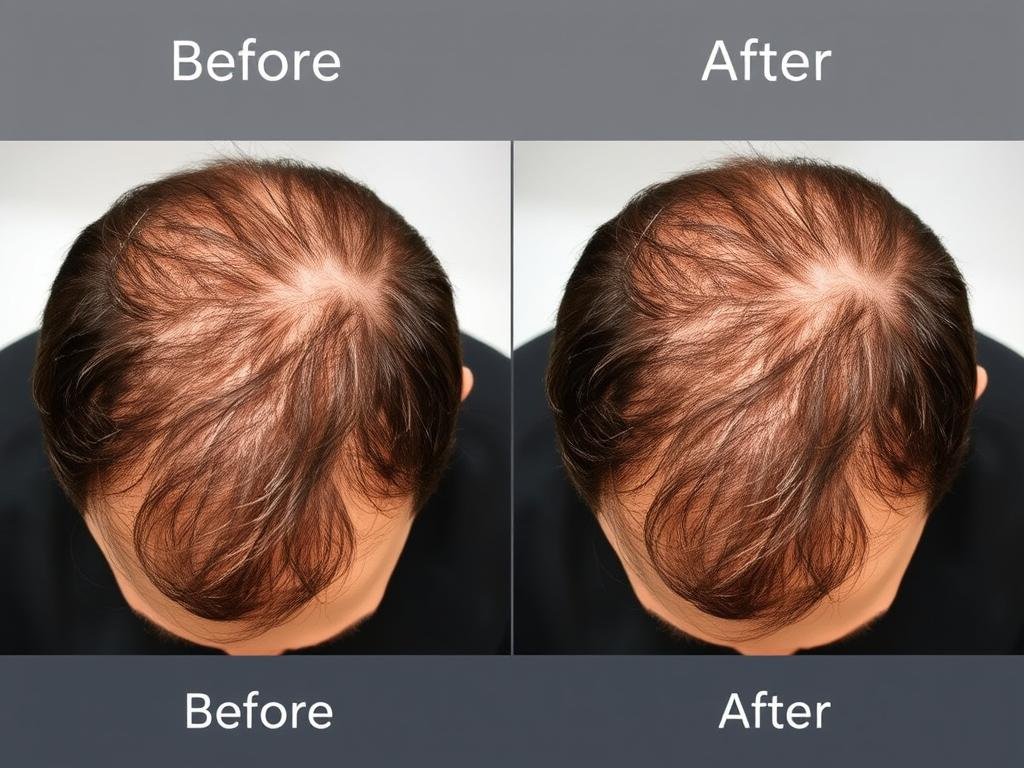
Key clinical findings that support the business case for LLLT caps include:
- Increased hair count: Multiple randomized controlled trials have demonstrated statistically significant increases in terminal hair count after LLLT treatment
- Improved hair density: Studies show measurable improvements in hair density, particularly in patients with early to moderate androgenetic alopecia
- Enhanced hair shaft diameter: Research indicates that LLLT can increase the diameter of individual hair shafts, contributing to the appearance of fuller hair
- Comparable efficacy to minoxidil: Some studies suggest that LLLT produces results comparable to topical minoxidil, a widely accepted treatment
- Synergistic effects: When combined with other treatments like minoxidil or finasteride, LLLT can enhance overall results
“LLLT represents a non-invasive, safe, and potentially effective treatment option for patients with AGA who do not respond or are not tolerant to standard treatment of AGA. Moreover, combining LLLT with topical minoxidil solution and oral finasteride may act synergistic to enhance hair regrowth.”
This robust evidence base provides businesses with credible support for marketing claims and helps establish trust with both referring physicians and end users. For distributors and clinics, this translates to a defensible value proposition when introducing LLLT caps to your market.
Access the Complete Research Portfolio
Gain immediate access to our comprehensive compilation of clinical studies demonstrating the efficacy of LLLT technology for hair restoration. Perfect for sharing with your medical team or potential clients.
Ease of Use and Treatment Compliance
From a business perspective, treatment compliance is crucial for achieving optimal results and maintaining customer satisfaction. LLLT caps excel in this area by offering exceptional convenience compared to other hair loss interventions.
User Experience Benefits
- Hands-free operation allows multitasking during treatment
- Comfortable, lightweight design encourages regular use
- Short treatment sessions (6-30 minutes) fit easily into daily routines
- No messy topicals or daily pill regimens to manage
- Portable design allows for treatment while traveling
Business Advantages
- Higher compliance rates lead to better results and satisfied customers
- Reduced need for compliance counseling and follow-up
- Minimal training required for staff or end users
- Lower risk of treatment abandonment compared to daily topicals
- Opportunity for automated reminders through companion apps
The user-friendly nature of LLLT caps creates a positive feedback loop: easier compliance leads to better results, which reinforces continued use. For businesses, this means higher customer satisfaction, stronger testimonials, and increased word-of-mouth referrals.
Cost-Effectiveness and ROI
While the initial investment in LLLT cap technology may be higher than some traditional treatments, the long-term cost-effectiveness presents a compelling business case for both providers and end users.
Consider these financial advantages:
- One-time purchase vs. ongoing expenses: Unlike topical solutions or oral medications that require continuous purchasing, LLLT caps represent a one-time investment
- Durable medical equipment classification: In many markets, LLLT caps qualify as durable medical equipment, potentially offering tax advantages for businesses
- Multiple revenue models: Businesses can sell devices outright, offer treatment sessions in-clinic, or create rental/lease programs
- Long device lifespan: Quality LLLT caps typically last 3-5 years or more, providing excellent value over time
- Minimal consumable costs: No ongoing supplies or materials needed beyond occasional battery replacement
For clinics and medical practices, LLLT caps can generate revenue through both device sales and in-office treatment sessions. For distributors, the higher price point compared to topical treatments translates to better margins and revenue per customer.
Scientific Backing and Research Support
For B2B clients in the healthcare and wellness sectors, the scientific validity of any treatment offering is paramount. LLLT cap technology is supported by a growing body of research that validates both its mechanism of action and clinical outcomes.
Mechanism of Action: How LLLT Stimulates Hair Growth
Understanding the biological mechanisms behind LLLT helps businesses articulate its value to healthcare professionals and discerning customers. Research has identified several key pathways through which LLLT stimulates hair growth:
- Mitochondrial stimulation: LLLT activates cytochrome c oxidase in mitochondria, enhancing cellular energy production crucial for the metabolically demanding process of hair growth
- Anagen phase prolongation: Studies demonstrate that LLLT can extend the growth (anagen) phase of the hair cycle, resulting in longer, thicker hair shafts
- Increased blood flow: LLLT acts as a vasodilator, improving microcirculation in the scalp and delivering more nutrients to hair follicles
- Stem cell activation: Research indicates that LLLT can stimulate stem cells in the bulge region of hair follicles, promoting new growth cycles
- Anti-inflammatory effects: LLLT reduces inflammatory processes that can contribute to hair follicle miniaturization
These mechanisms have been documented in both in vitro studies and animal models, providing a solid theoretical foundation for the observed clinical effects in humans.
Key Clinical Studies and Their Findings
The clinical evidence supporting LLLT caps continues to grow, with several well-designed studies demonstrating meaningful results. For business clients, familiarity with this research provides valuable credibility when discussing LLLT technology with healthcare professionals or end users.
| Study | Participants | Device Type | Duration | Key Findings |
| Jimenez et al. (2014) | 269 (128 male, 141 female) | Laser comb (655nm) | 26 weeks | Significant increase in terminal hair density compared to sham device |
| Lanzafame et al. (2013) | 44 males with AGA | Helmet device (655nm) | 16 weeks | 35% increase in hair count compared to sham device |
| Lanzafame et al. (2014) | Female pattern hair loss | Helmet device (655nm) | 16 weeks | Significant increase in hair counts compared to control group |
| Esmat et al. (2017) | 45 females with AGA | Helmet device (655nm) | 4 months | LLLT showed similar efficacy to minoxidil; combination therapy was most effective |
| Kim et al. (2013) | AGA patients | Helmet combining 650nm laser with 630/660nm LEDs | 24 weeks | Significant increase in hair thickness and density compared to control |
These studies collectively demonstrate that LLLT caps can produce measurable improvements in hair count, density, and thickness for both male and female pattern hair loss. Importantly, these benefits were achieved without significant adverse effects, reinforcing the favorable safety profile of the technology.
Regulatory Status and Approvals
For businesses considering adding LLLT caps to their product lineup, understanding the regulatory landscape is essential. The regulatory status of these devices provides important credibility and legal protection for marketing claims.
- FDA clearance: Multiple LLLT cap devices have received FDA clearance in the United States for the treatment of androgenetic alopecia in both men and women
- CE marking: Many devices have obtained CE marking for European markets, indicating compliance with health, safety, and environmental protection standards
- Health Canada approval: Several LLLT caps have received approval for the Canadian market
- TGA approval: Some devices have been approved by Australia’s Therapeutic Goods Administration
- Medical device classification: Most LLLT caps are classified as Class II medical devices in major markets
These regulatory approvals provide businesses with confidence in the legal standing of LLLT technology and support marketing claims within approved indications. For distributors and clinics, this regulatory foundation helps establish credibility with healthcare providers and customers alike.
Explore Partnership Opportunities
Interested in adding FDA-cleared LLLT cap technology to your clinic or distribution portfolio? Our team can provide detailed information on regulatory compliance, marketing support, and implementation strategies.
Comparison with Traditional Hair Growth Solutions
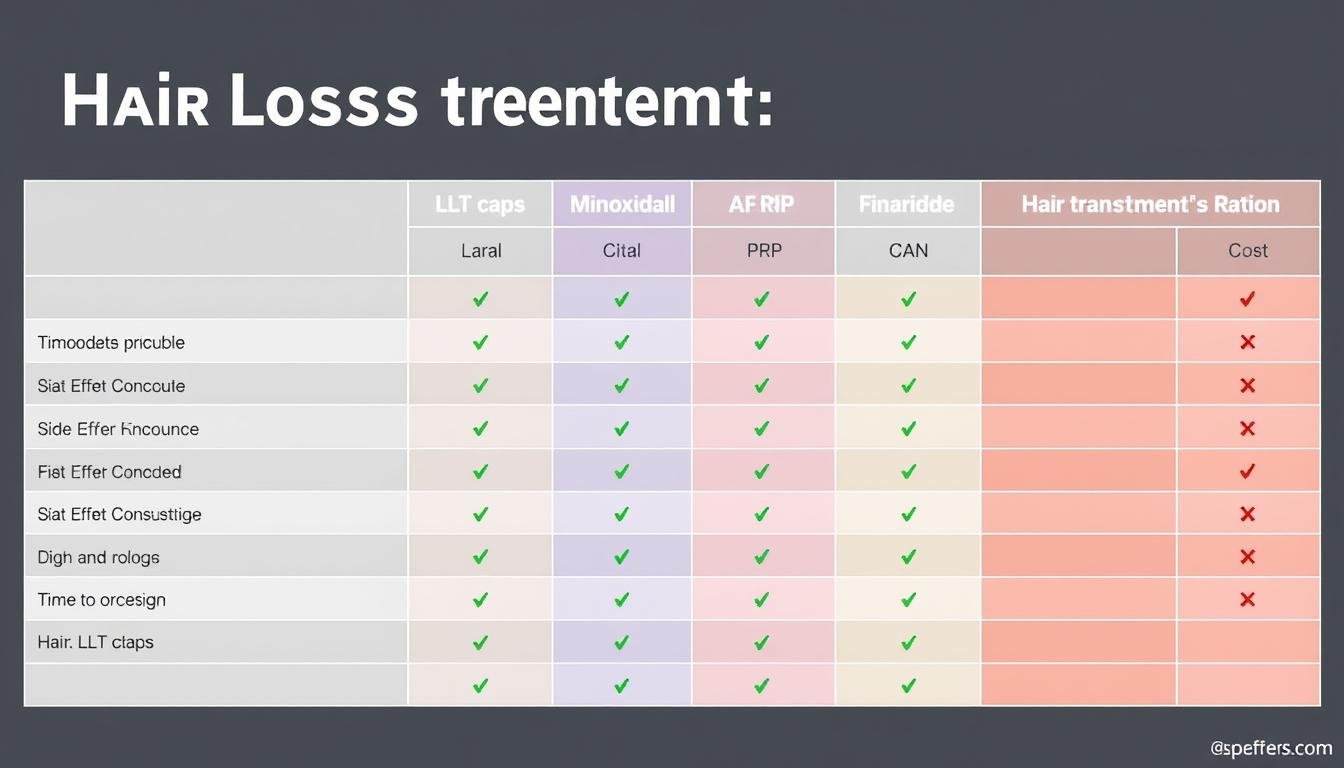
For B2B clients evaluating LLLT caps against other hair loss treatments, understanding the comparative advantages is crucial. This analysis helps position LLLT caps appropriately within a comprehensive hair restoration program or product lineup.
| Treatment | Efficacy | Safety Profile | Convenience | Initial Cost | Ongoing Cost | Best For |
| LLLT Caps | Moderate to Good | Excellent | High | High | Very Low | Early to moderate hair loss; maintenance; combination therapy |
| Minoxidil | Moderate | Good | Low (daily application) | Low | Moderate | Early hair loss; vertex thinning; combination therapy |
| Finasteride | Good | Moderate (male only) | Moderate (daily pill) | Low | Moderate to High | Male pattern baldness; prevention; combination therapy |
| PRP Therapy | Moderate to Good | Good | Low (in-office procedure) | High | High (requires maintenance) | Active thinning; combination therapy; post-transplant |
| Hair Transplantation | Excellent | Good (invasive procedure) | Very Low (surgical procedure) | Very High | Low (may need maintenance) | Advanced hair loss; defined pattern; sufficient donor hair |
Complementary Rather Than Competitive
A key insight for business clients is that LLLT caps often work best as part of a comprehensive approach to hair restoration rather than as a standalone replacement for all other treatments. This complementary positioning creates several business opportunities:
- Enhanced treatment protocols: Combining LLLT with topical or oral treatments can produce synergistic results, improving overall patient satisfaction
- Expanded service offerings: Adding LLLT caps allows clinics to offer a more complete range of hair restoration options
- Post-procedure enhancement: LLLT can improve outcomes after hair transplantation procedures, creating an additional revenue stream
- Maintenance therapy: LLLT provides an excellent maintenance option after more intensive treatments
- Entry-level solution: For patients not ready for medication or surgery, LLLT offers a non-invasive starting point
This complementary approach allows businesses to position LLLT caps as an enhancement to existing offerings rather than a replacement, facilitating easier adoption by both practitioners and patients.
Unique Selling Propositions
When comparing LLLT caps to other hair loss treatments, several unique selling propositions emerge that can be leveraged in marketing and sales efforts:
Versus Topical Treatments
- No messy application or residue on scalp and hair
- No daily commitment required
- No risk of contact transfer to others
- More consistent application across the entire scalp
- No chemical odor or scalp irritation
Versus Oral Medications
- No risk of systemic side effects
- Suitable for both men and women
- No drug interactions to consider
- No prescription required
- Targeted action at the scalp only
Versus Surgical Options
- Non-invasive with no recovery time
- Significantly lower cost
- No risk of scarring or infection
- Can be used preventatively
- No donor hair limitations
Versus In-Office Procedures
- At-home convenience
- One-time purchase versus ongoing visits
- No appointment scheduling required
- Privacy of treatment
- No travel time or costs
These unique advantages can be emphasized in marketing materials, sales presentations, and client consultations to differentiate LLLT caps from alternative treatments and highlight their value proposition.
Market Advantages for Distributors and Clinics

For distributors, clinics, and healthcare providers, LLLT caps offer several distinct market advantages that translate into business opportunities and competitive differentiation.
Growing Market Demand
The market for hair loss solutions continues to expand, driven by demographic trends, increasing aesthetic awareness, and growing acceptance of cosmetic treatments among both men and women.
- Expanding demographic reach: Hair loss affects over 50% of men and women at some point in their lives, creating a vast potential market
- Increasing treatment acceptance: Stigma around hair loss treatments is decreasing, particularly among younger demographics
- Rising disposable income: Growing middle class in many markets increases the pool of potential customers who can afford premium hair loss solutions
- Aging population: As populations age globally, the prevalence of age-related hair loss increases
- Growing awareness: Social media and digital marketing have increased awareness of hair loss treatments
These market dynamics create a favorable environment for introducing LLLT cap technology, particularly as consumers increasingly seek non-pharmaceutical, non-invasive treatment options.
Differentiation Opportunities
For clinics and distributors, LLLT caps provide an opportunity to differentiate service offerings and create unique value propositions in a competitive marketplace.
- Technology leadership: Offering advanced LLLT technology positions your business as innovative and forward-thinking
- Comprehensive care: Adding LLLT caps to your treatment portfolio allows you to offer more complete hair restoration solutions
- Non-invasive specialty: For practices focused on non-surgical approaches, LLLT caps provide a valuable treatment option
- Exclusive partnerships: Distribution agreements with premium LLLT cap manufacturers can create market exclusivity
- Complementary services: LLLT caps can be bundled with consultations, scalp assessments, and maintenance programs
By strategically positioning LLLT caps within your business model, you can create meaningful differentiation from competitors who offer only traditional treatments or lower-quality alternatives.
Discover Your Market Potential
Our market analysis team can provide customized insights into the potential for LLLT cap technology in your specific market. Schedule a consultation to discuss your business goals and opportunities.
Multiple Revenue Models
LLLT cap technology supports various business models, allowing distributors and clinics to implement the approach that best fits their market and customer base.
Direct Sales Model
Sell LLLT caps directly to end users, generating immediate revenue and profit margins. This model works well for established clinics with a loyal patient base and strong credibility.
- Higher per-unit profit margin
- One-time transaction simplicity
- Opportunity for accessory sales
In-Clinic Treatment Model
Offer LLLT treatments as an in-office service using professional-grade devices. This creates recurring revenue and allows patients to experience results before committing to purchase.
- Lower barrier to entry for patients
- Recurring revenue stream
- Opportunity for upselling to home units
Rental/Subscription Model
Provide LLLT caps on a rental or subscription basis, creating predictable recurring revenue while making the technology more accessible to price-sensitive customers.
- Lower upfront cost for patients
- Predictable recurring revenue
- Higher lifetime value per customer
Many successful businesses implement a hybrid approach, offering multiple options to accommodate different customer preferences and price sensitivities. This flexibility allows for market testing and optimization of your business model over time.
Marketing Support and Education
Leading LLLT cap manufacturers typically provide comprehensive marketing support and educational resources to their business partners, enhancing your ability to effectively promote and sell these devices.
- Educational materials: Clinical studies, mechanism of action explanations, and comparison charts
- Marketing collateral: Brochures, posters, digital assets, and video content
- Staff training: Product knowledge, consultation techniques, and objection handling
- Demo units: Display models for in-clinic demonstration
- Before/after documentation: Protocols for tracking and documenting patient results
These resources reduce the implementation burden for new partners and help ensure successful integration of LLLT caps into your business model. When evaluating potential manufacturing partners, consider the quality and comprehensiveness of their business support program.
Target Audience and Application Scenarios

Understanding the ideal candidates for LLLT cap therapy helps businesses target their marketing efforts effectively and set appropriate expectations for results. While LLLT caps can benefit many individuals experiencing hair loss, certain profiles show particularly promising outcomes.
Ideal Candidates for LLLT Cap Therapy
Research and clinical experience indicate that LLLT caps tend to produce the best results for specific patient profiles:
- Early to moderate hair loss: Individuals in the early stages of androgenetic alopecia (Norwood II-IV for men, Ludwig I-II for women) typically respond best
- Recent onset: Those who have experienced hair loss for less than 5 years generally show better response rates
- Diffuse thinning patterns: LLLT is particularly effective for diffuse thinning rather than complete baldness in any area
- Commitment to consistent use: Patients willing to adhere to the recommended treatment protocol
- Realistic expectations: Those seeking gradual improvement rather than dramatic, immediate results
For business clients, understanding these ideal candidate profiles helps with both marketing targeting and setting appropriate expectations during consultations. This targeted approach leads to higher satisfaction rates and stronger testimonials.
Clinical Application Scenarios
LLLT caps can be integrated into clinical practice in several ways, depending on the patient’s needs and the practice’s treatment philosophy:
Standalone Therapy
For patients who prefer non-pharmaceutical approaches or have contraindications to medication, LLLT caps can serve as a primary treatment option.
- Patients concerned about medication side effects
- Women of childbearing age (avoiding finasteride)
- Those with sensitivity to topical solutions
Combination Therapy
Research indicates that combining LLLT with other treatments often produces superior results compared to any single modality alone.
- LLLT + minoxidil for enhanced growth
- LLLT + finasteride for comprehensive approach
- LLLT + nutritional supplements for holistic treatment
Adjunctive Therapy
LLLT caps can enhance results before or after other procedures, creating additional value for patients undergoing more intensive treatments.
- Pre-conditioning before hair transplantation
- Post-transplant recovery enhancement
- Maintenance therapy after PRP treatments
By offering multiple application scenarios, clinics can tailor recommendations to each patient’s specific needs, preferences, and budget constraints. This personalized approach enhances patient satisfaction and treatment outcomes.
Consumer Demographics and Psychographics
For distributors and retailers, understanding the demographic and psychographic profiles of potential LLLT cap users helps refine marketing strategies and messaging.
Key Demographics
- Age: Primarily 30-65 years old
- Gender: Both men and women (different marketing approaches)
- Income: Middle to upper income brackets
- Education: Typically higher education levels
- Geographic: Urban and suburban concentration
Key Psychographics
- Health-conscious and proactive about personal care
- Research-oriented consumers who value evidence
- Early adopters of technology and innovation
- Value long-term solutions over quick fixes
- Privacy-conscious regarding their hair loss treatment
These profiles can guide everything from marketing channel selection to messaging tone and content. For example, evidence-based messaging highlighting clinical studies may resonate strongly with the research-oriented segment, while convenience and discretion might be emphasized for the privacy-conscious consumer.
ROI Considerations for B2B Clients
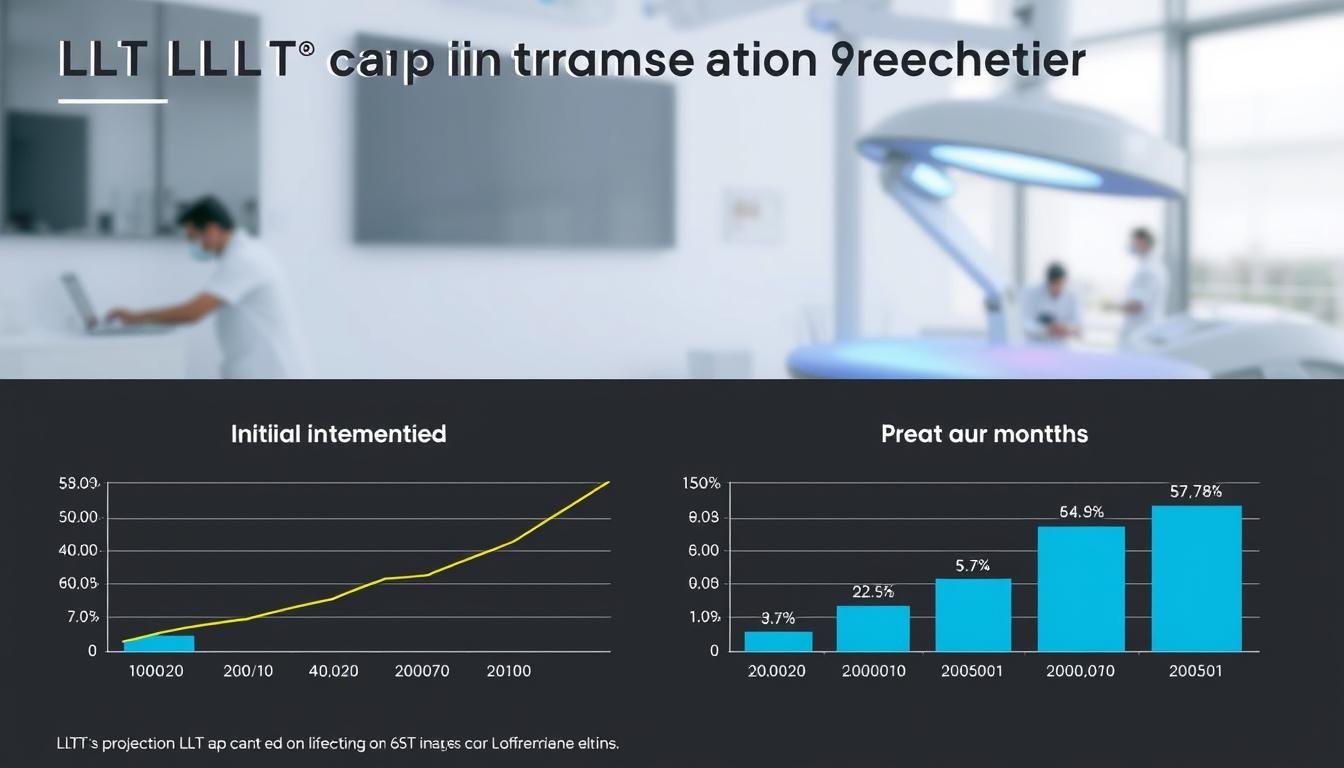
For business clients considering LLLT caps, understanding the return on investment (ROI) potential is crucial for making informed decisions. Several factors contribute to the business case for adding LLLT technology to your product or service lineup.
Investment Considerations
The initial investment in LLLT cap technology typically includes several components:
- Inventory costs: Initial stock of devices for resale or in-clinic use
- Training investment: Staff education on technology, applications, and consultation techniques
- Marketing expenses: Promotion of the new technology to existing and potential clients
- Demonstration units: Display models for client education and trial sessions
- Documentation systems: Tools for tracking and showcasing patient results
These investments should be evaluated against the potential revenue streams and margin opportunities that LLLT caps can generate for your business.
Revenue Potential
LLLT caps can generate revenue through multiple channels, depending on your business model:
| Revenue Model | Typical Pricing | Margin Potential | Recurring Revenue? | Implementation Complexity |
| Direct Device Sales | $700-3,000 per unit | 30-50% | No (one-time) | Low |
| In-Clinic Treatment Sessions | $50-150 per session | 70-90% | Yes (weekly/monthly) | Medium |
| Device Rental Program | $100-300 per month | 60-80% | Yes (monthly) | Medium |
| Membership Programs | $150-500 per month | 50-70% | Yes (monthly) | High |
| Bundled Treatment Packages | $1,000-5,000 per package | 40-60% | Partial (maintenance) | Medium |
Many successful businesses implement a hybrid approach, offering multiple options to accommodate different customer preferences and price sensitivities. This flexibility allows for market testing and optimization of your revenue model over time.
Breakeven Analysis
Understanding the timeline to recoup your investment is critical for financial planning. While specific numbers will vary based on your market and business model, here’s a simplified example for a clinic implementing LLLT cap technology:
| Investment Category | Estimated Cost |
| Initial inventory (5 devices at wholesale) | $3,000-7,500 |
| Staff training | $500-1,500 |
| Marketing materials | $1,000-3,000 |
| Demonstration unit | $500-1,500 |
| Total Initial Investment | $5,000-13,500 |
With retail pricing typically set at $1,000-3,000 per device and margins of 30-50%, selling just 5-10 units can recover the initial investment. For clinics offering in-house treatments, the breakeven point may be reached after 50-100 treatment sessions, depending on pricing and operational costs.
Long-Term Value Creation
Beyond immediate revenue, LLLT caps create several forms of long-term value for your business:
- Customer retention: Adding LLLT caps to your treatment portfolio gives existing clients a reason to stay with your practice
- Cross-selling opportunities: LLLT users often purchase complementary products and services
- Referral generation: Satisfied LLLT users frequently refer friends and family
- Brand differentiation: Offering advanced technology enhances your brand positioning
- Market expansion: LLLT caps may attract new customer segments not interested in traditional treatments
These indirect benefits can significantly enhance the overall ROI of implementing LLLT cap technology, even beyond the direct revenue calculations.
Calculate Your Potential ROI
Our business development team can help you analyze the specific ROI potential for your clinic or distribution business. Contact us for a customized analysis based on your market and business model.
Future Developments in LLLT Cap Technology
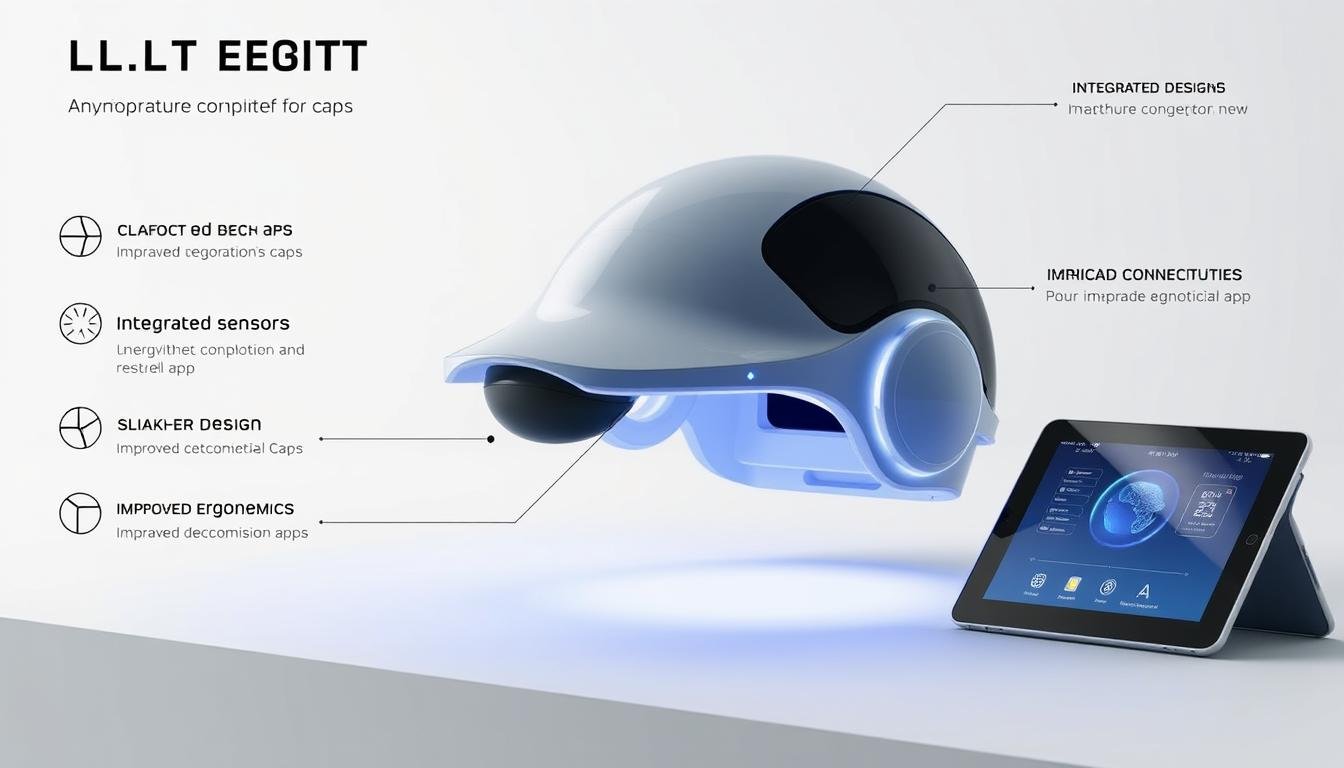
The field of LLLT cap technology continues to evolve, with several promising developments on the horizon. For business clients, staying informed about these advancements helps ensure your offerings remain competitive and aligned with emerging trends.
Technological Advancements
Several technological innovations are enhancing the efficacy, convenience, and user experience of LLLT caps:
- Improved diode technology: More efficient, longer-lasting laser diodes that deliver consistent wavelengths
- Enhanced battery technology: Longer battery life and faster charging capabilities
- Combination light therapy: Integration of multiple wavelengths for potentially synergistic effects
- Miniaturization: Smaller, lighter components for improved comfort and portability
- Adaptive power systems: Technology that adjusts output based on scalp conditions and treatment progress
These technological improvements continue to enhance the user experience while potentially improving clinical outcomes, making LLLT caps an increasingly attractive option for both providers and end users.
Digital Integration and Smart Features
The integration of digital technology is creating a new generation of “smart” LLLT caps with enhanced functionality:
- Smartphone connectivity: Bluetooth-enabled caps that sync with mobile apps for treatment tracking
- Treatment customization: Personalized protocols based on individual hair loss patterns and response
- Progress monitoring: Integrated systems for documenting and analyzing treatment results
- Compliance tracking: Automated reminders and usage logging to improve adherence
- Telemedicine integration: Connectivity with virtual consultation platforms for remote monitoring
These digital features not only improve the user experience but also provide valuable data for clinicians and researchers, potentially leading to more refined treatment protocols and better outcomes.
Emerging Research Directions
Ongoing research continues to expand our understanding of LLLT and its applications for hair restoration:
- Optimal treatment parameters: Refinement of wavelength, power density, and treatment duration for maximum efficacy
- Combination therapy protocols: Evidence-based guidelines for combining LLLT with other treatments
- Expanded applications: Investigation of LLLT for other forms of hair loss beyond androgenetic alopecia
- Predictive response factors: Identification of biomarkers or characteristics that predict treatment response
- Long-term efficacy data: Studies examining results over extended periods (3+ years)
This evolving research landscape continues to strengthen the scientific foundation for LLLT technology while potentially expanding its applications and improving treatment outcomes.
Market Trends and Opportunities
Several market trends are shaping the future landscape for LLLT cap technology:
- Growing consumer awareness: Increasing familiarity with LLLT technology among the general public
- Expanding geographic reach: Growing adoption in emerging markets as awareness and disposable income increase
- Telehealth integration: Incorporation of LLLT caps into virtual hair restoration programs
- Personalized medicine approach: Customized protocols based on individual factors and response patterns
- Wellness sector crossover: Positioning of LLLT as part of broader health and wellness routines
For business clients, these trends represent opportunities to expand market reach, enhance service offerings, and develop innovative business models around LLLT technology.
Conclusion: The Business Case for LLLT Caps

LLLT caps represent a compelling business opportunity for clinics, distributors, and healthcare providers seeking to expand their hair restoration offerings. With their strong scientific foundation, favorable safety profile, and growing market acceptance, these devices offer a valuable addition to any comprehensive hair loss treatment portfolio.
The key business advantages of LLLT caps include:
- Evidence-based technology: Backed by growing clinical research demonstrating safety and efficacy
- Multiple revenue models: Flexibility to implement direct sales, in-clinic treatments, or subscription approaches
- Complementary positioning: Works well alongside other treatments, enhancing overall results
- Expanding market: Growing awareness and acceptance of non-invasive hair restoration options
- Differentiation opportunity: Technology-based offering that distinguishes your business from competitors
For forward-thinking businesses in the aesthetic and medical sectors, LLLT caps provide an opportunity to meet the growing demand for non-invasive, scientifically-validated hair restoration solutions. By incorporating this technology into your service offerings, you position your business at the forefront of hair restoration innovation while creating new revenue streams and enhancing customer satisfaction.
Take the Next Step
Ready to explore how LLLT cap technology can enhance your business offerings? Our team is available to discuss partnership opportunities, implementation strategies, and customized solutions for your specific market.
Copy©2025