LLLT Therapy Device

Understanding Fungal Infections and Traditional Treatment Limitations
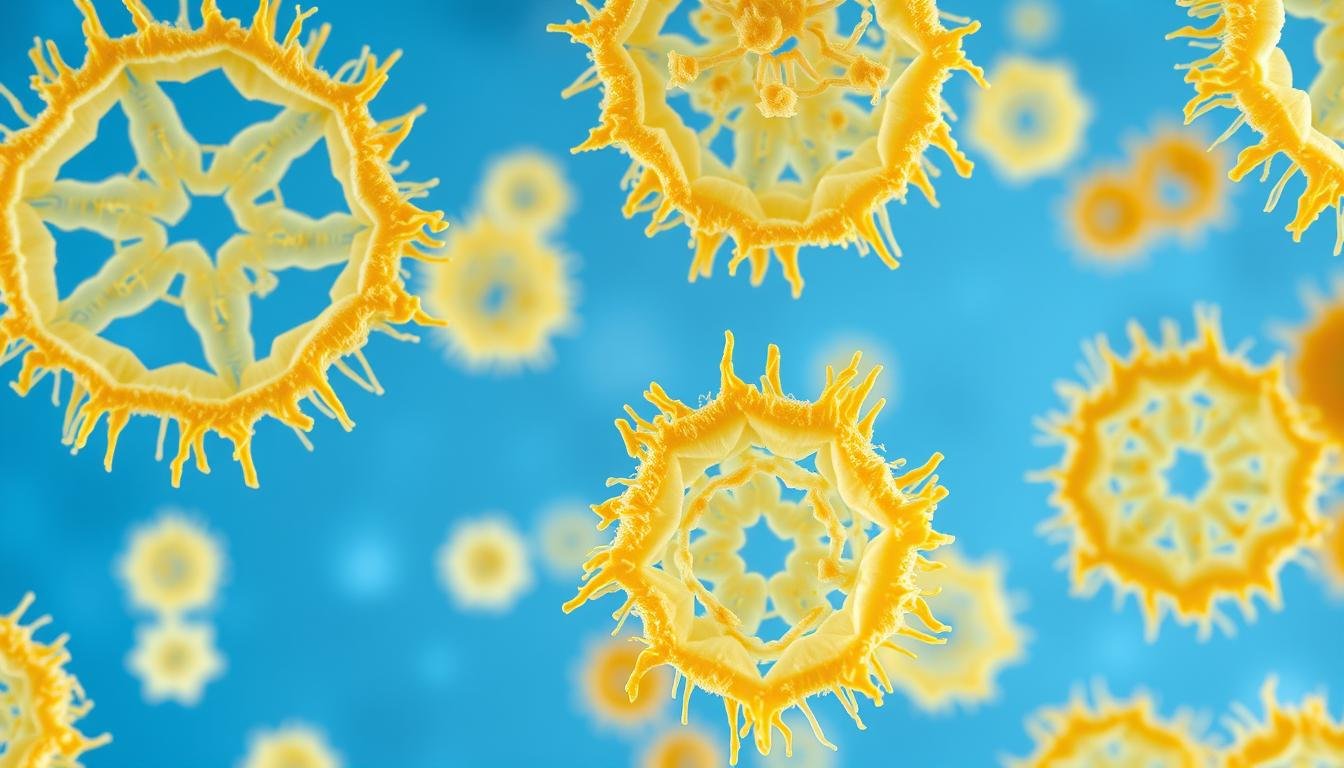
Microscopic visualization of fungal cell structure showing key components targeted by LLLT
Fungal infections affect approximately 10% of the global population, with prevalence increasing to nearly 50% in people over 70 years of age. These infections are caused by various organisms, including dermatophytes (60-70% of cases), nondermatophyte molds (30-40%), and yeasts (10-20%). The most common culprit is Trichophyton rubrum, though multiple organisms can simultaneously contribute to infection.
Traditional treatments include topical antifungal creams and oral medications, which come with significant limitations:
Topical Treatments
- Poor penetration through nail tissue
- Extended treatment duration (often 48+ weeks)
- Low efficacy rates (15-18% complete cure)
- Frequent application required
Oral Medications
- Potential hepatotoxicity and side effects
- Drug-drug interactions
- Limited efficacy (14-38% complete cure)
- Risk of developing resistant strains
These limitations highlight the need for alternative approaches like LLLT, which addresses fungal infections through fundamentally different mechanisms without the drawbacks of pharmaceutical interventions.
Fundamentals of LLLT Mechanism on Fungal Pathogens
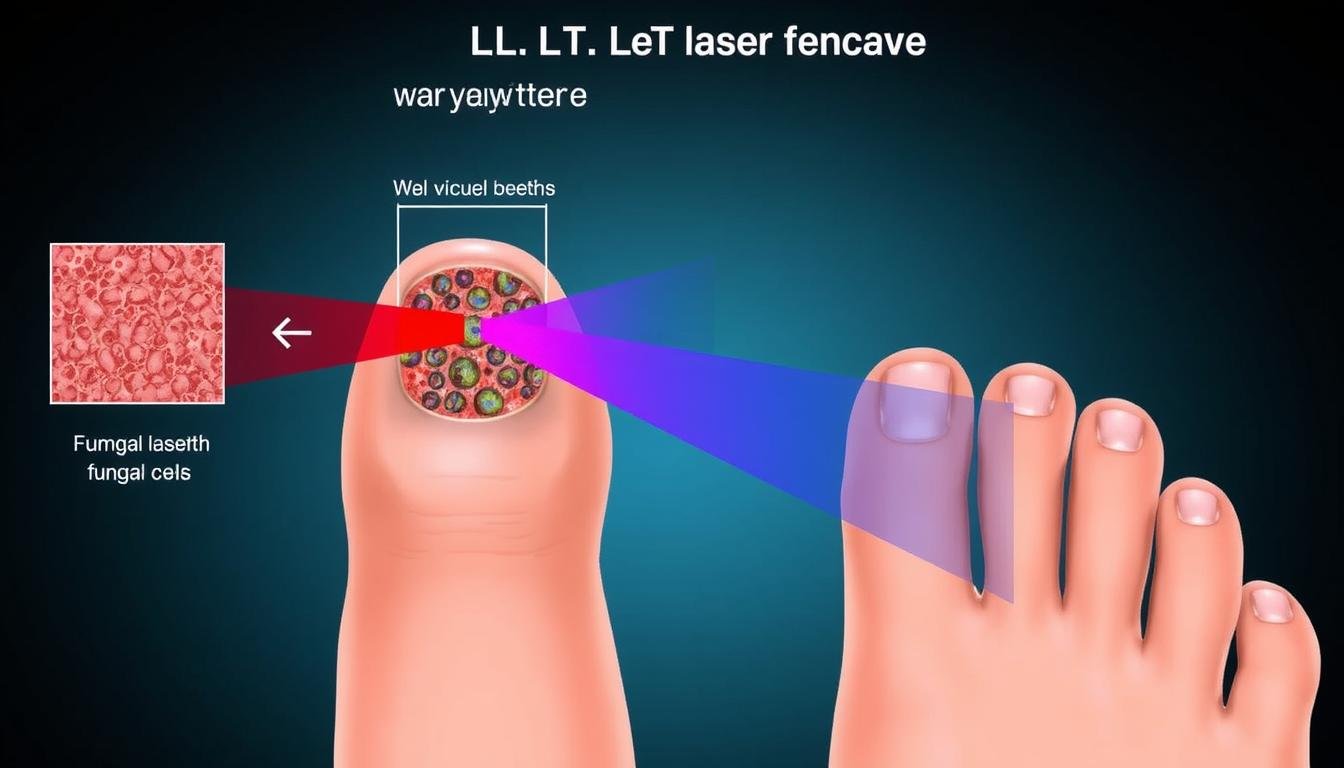
Penetration depth of different LLLT wavelengths through nail tissue to fungal infection site
Low-Level Laser Therapy (LLLT), also known as cold laser therapy or photobiomodulation, utilizes specific wavelengths of light to stimulate biological processes without generating significant heat. Unlike high-power lasers that work through thermal effects, LLLT operates at the cellular level through photochemical reactions.
Key Characteristics of LLLT for Fungal Treatment
| Parameter | Specification | Significance in Fungal Treatment |
| Wavelength | 405nm (violet) and 635nm (red) | Dual-wavelength approach targets both fungal cells and host immune response |
| Power Output | 5-500mW (Class II-IIIB) | Non-thermal effect preserves surrounding tissue while affecting fungal cells |
| Energy Density | 2-4 joules/cm² | Optimal biostimulation range for antifungal effects |
| Treatment Duration | 12-30 minutes per session | Sufficient exposure for photochemical reactions without tissue damage |
| Treatment Frequency | Weekly for 2-4 weeks | Allows for cumulative effects on fungal colonies |
The efficacy of LLLT against fungal infections stems from its unique properties as a true laser, which include:
- Monochromatic light: Single wavelength allows for targeted biological effects
- Coherence: Light waves in phase, enhancing penetration through tissue
- Collimation: Minimal divergence, ensuring energy delivery to target area
These properties enable LLLT to deliver precise energy doses to fungal cells and surrounding tissues, triggering specific biological responses that conventional treatments cannot achieve.
Dual-Wavelength LLLT Mechanism on Fungal Cell Destruction
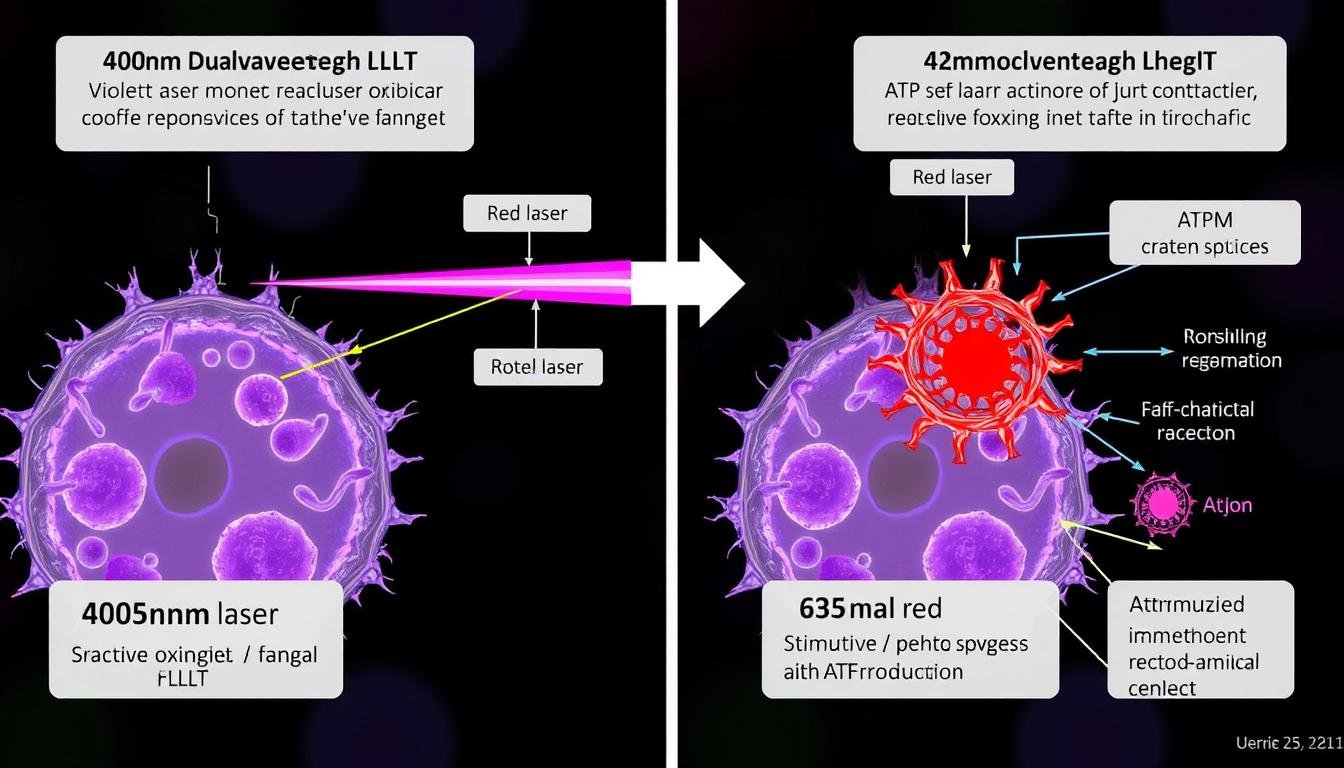
Dual-wavelength approach: 405nm (violet) and 635nm (red) lasers working synergistically against fungal cells
Modern LLLT devices for fungal treatment utilize a dual-wavelength approach that simultaneously targets the pathogen and enhances the host’s immune response. This synergistic mechanism significantly improves efficacy compared to single-wavelength approaches.
405nm (Violet) Laser: Direct Antifungal Action
The violet wavelength (405nm) provides direct antimicrobial effects through several mechanisms:
- Reactive Oxygen Species (ROS) generation: The 405nm wavelength triggers photochemical reactions that produce hydrogen peroxide and other ROS within fungal cells
- Cell wall disruption: ROS damage the integrity of the fungal cell wall, making it more vulnerable to immune attack
- DNA/RNA damage: Photons at this wavelength can directly damage fungal genetic material, inhibiting reproduction
- Metabolic interference: Disruption of electron transport chains in fungal mitochondria, reducing ATP production
635nm (Red) Laser: Host Response Enhancement
The red wavelength (635nm) primarily works by modulating the host’s response:
- Increased ATP production: Stimulates mitochondrial activity in host cells, enhancing energy availability
- Nitric Oxide production: Triggers vasodilation, improving blood flow to infected areas
- Enhanced immune cell activity: Increases the fungicidal capacity of polymorphonuclear leukocytes (PMNs)
- Accelerated tissue repair: Promotes faster healing of damaged tissue through increased fibroblast activity
This dual-wavelength approach creates a hostile environment for fungal pathogens while simultaneously strengthening the body’s natural defenses, offering a comprehensive treatment strategy that addresses both the infection and the healing process.
Cellular and Molecular LLLT Mechanism on Fungal Pathogens
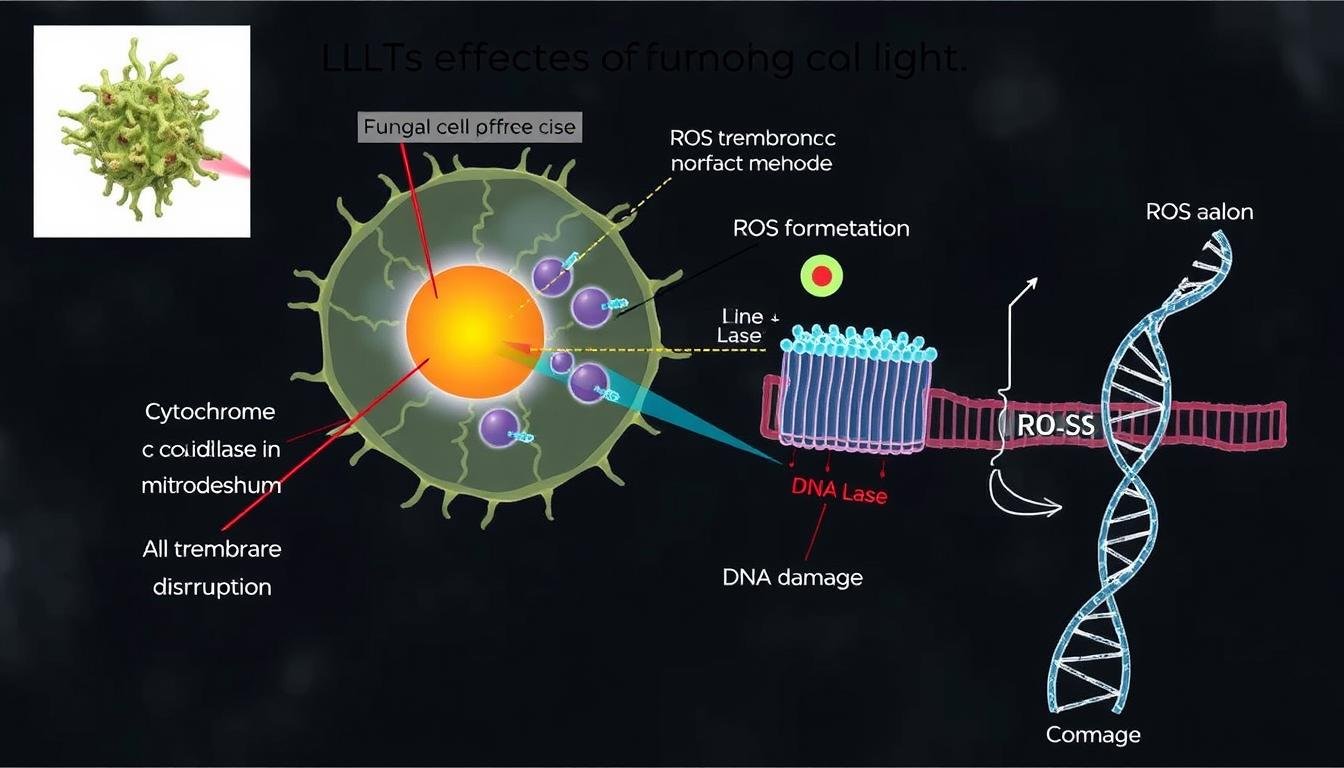
Molecular interactions between LLLT photons and fungal cellular components
At the molecular level, LLLT affects fungal cells through several distinct pathways that collectively contribute to its antifungal efficacy.
Primary Photoreceptors in Fungal Cells
The initial interaction occurs between photons and specific cellular components that act as photoreceptors:
- Cytochrome c oxidase: Primary photoreceptor in the mitochondrial respiratory chain
- Flavoproteins: Light-sensitive proteins involved in electron transfer
- Porphyrins: Ring-shaped molecules that absorb light energy
Photochemical Reactions and Oxidative Stress
Upon absorption of photons, a cascade of photochemical reactions occurs:
- Photon absorption by cytochrome c oxidase and other chromophores
- Electron excitation and transfer within the respiratory chain
- Formation of reactive oxygen species (ROS) including superoxide anion, hydrogen peroxide, and hydroxyl radicals
- Oxidative damage to fungal cell membranes, proteins, and DNA
- Disruption of cellular homeostasis and metabolic processes
The violet wavelength (405nm) is particularly effective at generating ROS within fungal cells, creating oxidative stress that the pathogens cannot effectively counteract. This wavelength provides sufficient energy (approximately 3.06 eV per photon) to initiate these photochemical reactions, exceeding the minimum threshold of 1.7 eV required for therapeutic biostimulation.
Immune Response Modulation
The red wavelength (635nm) primarily affects the host’s immune response through:
- Enhanced phagocytosis: Increased activity of neutrophils and macrophages
- Cytokine modulation: Altered production of pro- and anti-inflammatory cytokines
- Increased microcirculation: Improved delivery of immune cells to infection site
This comprehensive approach at the cellular and molecular level explains why LLLT can be effective against fungal infections that have proven resistant to conventional antifungal medications.
Clinical Evidence Supporting LLLT Mechanism on Fungal Infections
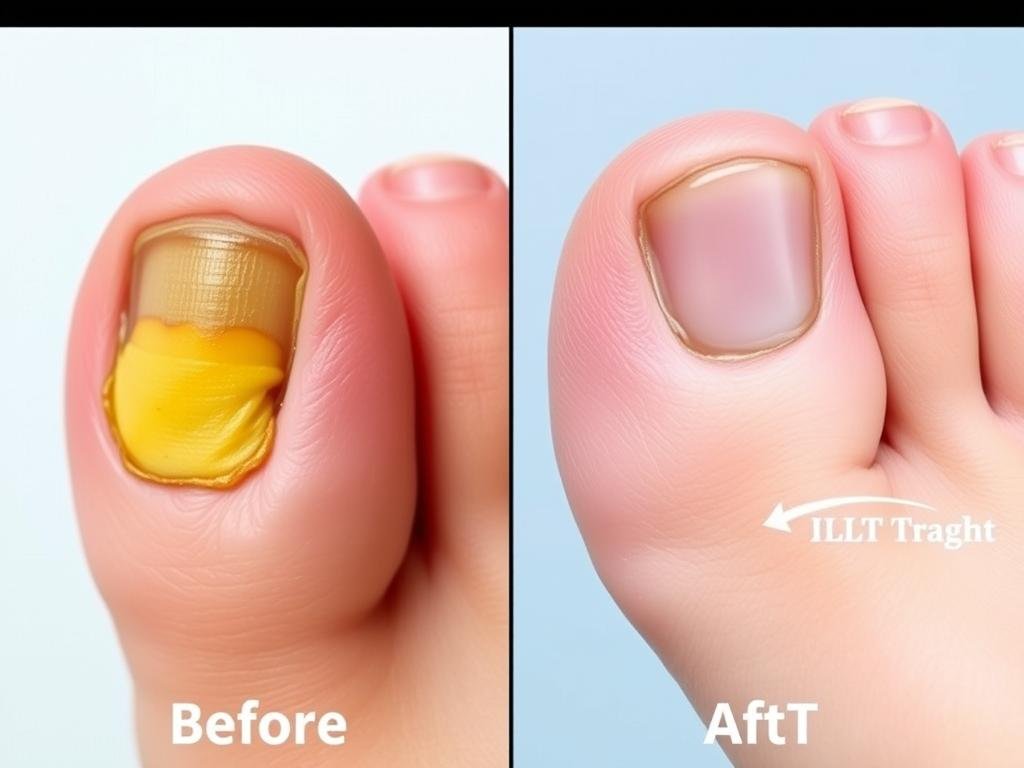
Clinical results: Before and after LLLT treatment for onychomycosis showing clear nail growth
The efficacy of LLLT for fungal infections is supported by a growing body of clinical research. Key studies have demonstrated significant improvements in nail clarity and reduction in fungal burden following LLLT treatment.
Key Research Findings
| Study | Methodology | Results |
| Zang et al. (2017) | Retrospective analysis of dual-wavelength (405nm/635nm) LLLT, 12-minute sessions for 2-4 weeks | 67% of treated toenails achieved minimum 3mm clear nail growth at 6 months; 89% showed increased clarity |
| Sullivan (cited in Tumolo, 2017) | Documentation of 800 toes with onychomycosis treated with LLLT over 18 months | 89% treatment success rate with no adverse effects |
| Maver-Biscanin et al. (2004) | Comparison of 685nm (30mW) and 830nm (60mW) LLLT with antimycotic agent | Similar fungicidal effect between LLLT and antimycotic groups, both significantly better than placebo |
| Najafi et al. (2019) | In-vitro study of 940nm LLLT on Candida albicans colonies | Demonstrated impact on fungal colony growth, suggesting biological effect of LLLT on fungal cells |
These clinical findings corroborate the theoretical mechanisms discussed earlier, demonstrating that the photochemical effects observed at the cellular level translate to meaningful clinical outcomes. Particularly noteworthy is the consistent finding of clear nail growth following LLLT treatment, indicating successful reduction in fungal burden and restoration of normal nail growth patterns.
Experience Advanced LLLT Technology
Discover MAIKONG’s professional-grade LLLT devices with dual-wavelength technology for optimal treatment of fungal infections. Our devices offer superior performance at competitive prices.
Advantages of LLLT Mechanism on Fungal Treatment vs. Traditional Approaches
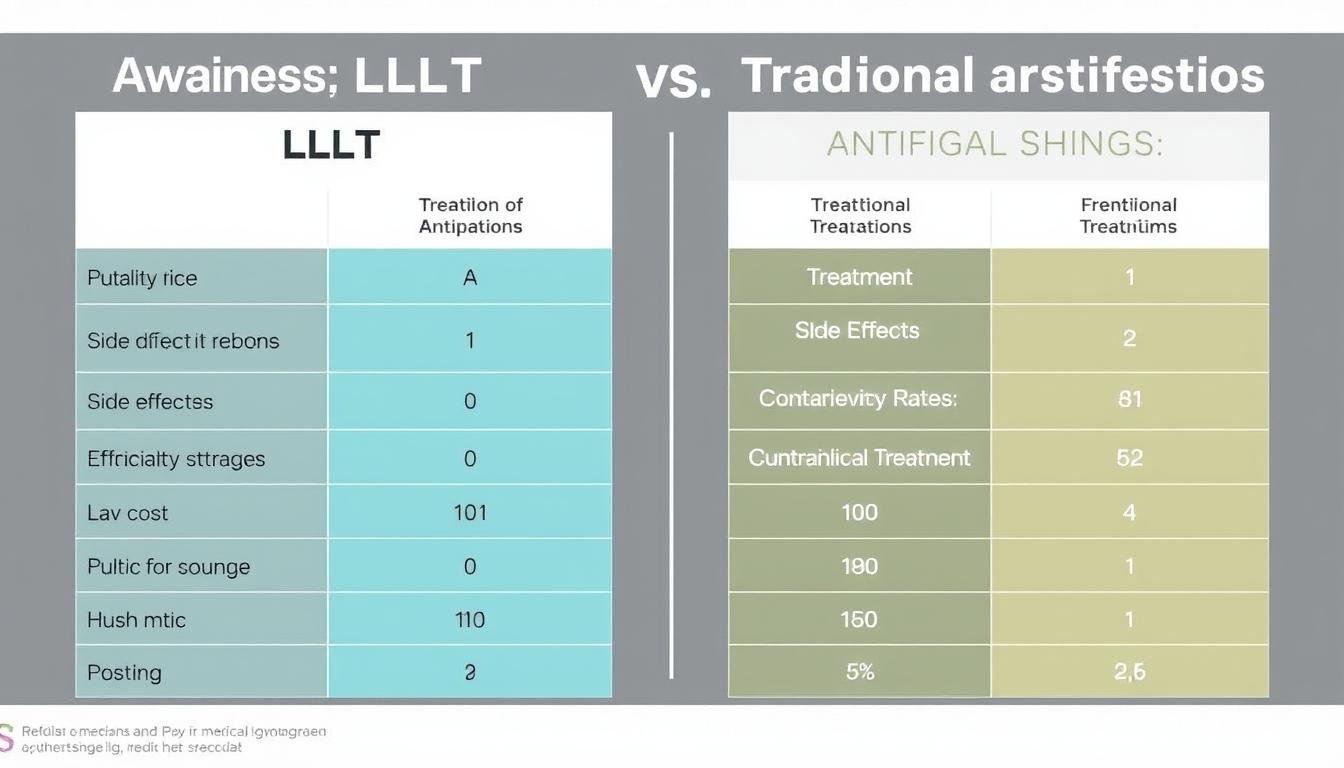
Comparative analysis of LLLT versus conventional antifungal treatments
LLLT Advantages
- Non-invasive and painless procedure
- No systemic side effects or drug interactions
- Short treatment sessions (12-30 minutes)
- No thermal damage to surrounding tissues
- Effective against biofilm-forming fungi
- No development of resistant strains
- Simultaneous treatment of multiple nails
- Addresses both pathogen and host response
Traditional Treatment Limitations
- Potential hepatotoxicity with oral medications
- Drug-drug interactions with systemic treatments
- Extended treatment duration (months to years)
- Low complete cure rates (14-38%)
- Development of resistant fungal strains
- Poor penetration of topical agents
- High recurrence rates
- Compliance issues with long-term use
The fundamental difference between LLLT and traditional antifungal approaches lies in their mechanisms of action. While conventional treatments attempt to poison the fungal cells through specific biochemical pathways that can be circumvented through resistance mechanisms, LLLT creates multiple simultaneous challenges to fungal viability through photochemical reactions while enhancing the host’s natural defenses.
Patient Experience Considerations
Beyond clinical efficacy, LLLT offers significant advantages in terms of patient experience:
- Comfort: Non-thermal nature means no pain during treatment
- Convenience: Short, weekly sessions versus daily medication regimens
- Immediate resumption of activities: No downtime following treatment
- Psychological benefits: Progressive visible improvement reduces stigma and improves quality of life
These advantages make LLLT an attractive option for patients who have failed conventional treatments or who cannot tolerate oral antifungal medications due to comorbidities or concurrent medications.
MAIKONG’s Advanced LLLT Devices for Fungal Treatment

MAIKONG’s professional-grade LLLT device featuring dual-wavelength technology
MAIKONG has developed a comprehensive range of LLLT devices specifically designed to leverage the scientific mechanisms discussed in this article. Our devices incorporate the latest advancements in laser technology to deliver optimal photobiomodulation for fungal treatments.
Key Features of MAIKONG LLLT Devices
Dual-Wavelength Technology
Combines 405nm (violet) and 635nm (red) wavelengths for synergistic antifungal effects targeting both the pathogen and host response.
Precision Energy Delivery
Calibrated to deliver the optimal energy density (2-4 J/cm²) for maximum therapeutic effect without thermal damage.
Automated Treatment Protocols
Pre-programmed treatment settings ensure consistent results with 12-minute sessions for maximum efficiency.
MAIKONG LLLT Product Range
| Product | Features | Ideal For |
| LLLT Laser Therapy Device | Professional-grade dual-wavelength system with adjustable parameters | Medical clinics and podiatry practices |
| LLLT Home Device | Compact, user-friendly design with preset protocols | Home maintenance treatments |
| LLLT Helmet | Hands-free operation for scalp fungal conditions | Dermatology clinics treating tinea capitis |
| LLLT Comb | Targeted application with integrated red and violet LEDs | Precision treatment of localized infections |
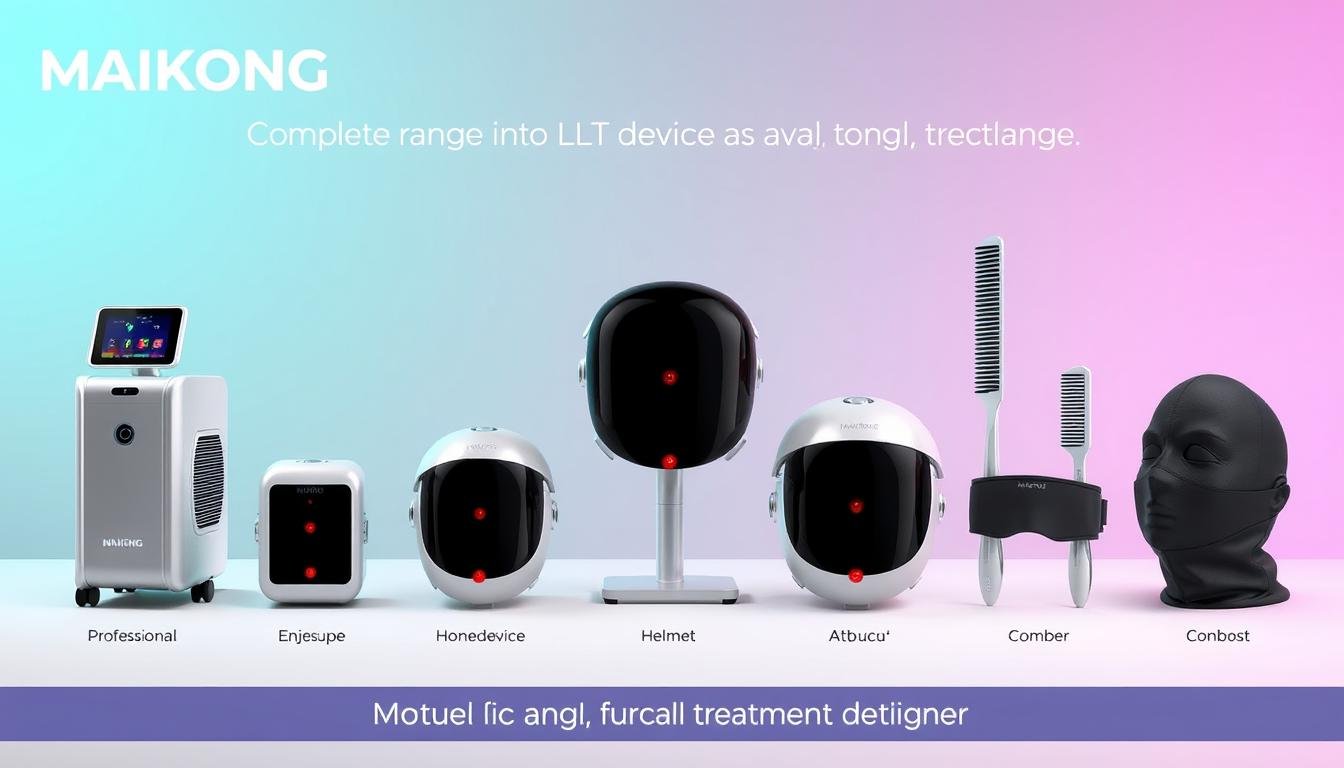
MAIKONG’s comprehensive LLLT product lineup for various fungal treatment applications
Become a US Distributor
Join MAIKONG’s network of US distributors and offer your patients the latest in LLLT technology. Our devices combine scientific excellence with competitive pricing.
Clinical Implementation Guidelines for LLLT Mechanism on Fungal Treatment
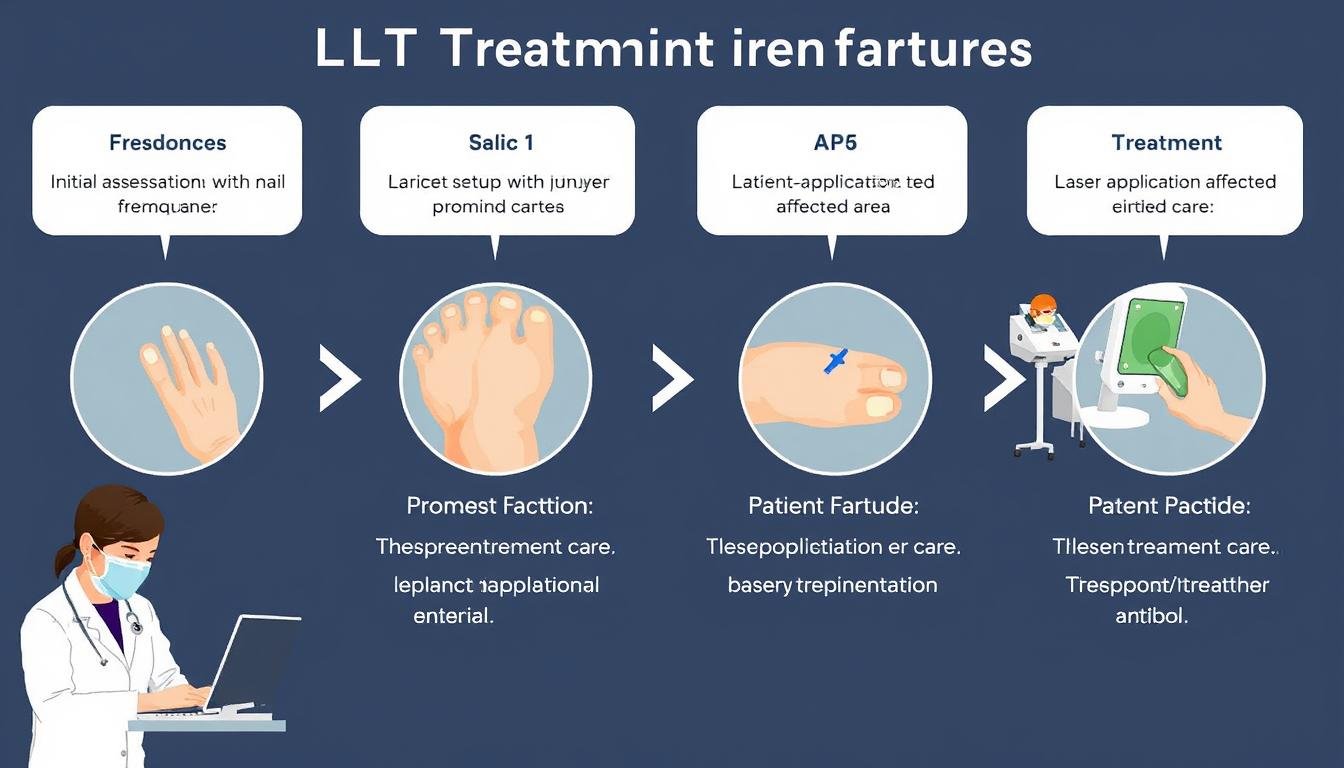
Step-by-step protocol for implementing LLLT treatment for fungal infections
For optimal results when implementing LLLT for fungal infections, practitioners should follow these evidence-based guidelines:
Pre-Treatment Assessment
- Diagnostic confirmation: Verify fungal infection through microscopy, culture, or PCR testing
- Infection severity assessment: Document extent of infection and nail involvement
- Photographic documentation: Capture baseline images for progress comparison
- Patient education: Explain treatment process, timeline, and expected outcomes
Treatment Protocol
- Cleanse treatment area to remove debris and topical products
- Position the LLLT device to ensure complete coverage of affected area
- Apply dual-wavelength laser (405nm and 635nm) for 12 minutes per treatment area
- Conduct weekly sessions for 4 weeks (standard protocol)
- Evaluate progress at 3 months and determine if maintenance sessions are needed
Post-Treatment Care and Monitoring
- Hygiene practices: Maintain proper foot hygiene and avoid environments conducive to fungal growth
- Regular follow-up: Assess at 3, 6, and 12 months for clear nail growth
- Documentation: Track progress with standardized photography
- Success metrics: Minimum 3mm clear nail growth at 6 months indicates treatment success
These guidelines ensure consistent application of LLLT technology while maximizing treatment outcomes. The non-invasive nature of LLLT means there are minimal contraindications, making it suitable for patients who cannot tolerate conventional antifungal treatments.
How many LLLT sessions are typically needed for fungal treatment?
Most clinical protocols recommend 4 weekly sessions of 12 minutes each. However, the exact number may vary based on infection severity. Studies show that 67-89% of treated nails show significant improvement with this protocol. Maintenance sessions may be recommended for severe cases or to prevent recurrence.
Is LLLT treatment for fungal infections painful?
No, LLLT is a non-thermal therapy that does not generate heat or cause pain during treatment. Patients typically feel no sensation during the procedure, making it comfortable even for sensitive individuals. This contrasts with some high-power laser treatments that can cause discomfort due to thermal effects.
How soon can patients expect to see results from LLLT fungal treatment?
Initial improvements may be visible within 3 months, with significant clear nail growth (minimum 3mm) typically observed at 6 months post-treatment. Complete results depend on the natural growth rate of the nail, which is approximately 1mm per month. Full nail clarity may take 9-12 months as the healthy nail grows out completely.
Future Directions in LLLT Mechanism on Fungal Research

Next-generation research exploring advanced LLLT applications for fungal pathogens
The field of LLLT for fungal infections continues to evolve, with several promising research directions that may further enhance treatment efficacy:
Emerging Research Areas
- Wavelength optimization: Identifying the most effective wavelength combinations for specific fungal species
- Pulsed vs. continuous wave: Investigating whether pulsed laser delivery enhances antifungal effects
- Combination therapies: Exploring synergistic effects between LLLT and conventional antifungals
- Biofilm disruption: Targeting fungal biofilms that contribute to treatment resistance
- Personalized protocols: Developing treatment parameters based on infection characteristics and patient factors
As research continues to advance our understanding of the LLLT mechanism on fungal pathogens, we can expect further refinements in treatment protocols and device technology that will continue to improve clinical outcomes.
MAIKONG remains at the forefront of LLLT innovation, continuously incorporating the latest research findings into our device development. Our commitment to scientific excellence ensures that practitioners and patients have access to the most effective LLLT technology for fungal treatment.
Conclusion: The Future of Fungal Treatment Through LLLT
The scientific evidence supporting the LLLT mechanism on fungal cells presents a compelling case for this technology as a primary or adjunctive treatment for fungal infections. By simultaneously targeting fungal pathogens through direct photochemical effects while enhancing the host’s immune response, LLLT offers a comprehensive approach that addresses the limitations of conventional antifungal treatments.
MAIKONG’s advanced LLLT devices leverage these scientific principles to deliver effective, non-invasive treatment options for both clinical practitioners and patients. With continued research and technological refinement, LLLT is positioned to become an increasingly important component of the antifungal treatment arsenal.
Contact MAIKONG Today
Discover how MAIKONG’s advanced LLLT devices can transform your approach to fungal treatment. Contact us for product information, pricing, and US dealership opportunities.
Email: Lucy@lllt.us
Website: https://lllt.us
Copy©2025