Welcome to our definitive guide to LLLT Laser Reviews for 2025. Low-level laser therapy (LLLT) has revolutionized how we approach pain management, tissue healing, and even aesthetic treatments. As these devices become more accessible for home use, finding the right one requires navigating a complex landscape of specifications, features, and price points. Our expert team has thoroughly tested and analyzed the latest LLLT devices to bring you this comprehensive review and buying guide.Whether you’re seeking relief from chronic pain, accelerated healing from injuries, or exploring anti-aging treatments, our in-depth analysis will help you make an informed decision about which LLLT device best suits your specific needs. We’ve evaluated everything from power output and wavelength specifications to ease of use and overall value.



Understanding LLLT: What Is Low-Level Laser Therapy?
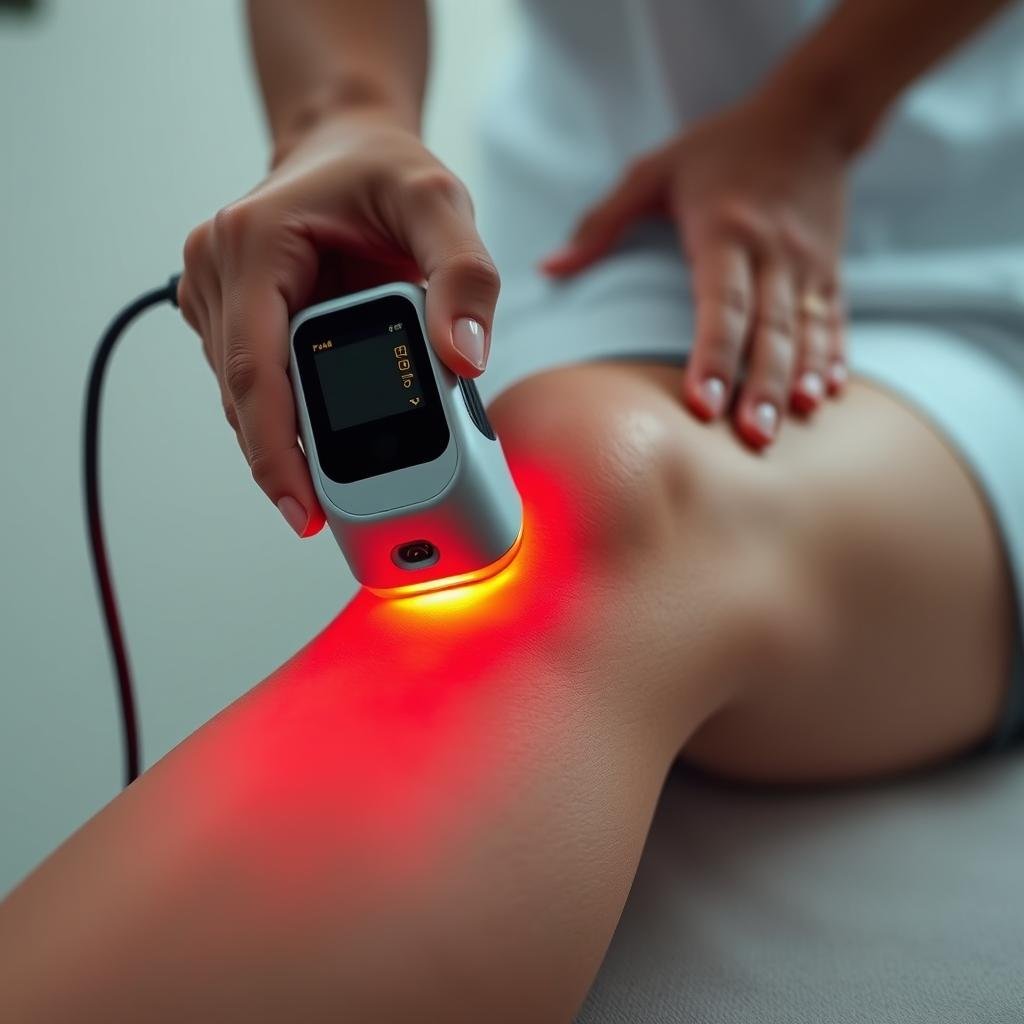
Low-level laser therapy (LLLT), also known as photobiomodulation or cold laser therapy, uses light energy from lasers or LEDs to stimulate cellular function. Unlike high-power surgical lasers that cut or burn tissue, LLLT operates at lower power levels (typically 1-500 milliwatts) and delivers light in the red to near-infrared spectrum (600-1070 nanometers).
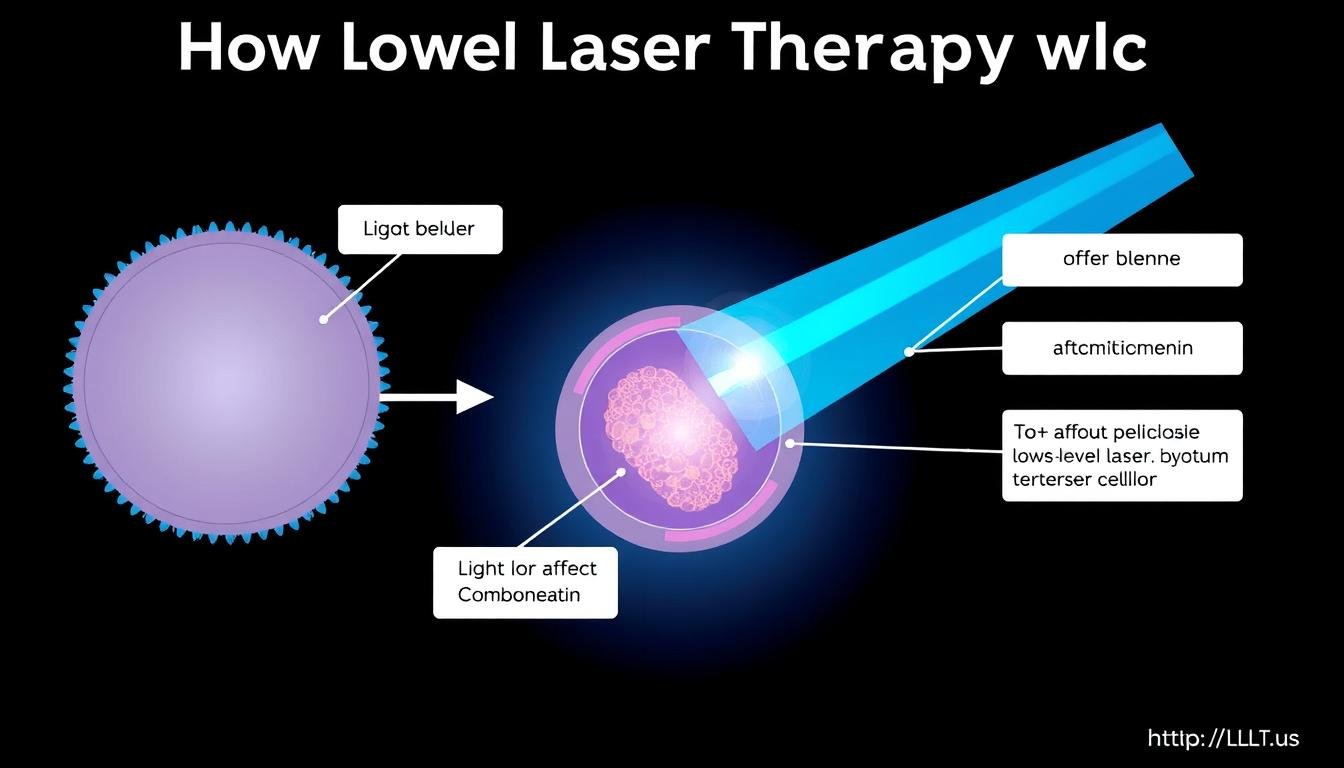
The fundamental mechanism behind LLLT involves photons being absorbed by cellular photoreceptors, particularly cytochrome c oxidase in mitochondria. This triggers a cascade of biochemical reactions that can:
- Increase ATP production (cellular energy)
- Reduce inflammation
- Enhance blood circulation
- Accelerate tissue repair and regeneration
- Modulate immune responses
- Reduce pain through various pathways
The effectiveness of LLLT depends on several key parameters, including wavelength, power density, energy density, treatment duration, and application method. These factors must be optimized for specific conditions and treatment areas.
Need Help Understanding LLLT Technology?
Our experts can explain how different LLLT parameters might benefit your specific condition. Contact us for a free consultation.
WhatsApp Consultation
Email Us
Benefits and Applications of LLLT Laser Devices
Medical Applications
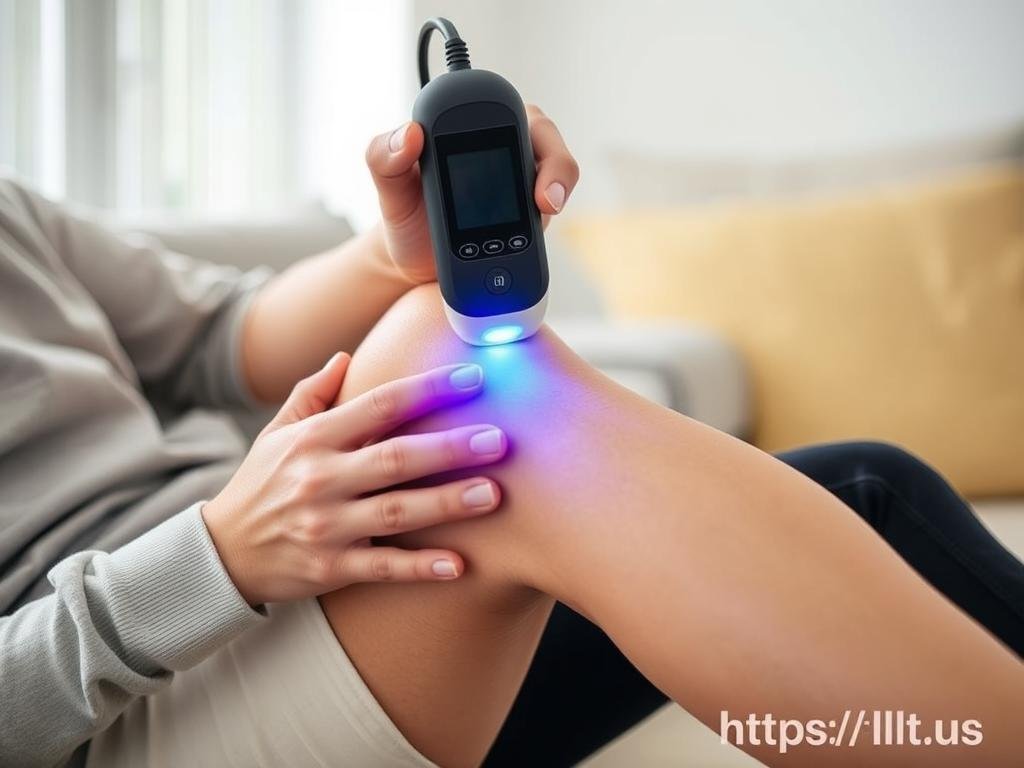
- Pain management (arthritis, back pain, fibromyalgia)
- Wound healing and tissue repair
- Reducing inflammation from injuries
- Nerve regeneration
- Joint condition treatment
- Muscle recovery and performance
- Lymphedema management
Aesthetic Applications
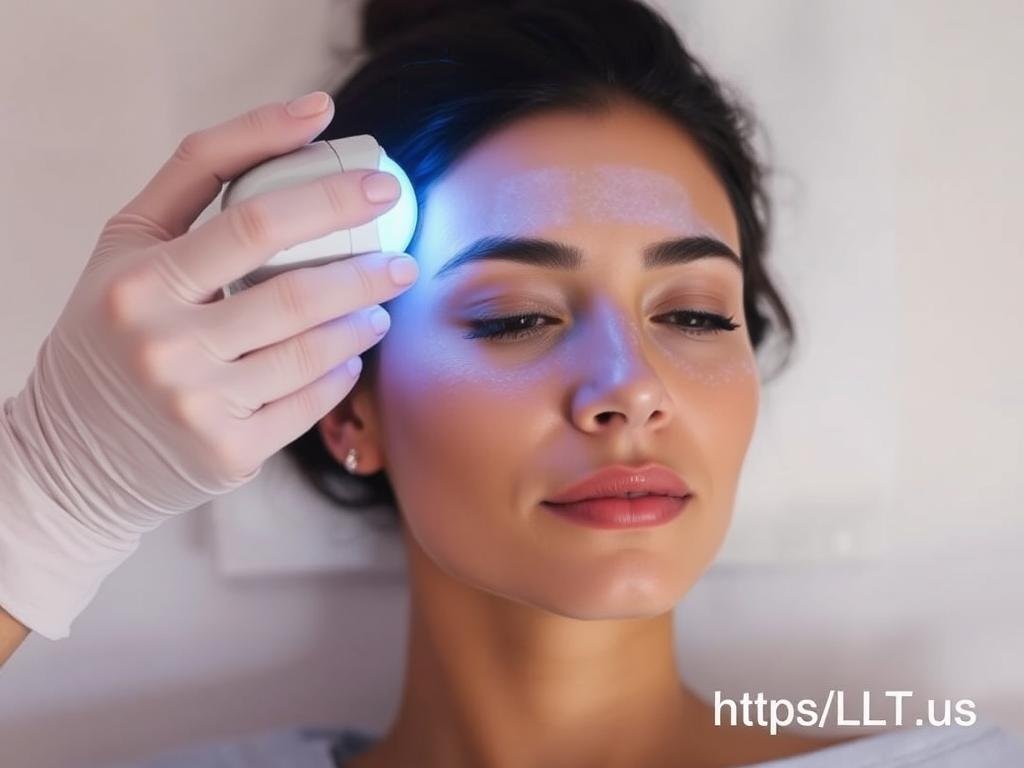
- Skin rejuvenation and anti-aging
- Hair loss treatment
- Acne management
- Scar reduction
- Cellulite treatment
- Post-procedure recovery
- Overall skin tone and texture improvement
Important Note: While LLLT has shown promising results for many conditions, individual responses may vary. Consult with a healthcare professional before beginning any new treatment regimen, especially if you have existing medical conditions or are taking medications.
When evaluating LLLT devices, several technical parameters significantly impact their effectiveness for specific applications. Understanding these factors is crucial for selecting the right device for your needs:
Wavelength
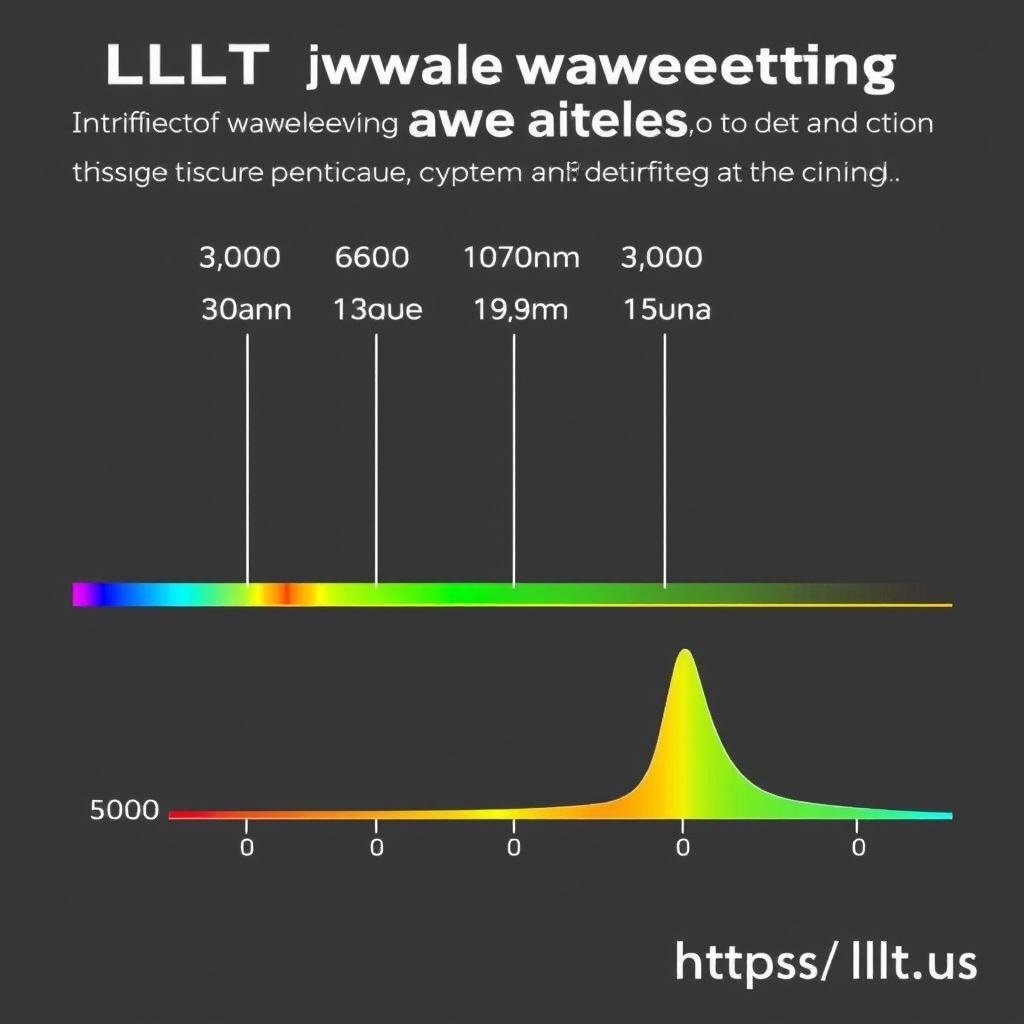
Measured in nanometers (nm), wavelength determines how deeply light penetrates tissue and which cellular components absorb it.
- Red light (630-660nm): Effective for surface treatments (skin, shallow wounds)
- Near-infrared (810-850nm): Penetrates deeper for joints, muscles, and deeper tissues
- Combined wavelengths: Many advanced devices offer multiple wavelengths for comprehensive treatment
Power Output

Measured in milliwatts (mW), power output affects treatment intensity and duration.
- Low power (5-30mW): Common in consumer devices, requires longer treatment times
- Medium power (30-100mW): Good balance for home use, reasonable treatment times
- High power (100-500mW): Professional-grade, shorter treatment times, potentially more effective
Energy Density
Measured in joules per square centimeter (J/cm²), energy density indicates the total energy delivered to tissue.
- Low density (1-4 J/cm²): Often used for superficial treatments
- Medium density (4-10 J/cm²): Common for many applications
- High density (10+ J/cm²): May be needed for deeper tissues or chronic conditions
Expert Tip: Higher power doesn’t always mean better results. Research shows that LLLT follows a biphasic dose response—too little energy won’t be effective, but too much can inhibit beneficial effects. The optimal parameters depend on your specific condition and treatment goals.
Top LLLT Laser Devices of 2025: Comprehensive LLLT Laser Reviews
After extensive testing and analysis, we’ve identified the top LLLT devices currently available. Our evaluation considered technical specifications, clinical evidence, user experience, build quality, and overall value.
1. LYMA Laser
| Specification |
Details |
| Wavelength |
808nm (Near-infrared) |
| Power Output |
500mW |
| Treatment Area |
Face, neck, body |
| Battery Life |
Up to 4 hours |
| Special Features |
Diffused beam technology, FDA-cleared, clinical-grade power |
| Price Range |
$2,500-$2,700 |
Pros
- Clinical-grade power output (500mW)
- Diffused beam technology for better coverage
- FDA-cleared for safety and efficacy
- Premium build quality and design
- Comprehensive treatment protocols included
Cons
- Premium price point
- Heavier than some competitors
- Single wavelength only
- May require longer treatment sessions for some conditions
The LYMA Laser stands out as a premium LLLT device with clinical-grade specifications. Its 808nm wavelength and 500mW power output deliver effective treatment for a wide range of applications. The diffused beam technology ensures even coverage of treatment areas, while the sleek design and intuitive operation make it accessible for home use despite its professional-grade capabilities.
Users consistently report visible improvements in skin texture, reduced pain, and accelerated healing. The device is particularly effective for facial treatments, with many users noting significant improvements in fine lines, skin firmness, and overall complexion within 8-12 weeks of regular use.
“I’ve been using the LYMA Laser for three months now, and the results are remarkable. My skin looks visibly firmer, and the nagging knee pain I’ve had for years has significantly diminished. It’s an investment, but the results justify the cost.”
— Sarah T., Verified Purchaser
2. Tendlite Pro Red Light Therapy Device
| Specification |
Details |
| Wavelength |
660nm (Red) & 850nm (Near-infrared) |
| Power Output |
150mW |
| Treatment Area |
Targeted spot treatment for joints and small areas |
| Battery Life |
Rechargeable, 2-3 hours of use |
| Special Features |
Portable design, carrying case, FDA-registered |
| Price Range |
$150-$200 |
Pros
- Dual wavelength technology (660nm and 850nm)
- Compact and portable design
- Excellent for targeted joint pain relief
- Includes carrying case for travel
- Affordable price point
Cons
- Limited treatment area (spot treatment only)
- Lower power output than premium models
- Audible beeping may bother some users
- Requires longer treatment sessions
The Tendlite Pro excels as a portable, targeted LLLT solution, particularly for joint pain and localized treatments. Its dual-wavelength approach combines the benefits of red light (660nm) for surface tissues with near-infrared (850nm) for deeper penetration, making it versatile for various applications.
This device is especially popular among users with arthritis, tendonitis, and sports injuries due to its precise application and consistent results. The compact size makes it ideal for travel, allowing users to maintain their treatment regimen anywhere.
“I’ve tried numerous treatments for my arthritic hands with limited success. The Tendlite Pro has been a game-changer. After just two weeks of daily use, the pain and stiffness have noticeably decreased. It’s now an essential part of my daily routine.”
— Robert M., Verified Purchaser
3. Kineon MOVE+ Pro LED & Laser Therapy Belt
| Specification |
Details |
| Wavelength |
650nm (Red) & 808nm (Near-infrared) |
| Power Output |
Six beams at 100mW each (600mW total) |
| Treatment Area |
Joints, back, larger treatment areas |
| Battery Life |
Rechargeable, up to 3 hours |
| Special Features |
Hands-free design, adjustable strap, automatic shut-off |
| Price Range |
$450-$550 |
Pros
- Hands-free operation for convenience
- Multiple laser beams for broader coverage
- Dual wavelength technology for comprehensive treatment
- Adjustable strap fits various body parts
- High total power output (600mW)
Cons
- Higher price point than basic devices
- May not fit all body areas equally well
- Bulkier than handheld options
- Not suitable for facial treatments
The Kineon MOVE+ Pro represents an innovative approach to LLLT with its hands-free, wearable design. The belt format allows for convenient treatment of larger areas like the back, knees, and shoulders without having to hold a device in place. With six powerful laser beams delivering a combined 600mW of power, it provides comprehensive coverage and effective treatment.
This device is particularly valuable for those with chronic joint pain, arthritis, or recovering from injuries who need regular, consistent treatment. The hands-free design allows users to continue with daily activities during treatment sessions, making it easier to maintain a consistent regimen.
“As a cyclist with chronic knee issues, the Kineon MOVE+ Pro has been transformative. I can wrap it around my knee post-ride and continue with my recovery routine. After six weeks of regular use, my recovery time has decreased significantly, and I’m experiencing much less pain during long rides.”
— Michael K., Verified Purchaser
Comparative Analysis: LLLT Laser Reviews Side by Side
To help you quickly compare the top LLLT devices, we’ve created this comprehensive comparison table highlighting the key differences and similarities:
| Feature |
LYMA Laser |
Tendlite Pro |
Kineon MOVE+ Pro |
Konftec 808 |
LifeZoom Red Light |
| Wavelength |
808nm |
660nm & 850nm |
650nm & 808nm |
808nm |
460nm, 660nm & 850nm |
| Power Output |
500mW |
150mW |
600mW (6×100mW) |
90mW |
100mW |
| Best For |
Face, skin, general use |
Targeted joint pain |
Larger areas, joints |
Ear applications, tinnitus |
Acne, cold sores |
| Design |
Handheld wand |
Compact handheld |
Wearable belt |
Ear probes |
Precision handheld |
| Treatment Time |
3 min per area |
1 min per area |
20-30 min |
30-45 min |
2-5 min per spot |
| Portability |
Medium |
High |
Medium |
Medium |
High |
| Price Range |
$2,500-$2,700 |
$150-$200 |
$450-$550 |
$200-$300 |
$90-$120 |
Need Help Choosing the Right LLLT Device?
Our experts can recommend the best device based on your specific condition, budget, and treatment goals.
Email Us
LLLT Buying Guide: How to Choose the Right Device
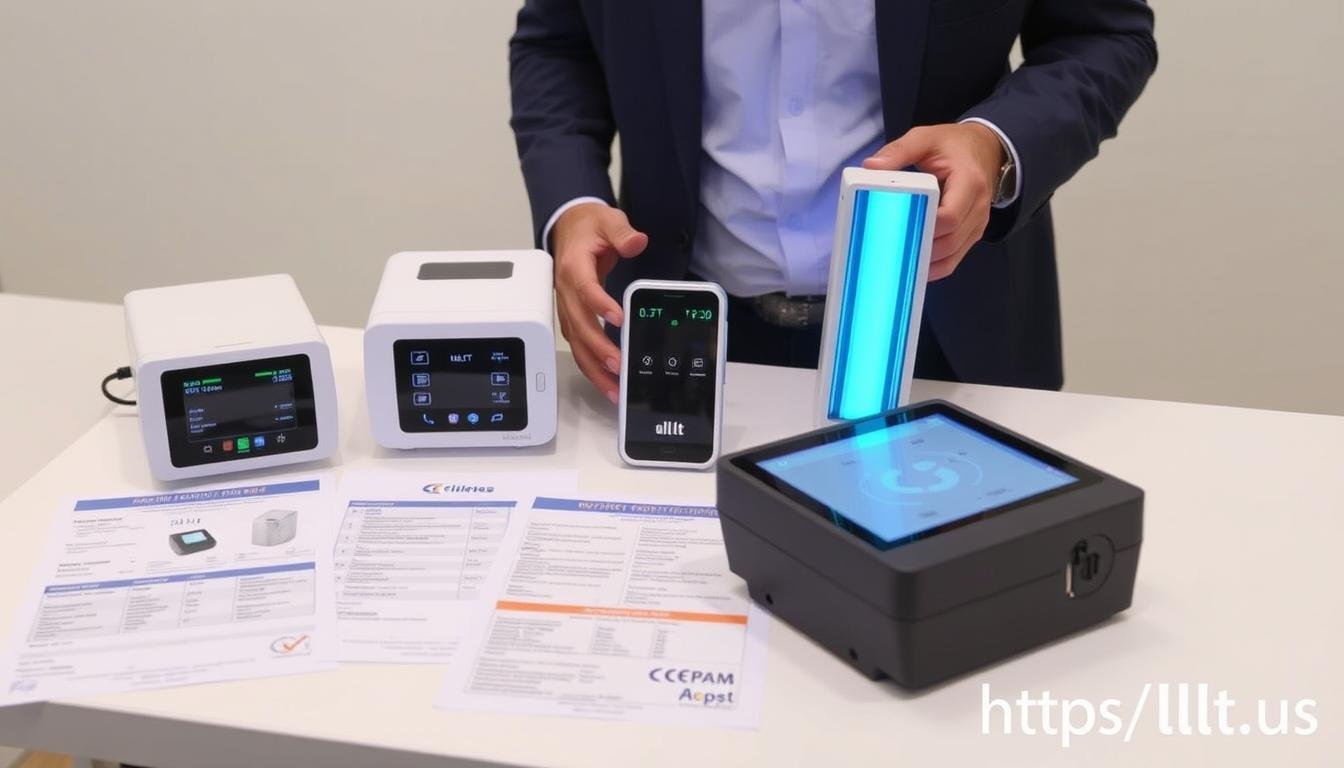
Selecting the right LLLT device requires careful consideration of several factors. Use this guide to navigate your options and find the device that best meets your specific needs:
Identify Your Treatment Goals
- Pain management: Look for devices with deeper penetrating wavelengths (808-850nm) and sufficient power (100mW+)
- Skin rejuvenation: Devices with red light wavelengths (630-660nm) are typically more effective
- Hair growth: Specialized devices with specific wavelengths (650-680nm) and comb attachments
- Joint conditions: Consider wearable options for hands-free treatment of specific joints
- General wellness: Multi-wavelength devices offer versatility for various applications
Technical Considerations
- Power output: Higher power (30mW+) is generally more effective and requires shorter treatment times
- Wavelength: Match to your specific condition (red vs. near-infrared)
- Energy density: Ensure the device can deliver adequate energy (4-10 J/cm² for most applications)
- Treatment area: Consider the size of the treatment head or number of diodes
- Battery life: Longer battery life is crucial for extended or multiple treatments
Practical Considerations
- Budget: Prices range from under $100 to $2,500+
- Ease of use: Consider ergonomics, weight, and intuitive controls
- Portability: If travel is important, look for compact, lightweight options
- Warranty: Quality devices typically offer 1-2 year warranties
- Clinical evidence: Look for devices with published research supporting their efficacy
Important Safety Consideration: Always verify that LLLT devices are FDA-cleared or registered with appropriate regulatory bodies. Avoid extremely low-priced devices that may lack proper safety features or deliver inadequate power for effective treatment.
Effectiveness of LLLT: What the Science Says
The scientific literature on LLLT shows varying levels of evidence for different applications. Here’s a summary of the current research landscape:
- Strong evidence: Pain management (particularly for joint conditions), wound healing, oral mucositis
- Moderate evidence: Hair regrowth, skin rejuvenation, muscle recovery
- Emerging evidence: Neuropathy, cognitive function, tinnitus management
- Limited evidence: Weight loss, cellulite reduction
Multiple systematic reviews and meta-analyses have confirmed the efficacy of LLLT for specific conditions when appropriate parameters are used. However, results can vary significantly based on treatment protocols, device specifications, and individual factors.
“Low-level laser therapy represents a non-invasive, non-pharmaceutical intervention with minimal side effects when properly administered. The key to successful outcomes lies in using appropriate parameters (wavelength, power density, treatment duration) for specific conditions.”
— Journal of Photochemistry and Photobiology, 2018
It’s important to note that while LLLT shows promising results for many conditions, it may not be equally effective for everyone. Factors such as skin tone, tissue thickness, and underlying health conditions can influence outcomes. Additionally, consistent application according to recommended protocols is essential for achieving optimal results.
LLLT Usage Tips: Maximizing Results from Your Device
Optimal Treatment Protocols
- Consistency is key: Regular treatments (typically daily or every other day) yield better results than sporadic use
- Follow recommended treatment times: Longer isn’t always better—adhere to manufacturer guidelines
- Proper distance: Maintain the recommended distance between the device and treatment area
- Clean skin: Remove makeup, oils, or lotions before treatment for better light penetration
- Document progress: Take photos or notes to track improvements over time

Safety Considerations
- Never look directly into the laser or LED light source
- Follow manufacturer guidelines for treatment duration
- Avoid use over tattoos, recent sunburn, or active infections
- Consult healthcare providers if pregnant or using photosensitizing medications
- Keep devices clean according to manufacturer instructions
Expert Tip: For chronic conditions, expect to see initial improvements within 2-4 weeks of consistent use, with more significant results typically appearing after 8-12 weeks. Maintenance treatments are often necessary to sustain benefits over time.
Real User Experiences: LLLT Laser Reviews from Verified Purchasers

Jennifer L. – Skin Rejuvenation
“After turning 45, I noticed more fine lines and loss of firmness in my skin. I invested in the LYMA Laser after extensive research, and after 10 weeks of consistent use, the results have exceeded my expectations. My skin looks visibly firmer, and several friends have commented on my ‘glow.’ The device is expensive, but considering the results and the cost of professional treatments, it’s been worth every penny.”

David R. – Arthritis Pain
“I’ve struggled with osteoarthritis in my knees for over a decade, trying everything from medications to injections. The Kineon MOVE+ Pro has been life-changing. Within three weeks of daily use, I experienced a noticeable reduction in pain and stiffness. After two months, I’ve been able to reduce my pain medication and have returned to moderate hiking—something I thought I’d never do again. The hands-free design makes it easy to incorporate into my daily routine.”

Sophia T. – Hair Growth
“After experiencing postpartum hair loss that didn’t seem to improve, I decided to try a specialized LLLT device for hair growth. The results weren’t immediate, but after about 4 months of consistent use (3-4 times weekly), I noticed significantly less shedding and new growth along my hairline. The process requires patience and consistency, but it’s been more effective than the topical treatments I tried previously. The device is easy to use, though the treatment time (20 minutes) can be a commitment.”
“What’s particularly impressive about quality LLLT devices is their versatility. I initially purchased mine for knee pain, but have since used it successfully for a shoulder injury and even to accelerate healing after a minor surgery. The investment has paid for itself many times over in reduced pain medication and improved quality of life.”
— James M., Long-term LLLT User
Frequently Asked Questions About LLLT Devices
How long does it take to see results from LLLT?
Results vary depending on the condition being treated, device specifications, and individual factors. Generally:
- Pain relief: Some users report immediate relief, but consistent improvement typically begins within 1-2 weeks
- Skin rejuvenation: Initial improvements in 2-4 weeks, with more significant results after 8-12 weeks
- Hair growth: Typically requires 3-6 months of consistent use
- Wound healing: Effects may be noticeable within days to weeks
Consistency is crucial for achieving optimal results with any LLLT treatment.
Are LLLT devices safe for home use?
Quality LLLT devices from reputable manufacturers are generally safe for home use when used according to instructions. Look for devices with appropriate certifications (FDA-cleared, CE-marked) and built-in safety features.
The main safety considerations include:
- Avoiding direct eye exposure to the light
- Following recommended treatment durations
- Being aware of contraindications (pregnancy, photosensitizing medications, active cancer)
Always consult with a healthcare provider before beginning LLLT if you have underlying health conditions.
What’s the difference between LED and laser LLLT devices?
Both LED and laser LLLT devices can be effective, but they differ in several key ways:
- Coherence: Lasers emit coherent light (organized, in-phase), while LEDs emit non-coherent light
- Precision: Lasers can be more precisely targeted and generally penetrate deeper into tissue
- Power: Lasers typically deliver higher power density to specific areas
- Coverage: LED devices often cover larger areas and may be better for surface treatments
- Cost: LED devices are generally less expensive than laser devices
Many modern devices combine both technologies to leverage the benefits of each. The best choice depends on your specific treatment goals.
Can LLLT be used alongside other treatments?
LLLT can often complement other treatments, and in some cases, may enhance their effectiveness. However, specific considerations apply:
- LLLT can generally be used alongside physical therapy, massage, and exercise programs
- For skin conditions, LLLT may enhance the absorption of topical products
- When using with medications, consult your healthcare provider, especially regarding photosensitizing drugs
- Allow appropriate intervals between LLLT and other energy-based treatments (radiofrequency, ultrasound)
Always inform all healthcare providers about the various treatments you’re using to ensure safe integration.
How do I maintain my LLLT device?
Proper maintenance ensures optimal performance and longevity of your LLLT device:
- Clean the treatment head/light source regularly with a soft, lint-free cloth and alcohol wipes (when unplugged)
- Store in a clean, dry place away from direct sunlight
- Follow manufacturer guidelines for battery care and charging
- Check for any damage to cords, connectors, or the device housing
- Calibrate if recommended by the manufacturer (typically for professional devices)
Most quality devices require minimal maintenance beyond regular cleaning and proper storage.
Conclusion: Finding Your Ideal LLLT Device
As our LLLT Laser Reviews have demonstrated, the right device can make a significant difference in your health and wellness journey. The field of low-level laser therapy continues to evolve, with increasingly sophisticated and effective devices becoming available for home use.
When selecting an LLLT device, prioritize your specific treatment goals, technical specifications that align with those goals, and practical considerations like budget and ease of use. Remember that consistency is key to achieving optimal results, regardless of which device you choose.
For those seeking pain relief, the Kineon MOVE+ Pro and Tendlite Pro offer excellent options at different price points. For skin rejuvenation and anti-aging, the premium LYMA Laser delivers exceptional results. And for targeted treatments of specific conditions, specialized devices like the Konftec 808 and LifeZoom Red Light provide focused solutions.
Ultimately, the best LLLT device is one that you’ll use consistently according to recommended protocols. With proper use and realistic expectations, these innovative devices can be valuable tools in your health and wellness arsenal.
Ready to Experience the Benefits of LLLT?
Our team of experts is available to help you select the perfect LLLT device for your specific needs. Contact us today for personalized recommendations and special offers.


