Hair loss affects millions of people worldwide, impacting not just appearance but also confidence and self-esteem. While many treatments promise results, Low-Level Laser Therapy (LLLT) has emerged as a scientifically-backed, non-invasive solution for those seeking to restore their hair. LLLT Laser therapy utilizes specific wavelengths of light to stimulate cellular activity in hair follicles, promoting growth and reversing thinning. This comprehensive guide explores how this revolutionary technology works, its proven benefits, and why it might be the solution you’ve been searching for in your hair restoration journey.

Modern LLLT Laser device used in professional hair restoration treatments
Low-Level Laser Therapy (LLLT), also known as photobiomodulation or cold laser therapy, is a medical treatment that uses low-power lasers or light-emitting diodes (LEDs) to stimulate cellular function. Unlike high-power lasers used for cutting or thermal treatments, LLLT Laser devices operate at lower power outputs (typically less than 500mW) and don’t produce heat or damage tissues.
The technology was accidentally discovered in 1967 by Hungarian physician Endre Mester, who found that low-power laser light could stimulate hair growth in mice. Since then, LLLT Laser therapy has been developed and refined for various medical applications, including its now well-established use in treating androgenetic alopecia (pattern hair loss) in both men and women.
The Science Behind LLLT Laser Technology
LLLT Laser therapy works based on the principle of photochemistry—specifically, the Grotthuss-Draper law, which states that light must be absorbed by a chemical substance to trigger a photochemical reaction. In the case of LLLT, the primary photoreceptor is cytochrome c oxidase, an enzyme in the mitochondrial respiratory chain.
When the specific wavelengths of light (typically in the red to near-infrared range of 630-940nm) from an LLLT Laser device penetrate the scalp, they’re absorbed by cytochrome c oxidase in the hair follicle cells. This absorption triggers several biological effects:
- Increased production of adenosine triphosphate (ATP), the cellular energy currency
- Enhanced cellular metabolism and function
- Improved blood circulation to the scalp
- Reduced inflammation around hair follicles
- Stimulation of stem cells in the hair follicle
- Prevention of premature catagen phase (hair loss phase) entry
These biological responses collectively create an optimal environment for hair growth, helping to reverse miniaturization of hair follicles and promoting the production of thicker, healthier hair.
How LLLT Laser Works for Hair Regrowth

Mechanism of LLLT Laser penetration and stimulation of hair follicles
To understand how LLLT Laser therapy effectively combats hair loss, we need to examine its effects at the cellular and tissue levels. The process involves several key mechanisms that work together to revitalize dormant hair follicles and strengthen existing hair.
Cellular Activation Through LLLT Laser Stimulation
When LLLT Laser light reaches the hair follicles, it primarily affects the dermal papilla cells—the control center for hair growth. Research has shown that these cells respond to the specific wavelengths used in LLLT by:
Energy Production
The absorbed light energy increases ATP production in the mitochondria, providing more energy for cellular activities essential to hair growth. Studies have shown up to a 200% increase in ATP production following LLLT Laser exposure.
Cell Proliferation
LLLT Laser therapy activates dormant stem cells in the bulge region of hair follicles, promoting their differentiation into hair-producing cells. This helps reactivate follicles that have become miniaturized due to androgenetic alopecia.
Improved Microcirculation
The therapy stimulates the release of nitric oxide, a vasodilator that increases blood flow to the scalp. Enhanced circulation ensures that hair follicles receive more oxygen and nutrients while efficiently removing waste products.
Anti-Inflammatory Effects
LLLT Laser reduces the production of pro-inflammatory cytokines around hair follicles, creating a healthier environment for hair growth. This is particularly beneficial as inflammation is a known contributor to various forms of hair loss.
The Hair Growth Cycle and LLLT Laser Influence
Hair growth occurs in cycles consisting of three main phases: anagen (growth), catagen (transition), and telogen (resting). LLLT Laser therapy positively influences this cycle in several ways:
- Extends the anagen (growth) phase, allowing hair to grow longer and thicker
- Prevents premature entry into the catagen (transition) phase
- Accelerates the transition from telogen (resting) to anagen, reducing the number of dormant follicles
- Increases the percentage of hairs in the anagen phase at any given time
These effects result in a gradual increase in hair count, thickness, and overall density. Clinical studies have documented improvements in hair density ranging from 20% to 35% after 16-26 weeks of regular LLLT Laser treatment.
Scientific Evidence Supporting LLLT Laser Therapy

Clinical before and after results of LLLT Laser treatment for androgenetic alopecia
The efficacy of LLLT Laser therapy for hair loss is supported by a growing body of scientific research, including randomized controlled trials, meta-analyses, and clinical studies. These investigations provide compelling evidence for its effectiveness as a hair loss treatment.
Key Clinical Studies on LLLT Laser for Hair Loss
Several landmark studies have demonstrated the benefits of LLLT Laser therapy for treating hair loss:
| Study |
Participants |
Device Type |
Duration |
Results |
| Lanzafame et al. (2013) |
44 males with androgenetic alopecia |
Helmet device (655nm ± 5nm) |
16 weeks |
37.7% increase in hair count in treatment group vs. 0.1% in placebo |
| Lanzafame et al. (2014) |
47 females with androgenetic alopecia |
Helmet device (655nm ± 5nm) |
16 weeks |
37% increase in hair count in treatment group vs. -2% in placebo |
| Jimenez et al. (2014) |
122 males and 141 females |
Comb device (655nm) |
26 weeks |
Significant increase in terminal hair count for both genders |
| Liu et al. (2019) |
Meta-analysis of 8 studies with 11 RCTs |
Various LLLT devices |
Varied |
Statistically significant increase in hair density across studies |
| Suchonwanit et al. (2019) |
40 patients with androgenetic alopecia |
Helmet device (660nm and 850nm) |
24 weeks |
51% increase in terminal hair count and improved hair diameter |
FDA Clearance and Medical Recognition
The efficacy of LLLT Laser devices for hair loss has been recognized by regulatory bodies worldwide. In the United States, several LLLT Laser devices have received FDA clearance for treating androgenetic alopecia in both men and women. This regulatory approval was based on substantial clinical evidence demonstrating safety and effectiveness.
The American Academy of Dermatology acknowledges LLLT as a treatment option for hair loss, particularly for those who haven’t responded well to conventional treatments or prefer a non-pharmacological approach.
“The available evidence suggests that low-level laser therapy may be a safe and effective treatment option for patients with androgenetic alopecia who do not respond or are not suitable candidates for standard treatments.”
— Journal of the American Academy of Dermatology
This growing scientific consensus has helped establish LLLT Laser therapy as a legitimate, evidence-based treatment option for those suffering from hair loss.
Key Benefits of LLLT Laser for Hair Loss
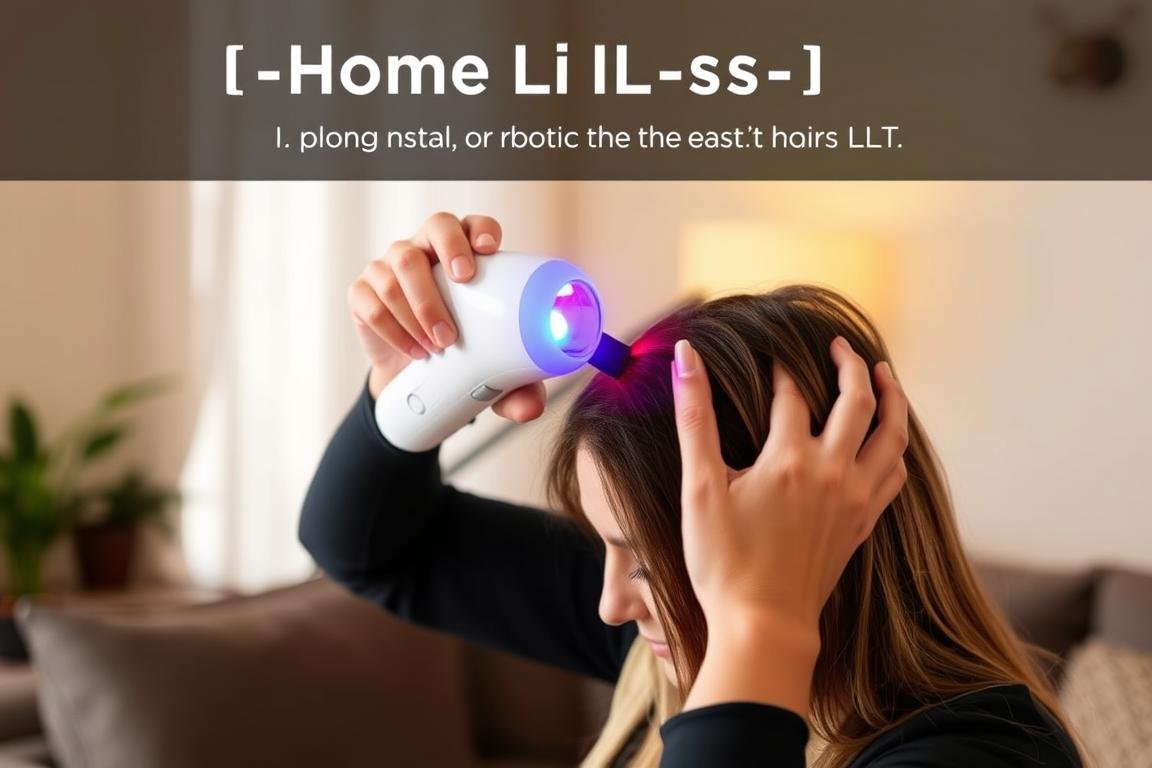
Convenient at-home treatment with a handheld LLLT Laser device
LLLT Laser therapy offers numerous advantages over other hair loss treatments, making it an attractive option for many individuals. Here are the key benefits that have contributed to its growing popularity:
Advantages of LLLT Laser Therapy
- Non-invasive: No surgery, injections, or skin penetration required
- Painless: Treatments are comfortable with no recovery time needed
- Drug-free: No systemic medications, avoiding potential side effects
- Minimal side effects: Extremely rare and typically mild if they occur
- Compatible with other treatments: Can be used alongside medications like minoxidil or finasteride
- Suitable for both genders: Effective for male and female pattern hair loss
- Convenient home use: Many FDA-cleared devices are designed for self-treatment
- Treats the entire scalp: Benefits both existing hair and dormant follicles
Clinical Benefits Observed in LLLT Laser Studies
Research has documented several measurable improvements in patients using LLLT Laser therapy for hair loss:
Increased Hair Count
Clinical studies consistently show a significant increase in the number of terminal (mature) hairs in treated areas, with improvements ranging from 20% to over 50% depending on the study and device used.
Enhanced Hair Thickness
LLLT Laser therapy improves the diameter of individual hair shafts, resulting in fuller-looking hair. Microscopic analysis has shown increases in hair diameter of up to 31% in some studies.
Improved Hair Strength
The treatment strengthens hair by improving the structural integrity of the hair shaft, resulting in reduced breakage and improved tensile strength of existing hair.
Long-Term Benefits and Maintenance
While individual results vary, LLLT Laser therapy offers several long-term advantages:
- Progressive improvement: Results typically continue to improve over the first 4-6 months of treatment
- Sustainable results: With ongoing maintenance treatments, benefits can be maintained long-term
- Slowed progression: Regular use may help slow or prevent further hair loss
- Scalp health: Improved blood circulation and reduced inflammation contribute to overall scalp health
Want to Learn If LLLT Laser Therapy Is Right for You?
Our specialists can evaluate your hair loss condition and recommend the most effective treatment approach. Contact us today for a personalized consultation.
Contact Us on WhatsApp
Comparing LLLT Laser with Other Hair Loss Treatments

Comparison of major hair loss treatment approaches including LLLT Laser therapy
When considering treatment options for hair loss, it’s important to understand how LLLT Laser therapy compares to other available interventions. Each approach has distinct advantages, limitations, and suitability for different types of hair loss.
| Treatment |
Mechanism |
Effectiveness |
Side Effects |
Convenience |
Cost |
| LLLT Laser Therapy |
Photobiomodulation of hair follicles |
Moderate; 20-50% increase in hair count |
Minimal; occasional scalp irritation |
High; at-home treatments 3-7 times weekly |
$300-$3,000 for device (one-time) |
| Minoxidil (Topical) |
Vasodilation; prolongs anagen phase |
Moderate; 15-45% increase in hair count |
Scalp irritation, unwanted facial hair |
Medium; daily application |
$15-$50 monthly |
| Finasteride (Oral) |
DHT inhibition |
Moderate to high; prevents further loss |
Sexual dysfunction, mood changes (rare) |
High; daily pill |
$10-$80 monthly |
| PRP Therapy |
Growth factors from platelets |
Moderate; results vary widely |
Injection site pain, swelling |
Low; in-office procedure every 3-6 months |
$1,500-$3,500 per year |
| Hair Transplant |
Surgical relocation of follicles |
High; permanent results |
Surgical risks, scarring, recovery time |
Very low; surgical procedure |
$4,000-$15,000+ (one-time) |
Combining LLLT Laser with Other Treatments
One of the significant advantages of LLLT Laser therapy is its compatibility with other hair loss treatments. Many dermatologists and hair restoration specialists recommend combination approaches for enhanced results:
LLLT Laser + Minoxidil
This combination leverages the vasodilatory effects of minoxidil with the cellular stimulation of LLLT. Studies have shown that this combination can produce superior results compared to either treatment alone, with the LLLT helping to enhance minoxidil absorption.
LLLT Laser + Finasteride
For male patients, combining LLLT with finasteride addresses hair loss through complementary mechanisms—finasteride blocks DHT production while LLLT stimulates cellular activity in the follicles, creating a comprehensive approach to treatment.
LLLT Laser + PRP
Platelet-rich plasma (PRP) therapy provides growth factors that can work synergistically with LLLT’s stimulatory effects. Many clinics offer this combination for patients seeking enhanced results without surgery.
LLLT Laser Post-Transplant
After hair transplant surgery, LLLT can help accelerate healing, reduce inflammation, and promote the health of both transplanted and native hair follicles, potentially improving the overall outcome of the procedure.
Expert Insight: Many hair restoration specialists now recommend LLLT Laser therapy as part of a comprehensive treatment plan rather than as a standalone solution. This multi-modal approach addresses different aspects of hair loss simultaneously, often yielding superior results compared to single-treatment approaches.
Choosing the Right LLLT Laser Device

Various types of LLLT Laser devices available for hair loss treatment
With numerous LLLT Laser devices on the market, selecting the right one can be challenging. Understanding the key factors that differentiate these devices will help you make an informed decision that best suits your needs and budget.
Types of LLLT Laser Devices
LLLT Laser devices for hair loss come in several formats, each with distinct advantages and limitations:
Laser Combs/Brushes
Description: Handheld devices with laser diodes arranged in a comb-like pattern.
Pros: Affordable, portable, easy to use.
Cons: Requires manual movement, may miss areas, treatment takes longer.
Best for: Beginners, targeted treatment, limited budgets.
Laser Caps/Helmets
Description: Wearable devices that fit on the head like a cap, containing multiple laser diodes.
Pros: Hands-free operation, consistent coverage, treats entire scalp simultaneously.
Cons: More expensive, less portable than combs.
Best for: Comprehensive treatment, convenience, diffuse thinning.
Laser Bands
Description: Flexible bands with laser diodes that can be positioned on different parts of the scalp.
Pros: Versatile, can target specific areas, moderately priced.
Cons: May not cover the entire scalp in one session.
Best for: Targeted treatment, receding hairlines, crown thinning.
Critical Features to Consider in LLLT Laser Devices
When evaluating LLLT Laser devices, consider these important technical specifications:
Wavelength
The most effective wavelengths for hair growth fall between 630-670nm (red) and 800-850nm (near-infrared). Research indicates that 650-660nm may be optimal for stimulating hair follicles. Ensure the device operates within these proven therapeutic ranges.
Power Output
Look for devices with appropriate power density (typically 3-5 mW/cm²). Too little power may be ineffective, while too much could potentially cause adverse effects. FDA-cleared devices have been tested to deliver appropriate power levels.
Number and Type of Diodes
More diodes generally mean better coverage and potentially shorter treatment times. True laser diodes are preferable to LEDs for deeper penetration, though some devices combine both technologies. Premium devices typically feature 50-272 diodes.
Treatment Area Coverage
Consider how much of the scalp the device can treat simultaneously. Full-coverage devices (caps/helmets) treat the entire scalp at once, while combs and bands may require multiple positions during a session.
FDA Clearance and Quality Considerations
When investing in an LLLT Laser device, regulatory clearance and quality factors should be primary considerations:
- FDA Clearance: Choose devices that have received FDA clearance specifically for treating hair loss. This ensures the device has been evaluated for both safety and efficacy.
- Clinical Studies: Look for devices backed by published clinical research demonstrating their effectiveness.
- Warranty and Support: Quality devices typically come with substantial warranties (1-5 years) and responsive customer support.
- Battery Life: For portable devices, consider battery life and charging requirements.
- Comfort and Convenience: The best device is one you’ll use consistently—consider comfort, treatment time, and ease of use.
Top-Rated LLLT Laser Devices
4.7
Based on clinical effectiveness and user satisfaction
Need Help Selecting the Right LLLT Laser Device?
Our hair loss specialists can recommend the most suitable device based on your specific condition, budget, and treatment goals.
Or email us at: Lucy@lllt.us
Practical Usage Guidelines for LLLT Laser Therapy

Proper technique for at-home LLLT Laser treatment
To maximize the benefits of LLLT Laser therapy for hair loss, it’s essential to follow proper usage protocols. Consistent application according to recommended guidelines is key to achieving optimal results.
Recommended LLLT Laser Treatment Protocol
While specific instructions may vary by device, most FDA-cleared LLLT Laser devices follow similar treatment protocols:
| Parameter |
Typical Recommendation |
Notes |
| Treatment Frequency |
3-7 sessions per week |
Most devices recommend every other day or daily use |
| Session Duration |
4-30 minutes |
Varies by device type; caps typically 6-30 min, combs 8-15 min |
| Total Treatment Period |
16-26 weeks (initial) |
Followed by maintenance treatments |
| Maintenance Schedule |
2-3 sessions per week |
After achieving desired results |
| Scalp Preparation |
Clean, dry hair |
Remove styling products before treatment |
Step-by-Step LLLT Laser Treatment Guide
Follow these steps for effective at-home LLLT Laser treatments:
- Prepare your scalp: Wash your hair to remove any products that might block light penetration. Towel dry or allow to air dry completely.
- Prepare your device: Ensure your device is fully charged or plugged in. Clean the diodes if necessary according to manufacturer instructions.
- Position the device: For caps/helmets, place directly on your head. For combs/brushes, start at the front hairline.
- Activate treatment: Turn on the device and start the treatment cycle.
- Complete the session: For hands-free devices, wait until the automatic shut-off. For handheld devices, slowly move across the scalp in a systematic pattern, spending the recommended time on each area.
- Post-treatment care: No special aftercare is needed; you can style your hair as usual.
- Track your progress: Take photos monthly from consistent angles to monitor changes.
Optimizing Your LLLT Laser Results
To enhance the effectiveness of your LLLT Laser therapy, consider these additional recommendations:
Consistency Is Key
Regular, consistent use according to the recommended schedule is crucial for results. Set reminders or establish a routine to ensure you don’t miss treatments.
Complementary Treatments
Consider using LLLT Laser therapy alongside other proven hair loss interventions like minoxidil or finasteride (for men) as recommended by your doctor.
Nutritional Support
Ensure adequate intake of hair-supporting nutrients like biotin, zinc, iron, and vitamins D and E. A balanced diet or targeted supplements can help provide the building blocks for healthy hair.
Manage Expectations
Results typically begin to appear after 2-4 months of consistent use, with optimal results at 4-6 months. Be patient and persistent with your treatment regimen.
Important: While LLLT Laser therapy is generally considered safe, consult with a healthcare provider before starting treatment if you have any underlying scalp conditions, are pregnant, have cancer, or are taking photosensitizing medications.
What Results to Expect from LLLT Laser Therapy
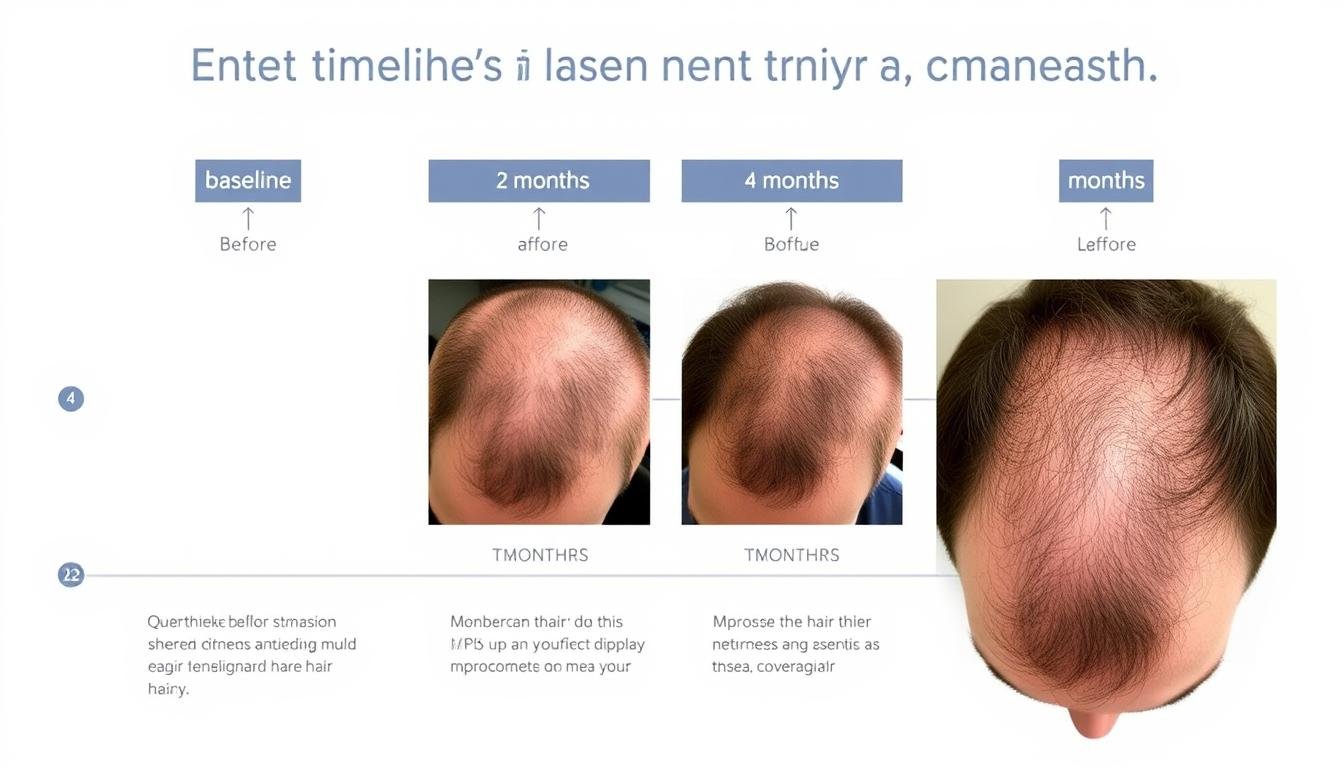
Typical progression of results with LLLT Laser therapy over 6 months
Understanding what results to expect—and when to expect them—is crucial for anyone considering LLLT Laser therapy for hair loss. While individual responses vary, clinical studies and user experiences provide a general timeline and pattern of results.
Timeline for LLLT Laser Results
Hair growth is a gradual process, and results from LLLT Laser therapy follow a typical progression:
Weeks 1-4
Initial Changes: You may notice reduced shedding and improved scalp health. These early signs indicate the therapy is beginning to work, though visible hair growth is not yet apparent.
What’s Happening: Increased blood flow to follicles and cellular stimulation are setting the stage for growth.
Weeks 5-12
Early Growth: Fine, short hairs may begin to appear in previously thinning areas. Existing hair may appear healthier and stronger.
What’s Happening: Dormant follicles are reactivating and entering the anagen (growth) phase.
Weeks 13-26
Noticeable Improvement: More substantial growth becomes visible, with increased density and coverage in treated areas.
What’s Happening: New hairs are maturing and thickening, while more follicles continue to be stimulated.
Factors Affecting LLLT Laser Results
Several factors influence the effectiveness of LLLT Laser therapy and the magnitude of results you might experience:
- Type and stage of hair loss: Early to moderate androgenetic alopecia typically responds best. Advanced hair loss with significant follicle miniaturization may show more modest results.
- Age: Younger patients often respond more favorably than older patients.
- Consistency of use: Adhering to the recommended treatment protocol is crucial for optimal results.
- Device quality: Higher-quality devices with appropriate wavelengths and power densities tend to produce better outcomes.
- Complementary treatments: Using LLLT in conjunction with other therapies may enhance results.
- Underlying health factors: Hormonal imbalances, nutritional deficiencies, or other health issues may impact results.
Maintaining Results with LLLT Laser Therapy
Hair loss is typically a progressive condition, especially androgenetic alopecia. To maintain the improvements achieved with LLLT Laser therapy:
Ongoing Maintenance
After achieving desired results (typically after 4-6 months), continue with maintenance treatments 2-3 times per week. This helps sustain the benefits and prevents regression.
Long-Term Commitment
LLLT Laser therapy is not a cure for pattern hair loss but rather an ongoing management strategy. Long-term use is necessary to maintain results, similar to other hair loss treatments.
“Patients should understand that LLLT Laser therapy requires commitment to a regular treatment schedule. The results are progressive and cumulative—consistency is the key to success.”

Microscopic view showing increased hair density after LLLT Laser treatment
Frequently Asked Questions About LLLT Laser Therapy
Professional consultation about LLLT Laser therapy options
Is LLLT Laser therapy safe for all hair types and colors?
LLLT Laser therapy is generally safe for all hair types and colors. Unlike some laser treatments that target pigment, LLLT works by stimulating cellular activity in the hair follicle regardless of melanin content. This makes it equally effective for light, dark, straight, curly, fine, or coarse hair. However, the visibility of results may vary depending on hair color and contrast with the scalp.
How does LLLT Laser therapy compare to hair transplants?
LLLT Laser therapy and hair transplants serve different purposes and can be complementary. Hair transplants physically relocate hair follicles from donor areas to balding regions, providing immediate coverage that’s permanent. LLLT, on the other hand, stimulates existing follicles to improve their function and output. Many surgeons recommend LLLT before and after transplantation to optimize results—before surgery to strengthen existing hair, and after to promote healing and enhance graft survival.
Can LLLT Laser therapy cause hair growth in unwanted areas?
No, LLLT Laser therapy only affects the areas directly exposed to the light. The treatment is targeted to the scalp and will not cause hair growth in other body areas. Additionally, LLLT works primarily by enhancing the function of existing follicles rather than creating new ones, so it won’t cause hair to grow in areas where follicles are not already present.
Are there any side effects associated with LLLT Laser therapy?
LLLT Laser therapy is considered very safe with minimal side effects. In rare cases, some users may experience temporary scalp irritation, itching, or redness that typically resolves quickly. Some users report an initial increase in shedding (known as “shedding phase”) during the first few weeks of treatment, which is actually a positive sign that the hair growth cycle is being reset. Serious side effects are extremely rare with properly FDA-cleared devices used according to instructions.
How long do I need to continue LLLT Laser treatments?
For optimal results, LLLT Laser therapy should be viewed as a long-term commitment. The initial intensive phase typically lasts 4-6 months with treatments 3-7 times per week. After achieving desired results, maintenance treatments 2-3 times weekly are recommended indefinitely. If treatments are discontinued, the hair will gradually return to its pre-treatment state over several months as the natural progression of hair loss resumes.
Can LLLT Laser therapy help with all types of hair loss?
LLLT Laser therapy is FDA-cleared specifically for androgenetic alopecia (male and female pattern hair loss). It shows the best results for this type of hair loss, particularly in its early to moderate stages. While some users report benefits for other types of hair loss such as telogen effluvium or alopecia areata, the clinical evidence is strongest for androgenetic alopecia. LLLT is less likely to be effective for scarring alopecias or complete baldness where hair follicles are no longer viable.
Will LLLT Laser therapy work if I’m completely bald?
LLLT Laser therapy works by stimulating existing hair follicles that are dormant or underperforming. In areas of complete baldness where follicles have been lost or permanently damaged, LLLT is unlikely to stimulate new hair growth. The therapy is most effective in areas with thinning hair or recently inactive follicles. For best results, LLLT should be started at the earliest signs of hair thinning rather than waiting until advanced baldness has occurred.
Can I use hair products while undergoing LLLT Laser treatment?
Yes, you can continue to use most hair products while undergoing LLLT Laser therapy. However, it’s recommended to apply the treatment to clean, dry hair to ensure maximum light penetration to the scalp. Heavy styling products, especially those containing wax or oils, should be washed out before treatment as they may create a barrier that reduces the effectiveness of the light therapy. After treatment, you can style your hair as usual.
Conclusion: Is LLLT Laser Therapy Right for You?

Visible improvement in hair density after a complete course of LLLT Laser therapy
LLLT Laser therapy represents a significant advancement in non-invasive hair loss treatment, offering a scientifically-backed option for those seeking to address thinning hair without drugs or surgery. With its strong safety profile, convenience of at-home use, and growing body of clinical evidence, LLLT has earned its place among mainstream hair restoration approaches.
The therapy is particularly well-suited for individuals with early to moderate androgenetic alopecia who are looking for a drug-free treatment option or a complementary therapy to enhance other treatments. Its ability to improve hair count, thickness, and strength while being suitable for both men and women makes it a versatile addition to any hair loss management plan.
As with any hair loss treatment, results vary between individuals, and patience is essential—visible improvements typically take several months of consistent use. For those willing to commit to the recommended treatment protocol, LLLT Laser therapy offers a promising path to healthier, fuller-looking hair.
Whether used as a standalone treatment or as part of a comprehensive approach to hair restoration, LLLT provides a valuable option that addresses hair loss at the cellular level, helping to revitalize follicles and improve overall hair quality.
Ready to Take the Next Step in Your Hair Restoration Journey?
Our specialists are ready to help you determine if LLLT Laser therapy is the right solution for your hair loss concerns. Contact us today for personalized advice and treatment recommendations.
