Low-level light therapy (LLLT) has emerged as a revolutionary approach to treating various conditions, from hair loss to skin rejuvenation and pain management. At the heart of this technology lies a critical choice: LED or laser diodes. Understanding the differences between these technologies in LLLT Devices is essential for both practitioners and consumers seeking optimal results. This comprehensive guide explores the science, effectiveness, and practical applications of both technologies to help you make informed decisions about which type of device best suits your specific needs.
Understanding LLLT Devices: The Science Behind Light Therapy

Modern LLLT Devices utilize specific wavelengths of light to stimulate cellular function
Low-level light therapy (LLLT), also known as photobiomodulation, uses specific wavelengths of light to stimulate cellular function. Unlike high-powered lasers used for cutting or ablation, LLLT Devices operate at lower power densities that don’t generate heat or damage tissues. Instead, they work through photochemical effects, similar to how plants use light for photosynthesis.
The primary mechanism of action involves light absorption by cellular chromophores, particularly cytochrome c oxidase in the mitochondria. This absorption triggers increased ATP production, modulates reactive oxygen species, and activates transcription factors that influence cellular proliferation and survival. For conditions like hair loss, this translates to extended growth phases of hair follicles and increased blood flow to the scalp.
Key Components of Effective LLLT Devices
- Appropriate wavelength (typically 630-850nm for most applications)
- Optimal power density (intensity of light delivered)
- Adequate treatment duration and frequency
- Proper device design for the target condition
- Quality of light-emitting components (LED or laser diodes)
The therapeutic effects of LLLT Devices have been documented across numerous clinical applications, with varying levels of evidence supporting each use case. The most robust research supports applications in hair regrowth, wound healing, pain management, and inflammation reduction.
LED Technology in LLLT Devices: Characteristics and Applications

LED arrays in LLLT Devices provide broad coverage with multiple diodes
Light Emitting Diodes (LEDs) represent one of the most common light sources in modern LLLT Devices. These semiconductor light sources emit energy when electrons recombine with electron holes, releasing energy in the form of photons. This process, called electroluminescence, produces light at specific wavelengths determined by the materials used in the LED construction.
Advantages of LED-Based LLLT Devices
Advantages
- Cost-effective manufacturing and lower device prices
- Energy efficient with longer operational lifespan
- Broader coverage area due to wider beam angle
- Lower risk of adverse effects and eye damage
- Minimal heat generation during operation
- Suitable for home use with minimal safety concerns
Limitations
- Less coherent light with more scatter and dispersion
- Typically lower power density than laser diodes
- Reduced penetration depth into tissues
- May require longer treatment sessions
- Less precise targeting of specific tissues
- Variable effectiveness for deeper tissue applications
LED-based LLLT Devices typically contain arrays of multiple diodes to provide coverage over larger treatment areas. They’re particularly well-suited for applications requiring broader light distribution, such as facial rejuvenation, surface wound healing, and general skin conditions. For hair growth applications, LED devices often require longer or more frequent treatment sessions compared to their laser counterparts.
MAIKONG LED LLLT Devices
MAIKONG offers premium LED-based solutions including LLLT masks, beds, and helmets that deliver consistent, therapeutic light at optimal wavelengths. Our devices feature medical-grade LEDs with exceptional durability and performance.
Explore LED Products
Laser Technology in LLLT Devices: Precision and Power
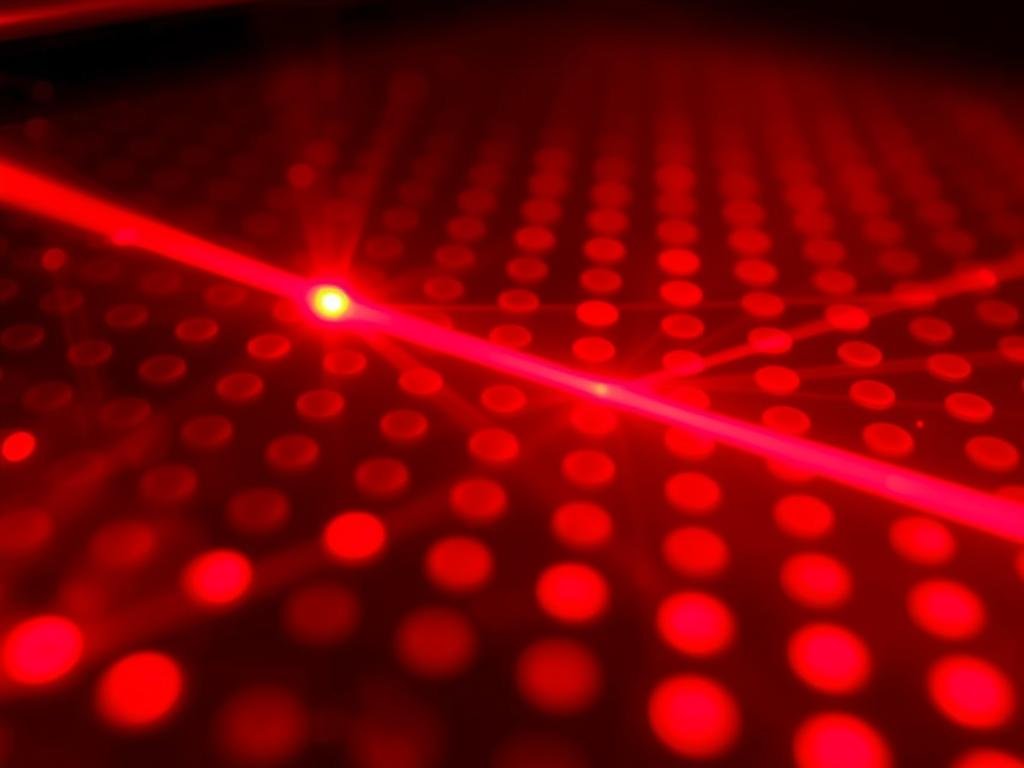
Laser diodes in LLLT Devices deliver focused, coherent light for deeper penetration
Laser (Light Amplification by Stimulated Emission of Radiation) diodes represent the gold standard in many professional LLLT Devices. Unlike LEDs, lasers produce coherent light, meaning the light waves travel in phase with one another both spatially and temporally. This coherence allows for more focused energy delivery and potentially deeper tissue penetration.
Characteristics of Laser-Based LLLT Devices
Advantages
- Coherent light with minimal scatter and dispersion
- Greater penetration depth into tissues
- Higher power density at target tissues
- More precise targeting of specific areas
- Potentially shorter treatment sessions
- Strong clinical research support for efficacy
Limitations
- Higher manufacturing costs and device prices
- Increased potential for eye damage if misused
- More heat generation requiring better cooling systems
- Narrower coverage area requiring more diodes
- Higher power consumption
- Stricter safety precautions needed
Laser diodes in LLLT Devices typically operate at specific wavelengths, with 650nm being particularly common for hair growth applications. The coherent nature of laser light allows for more targeted energy delivery to hair follicles and deeper dermal tissues, potentially resulting in more efficient stimulation of cellular processes.
MAIKONG Laser LLLT Devices
MAIKONG’s laser therapy devices feature medical-grade laser diodes that deliver precise, coherent light at the optimal 650nm wavelength. Our laser caps, combs, and helmets are engineered for maximum efficacy with comfortable, user-friendly designs.
Explore Laser Products
Technical Comparison: LED vs Laser in LLLT Devices
| Parameter |
LED Technology |
Laser Technology |
| Light Coherence |
Non-coherent, multidirectional |
Coherent, unidirectional |
| Wavelength Range |
Broader spectrum (±15nm) |
Precise (±3nm) |
| Penetration Depth |
2-3mm typical |
5-10mm typical |
| Power Density |
5-50mW/cm² |
50-500mW/cm² |
| Beam Divergence |
High (15-120°) |
Low (3-15°) |
| Treatment Time |
Typically 15-30 minutes |
Typically 5-15 minutes |
| Device Cost |
$100-$500 typical |
$500-$3000 typical |
| Energy Efficiency |
Higher |
Lower |
| Heat Generation |
Minimal |
Moderate |
| Safety Considerations |
Lower risk |
Higher risk (eye protection) |
Wavelength Significance in LLLT Devices
The wavelength of light used in LLLT Devices significantly impacts therapeutic outcomes. Different wavelengths penetrate tissues to varying depths and interact with different cellular components:
Red Light (630-660nm)
- Optimal for surface treatments
- Effectively absorbed by cytochrome c oxidase
- Stimulates fibroblast activity
- Promotes collagen production
- Ideal for hair follicle stimulation
Near-Infrared (810-850nm)
- Deeper tissue penetration
- Reaches muscle and bone
- Reduces inflammation
- Promotes tissue repair
- Effective for pain management
MAIKONG’s LLLT Devices are engineered to deliver optimal wavelengths for specific applications, with our hair growth devices primarily utilizing the 650nm wavelength that has shown superior results in clinical studies.
Clinical Effectiveness of LED vs Laser LLLT Devices

Clinical results from LLLT Devices showing hair regrowth after 6 months of treatment
The clinical effectiveness of LLLT Devices varies based on the technology used, the specific condition being treated, and the treatment parameters. Research has shown that both LED and laser-based devices can be effective, though their optimal applications may differ.
Comparative Effectiveness for Common Applications
| Application |
LED Effectiveness |
Laser Effectiveness |
Research Consensus |
| Hair Growth |
Moderate |
High |
Lasers generally show superior results for androgenetic alopecia |
| Skin Rejuvenation |
High |
Moderate |
LEDs excel for general skin improvement and collagen production |
| Wound Healing |
High |
High |
Both technologies show significant benefits |
| Pain Management |
Moderate |
High |
Lasers preferred for deeper tissue penetration |
| Inflammation |
Moderate to High |
High |
Both effective, lasers better for deeper inflammation |
Research Highlights for LLLT Devices in Hair Growth
“In a meta-analysis of randomized controlled trials, LLLT showed a significant increase in hair density and overall hair regrowth compared to sham devices, with laser-based devices showing marginally better outcomes than LED-only devices.”
Journal of Dermatological Science, 2018
For hair growth specifically, studies suggest that laser-based LLLT Devices may offer superior results due to their deeper penetration and more focused energy delivery to hair follicles. However, high-quality LED devices with optimal wavelengths and sufficient power density can also achieve significant improvements, particularly for earlier stages of hair thinning.
Safety Profiles of LED and Laser LLLT Devices
Important Safety Note: All LLLT Devices should be used according to manufacturer instructions. While generally safe, improper use can lead to adverse effects. Always consult with a healthcare provider before beginning any new treatment regimen.
The safety profile of LLLT Devices is generally excellent when used as directed, with minimal side effects reported in clinical studies. However, there are important differences between LED and laser technologies that impact their safety considerations.
Safety Comparison for LLLT Devices
LED Safety Profile
- Very low risk of eye damage
- Minimal heat generation
- Lower risk of skin irritation
- Generally safe for home use without special precautions
- Suitable for sensitive skin types
- Lower risk of overtreatment
Laser Safety Profile
- Higher potential for eye damage (protective eyewear recommended)
- More heat generation (cooling systems often incorporated)
- Slightly higher risk of skin irritation
- May require more careful application
- Higher power requires more cautious use
- Professional supervision recommended for higher-powered devices
MAIKONG prioritizes safety in all our LLLT Devices, incorporating features like automatic shutoff timers, temperature monitoring, and proper shielding to prevent accidental eye exposure. Our devices are designed to deliver optimal therapeutic benefits while minimizing any potential risks.
MAIKONG Safety Standards: All MAIKONG LLLT Devices undergo rigorous safety testing and comply with international standards for light therapy devices. Our products include comprehensive safety instructions and are designed with multiple protective features to ensure safe operation.
Cost Analysis and Treatment Efficiency of LLLT Devices
When evaluating LLLT Devices, cost considerations extend beyond the initial purchase price to include long-term value, treatment efficiency, and expected outcomes. Understanding the total cost of ownership helps make informed decisions about which technology best suits your needs and budget.
Cost Factors for LED and Laser LLLT Devices
| Cost Factor |
LED Devices |
Laser Devices |
| Initial Purchase Price |
Lower ($100-$500) |
Higher ($500-$3000) |
| Operational Lifespan |
50,000+ hours |
20,000-30,000 hours |
| Power Consumption |
Lower |
Higher |
| Maintenance Requirements |
Minimal |
Moderate |
| Treatment Time |
Longer (15-30 min) |
Shorter (5-15 min) |
| Treatment Frequency |
More frequent |
Less frequent |
| Time to Results |
Typically longer |
Typically shorter |
MAIKONG offers exceptional value across our range of LLLT Devices, with competitive pricing that makes advanced light therapy technology accessible to more users. Our devices are engineered for durability and efficiency, with optimized treatment protocols that maximize results while minimizing time investment.
MAIKONG Value Proposition
MAIKONG delivers premium quality LLLT Devices at competitive prices, offering exceptional value for both professional and home users. Our devices combine the latest technology with user-friendly designs and robust construction for years of reliable service.
View Pricing
Choosing the Right LLLT Devices for Your Needs

MAIKONG offers a comprehensive range of LLLT Devices for various applications
Selecting the optimal LLLT Devices depends on your specific needs, budget, and treatment goals. Both LED and laser technologies have their place, with the best choice depending on your particular circumstances.
Application-Specific Recommendations for LLLT Devices
Hair Growth
Best Technology: Laser or Hybrid
Recommended Devices: Laser caps, helmets, or combs
Why: Hair follicles benefit from the deeper penetration and focused energy of laser diodes, particularly for androgenetic alopecia.
MAIKONG Option: LLLT Laser Cap with 82 diodes
Skin Rejuvenation
Best Technology: LED or Hybrid
Recommended Devices: LED masks, panels, or wands
Why: Broader coverage and gentler application of LED technology works well for surface skin treatments.
MAIKONG Option: LLLT Facial Mask with combined wavelengths
Pain Management
Best Technology: Laser or Hybrid
Recommended Devices: Targeted wands or pads
Why: Deeper penetration reaches muscles and joints more effectively.
MAIKONG Option: LLLT Therapy Bed with full-body coverage
MAIKONG Product Portfolio

LLLT Laser Cap

LLLT Helmet
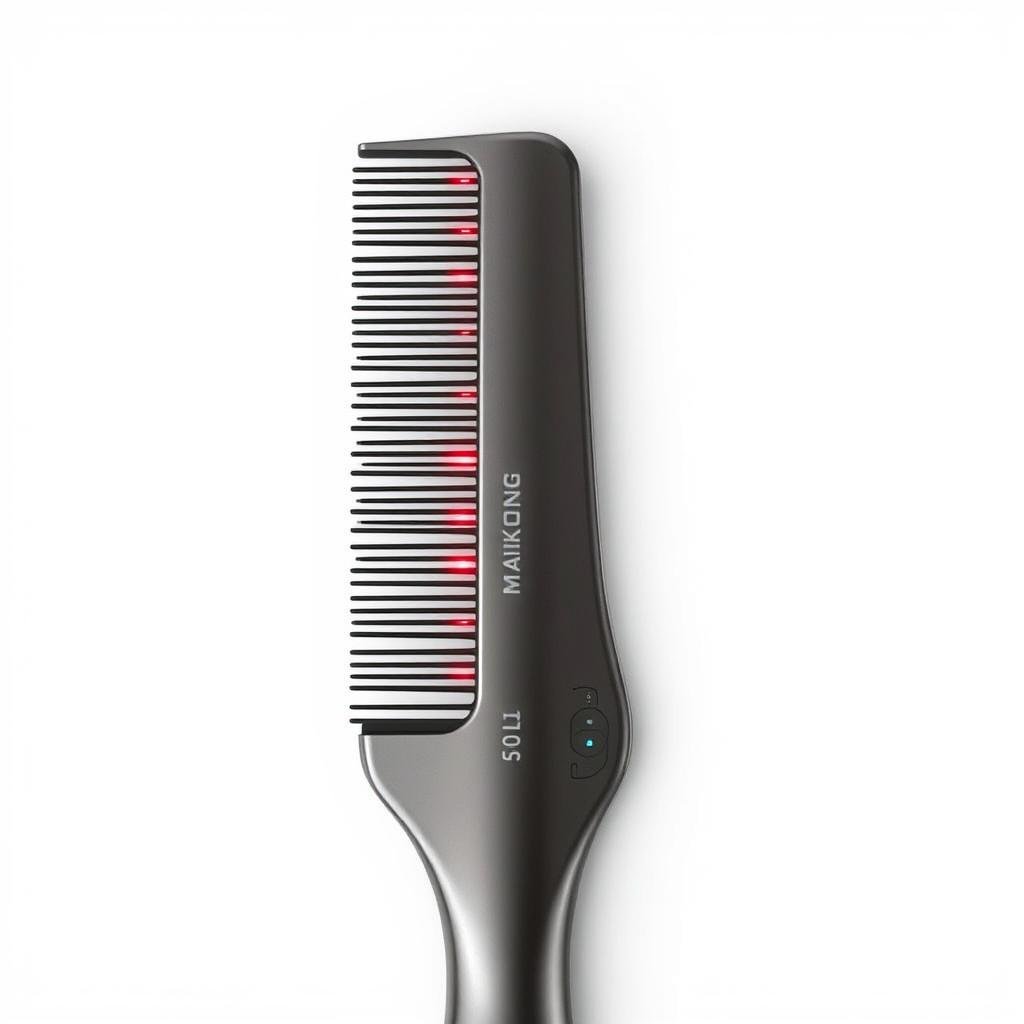
LLLT Comb
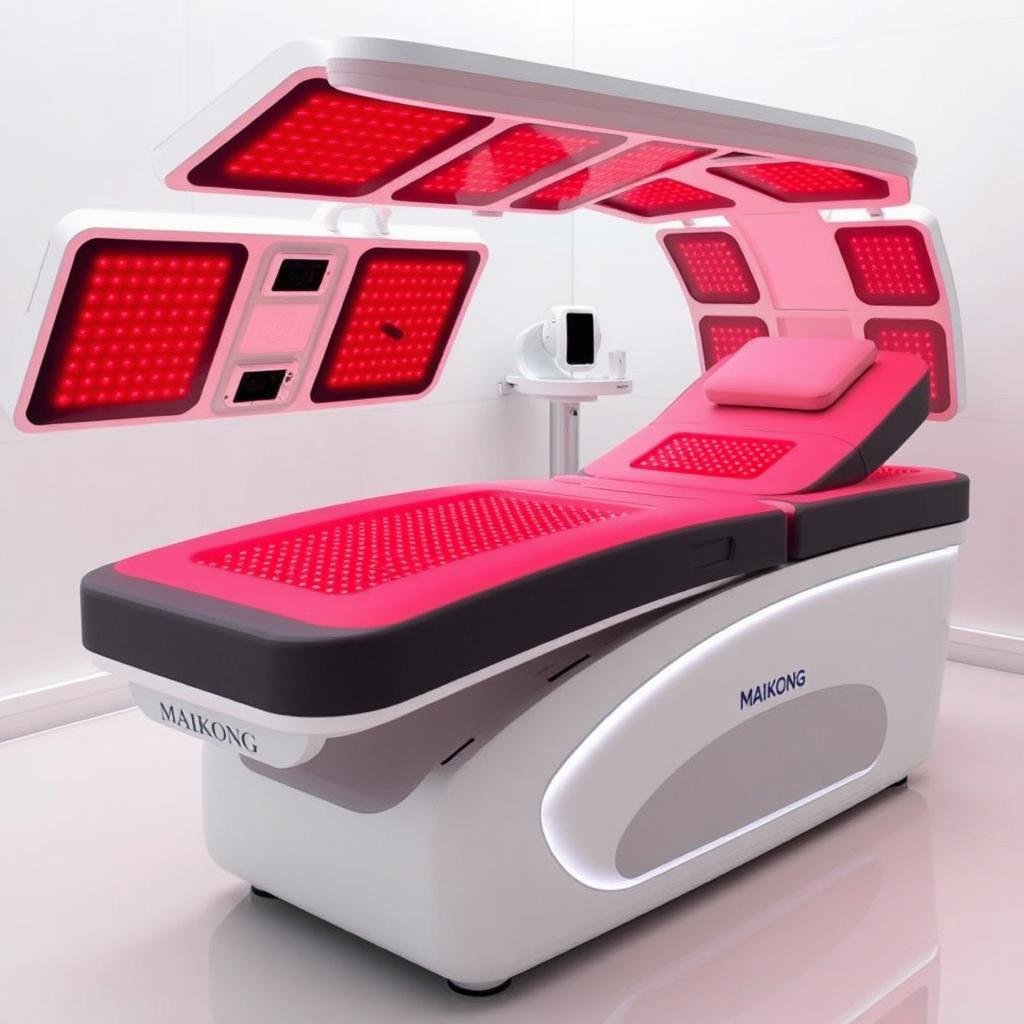
LLLT Bed

LLLT Clothing

LLLT Mask
MAIKONG’s comprehensive range of LLLT Devices includes both LED and laser options, as well as hybrid devices that combine both technologies for optimal results across different applications. Our product development is guided by the latest research and clinical evidence to ensure maximum effectiveness.
Future Developments in LLLT Devices Technology
The field of low-level light therapy continues to evolve rapidly, with ongoing research and technological innovations driving new developments in LLLT Devices. Several emerging trends are shaping the future of this technology:
- Combination Wavelength Therapy: Devices that simultaneously deliver multiple therapeutic wavelengths for synergistic effects
- Pulsed Light Protocols: Research suggests pulsed light delivery may enhance cellular responses compared to continuous wave
- Smart, Connected Devices: Integration with apps for treatment tracking, personalization, and compliance monitoring
- Miniaturization: More compact, portable devices for convenient use anywhere
- Hybrid Technologies: Devices combining both LED and laser diodes to leverage the benefits of each
- Personalized Treatment Protocols: AI-driven customization based on individual response patterns
MAIKONG remains at the forefront of LLLT Devices innovation, with ongoing research and development efforts focused on incorporating these emerging technologies into our product lineup. Our commitment to advancing light therapy technology ensures that our customers always have access to the most effective solutions available.
Conclusion: Making the Right Choice in LLLT Devices
When choosing between LED and laser technologies in LLLT Devices, there is no one-size-fits-all answer. Both technologies offer significant therapeutic benefits, with their optimal applications depending on specific treatment goals, budget considerations, and practical factors like treatment time availability.
For conditions requiring deeper tissue penetration, such as advanced hair loss or deep muscle pain, laser-based devices typically offer superior results due to their focused energy delivery and greater penetration depth. For surface treatments like skin rejuvenation or mild to moderate hair thinning, high-quality LED devices can provide excellent outcomes, often at a lower price point and with fewer safety concerns.
MAIKONG offers premium quality LLLT Devices across both technology categories, with options ranging from professional-grade laser systems to affordable home-use LED devices. Our comprehensive product line ensures that there’s an optimal solution for every need and budget, all backed by our commitment to quality, innovation, and customer satisfaction.
Become a MAIKONG Distributor
MAIKONG is actively seeking distribution partners across the United States for our premium line of LLLT Devices. Join us in bringing cutting-edge light therapy technology to more customers with our high-quality, cost-effective solutions.
Which is better for hair growth, LED or laser LLLT Devices?
For hair growth, laser-based LLLT Devices generally show superior results in clinical studies due to their deeper penetration and more focused energy delivery to hair follicles. However, high-quality LED devices with optimal wavelengths (around 650nm) and sufficient power density can also achieve significant improvements, particularly for earlier stages of hair thinning. MAIKONG offers both technologies, with our laser caps and helmets being particularly effective for hair growth applications.
How long does it take to see results with LLLT Devices?
Results timeline varies by condition and individual response, but typically:
- Hair Growth: Initial reduced shedding at 4-6 weeks, visible improvements at 12-16 weeks
- Skin Rejuvenation: Noticeable improvements in 4-6 weeks
- Pain Management: Some relief in 1-2 weeks, significant improvement in 4-6 weeks
Consistency is key—following the recommended treatment protocol is essential for optimal results.
Are MAIKONG LLLT Devices suitable for professional use?
Yes, MAIKONG offers professional-grade LLLT Devices suitable for clinical settings, as well as consumer devices for home use. Our professional line includes higher-powered options with advanced features for clinics, spas, and medical practices. We also offer comprehensive training and support for professional users. Contact us for information about our professional product line and distributor opportunities.
