Low-Level Laser Therapy (LLLT) has revolutionized treatment options for various conditions, from hair loss to chronic pain management. As the technology advances, consumers now face a critical choice between rechargeable and plug-in LLLT laser devices. This comprehensive guide examines the key differences, benefits, and considerations for each type, helping you make an informed decision based on your specific needs, lifestyle, and treatment goals.Whether you’re a healthcare professional seeking the best equipment for your practice or an individual looking for effective at-home treatment options, understanding the nuances between these two power delivery systems is essential for maximizing therapeutic outcomes while ensuring convenience and value.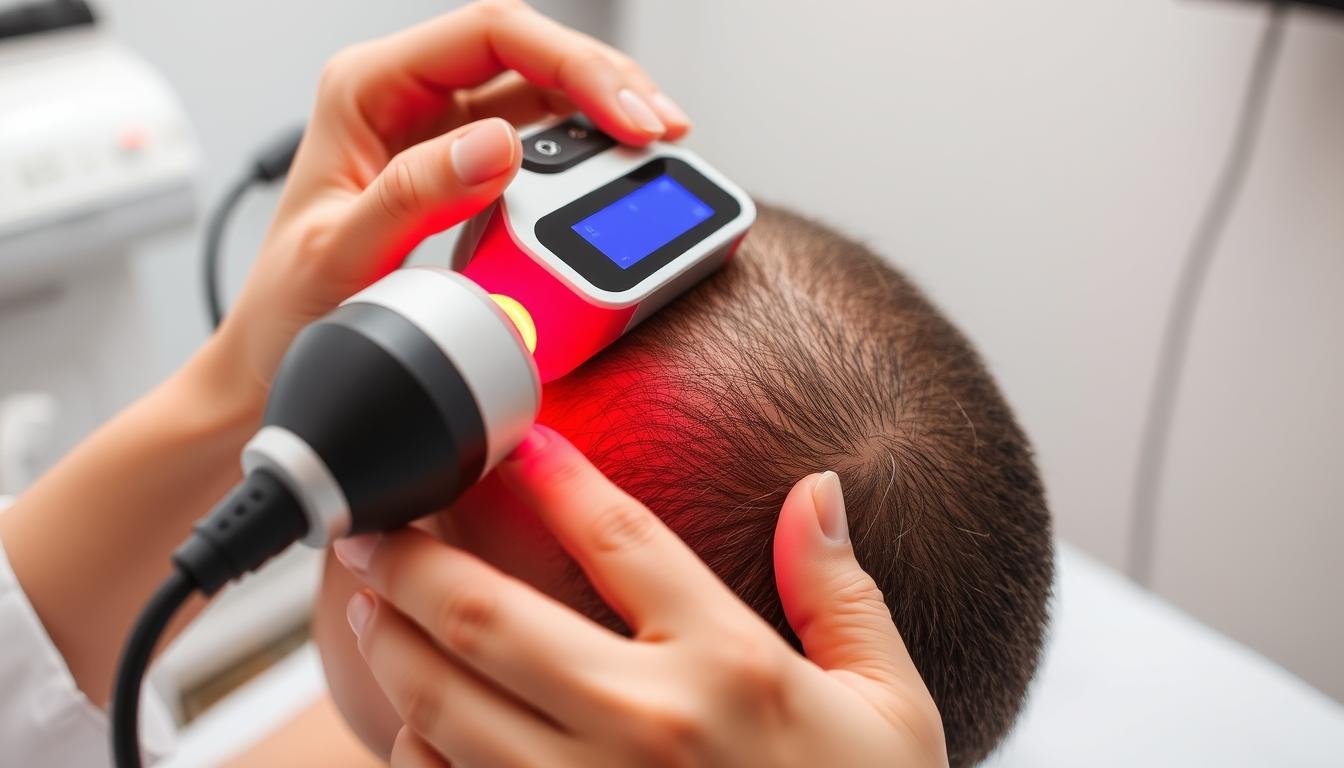
Understanding LLLT Laser Devices Technology
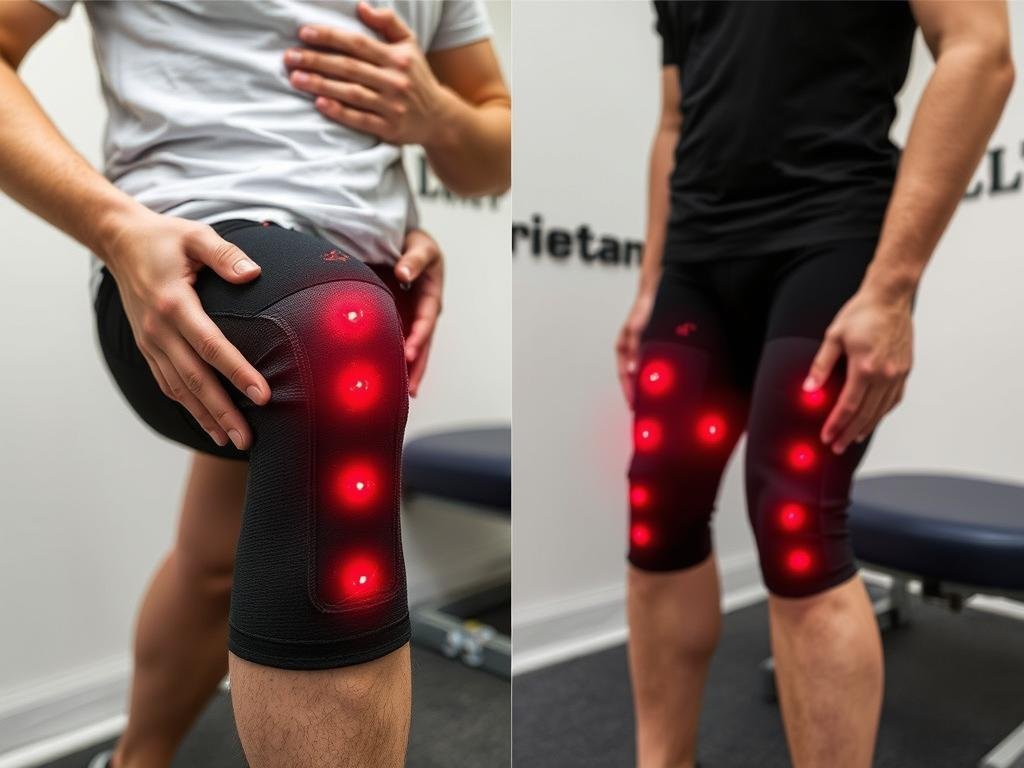
Modern LLLT therapy in action with visible red laser light
Low-Level Laser (Light) Therapy, commonly known as LLLT, utilizes specific wavelengths of light to stimulate cellular function. Unlike high-powered surgical lasers that cut or burn tissue, LLLT laser devices operate at lower power levels (typically 5mW-500mW) and wavelengths between 630-905nm, primarily in the red and near-infrared spectrum.
How LLLT Laser Devices Work
The fundamental mechanism behind LLLT involves photobiomodulation—a process where light energy is absorbed by cellular photoreceptors, particularly cytochrome c oxidase in the mitochondria. This triggers a cascade of cellular responses including:
- Increased ATP production and cellular energy
- Enhanced blood circulation to treated areas
- Reduced inflammation through cytokine modulation
- Stimulation of tissue repair and regeneration
- Activation of stem cells and growth factors
These biological effects make LLLT laser devices effective for treating a wide range of conditions without the side effects commonly associated with pharmaceutical interventions.
Common Applications of LLLT Technology
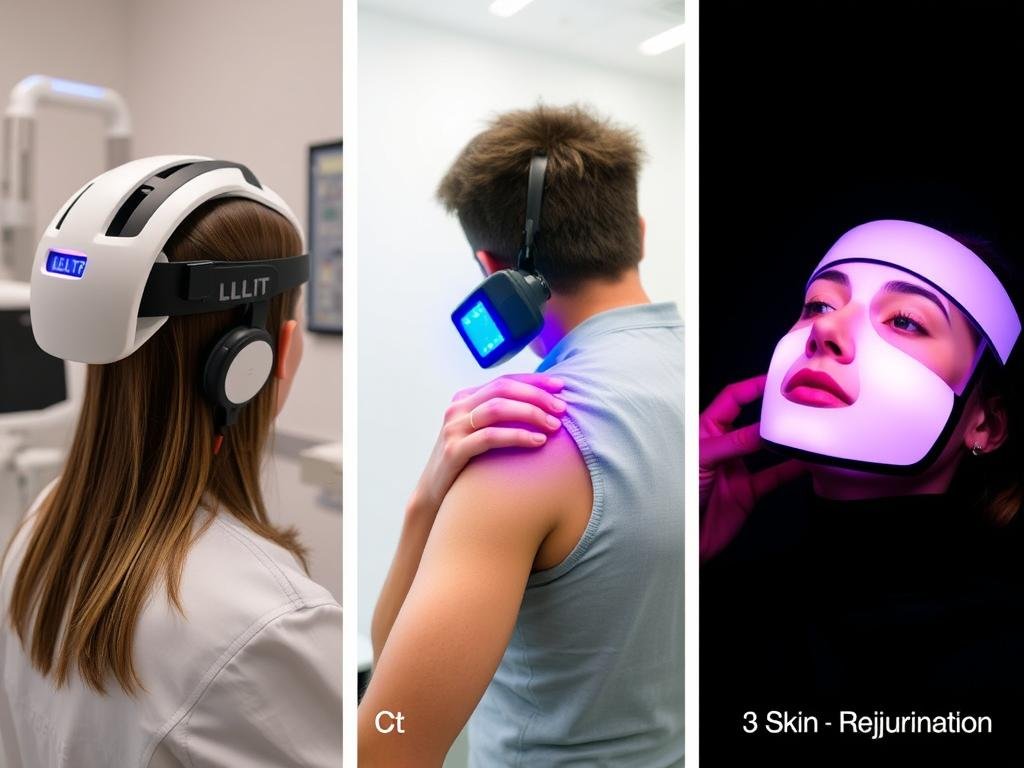
Various therapeutic applications of LLLT technology
Medical Applications
- Pain management for chronic conditions
- Wound healing and tissue repair
- Inflammation reduction in joints and muscles
- Nerve regeneration and neuropathy treatment
- Recovery from sports injuries
Cosmetic Applications
- Hair loss treatment and regrowth stimulation
- Skin rejuvenation and anti-aging
- Acne and scar reduction
- Cellulite treatment
- Post-procedure recovery
The versatility of LLLT laser devices has led to their adoption in both clinical settings and home-use environments, with various device formats designed for specific treatment areas and conditions.
Rechargeable vs Plug-in LLLT Laser Devices: Core Differences
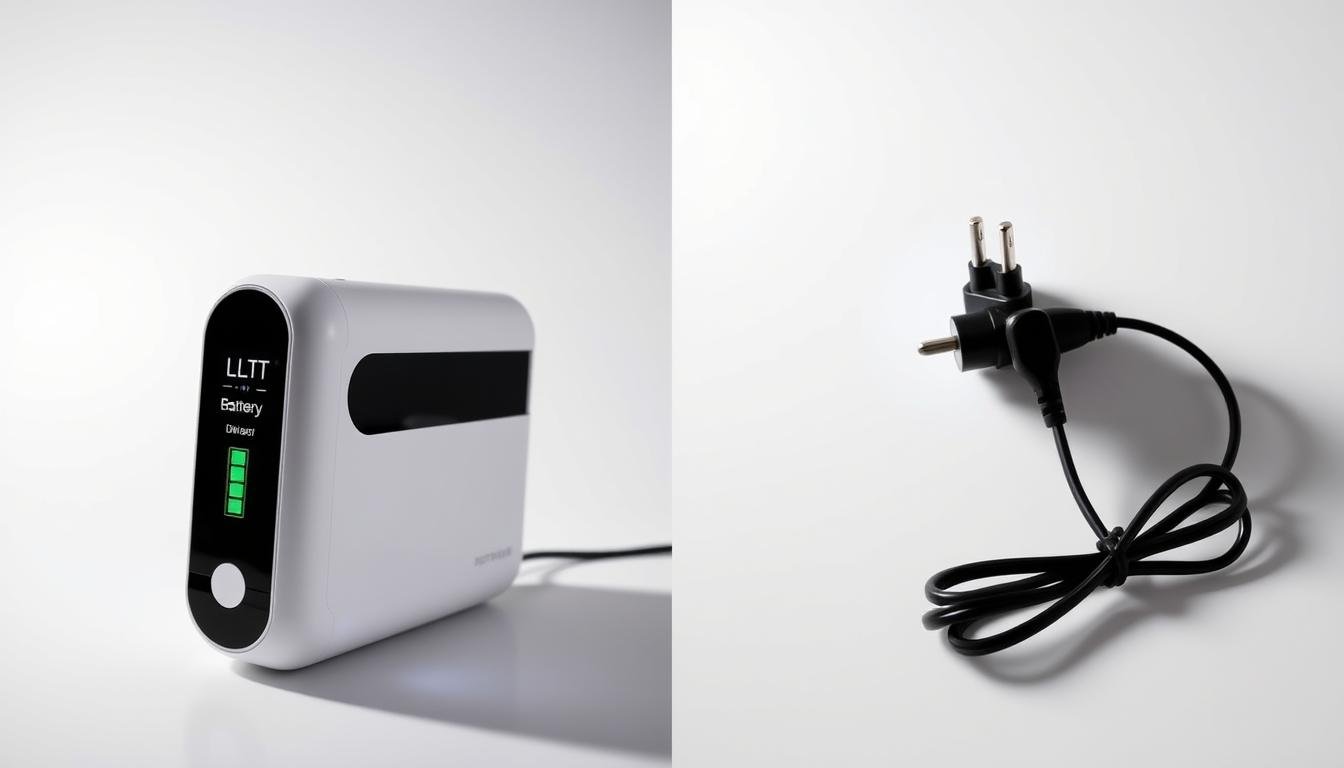
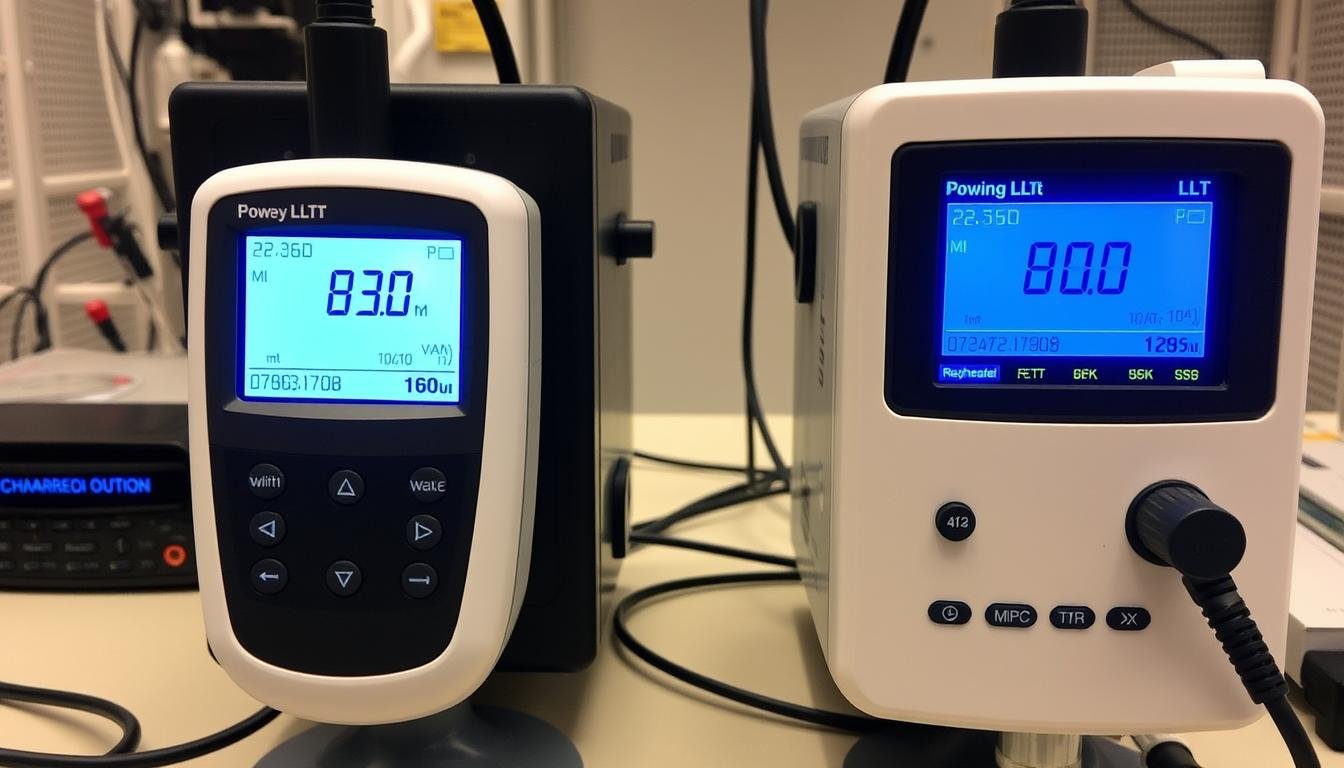
Side-by-side comparison: Rechargeable (left) vs Plug-in (right) LLLT devices
The power source of an LLLT laser device significantly impacts its functionality, convenience, and suitability for different users and treatment scenarios. Understanding these fundamental differences is crucial for making an informed purchase decision.
Rechargeable LLLT Devices
- Portability: Freedom to move during treatment sessions
- Travel-friendly: Easily packed for use anywhere
- No outlet dependency: Can be used in any location
- Cord-free experience: Eliminates tangling or tripping hazards
- Modern design: Generally sleeker, more contemporary aesthetics
Plug-in LLLT Devices
- Consistent power: No performance degradation during treatment
- No charging required: Always ready for use
- Typically more powerful: Higher energy output capabilities
- Longer lifespan: No battery deterioration over time
- Often more cost-effective: Lower initial purchase price
Key Considerations When Choosing Between Power Types
| Factor |
Rechargeable Devices |
Plug-in Devices |
| Mobility During Use |
High – can move freely |
Limited by cord length |
| Treatment Duration |
Limited by battery life |
Unlimited continuous use |
| Power Consistency |
May decrease as battery depletes |
Consistent throughout treatment |
| Maintenance |
Requires regular charging, battery eventually needs replacement |
Minimal maintenance, no charging needed |
| Travel Suitability |
Excellent, especially international travel |
May require adapters, outlet availability |
| Long-term Cost |
Higher due to battery replacement |
Lower long-term maintenance costs |
The ideal power source depends largely on your specific treatment needs, lifestyle, and usage patterns. Many professionals and frequent users opt to have both types available for different scenarios.
Convenience and Usability Factors

The convenience of using a rechargeable LLLT device at home
Beyond technical specifications, the user experience significantly impacts treatment adherence and satisfaction. The power source of an LLLT laser device directly influences several key usability factors.
Mobility and Treatment Position Flexibility
Rechargeable Advantages
- Freedom to move during treatment sessions
- Can be used in any position or location
- No need to be near an electrical outlet
- Ideal for treating hard-to-reach areas
- Perfect for active treatment protocols
Plug-in Limitations
- Movement restricted by cord length
- Requires proximity to electrical outlets
- Cord management can be cumbersome
- Less suitable for treating multiple body areas
- May limit comfortable treatment positions
Travel and Portability Considerations
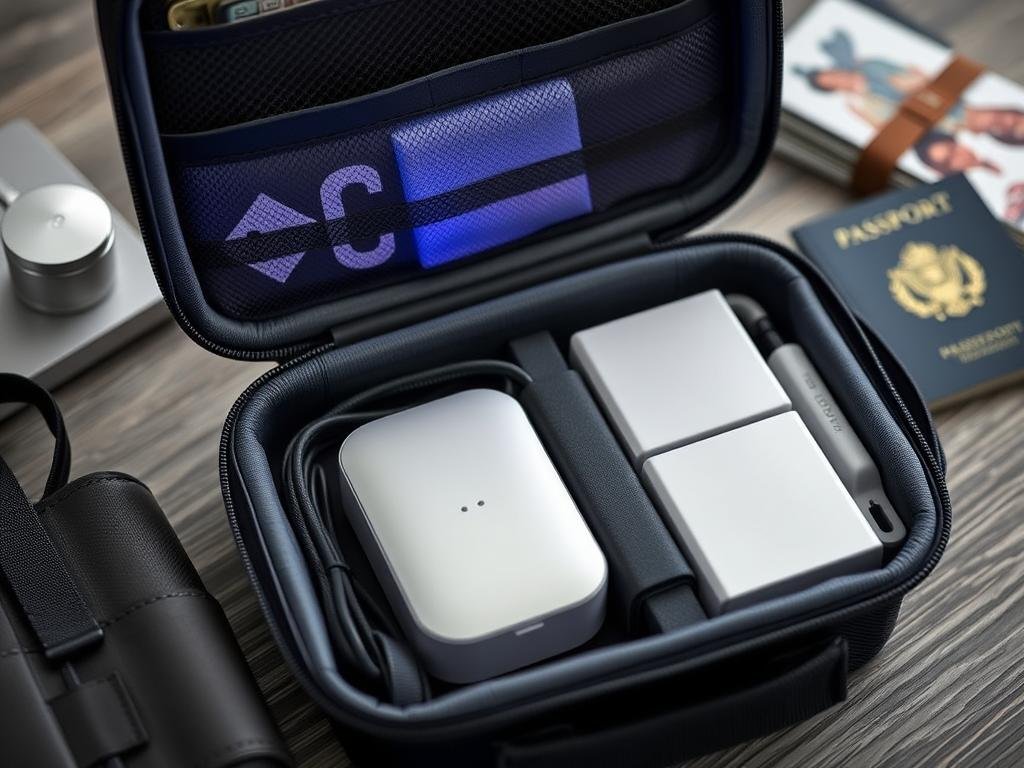
Rechargeable LLLT device with travel case for on-the-go treatments
For users who travel frequently or need to use their device in multiple locations, portability becomes a crucial factor:
| Travel Factor |
Rechargeable Devices |
Plug-in Devices |
| International Travel |
Excellent – only need charger adapter |
May require voltage converters |
| Weight |
Typically lighter overall |
Often heavier with power supply |
| Packing Space |
More compact, fewer components |
Requires space for cords and adapters |
| Use in Transit |
Can be used in cars, planes, etc. |
Limited to locations with outlets |
Treatment Compliance and Convenience
The ease of incorporating LLLT treatments into daily routines directly impacts compliance and results:
Research shows that treatment adherence is one of the strongest predictors of successful outcomes with LLLT therapy. Devices that fit seamlessly into users’ lifestyles show significantly higher compliance rates and, consequently, better results.
MAIKONG designs both their rechargeable and plug-in LLLT laser devices with user convenience in mind, incorporating features like automatic timers, ergonomic designs, and intuitive controls to maximize treatment compliance regardless of power source preference.
Cost Analysis: Initial Investment vs. Long-term Value

Total cost of ownership comparison over 5 years
When evaluating the financial aspects of LLLT laser devices, it’s important to consider both the initial purchase price and the long-term costs associated with each power type.
Initial Purchase Price Comparison
Generally, the initial cost structure differs between the two types:
Rechargeable Devices
- Typically 10-30% higher initial purchase price
- Premium for battery technology and charging systems
- Higher-end models often include multiple batteries
- Usually include charging dock or station
Plug-in Devices
- Lower initial purchase price
- Simpler power supply technology
- May require purchasing extension cords
- Some models offer upgraded power supplies
Long-term Ownership Costs
The total cost of ownership extends beyond the purchase price:
| Cost Factor |
Rechargeable Devices |
Plug-in Devices |
| Battery Replacement |
$50-200 every 2-3 years |
Not applicable |
| Electricity Usage |
Lower (charging only) |
Slightly higher (continuous use) |
| Accessories |
Extra batteries, charging stations |
Extension cords, adapters |
| Lifespan |
Often shorter due to battery limitations |
Typically longer overall lifespan |
| Resale Value |
Lower after battery cycles |
Better value retention |
Value Proposition and Return on Investment
When considering the cost-effectiveness of LLLT laser devices, it’s important to evaluate the return on investment in terms of treatment outcomes:
Cost-Effectiveness Tip: For occasional users or those with limited treatment needs, rechargeable devices often provide better value despite higher initial costs. For daily users or clinical settings, plug-in devices typically offer better long-term economics despite potential convenience trade-offs.
MAIKONG offers competitive pricing on both rechargeable and plug-in LLLT laser devices, with options to fit various budgets while maintaining professional-grade quality and effectiveness. Their transparent pricing model includes clear information about replacement parts and maintenance costs, helping customers make informed decisions about total ownership costs.
MAIKONG LLLT Laser Devices: Premium Quality at Competitive Prices
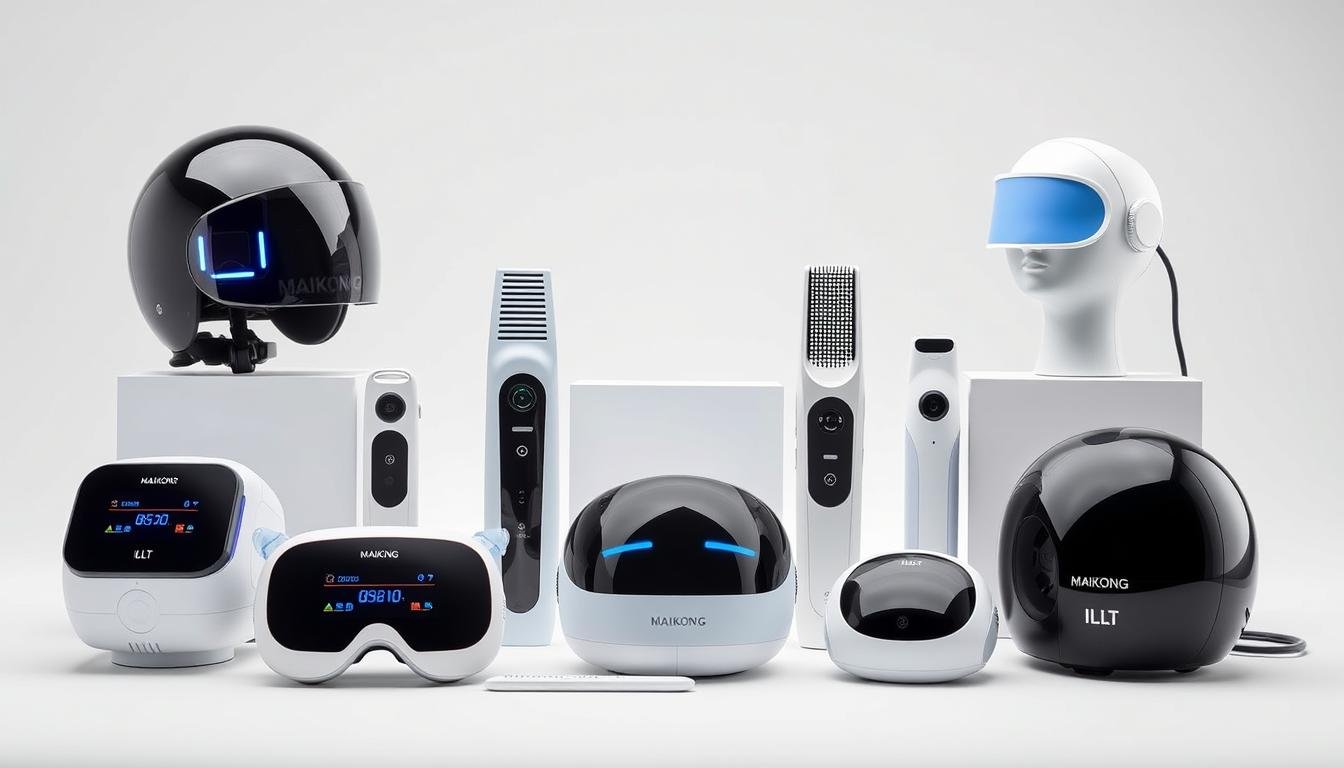
MAIKONG’s comprehensive range of professional LLLT devices
As a leading manufacturer of LLLT laser devices, MAIKONG offers a comprehensive range of both rechargeable and plug-in options designed to meet diverse therapeutic needs while providing exceptional value.
Featured Rechargeable LLLT Solutions
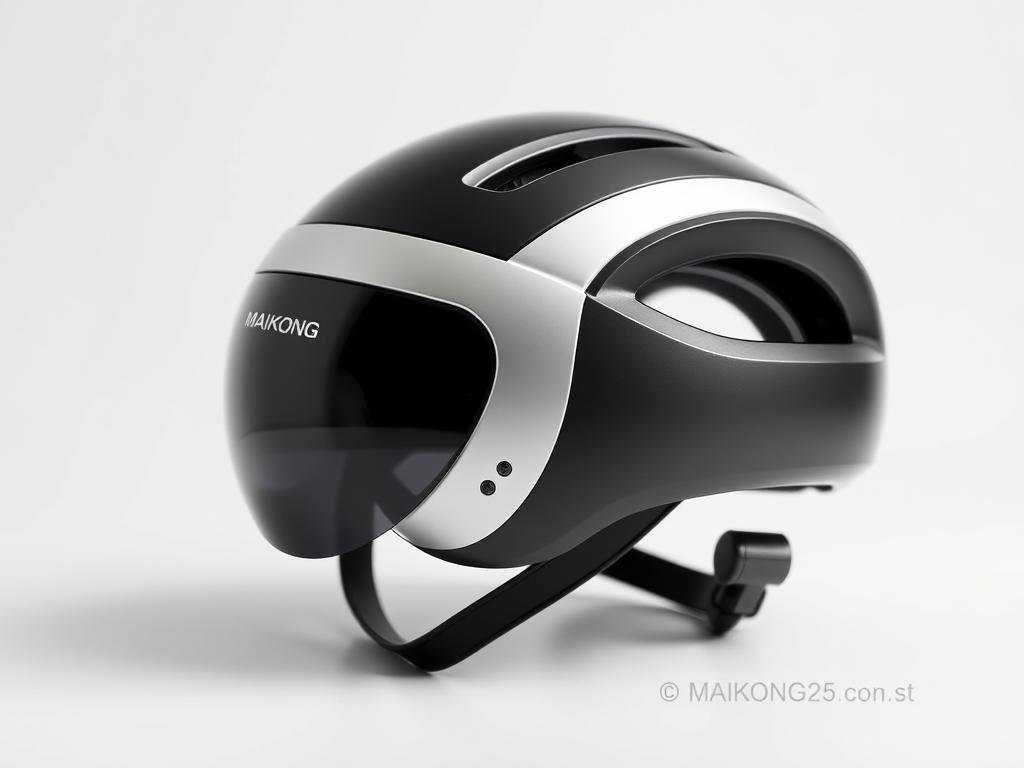
MAIKONG Rechargeable LLLT Helmet
Advanced 650nm wavelength technology with 80 medical-grade laser diodes for optimal scalp coverage. Features 30-minute battery life, ergonomic design, and customizable treatment programs.
- Full scalp coverage for comprehensive treatment
- Lightweight design (450g) for comfortable sessions
- Smart auto-shutoff and battery preservation
- Includes premium travel case
Most Popular FDA Cleared
MAIKONG Rechargeable LLLT Comb
Portable precision treatment with 12 focused laser diodes at 655nm wavelength. Perfect for targeted application and travel use with 45-minute battery capacity.
- Precision application for specific areas
- Ergonomic grip for comfortable handling
- Quick 2-hour recharge time
- Compact design for travel convenience
FDA Cleared Travel Friendly
MAIKONG Rechargeable LLLT Mask
Dual-technology facial treatment combining 630nm red LED with 650nm laser diodes for comprehensive skin rejuvenation. Features 25-minute battery life and adjustable fit.
- Contoured design for optimal facial coverage
- Combination LED/laser technology
- Three treatment intensity settings
- Includes protective eye shields
FDA Cleared Best Seller
Featured Plug-in LLLT Solutions
MAIKONG Professional LLLT Bed
Clinical-grade full-body treatment system featuring 1,500+ laser diodes across multiple wavelengths (630nm, 650nm, 810nm) for comprehensive therapy. Ideal for professional settings.
- Full-body coverage for comprehensive treatment
- Multiple wavelength options for varied conditions
- Programmable treatment protocols
- Professional-grade construction
FDA Cleared Professional Grade
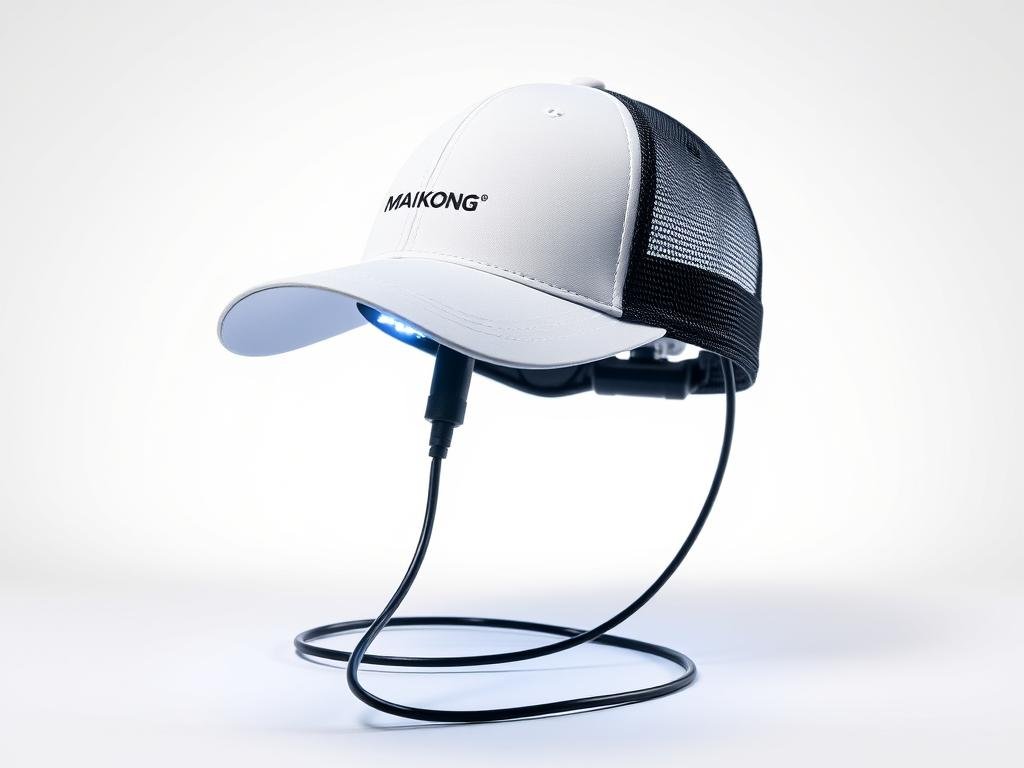
MAIKONG Plug-in LLLT Cap
Discreet cap design with 272 embedded laser diodes at 650nm for powerful, consistent hair growth stimulation. Features adjustable fit and 8-foot power cord for flexibility.
- High diode count for maximum coverage
- Consistent power delivery for optimal results
- Discreet design resembles regular cap
- Comfortable for extended wear
FDA Cleared Most Powerful
MAIKONG Plug-in LLLT Home System
Versatile home treatment system with base unit and multiple attachments for targeted therapy. Features digital control panel, timer, and 650nm precision laser diodes.
- Multiple treatment attachments included
- Digital control interface with preset programs
- Professional-grade power in home format
- Compact design for easy storage
FDA Cleared Versatile
Find Your Ideal MAIKONG LLLT Solution
Our product specialists can help you determine whether a rechargeable or plug-in device best suits your specific needs and treatment goals.
Contact Us Today
Optimal Use Cases: Matching Device Type to Your Needs
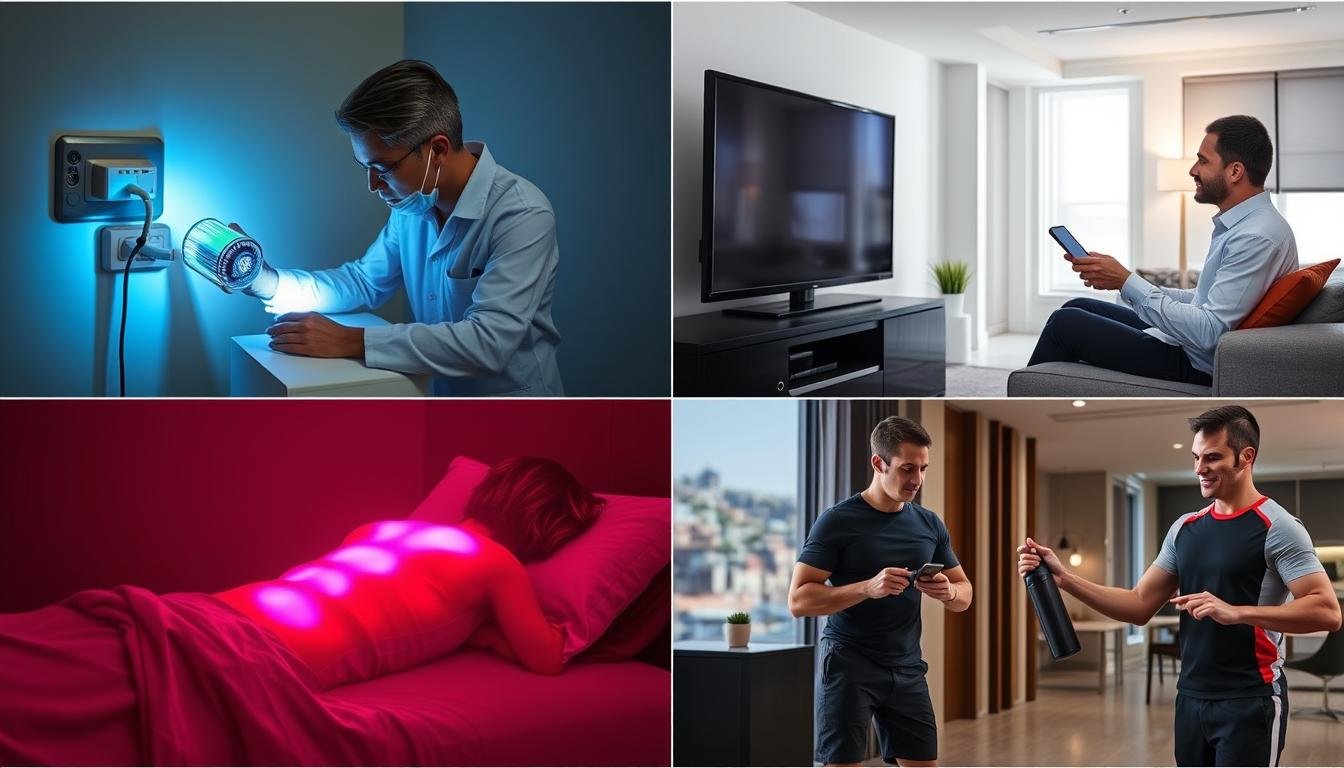
Different LLLT application scenarios across various settings
The ideal LLLT laser device power source varies significantly depending on the user’s specific circumstances, treatment requirements, and lifestyle factors. Understanding these use cases can help guide your decision.
Ideal Scenarios for Rechargeable Devices
Frequent Travelers
For those who travel regularly, rechargeable devices offer significant advantages:
- No need to find compatible outlets
- Lighter packing weight without adapters
- Use during transit (planes, trains, cars)
- No international voltage concerns
Active Treatment Styles
Users who prefer to move during treatment benefit from:
- Freedom to change positions
- No cord restrictions during application
- Ability to treat multiple body areas easily
- Use in any room without outlet concerns
Occasional Users
Those who use LLLT less frequently find advantages in:
- Convenience of grab-and-go usage
- No setup time with cords and outlets
- Easy storage between infrequent uses
- Simpler to share among family members
Ideal Scenarios for Plug-in Devices
Clinical Settings
Professional environments benefit from plug-in reliability:
- Consistent power for back-to-back sessions
- No treatment interruptions for charging
- Typically higher power capabilities
- Lower long-term maintenance costs
Intensive Home Users
Those following rigorous treatment protocols prefer:
- Uninterrupted daily treatments
- Consistent power output for reliable dosing
- No need to remember charging
- Often more powerful treatment capabilities
Stationary Treatment Areas
Users with dedicated treatment spaces appreciate:
- One-time setup in optimal location
- No battery degradation concerns
- Often more robust construction
- Higher power output capabilities
Hybrid Approaches for Maximum Flexibility
Many serious LLLT users ultimately invest in both power types—a plug-in device for home/office use and a rechargeable option for travel and convenience. This combination provides maximum flexibility while ensuring consistent treatment regardless of circumstances.
MAIKONG offers compatible device families that allow users to maintain consistent treatment parameters across both rechargeable and plug-in models, making a hybrid approach both practical and effective.
Maintenance and Longevity Considerations
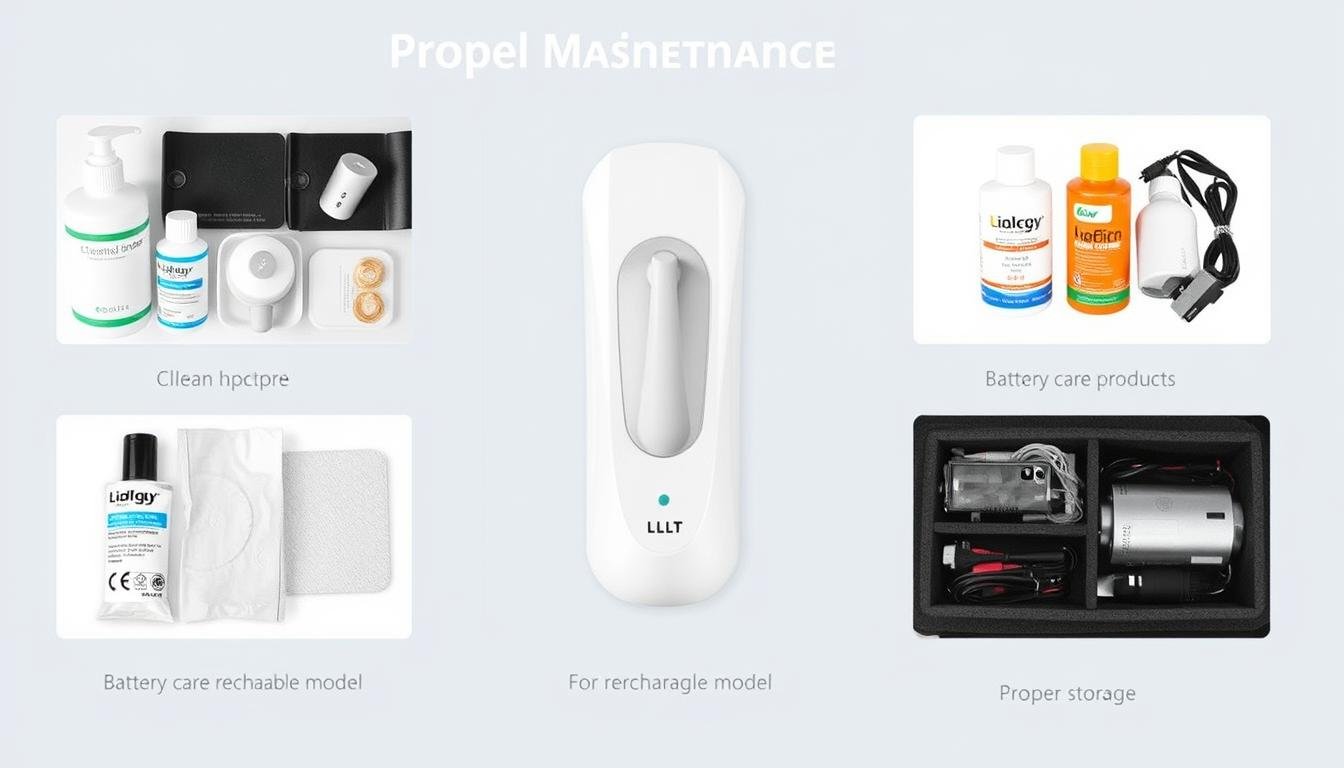
Proper maintenance extends the lifespan of LLLT devices
The longevity and performance reliability of LLLT laser devices depend significantly on proper maintenance, with different requirements based on power source type.
Rechargeable Device Maintenance
Battery Care Best Practices
- Avoid complete battery depletion before recharging
- Store at 40-80% charge when not in use for extended periods
- Keep away from extreme temperatures
- Use manufacturer-approved chargers only
- Replace batteries according to manufacturer guidelines
The lithium-ion batteries used in most rechargeable LLLT laser devices typically maintain optimal performance for 300-500 charge cycles before capacity begins to noticeably decrease. For devices used 3-4 times weekly, this translates to approximately 2-3 years of optimal battery performance.
Plug-in Device Maintenance
Power System Care
- Inspect cords regularly for wear or damage
- Use surge protectors to prevent electrical damage
- Avoid excessive cord bending or tension
- Keep connections clean and free of dust
- Ensure proper voltage when using internationally
While plug-in devices eliminate battery concerns, they require attention to electrical system integrity. Quality plug-in LLLT laser devices typically maintain consistent performance for 5-7 years or more with proper care.
General Maintenance for All LLLT Devices
| Maintenance Task |
Frequency |
Importance |
| Clean optical surfaces |
After each use |
Critical |
| Inspect for damage |
Weekly |
High |
| Check power output |
Monthly |
High |
| Clean ventilation areas |
Monthly |
Medium |
| Professional calibration |
Annually |
Medium |
MAIKONG devices are engineered for durability and easy maintenance, with clear care instructions provided for each model. Their rechargeable devices feature replaceable battery systems, while plug-in models use high-quality electrical components rated for extended use.
Safety Considerations for Different Power Types
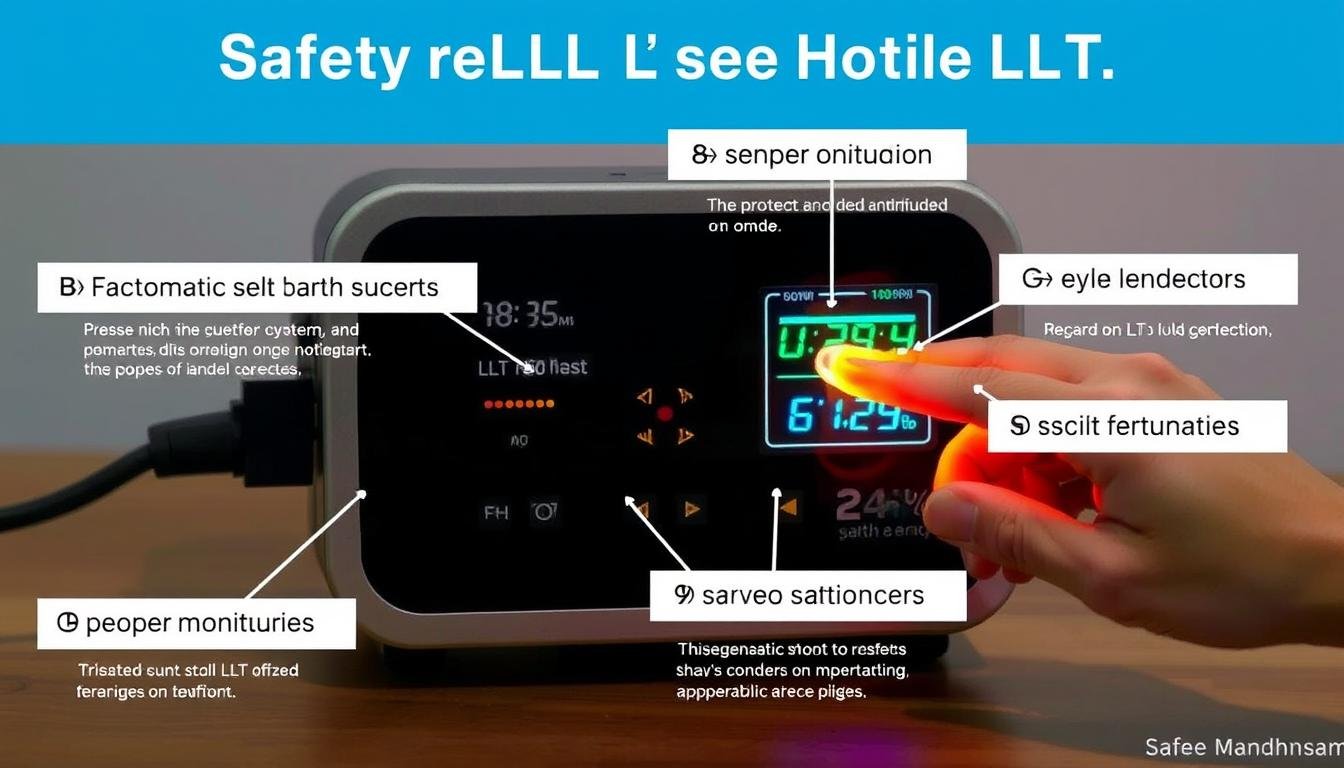
Modern LLLT devices incorporate multiple safety features
Safety is paramount when using any therapeutic device, and LLLT laser devices have specific safety considerations that vary between rechargeable and plug-in models.
Rechargeable Device Safety Factors
Advantages
- No risk of electrical shock from cords
- Lower voltage operation
- No tripping hazards from cords
- Often include auto-shutoff when battery low
Considerations
- Battery overheating risk if damaged
- Potential for unexpected power loss during treatment
- Charging system safety requirements
- Battery disposal environmental concerns
Plug-in Device Safety Factors
Advantages
- Consistent power without interruption
- No battery-related safety concerns
- Often include more sophisticated monitoring
- Typically include surge protection
Considerations
- Electrical safety requirements
- Cord management to prevent tripping
- Proper grounding importance
- Voltage compatibility when traveling
Universal Safety Guidelines for LLLT
Important Safety Precautions
- Always use appropriate eye protection during treatments
- Follow manufacturer guidelines for treatment duration
- Avoid use over suspicious skin lesions or cancerous areas
- Consult healthcare provider before use if pregnant
- Keep devices away from water unless specifically designed as water-resistant
- Never look directly at laser diodes during operation
All MAIKONG LLLT laser devices are designed with multiple safety systems regardless of power type, including automatic shutoff, temperature monitoring, and appropriate eye protection accessories. Each device undergoes rigorous safety testing to meet or exceed industry standards and FDA requirements.
Distributor Opportunities: Partner with MAIKONG

Join MAIKONG’s growing network of successful distributors
MAIKONG is actively expanding its distribution network across the United States, offering exceptional partnership opportunities for businesses interested in the rapidly growing LLLT laser devices market.
Why Partner with MAIKONG?
Product Advantages
- Comprehensive product line covering all LLLT applications
- Both rechargeable and plug-in options available
- FDA-cleared devices with proven efficacy
- Competitive pricing with strong margins
- Premium quality with lower price points than competitors
Business Support
- Dedicated distributor training program
- Marketing materials and sales support
- Protected territories available
- Dropshipping options for online retailers
- Flexible minimum order requirements
“Partnering with MAIKONG has transformed our business. Their combination of premium quality, competitive pricing, and exceptional support has made LLLT devices our fastest-growing product category.”
– Current US Distributor
Our Distributor Program Includes:
Exclusive Territory Rights
Secure protected sales regions based on your business capabilities and market knowledge. Build your customer base without direct competition from other MAIKONG distributors.
Comprehensive Training
Receive detailed product knowledge, clinical application training, and sales techniques specific to the LLLT market. Online and in-person options available.
Marketing Support
Access professional marketing materials, product images, clinical studies, and customizable content to support your sales efforts across all channels.
Become a MAIKONG Distributor Today
Join our growing network of successful partners in the expanding LLLT market. Complete our distributor application to start the conversation.
Or contact us directly:
Email: Lucy@lllt.us
WhatsApp: Click to Chat
Conclusion: Making the Right Choice for Your LLLT Needs

Achieve optimal results with the right LLLT device for your needs
When choosing between rechargeable and plug-in LLLT laser devices, there is no universal “best” option—the ideal choice depends on your specific circumstances, treatment needs, and lifestyle factors.
Choose Rechargeable If You Value:
- Portability and travel convenience
- Freedom of movement during treatments
- Use in multiple locations
- Cord-free operation
- International travel compatibility
Choose Plug-in If You Value:
- Consistent power output
- Unlimited treatment duration
- Lower long-term maintenance costs
- Maximum power capabilities
- Dedicated treatment location
MAIKONG offers premium quality options in both categories, ensuring you can find the perfect LLLT laser device for your specific needs without compromising on quality or effectiveness. Our comprehensive product line includes solutions for every application, from professional clinical settings to convenient home use.
Experience the MAIKONG Difference
Contact us today to discuss your specific needs and discover why healthcare professionals and consumers alike trust MAIKONG for their LLLT therapy solutions.
Contact Us Today
Phone/WhatsApp: +86 13510907401
Email: Lucy@lllt.us
How do I know if a rechargeable or plug-in LLLT device is better for me?
Consider your primary usage patterns. If you travel frequently, need flexibility in treatment locations, or value cord-free operation, a rechargeable device may be ideal. If you primarily use your device in one location, need consistent power for longer treatments, or want to minimize long-term maintenance costs, a plug-in device might be the better choice.
Are MAIKONG LLLT devices FDA-cleared?
Yes, MAIKONG’s professional LLLT laser devices have received FDA clearance for their intended uses. This ensures they meet rigorous safety and efficacy standards required for medical devices in the United States.
How long do rechargeable LLLT devices typically last before needing battery replacement?
Most high-quality rechargeable devices use lithium-ion batteries that maintain optimal performance for approximately 300-500 charge cycles. For a device used 3-4 times weekly, this typically translates to 2-3 years before noticeable battery capacity reduction. MAIKONG devices feature replaceable battery systems to extend the overall device lifespan.