LLLT Laser (Low-Level Laser Therapy) represents a groundbreaking approach to healing and pain management that harnesses the power of specific light wavelengths to stimulate cellular function and promote recovery. Unlike high-power lasers used for cutting or ablating tissue, LLLT Laser technology delivers gentle, non-thermal photonic energy that penetrates deep into tissues, triggering beneficial biological responses without causing damage. This comprehensive guide explores the science behind LLLT Laser therapy, its diverse applications, and why it’s becoming increasingly popular among healthcare professionals and patients seeking effective, non-invasive treatment options for a wide range of conditions.
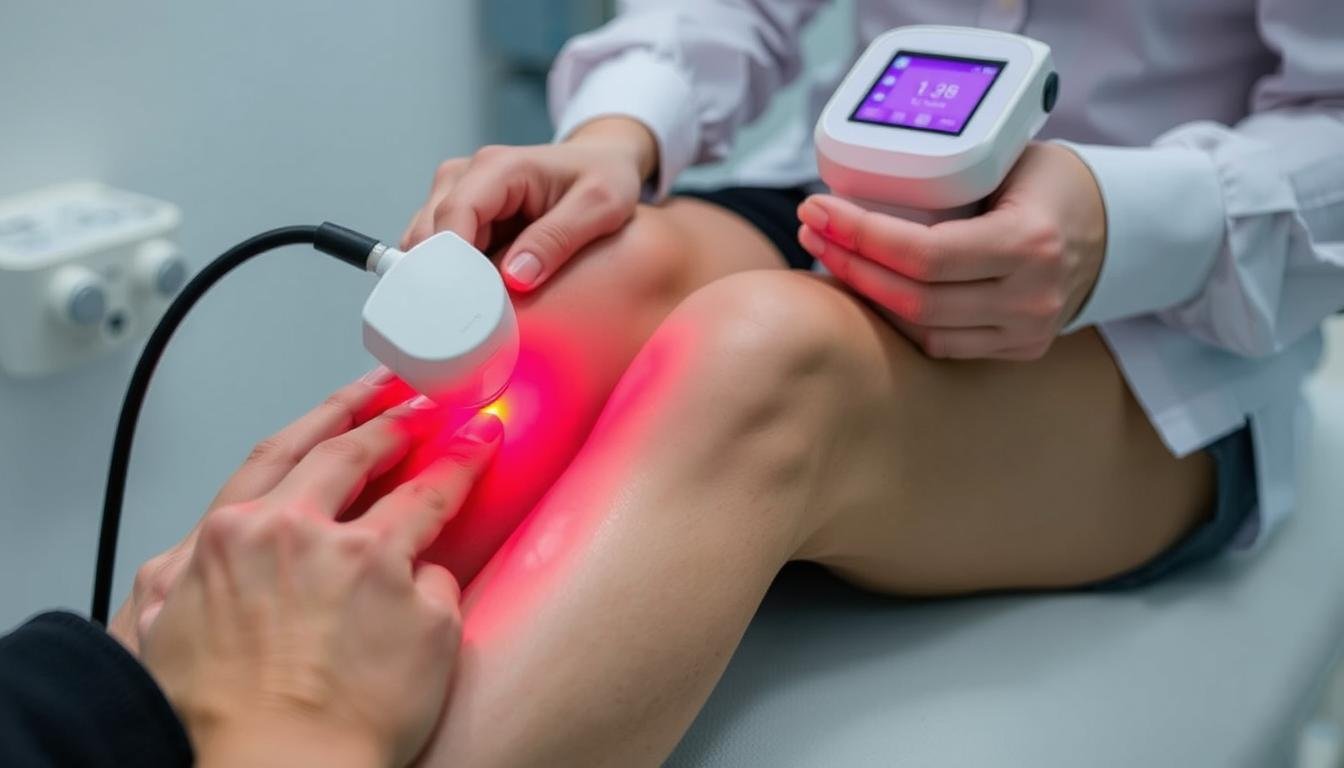
Modern LLLT Laser device delivering therapeutic light energy
LLLT Laser therapy, also known as photobiomodulation or cold laser therapy, utilizes low-power lasers or light-emitting diodes (LEDs) to stimulate healing, reduce inflammation, and relieve pain. The term “low-level” refers to the use of light at energy densities that are low compared to other laser therapies used for cutting, ablation, or thermal coagulation of tissue. Typically, LLLT Laser devices operate at power outputs below 500mW, delivering precise wavelengths of light that can penetrate the skin without generating excessive heat.
The technology was first discovered in 1967 by Endre Mester at Semmelweis University in Budapest, Hungary. During experiments with ruby lasers on mice, Mester noticed that applying laser light to shaved mice caused their hair to grow back more quickly than in unshaved mice. He also observed accelerated wound healing in the treated animals. These serendipitous findings laid the foundation for what would become a versatile therapeutic approach used worldwide today.
Key Characteristics of LLLT Laser Technology
- Non-thermal application of light energy (hence the term “cold laser”)
- Typically uses wavelengths in the red to near-infrared spectrum (600-1070nm)
- Power output generally below 500mW
- Non-invasive with minimal to no side effects
- Stimulates cellular function without damaging tissues
- FDA-cleared for various applications including pain management, wound healing, and inflammation reduction
Scientific Principles Behind LLLT Laser Therapy
The effectiveness of LLLT Laser therapy is rooted in its ability to influence cellular function through photochemical reactions. When photons from the laser are absorbed by cellular photoreceptors, they trigger a series of biochemical processes that enhance the body’s natural healing mechanisms.
The Cellular Mechanism of LLLT Laser Action

Cellular mechanism showing how LLLT Laser interacts with mitochondria
At the cellular level, LLLT Laser therapy primarily affects mitochondria, the powerhouses of our cells. The key chromophore (light-absorbing molecule) is cytochrome c oxidase (CCO), a component of the respiratory electron transport chain within mitochondria. When the appropriate wavelength of light is applied, it causes photodissociation of nitric oxide from CCO, leading to several beneficial effects:
Primary Cellular Effects
- Increased production of adenosine triphosphate (ATP), the energy currency of cells
- Enhanced cellular respiration and metabolism
- Modulation of reactive oxygen species (ROS)
- Activation of transcription factors
- Release of nitric oxide, a potent vasodilator
Secondary Tissue Effects
- Reduced inflammation and edema
- Increased blood flow and tissue oxygenation
- Accelerated cell proliferation and tissue repair
- Enhanced collagen production
- Modulation of immune response
The Biphasic Dose Response in LLLT Laser Therapy
A critical aspect of LLLT Laser therapy is the biphasic dose response, also known as the Arndt-Schulz principle. This phenomenon indicates that there is an optimal energy density or “dose” for treatment, and both too little and too much energy can reduce effectiveness. This principle explains why proper dosimetry (the measurement and calculation of laser dose) is crucial for successful treatment outcomes.
“The biphasic dose response in LLLT can be summarized as ‘too little has no effect, and too much has an inhibitory effect.’ Finding the therapeutic window where the dose is just right is essential for optimal results.”
– Michael R. Hamblin, Ph.D., Principal Investigator at Wellman Center for Photomedicine
Technical Specifications and Components of LLLT Laser Devices
Understanding the technical aspects of LLLT Laser devices is essential for both practitioners and patients to ensure optimal treatment outcomes. These devices vary in design and specifications, but share common fundamental components and parameters.
Key Components of an LLLT Laser Device

Breakdown of essential components in a typical LLLT Laser device
| Component |
Function |
Specifications |
| Laser Diode |
Generates the coherent light beam |
Typically semiconductor diodes (GaAlAs, InGaAlP) |
| Power Supply |
Provides consistent electrical power |
Battery or AC-powered with stabilization circuits |
| Control System |
Manages output parameters |
Microprocessor with user interface for parameter adjustment |
| Cooling System |
Prevents overheating |
Passive or active cooling mechanisms |
| Applicator |
Delivers light to treatment area |
Single-point or cluster probes, scanning systems |
| Optical System |
Focuses and directs light |
Lenses, mirrors, fiber optics |
Critical Parameters in LLLT Laser Therapy
The effectiveness of LLLT Laser therapy depends on several key parameters that must be properly calibrated for each specific application:
Wavelength
Measured in nanometers (nm), the wavelength determines how deeply light penetrates tissue and which chromophores absorb it. Common wavelengths include:
- 630-660 nm (red): Superficial tissues
- 780-860 nm (near-infrared): Deeper tissues
- 904-910 nm (near-infrared): Maximum depth penetration
Power and Power Density
Power (measured in milliwatts, mW) indicates the energy output rate. Power density (mW/cm²) describes the concentration of power over an area and affects treatment intensity.
- Low power: 1-100 mW
- Medium power: 100-300 mW
- High power (still “low-level”): 300-500 mW
Energy and Energy Density
Energy (measured in Joules, J) is the total energy delivered. Energy density (J/cm²) or fluence describes the concentration of energy in the treatment area.
- Typical range: 1-10 J/cm²
- Optimal range varies by condition
- Calculated as: Power (W) × Time (s)
Additional Important Parameters
- Pulse Structure: Continuous wave (CW) or pulsed delivery, with varying frequencies (Hz)
- Treatment Duration: Typically ranges from 30 seconds to 15 minutes per area
- Beam Profile: Distribution of energy across the beam (Gaussian or flat-top)
- Coherence: Organization of light waves (higher in lasers than LEDs)
- Treatment Frequency: How often therapy is applied (daily, weekly, etc.)
- Treatment Area: Size and location of the target tissue
Biological Effects of LLLT Laser on Cells and Tissues

Cellular response before and after LLLT Laser therapy
The biological effects of LLLT Laser therapy extend from the cellular level to entire tissue systems, creating a cascade of beneficial responses that promote healing and reduce pain. These effects can be categorized into immediate, short-term, and long-term responses.
Immediate Cellular Responses to LLLT Laser Exposure
- Increased ATP Production: Enhanced energy availability for cellular functions
- Nitric Oxide Release: Improved blood flow and vasodilation
- Reactive Oxygen Species (ROS) Modulation: Triggers cell signaling pathways
- Calcium Ion Influx: Activates secondary messenger systems
- Mitochondrial Membrane Potential Changes: Optimizes cellular respiration
Short-Term Tissue Effects (Hours to Days)
Anti-Inflammatory Effects
- Reduced pro-inflammatory cytokines (IL-1β, TNF-α)
- Increased anti-inflammatory cytokines (IL-10)
- Decreased neutrophil infiltration
- Reduced edema formation
- Modulation of prostaglandin levels
Pain Reduction Mechanisms
- Decreased nerve sensitivity
- Blocked transmission of pain signals
- Increased endorphin and enkephalin production
- Reduced muscle spasm
- Decreased inflammation-related pain
Long-Term Tissue Effects (Days to Weeks)
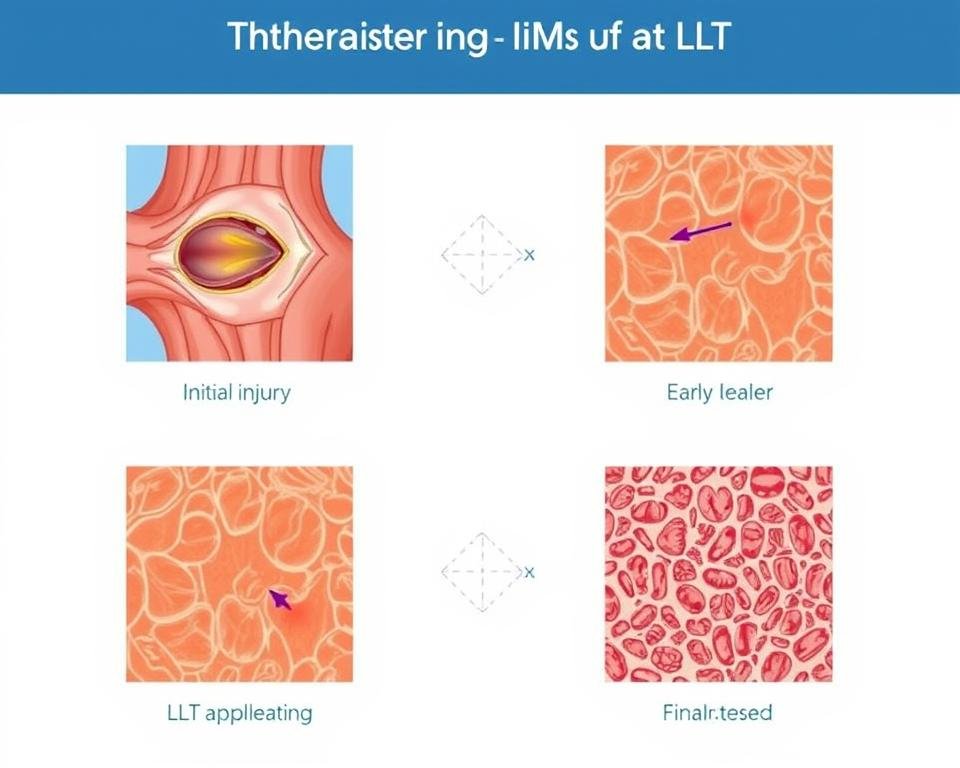
Progressive tissue healing with LLLT Laser therapy over time
- Enhanced Cell Proliferation: Increased fibroblast activity and cellular division
- Accelerated Collagen Synthesis: Improved structural integrity of healing tissues
- Neovascularization: Formation of new blood vessels to support healing
- Improved Lymphatic Flow: Better clearance of waste products and reduced swelling
- Nerve Regeneration: Enhanced repair of damaged nerve tissues
- Modulated Immune Response: Optimized inflammatory and healing processes
- Increased Antioxidant Activity: Better protection against oxidative stress
“What makes LLLT unique is its ability to stimulate the body’s own healing mechanisms rather than simply masking symptoms. The therapy essentially ‘speaks the language’ of cells, encouraging them to function optimally.”
Clinical Applications and Use Cases for LLLT Laser Therapy
The versatility of LLLT Laser therapy has led to its application across numerous medical and therapeutic fields. From pain management to wound healing, the non-invasive nature and minimal side effects make it an attractive option for various conditions.
Musculoskeletal Applications of LLLT Laser Therapy

LLLT Laser therapy application for shoulder pain treatment
Joint Conditions
- Osteoarthritis
- Rheumatoid arthritis
- Temporomandibular joint disorders
- Bursitis
- Joint inflammation
Soft Tissue Injuries
- Muscle strains and tears
- Tendonitis and tendinopathy
- Ligament sprains
- Myofascial pain
- Sports injuries
Spine and Nerve Conditions
- Chronic neck and back pain
- Sciatica
- Disc herniation
- Neuropathic pain
- Fibromyalgia
Dermatological and Wound Healing Applications
Wound Types Responsive to LLLT
- Diabetic ulcers
- Pressure sores
- Surgical incisions
- Burns
- Traumatic wounds
Skin Conditions
- Acne
- Psoriasis
- Eczema
- Herpes simplex lesions
- Scar reduction
Emerging and Specialized Applications

LLLT Laser application for hair regrowth treatment
Neurological Applications
- Traumatic brain injury
- Stroke rehabilitation
- Alzheimer’s disease
- Parkinson’s disease
- Peripheral nerve regeneration
Aesthetic and Cosmetic Uses
- Hair regrowth
- Anti-aging skin treatments
- Cellulite reduction
- Fat reduction
- Skin rejuvenation
Other Medical Applications
- Oral mucositis
- Lymphedema
- Tinnitus
- Carpal tunnel syndrome
- Fungal nail infections
Discover How LLLT Can Help Your Specific Condition
Our specialists can provide personalized information about how LLLT Laser therapy might benefit your specific health concerns.
Contact Us for a Consultation
LLLT Laser Treatment Protocols and Best Practices
Effective LLLT Laser therapy requires proper protocols and techniques to achieve optimal results. Treatment parameters vary depending on the condition being treated, the device being used, and individual patient factors.
General Treatment Guidelines for LLLT Laser Therapy

Proper technique for LLLT Laser application in clinical setting
| Parameter |
Acute Conditions |
Chronic Conditions |
| Treatment Frequency |
Daily or every other day |
2-3 times per week |
| Treatment Duration |
30 seconds to 2 minutes per point |
2-5 minutes per point |
| Energy Density |
2-4 J/cm² |
4-10 J/cm² |
| Course Length |
5-10 sessions |
10-30 sessions |
| Application Technique |
Direct contact or slight distance |
Direct contact with moderate pressure |
| Treatment Area |
Focused on injury site |
Injury site plus surrounding areas |
Condition-Specific LLLT Laser Protocols
Osteoarthritis Protocol
Wavelength: 810-830 nm
Power Density: 50-100 mW/cm²
Energy Density: 4-8 J/cm²
Treatment Duration: 3-5 minutes per joint
Frequency: 2-3 times per week
Course: 8-12 sessions, then maintenance as needed
Technique: Apply to joint line and surrounding tissues
Wound Healing Protocol
Wavelength: 633-660 nm (superficial) or 810-830 nm (deeper)
Power Density: 30-50 mW/cm²
Energy Density: 3-6 J/cm²
Treatment Duration: Depends on wound size
Frequency: Daily for acute wounds, 3 times per week for chronic wounds
Course: Until healing is complete
Technique: Non-contact application 0.5-1 cm from wound surface
Hair Regrowth Protocol
Wavelength: 650-660 nm
Power Density: 5-20 mW/cm²
Energy Density: 3-4 J/cm²
Treatment Duration: 15-25 minutes per session
Frequency: 3 times per week
Course: Minimum 16 weeks, then maintenance
Technique: Full scalp coverage using helmet, comb, or panel device
Best Practices for Optimal LLLT Laser Results
Practitioner Guidelines
- Conduct thorough patient assessment before treatment
- Clean treatment area before application
- Maintain proper device positioning and pressure
- Ensure appropriate eye protection for both practitioner and patient
- Document treatment parameters and patient response
- Adjust protocols based on individual response
Patient Recommendations
- Stay well-hydrated before and after treatment
- Follow the complete recommended treatment course
- Report any unusual sensations or reactions
- Continue prescribed exercises or other therapies
- Avoid photosensitizing medications when possible
- Maintain realistic expectations about results timeline
Benefits and Advantages of LLLT Laser Therapy
LLLT Laser therapy offers numerous advantages over conventional treatments for many conditions. Its non-invasive nature and minimal side effects make it an attractive option for both patients and healthcare providers.
Patient experiencing therapeutic benefits of LLLT Laser treatment
Clinical Benefits of LLLT Laser Therapy
Pain Management
- Reduces acute and chronic pain
- Decreases need for analgesic medications
- Provides longer-lasting relief than many topical treatments
- Addresses underlying causes rather than just symptoms
- Non-addictive alternative to pain medications
Healing and Recovery
- Accelerates tissue repair processes
- Reduces recovery time from injuries
- Improves surgical outcomes
- Enhances rehabilitation effectiveness
- Promotes healing in difficult cases
Anti-Inflammatory Effects
- Reduces swelling and edema
- Decreases inflammatory markers
- Improves lymphatic drainage
- Modulates immune response
- Addresses chronic inflammation
Practical Advantages of LLLT Laser Therapy
Advantages
- Non-invasive with no cutting or tissue damage
- Virtually painless application
- No significant side effects when properly applied
- No recovery time needed after treatment
- Compatible with other treatments and therapies
- Suitable for patients who cannot take certain medications
- Can be applied to patients with implanted devices
- Reduces need for surgery in some cases
- Home-use devices available for certain applications
Limitations
- Multiple sessions typically required
- Results may not be immediate for chronic conditions
- Not all conditions respond equally well
- Quality of devices varies significantly
- Proper dosimetry is critical but often inconsistent
- Not always covered by insurance
- Requires trained practitioners for optimal results
- Not suitable for certain conditions (e.g., cancer)
“The greatest advantage of LLLT is its ability to provide therapeutic benefits without the risks associated with more invasive procedures or the side effects of many medications. It represents a true paradigm shift in how we approach pain and healing.”
Overall Effectiveness Rating
4.3
Based on clinical studies and patient outcomes
Inflammation Reduction
4.4/5
Safety Considerations and Protocols for LLLT Laser Therapy
While LLLT Laser therapy is generally considered safe, proper precautions and protocols must be followed to ensure optimal safety for both patients and practitioners.
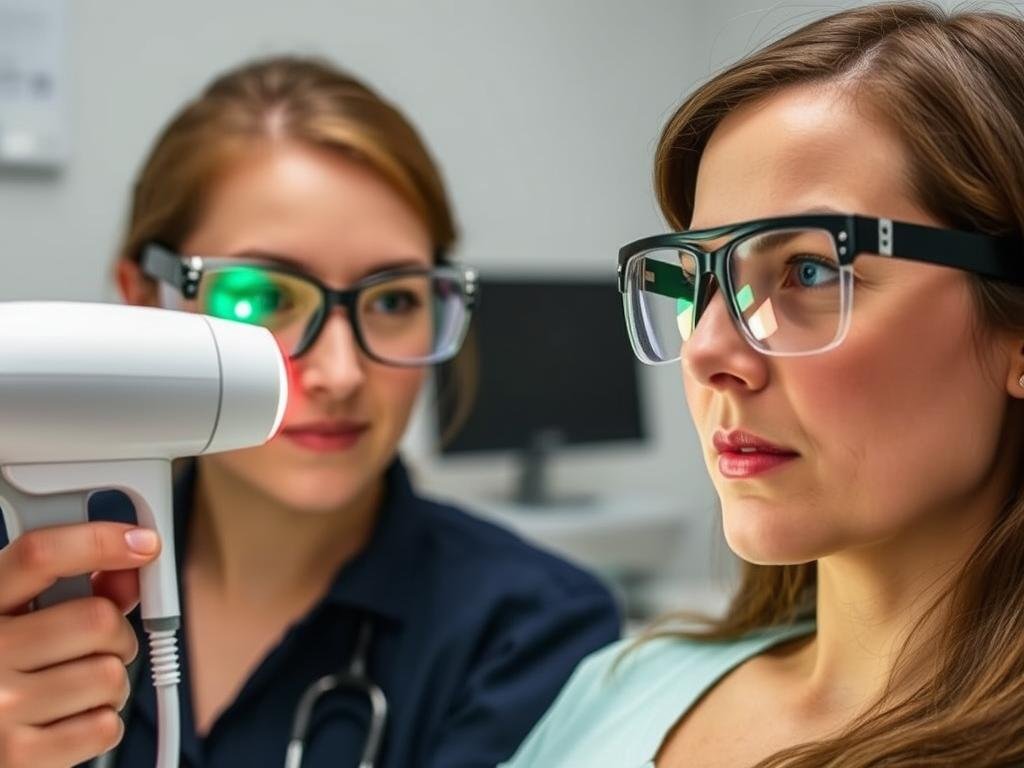
Proper eye protection during LLLT Laser therapy session
Safety Guidelines for LLLT Laser Application
Important Safety Precautions
Always follow manufacturer guidelines and clinical best practices when administering LLLT Laser therapy. Proper training and certification are essential for clinical applications.
Eye Protection
- Always use appropriate protective eyewear specific to the laser wavelength
- Both practitioner and patient must wear protection
- Never direct the laser beam toward the eyes
- Use eye shields when treating areas near the eyes
- Store protective eyewear with the device
Device Safety
- Maintain and calibrate devices according to manufacturer specifications
- Check for damaged components before each use
- Use only in well-ventilated areas
- Follow proper electrical safety protocols
- Secure devices when not in use to prevent unauthorized access
Contraindications and Precautions
| Contraindication |
Reason |
Recommendation |
| Direct application over cancerous tissue |
May potentially stimulate cancer cell growth |
Absolute contraindication – avoid use |
| Pregnancy (over abdomen) |
Insufficient safety data |
Avoid application over abdomen; other areas with caution |
| Epilepsy |
Pulsed light may trigger seizures in sensitive individuals |
Use with caution; avoid pulsed modes |
| Recent steroid injections |
May interfere with steroid effects |
Wait 7-14 days after injection |
| Photosensitizing medications |
May cause abnormal skin reactions |
Check medication list; use reduced parameters if necessary |
| Tattoos in treatment area |
Ink may absorb laser energy, causing heating |
Avoid direct application over tattoos |
| Active bleeding |
May increase blood flow |
Wait until bleeding is controlled |
Potential Side Effects and Management
When properly administered, LLLT Laser therapy has minimal side effects. However, some patients may experience:
- Temporary Increase in Pain: Some patients experience a temporary increase in pain after initial treatments, which typically resolves within 24-48 hours. This can be managed with mild analgesics if necessary.
- Mild Fatigue: Occasionally reported after treatment, usually resolves quickly and may be related to the body’s healing response.
- Skin Irritation: Rare and usually mild, more common in patients with sensitive skin or when improper parameters are used.
- Dizziness: Rarely reported, typically related to vasodilation effects and usually transient.
Important Safety Note
If a patient experiences unusual or severe reactions to LLLT Laser therapy, discontinue treatment immediately and consult with a healthcare professional. Always document any adverse reactions and adjust treatment protocols accordingly.
Comparing LLLT Laser with Other Laser Technologies
Understanding how LLLT Laser therapy compares to other laser technologies helps practitioners and patients make informed decisions about treatment options.

Visual comparison of different laser technologies and their applications
LLLT Laser vs. High-Power Laser Therapy (HPLT)
| Feature |
LLLT (Low-Level Laser Therapy) |
HPLT (High-Power Laser Therapy) |
| Power Output |
1-500 mW |
500 mW – 60+ W |
| Primary Mechanism |
Photochemical (non-thermal) |
Photothermal (heat-based) |
| Tissue Effect |
Stimulates cellular function |
Creates controlled tissue damage |
| Sensation During Treatment |
No sensation or mild warmth |
Heat, sometimes requiring cooling |
| Treatment Duration |
Typically 3-15 minutes per area |
Often shorter (30 seconds – 3 minutes) |
| Safety Profile |
Very high safety margin |
Requires more precautions |
| Primary Applications |
Pain, inflammation, healing, regeneration |
Pain, deeper tissue heating, ablation |
LLLT Laser vs. LED Therapy
LLLT Characteristics
- Monochromatic (single wavelength)
- Coherent light (waves in phase)
- Collimated (minimal divergence)
- Greater tissue penetration
- More precise targeting
- Generally higher power density
LED Characteristics
- Polychromatic (broader spectrum)
- Non-coherent light
- More diffuse beam pattern
- Less tissue penetration
- Covers larger treatment areas
- Generally lower cost
“While both LLLT and LED therapy operate on similar principles of photobiomodulation, the coherence and monochromaticity of laser light may provide advantages for certain applications, particularly those requiring deeper tissue penetration.”
Comparison with Other Treatment Modalities

Comparison of LLLT Laser with other pain management approaches
LLLT Laser Therapy
- Non-invasive, no tissue damage
- No significant side effects
- Addresses underlying causes
- Cumulative benefits with repeated treatments
- No medication interactions
- Can be combined with other therapies
- No recovery time needed
Pharmaceutical Approaches
- Rapid onset for pain relief
- Systemic effects throughout body
- Primarily symptom management
- Potential side effects and interactions
- Risk of dependency with some medications
- Easy administration
- Well-established protocols
Surgical Interventions
- Can address structural issues
- May provide permanent solutions
- Invasive with recovery time
- Risks of complications and infection
- Often requires anesthesia
- Higher initial cost
- May require physical therapy afterward
Future Developments and Research Directions in LLLT Laser Technology
The field of LLLT Laser therapy continues to evolve, with ongoing research expanding our understanding of its mechanisms and applications. Several exciting developments are on the horizon.

Cutting-edge research in LLLT Laser technology development
Emerging Trends in LLLT Laser Research
Advanced Delivery Systems
- Wearable LLLT devices for continuous therapy
- Implantable micro-lasers for internal applications
- Combination devices integrating multiple wavelengths
- Smart, adaptive systems that adjust parameters in real-time
- Miniaturized devices for targeted cellular applications
Expanded Applications
- Neurodegenerative disease management
- Cognitive enhancement and brain function
- Metabolic disorder treatments
- Immune system modulation
- Combination with stem cell therapies
Improved Protocols
- Personalized treatment algorithms
- AI-driven parameter optimization
- Genetic and biomarker-based protocols
- Combination protocols with other modalities
- Standardized dosimetry guidelines
Promising Research Areas
Neurological Applications
Transcranial LLLT Laser therapy is showing promise for treating traumatic brain injury, stroke recovery, and neurodegenerative conditions like Alzheimer’s and Parkinson’s disease. Research suggests that near-infrared light can penetrate the skull and stimulate mitochondrial function in neurons, potentially protecting against cell death and promoting neurogenesis.
Cellular Mechanisms
Deeper understanding of the cellular and molecular mechanisms of LLLT Laser therapy is emerging. Research is uncovering how light interacts with specific cellular components beyond cytochrome c oxidase, including ion channels, water molecules, and cellular membranes, expanding our understanding of photobiomodulation effects.
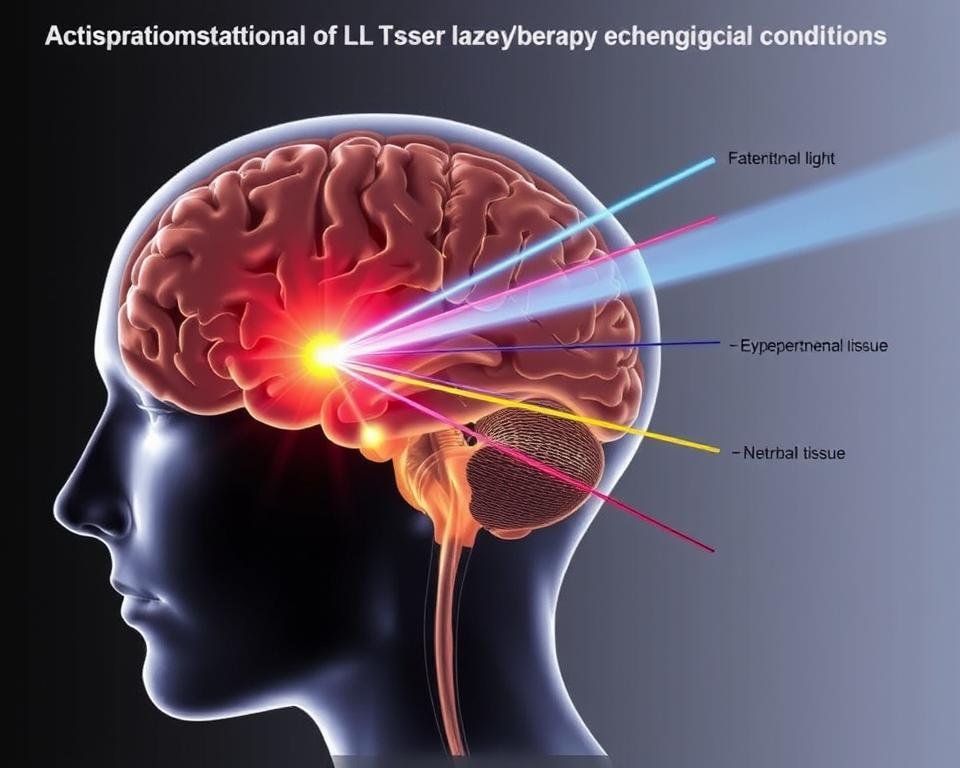
Transcranial LLLT Laser application for neurological conditions
Challenges and Opportunities
- Standardization: Developing consistent protocols and parameters across different devices and applications remains a challenge. Efforts to establish international standards for dosimetry and reporting are underway.
- Clinical Evidence: While evidence supports many applications of LLLT, larger, well-designed clinical trials are needed to further validate its effectiveness for specific conditions and optimize treatment protocols.
- Integration with Conventional Medicine: Increasing acceptance and integration of LLLT into mainstream medical practice requires continued education of healthcare professionals and development of clear guidelines.
- Technological Advancements: Improvements in laser diode technology, power management, and delivery systems will continue to enhance the efficacy and accessibility of LLLT devices.
- Personalized Medicine: The future of LLLT likely includes personalized treatment approaches based on individual patient characteristics, condition specifics, and response monitoring.
“The future of LLLT lies not just in developing more powerful or versatile devices, but in our deeper understanding of how light interacts with biological systems at the molecular, cellular, and tissue levels. This knowledge will enable truly personalized photobiomodulation approaches.”
Conclusion: The Transformative Potential of LLLT Laser Therapy
LLLT Laser therapy represents a significant advancement in non-invasive therapeutic approaches, offering effective treatment options for a wide range of conditions with minimal risk. From its humble beginnings in Endre Mester’s laboratory to today’s sophisticated applications across multiple medical fields, LLLT has demonstrated its value as both a standalone therapy and a complementary approach to conventional treatments.
The unique ability of LLLT Laser therapy to stimulate the body’s natural healing processes at the cellular level sets it apart from many other interventions. By enhancing mitochondrial function, modulating inflammation, improving circulation, and triggering beneficial cellular responses, LLLT addresses the underlying causes of pain and dysfunction rather than simply masking symptoms.
As research continues to expand our understanding of the mechanisms and applications of LLLT Laser therapy, we can expect to see even more innovative uses and improved outcomes. The integration of LLLT into mainstream medical practice continues to grow, offering hope for patients seeking effective, non-invasive solutions for challenging health conditions.
Whether you are a healthcare professional considering adding LLLT to your practice or a patient exploring treatment options, understanding the science, applications, and potential of this technology provides a foundation for making informed decisions about its use. As with any therapeutic approach, consultation with qualified healthcare providers and adherence to established protocols are essential for achieving optimal results.
Learn More About LLLT Laser Therapy Options
Contact our specialists to discover how LLLT Laser therapy can be tailored to your specific needs, whether you’re a healthcare professional or a patient seeking treatment.
Email: Lucy@lllt.us
Contact Us on WhatsApp
Frequently Asked Questions About LLLT Laser Therapy
How many LLLT Laser therapy sessions are typically needed?
The number of sessions required varies depending on the condition being treated, its severity, and individual patient factors. For acute conditions, 5-10 sessions may be sufficient, while chronic conditions might require 10-30 sessions initially, followed by maintenance treatments. Most treatment protocols involve 2-3 sessions per week for several weeks. Many patients report some improvement after 3-5 sessions, though optimal results typically require completing the full recommended course of treatment.
Is LLLT Laser therapy painful?
No, LLLT Laser therapy is typically painless. Most patients feel no sensation at all during treatment, while some may experience a mild, pleasant warmth in the treatment area. Unlike high-power lasers, LLLT devices do not generate significant heat and do not damage tissues. This makes the therapy comfortable even for patients with acute pain or sensitivity. If a patient experiences any discomfort during treatment, the parameters should be adjusted or the treatment reconsidered.
How does LLLT Laser therapy differ from LED light therapy?
While both LLLT Laser and LED therapy utilize light to stimulate biological effects, there are several key differences. LLLT uses coherent, monochromatic light (all waves are in phase and of a single wavelength), which allows for greater precision and potentially deeper tissue penetration. LED therapy uses non-coherent light with a broader spectrum of wavelengths. Some research suggests that the coherence of laser light may provide additional benefits for certain applications, though both modalities can be effective for photobiomodulation. LED devices typically cover larger treatment areas and are generally less expensive, while laser devices offer more focused treatment and potentially greater efficacy for deeper tissues.
Can LLLT Laser therapy be used alongside other treatments?
Yes, LLLT Laser therapy is highly compatible with most other treatments and can often enhance their effectiveness. It works well as a complement to physical therapy, chiropractic care, massage, acupuncture, and many conventional medical treatments. LLLT can be used before other therapies to prepare tissues or after to enhance recovery. It generally does not interfere with medications, though patients taking photosensitizing drugs should consult their healthcare provider. The non-invasive nature of LLLT makes it an excellent addition to comprehensive treatment plans for many conditions.
Are home LLLT Laser devices effective?
Home LLLT Laser devices can be effective for certain applications when used correctly, though they typically have lower power outputs than professional clinical devices. The effectiveness depends on the quality of the device, appropriate wavelength for the condition, and proper application technique. FDA-cleared devices for specific applications (such as hair regrowth or pain management) have demonstrated efficacy in clinical trials. When considering a home device, look for those with proper regulatory clearances, clear specifications (wavelength, power output, etc.), and good user instructions. For complex or serious conditions, professional treatment is generally recommended before or alongside home therapy.
How quickly will I see results from LLLT Laser therapy?
The timeline for results from LLLT Laser therapy varies depending on the condition, its severity, and individual factors. For acute pain or inflammation, some patients experience improvement after just 1-3 sessions. Chronic conditions typically require more treatments before significant improvement is noted, often 5-10 sessions. Wound healing applications may show visible improvements within days to weeks. Hair regrowth typically requires 2-4 months of consistent treatment before noticeable results. It’s important to complete the full recommended treatment course, as the effects of LLLT are often cumulative and continue to develop even after the treatment series is completed.
