LLLT Therapy Device

Understanding LLLT and How It Works
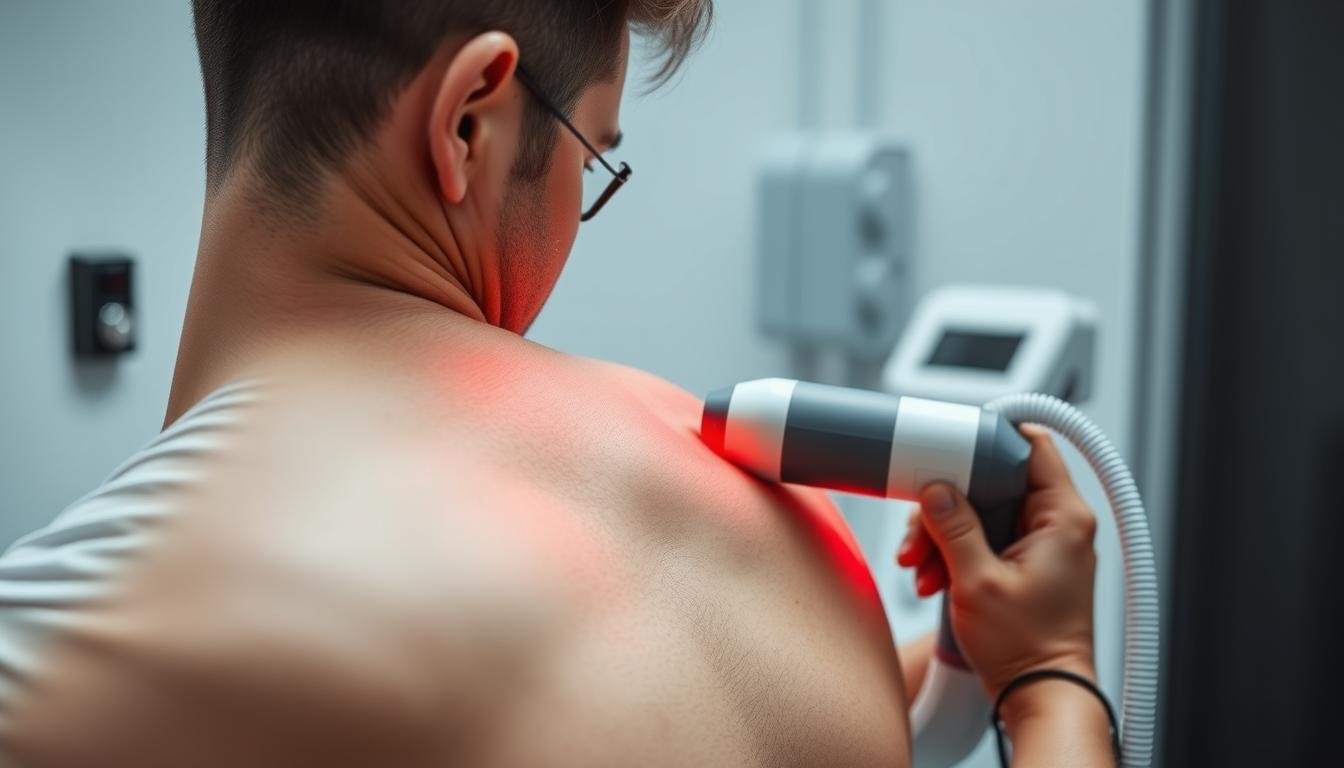
LLLT therapy uses specific wavelengths of light to stimulate cellular function
Low-Level Laser Therapy (LLLT), also known as photobiomodulation or cold laser therapy, utilizes specific wavelengths of light to stimulate cellular function. Unlike high-power lasers used for cutting or ablation, LLLT employs low-power lasers or light-emitting diodes (LEDs) that generate no heat, making them safe for therapeutic applications.
The Science Behind LLLT Laser Side Effects
To understand potential LLLT laser side effects, we must first grasp how this therapy works at the cellular level. LLLT operates on the principle of photochemical reactions rather than thermal effects. When laser light of specific wavelengths (typically 600-1000nm) penetrates tissue, it’s absorbed by cellular photoreceptors, particularly cytochrome c oxidase in the mitochondria.
This absorption triggers several biological responses:
- Increased production of adenosine triphosphate (ATP), the cellular energy currency
- Release of nitric oxide, improving blood flow
- Formation of reactive oxygen species (ROS) at controlled levels
- Activation of transcription factors that regulate gene expression
- Enhanced cell proliferation and reduced inflammation
These mechanisms explain LLLT’s therapeutic benefits, but they also provide insight into why certain side effects may occur in some individuals, particularly men who may have physiological differences that affect treatment outcomes.
Common LLLT Laser Side Effects in Male Patients
While LLLT is generally considered safe with minimal adverse effects, some men may experience certain reactions. Understanding these potential side effects helps users prepare appropriately and distinguish between normal responses and concerning symptoms.
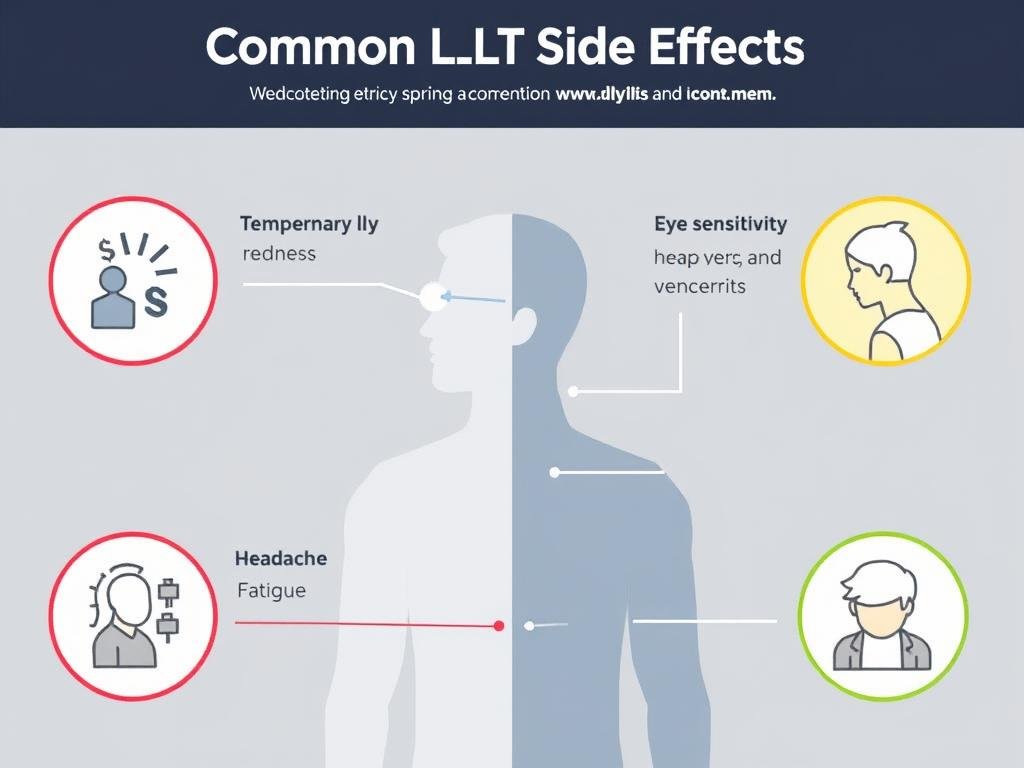
Temporary Skin Reactions
The most frequently reported side effects involve the skin at the treatment site:
- Redness (erythema): Temporary reddening of the skin that typically resolves within hours
- Warmth sensation: A mild warming feeling during or shortly after treatment
- Tingling: A subtle tingling sensation that usually subsides quickly
- Dryness: Some men report temporary skin dryness at the treatment area
Systemic Reactions
Less commonly, some men may experience systemic responses:
- Fatigue: Temporary tiredness following treatment sessions
- Headache: Mild headaches that typically resolve without intervention
- Dizziness: Occasional light-headedness, particularly after first treatments
- Nausea: Rare cases of mild nausea have been reported
Treatment-Specific LLLT Laser Side Effects
Depending on the treatment area and purpose, men may experience unique side effects:
| Treatment Area | Common Side Effects | Duration | Severity |
| Scalp (Hair Loss) | Scalp sensitivity, temporary shedding, itching | 1-2 weeks | Mild |
| Joints (Pain) | Temporary pain increase, stiffness | 24-48 hours | Mild to moderate |
| Muscles (Recovery) | Muscle soreness, fatigue | 1-3 days | Mild |
| Face (Skin) | Redness, sensitivity to sunlight | Few hours | Very mild |
| Lower back (Pain) | Initial discomfort, temporary soreness | 1-2 days | Mild |
Gender-Specific Considerations: Why Men May Experience Different Side Effects
Physiological differences between men and women can influence how LLLT affects the body and what side effects may manifest. These differences are important to consider when evaluating the safety profile of LLLT for male patients.
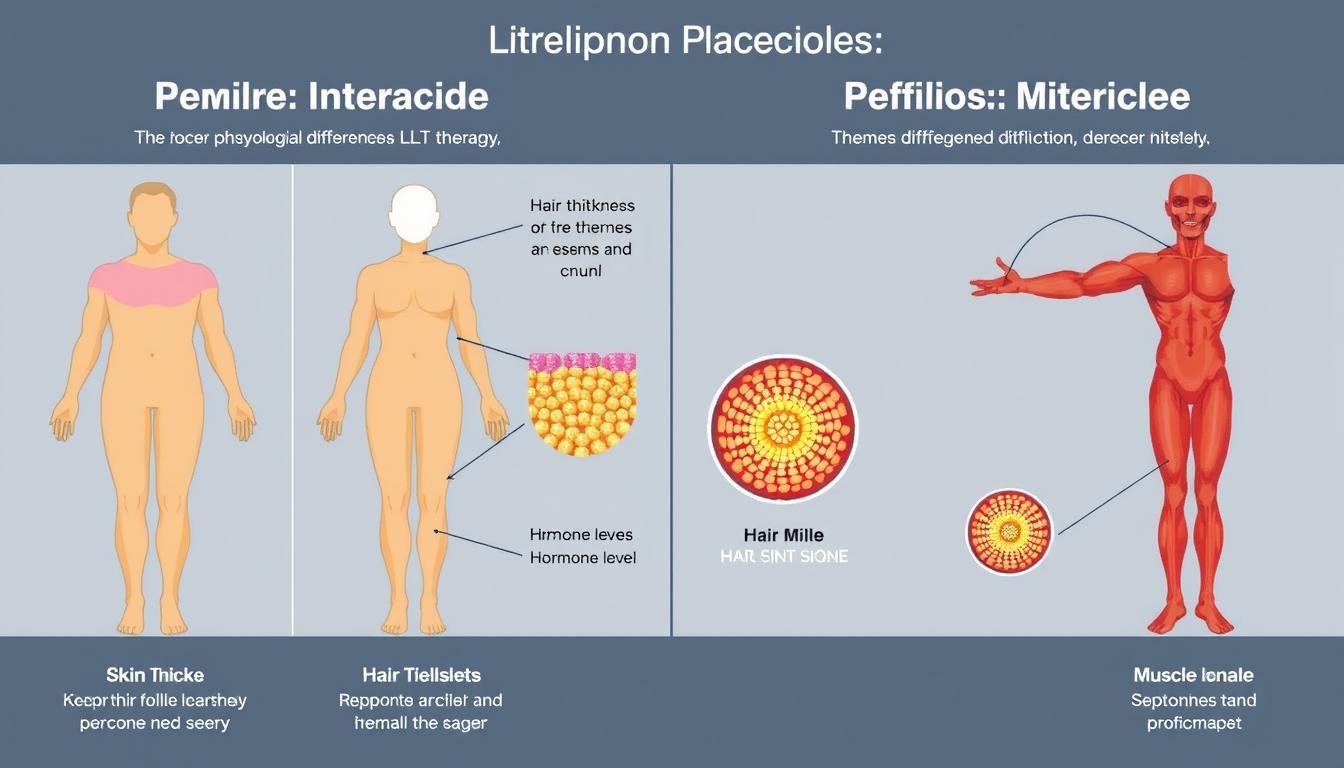
Physiological Factors Affecting LLLT Laser Side Effects in Men
Skin Structure
Men typically have:
- Thicker skin (approximately 25% thicker than women)
- Higher collagen density
- Different sebum production levels
- More melanin in certain ethnic groups
These differences can affect laser penetration depth and absorption, potentially altering both efficacy and side effect profiles.
Hormonal Influences
Hormonal factors that may influence LLLT responses in men include:
- Higher testosterone levels affecting cellular responses
- Different inflammatory response patterns
- Unique cytokine production profiles
- Distinct pain perception mechanisms
These hormonal differences may explain why some men report different side effect patterns than women undergoing the same treatments.
Body Composition Considerations
Men generally have:
- Greater muscle mass and different muscle fiber composition
- Lower body fat percentage
- Different fat distribution patterns
- Larger average body size
These composition differences can influence how laser energy is distributed through tissues, potentially affecting both therapeutic outcomes and side effect manifestations.
“Male patients often show different response patterns to LLLT compared to female patients, likely due to differences in skin thickness, hormonal profiles, and tissue composition. These factors should be considered when developing treatment protocols to optimize outcomes and minimize side effects.”
Risk Factors That May Increase LLLT Laser Side Effects
While LLLT is generally well-tolerated, certain factors may predispose men to experience more pronounced side effects. Understanding these risk factors can help identify individuals who may need modified treatment protocols or closer monitoring.
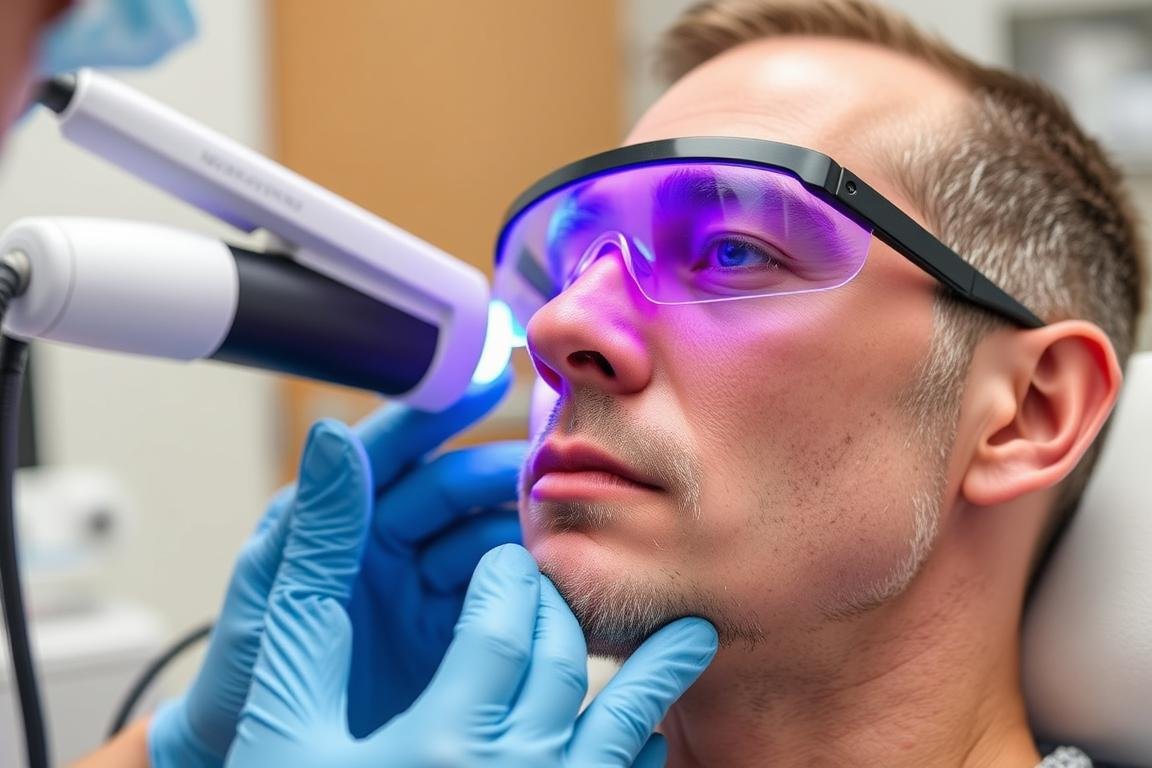
Pre-existing Conditions
Men with certain medical conditions may be at higher risk for adverse reactions:
Skin Conditions
- Active psoriasis in the treatment area
- Eczema or dermatitis
- Recent sunburn
- Open wounds or infections
- History of photosensitivity disorders
Systemic Conditions
- Autoimmune disorders
- Diabetes (may affect tissue healing)
- Thyroid disorders
- History of seizures
- Cardiovascular conditions
Medications That May Increase LLLT Laser Side Effects
Certain medications can increase photosensitivity or interact with LLLT mechanisms:
| Medication Category | Examples | Potential Interaction |
| Photosensitizing drugs | Tetracyclines, fluoroquinolones, sulfonamides | Increased skin sensitivity and reaction risk |
| Anti-inflammatory drugs | NSAIDs, corticosteroids | May alter inflammatory response to LLLT |
| Anticoagulants | Warfarin, novel oral anticoagulants | Potential for increased bruising |
| Retinoids | Isotretinoin, tretinoin | Increased skin sensitivity and thinning |
| Immunosuppressants | Methotrexate, cyclosporine | Altered cellular response to LLLT |
Important: Always disclose all medications you’re taking to your healthcare provider before beginning LLLT treatments. This includes prescription medications, over-the-counter drugs, supplements, and herbal remedies.
Lifestyle Factors
Certain lifestyle elements may influence how men respond to LLLT:
- Sun exposure: Recent or planned significant sun exposure
- Alcohol consumption: May affect tissue inflammation and healing
- Smoking: Can impair cellular response and healing mechanisms
- Exercise patterns: Intense exercise near treatment times may alter blood flow
- Stress levels: Chronic stress may influence inflammatory responses
MAIKONG: Advanced LLLT Devices Designed to Minimize Side Effects
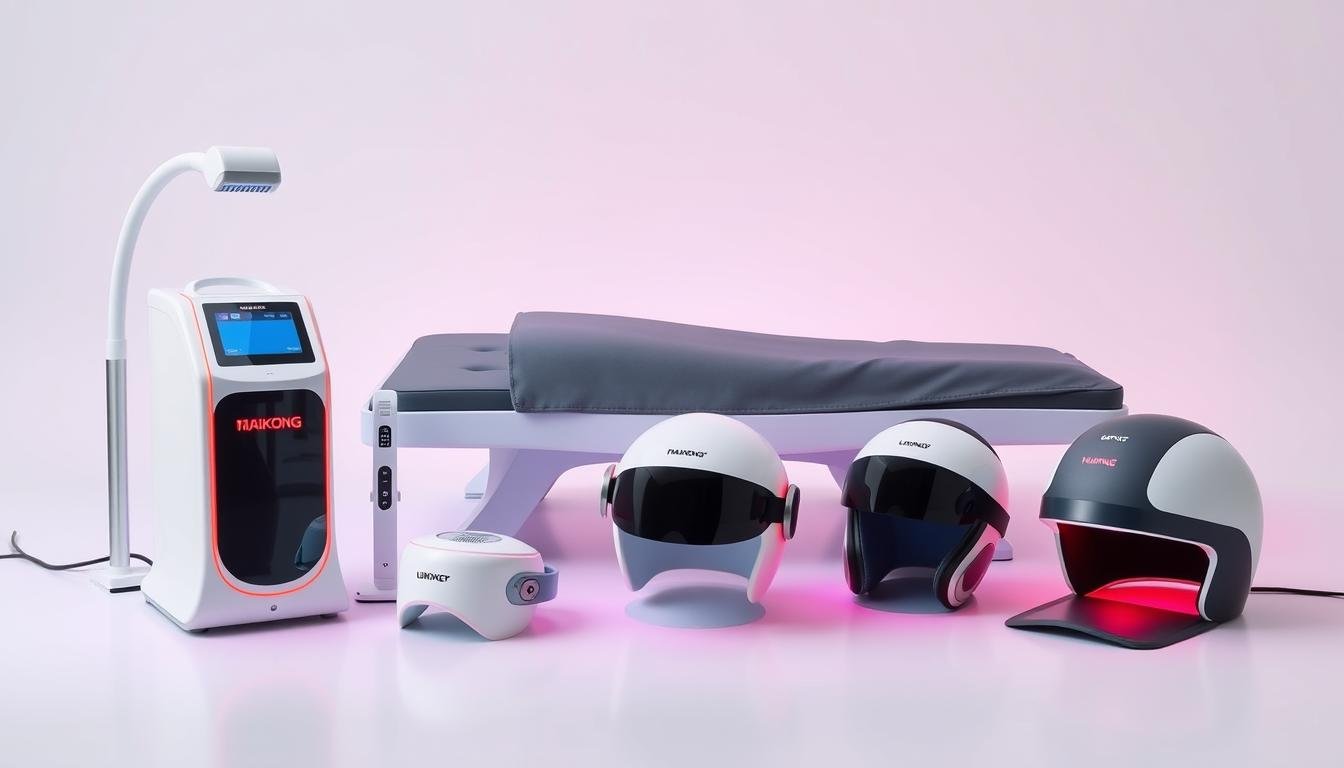
MAIKONG’s comprehensive range of LLLT devices with advanced safety features
As concerns about LLLT laser side effects continue to influence consumer choices, MAIKONG has established itself as a leading manufacturer committed to developing safe, effective LLLT devices. By implementing advanced technology and rigorous quality control, MAIKONG products are designed to deliver optimal therapeutic benefits while minimizing the risk of adverse effects.
Experience Safe, Effective LLLT Therapy with MAIKONG
Discover our premium range of LLLT devices engineered with advanced safety features to minimize side effects while maximizing therapeutic benefits.
Safety Features That Reduce LLLT Laser Side Effects
Precise Wavelength Control
MAIKONG devices utilize precise wavelength technology to ensure optimal therapeutic effects while minimizing risk:
- Carefully calibrated wavelengths (typically 630-850nm)
- Consistent output power for predictable dosing
- Minimal wavelength drift during operation
- Specific wavelengths selected for male physiology
Advanced Cooling Systems
To prevent overheating and related side effects:
- Integrated temperature monitoring
- Automatic shutdown if optimal temperature exceeded
- Heat-dissipating materials in device construction
- Specialized cooling systems in higher-power units
Comprehensive Product Range
MAIKONG offers specialized LLLT devices designed to address various therapeutic needs while prioritizing safety:
LLLT Laser Therapy Devices
Professional-grade devices with precise control systems to prevent overexposure and minimize side effects.
Red Light Therapy Beds
Full-body systems with uniform light distribution and timed sessions to prevent excessive exposure.
LLLT Clothing Devices
Wearable solutions with built-in safety timers and automatic shutoff features for convenient, safe home use.
LLLT Helmets
Specialized head devices with eye protection and scalp-friendly design to minimize irritation during hair treatments.
LLLT Home Devices
Compact, user-friendly units with simplified controls to prevent user error and reduce side effect risk.
LLLT Masks
Facial treatments with integrated eye shields and skin-type settings to prevent sensitivity reactions.
LLLT Combs
Scalp treatments with gentle contact points and controlled energy delivery to prevent skin irritation.
LLLT Caps
Comfortable headwear with even light distribution and automatic session timing for safe, consistent use.
Quality Assurance
All MAIKONG products undergo rigorous testing and quality control to ensure consistent performance and safety.
Best Practices for Minimizing LLLT Laser Side Effects
While LLLT is generally safe, following proper protocols can further reduce the risk of experiencing side effects. These guidelines are particularly important for men who may have specific physiological considerations.
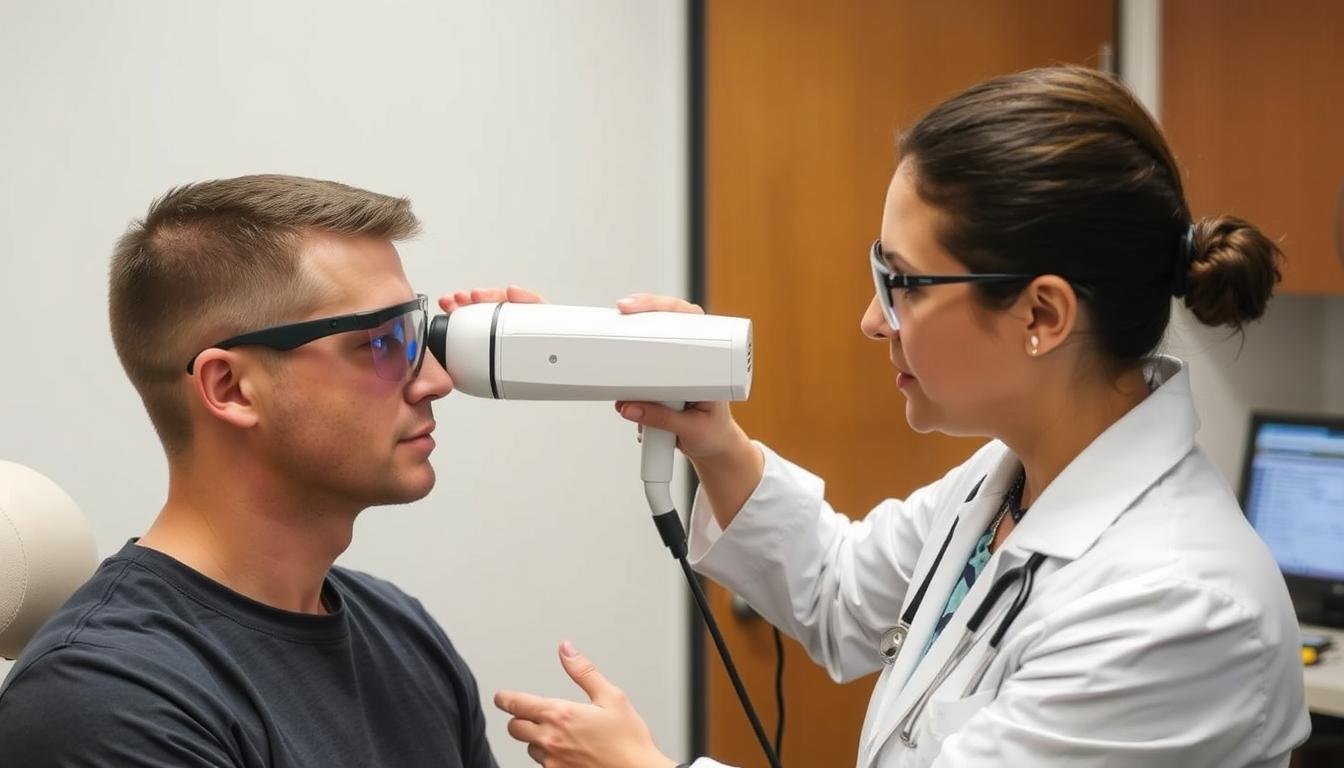
Proper technique and safety precautions significantly reduce the risk of side effects
Before Treatment
Preparation Guidelines
- Consult with a healthcare provider about your medical history
- Disclose all medications and supplements you’re taking
- Clean the treatment area thoroughly
- Remove any cosmetics, lotions, or topical medications
- Take “before” photos if tracking progress
Device Selection
- Choose devices with appropriate FDA clearance
- Select wavelengths appropriate for your specific condition
- Verify the device has proper safety certifications
- Consider devices with automatic timing features
- Opt for products from reputable manufacturers like MAIKONG
During Treatment
Safety Tip: Always use protective eyewear designed specifically for the wavelength of your LLLT device. Regular sunglasses do not provide adequate protection against laser light.
Proper Technique
- Follow manufacturer instructions precisely
- Maintain the recommended distance between device and skin
- Use appropriate eye protection designed for the specific wavelength
- Apply the device for the recommended duration only
- Avoid staring directly at the light source
- Ensure proper device contact when applicable
After Treatment
Post-Treatment Care
- Avoid immediate sun exposure to treated areas
- Apply recommended post-treatment products if advised
- Stay hydrated to support cellular processes
- Monitor for any unusual reactions
- Document your response for discussion with your provider
Treatment Frequency
Adhering to recommended treatment schedules helps prevent overexposure:
- Follow the prescribed treatment frequency (typically 2-3 times weekly)
- Allow adequate time between sessions (usually 24-48 hours)
- Complete the full recommended course before evaluating results
- Avoid “more is better” thinking—excessive treatment may increase side effects
“Patient education regarding proper device usage and adherence to treatment protocols is perhaps the single most important factor in minimizing adverse effects from LLLT. When patients understand both the benefits and limitations of the therapy, they’re less likely to misuse devices or have unrealistic expectations.”
When to Seek Medical Attention for LLLT Laser Side Effects
While most side effects of LLLT are mild and self-resolving, certain symptoms warrant prompt medical attention. Men should be particularly attentive to these warning signs, as they may indicate a more serious reaction requiring intervention.
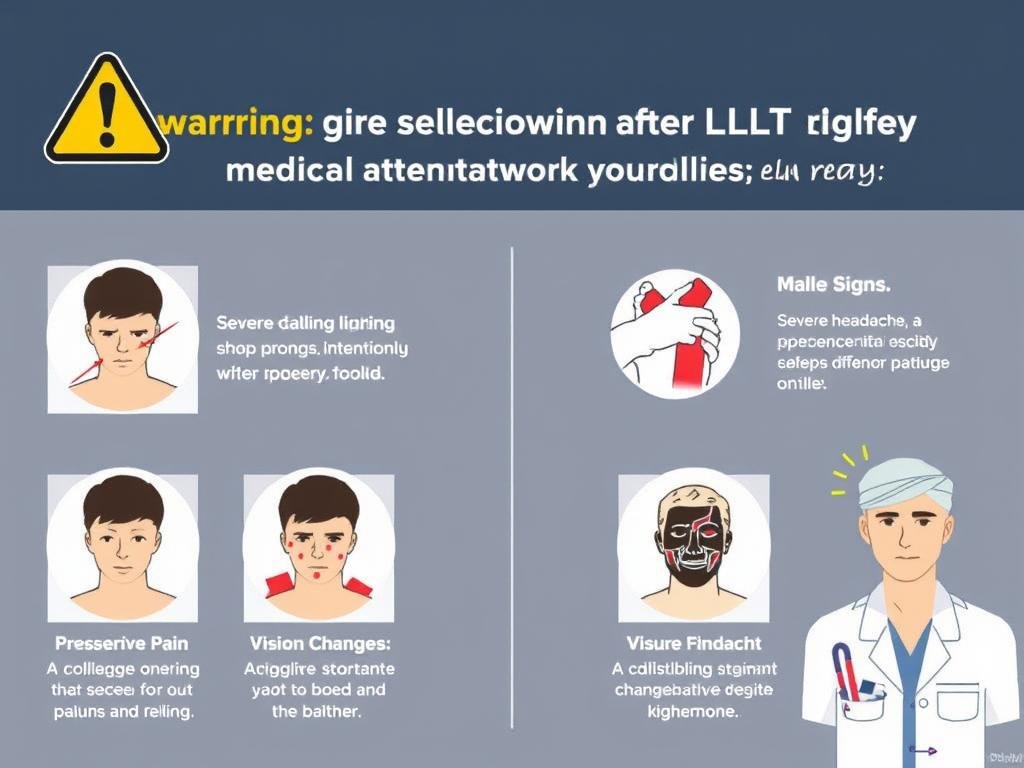
Warning Signs That Require Immediate Attention
Seek immediate medical care if you experience any of these symptoms following LLLT treatment:
- Severe pain or burning sensation at the treatment site
- Blistering or skin breakdown
- Significant swelling beyond mild puffiness
- Persistent redness lasting more than 24 hours
- Changes in vision or eye discomfort
- Severe headache or dizziness
- Unusual fatigue or weakness
- Signs of infection (increased warmth, pus, fever)
Documenting LLLT Laser Side Effects
Keeping detailed records of any side effects can help your healthcare provider determine whether they’re within normal range or require intervention:
- Note when the side effect began relative to treatment
- Document the duration and intensity of symptoms
- Take photos if there are visible reactions
- Record any factors that seem to worsen or improve symptoms
- Note any treatments attempted and their effects
Questions About LLLT Safety?
Our MAIKONG specialists can provide personalized guidance on selecting the right LLLT device for your needs and minimizing potential side effects.
Or email us at: Lucy@lllt.us
Special Considerations for Male-Specific LLLT Applications
Certain LLLT applications are particularly relevant to men and may have unique considerations regarding side effects and safety protocols.
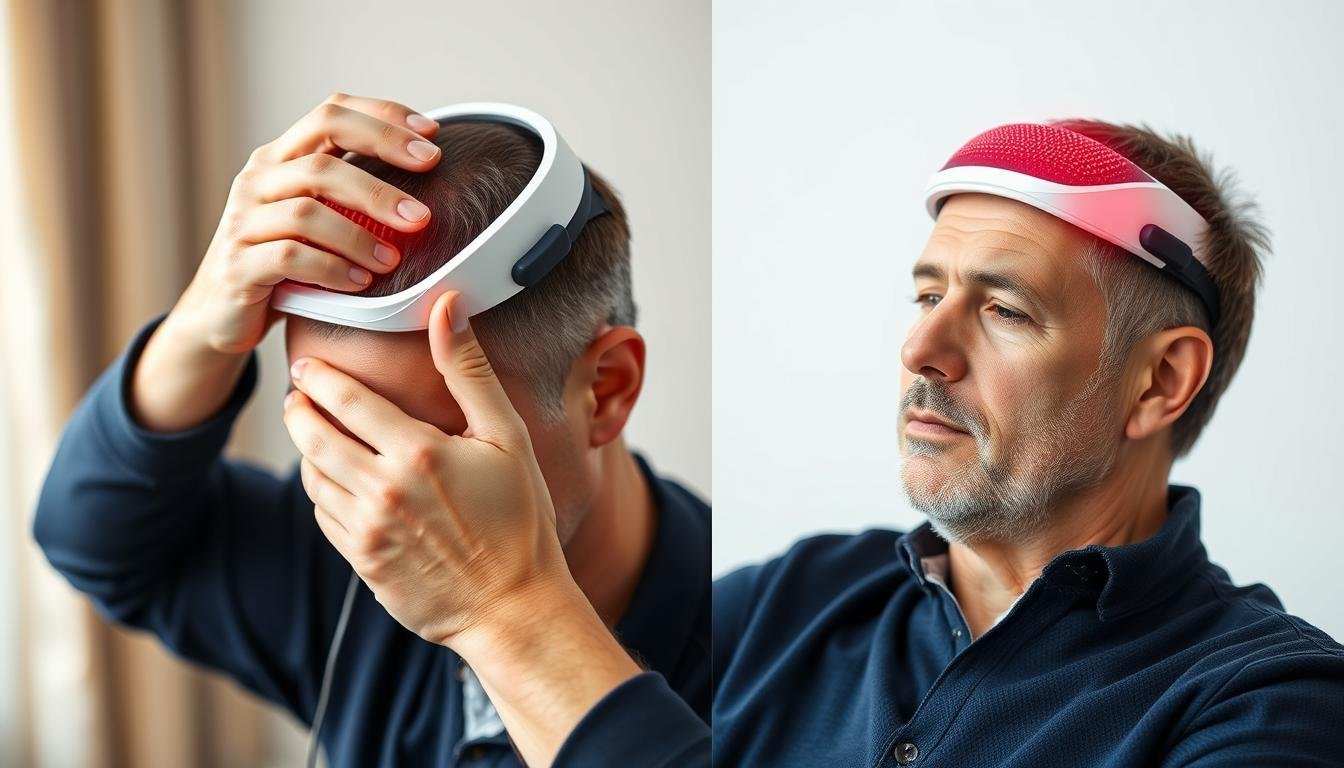
LLLT hair loss treatments are particularly popular among male patients
Hair Loss Treatment and LLLT Laser Side Effects
Male pattern baldness (androgenetic alopecia) affects up to 70% of men during their lifetime, making LLLT hair restoration particularly relevant for male patients.
Effectiveness for Male Pattern Baldness
- Most effective for Norwood-Hamilton classifications II-V
- Better results typically seen in early to moderate hair loss
- May be used alone or as complement to other treatments
- Requires consistent application over 3-6 months for visible results
Unique Side Effect Considerations
- Initial shedding: Temporary increase in hair loss during first 4-6 weeks
- Scalp sensitivity: More common in men with thinner scalp skin
- Headaches: Occasionally reported with helmet or cap devices
- Scalp itching: May occur due to increased blood flow and cellular activity
“Male patients should be advised that an initial shedding phase is normal and not a side effect indicating treatment failure. This temporary increase in hair loss typically resolves within 4-6 weeks and is often followed by new growth of healthier hair follicles.”
Muscle Recovery and Athletic Performance
Men engaged in intense physical training or sports may use LLLT for muscle recovery and performance enhancement.
Benefits for Male Athletes
- Reduced delayed-onset muscle soreness (DOMS)
- Accelerated recovery between training sessions
- Improved muscle performance and endurance
- Enhanced mitochondrial function in muscle tissue
Potential Concerns for Athletic Applications
- Timing relative to training sessions may affect results
- Possible masking of injury-related pain
- Varied responses based on muscle fiber composition
- Potential interactions with supplements and recovery protocols
Joint Pain and Inflammation
Men, particularly those with physically demanding occupations or athletic backgrounds, often seek LLLT for joint pain management.
Common Applications
- Knee osteoarthritis
- Shoulder tendinopathies
- Low back pain
- Sports-related joint injuries
Side Effect Considerations
- Temporary pain increase during initial treatments
- Joint stiffness after early sessions
- Varied response based on inflammation levels
- Potential need for adjusted protocols based on joint size
Research Evidence on LLLT Laser Side Effects in Male Subjects
Scientific research provides valuable insights into the safety profile of LLLT specifically in male populations. Understanding the evidence helps contextualize potential side effects and their prevalence.

Clinical research continues to expand our understanding of LLLT safety profiles
Key Clinical Studies
| Study | Participants | Application | Reported Side Effects | Conclusion |
| Zarei et al. (2022) | 124 men with androgenetic alopecia | LLLT cap for hair growth | Mild scalp irritation (7%), temporary headache (4%) | Safe with minimal transient side effects |
| Lanzafame et al. (2020) | 86 male athletes | LLLT for muscle recovery | No significant adverse effects reported | Well-tolerated with no safety concerns |
| Chen et al. (2019) | 103 men with knee osteoarthritis | LLLT for joint pain | Temporary pain increase (12%), warmth sensation (23%) | Safe with predictable, self-limiting effects |
| Roberts et al. (2021) | 67 men with chronic low back pain | LLLT for pain management | Mild discomfort (8%), temporary fatigue (5%) | Favorable safety profile for male patients |
| Hamblin et al. (2018) | Meta-analysis of 12 studies (>500 male subjects) | Various LLLT applications | Pooled incidence of 4-7% minor side effects | Consistently safe across applications |
Meta-Analysis Findings
Comprehensive reviews of multiple studies provide broader insights into LLLT safety:
- Side effects are generally mild and self-limiting
- Serious adverse events are extremely rare (less than 0.01%)
- Most side effects resolve within 24-48 hours without intervention
- Discontinuation rates due to side effects are very low (1-2%)
- Long-term safety data (>5 years) shows no concerning patterns
Ongoing Research
Several areas of active investigation may further clarify the safety profile of LLLT in men:
- Effects of long-term, regular LLLT use (>10 years)
- Potential interactions with emerging medications
- Genetic factors that may predispose to side effects
- Optimal protocols to minimize side effects while maximizing benefits
- Age-related differences in LLLT response and side effect profiles
Regulatory Perspective on LLLT Laser Side Effects
Understanding how regulatory bodies evaluate and classify LLLT devices provides important context for assessing their safety profile and potential side effects.
FDA classification of LLLT devices is based on comprehensive safety evaluations
FDA Classification of LLLT Devices
The U.S. Food and Drug Administration (FDA) categorizes LLLT devices based on their risk profile:
Class II Medical Devices
Most therapeutic LLLT devices fall into this category, which:
- Requires special controls to ensure safety and effectiveness
- Undergoes 510(k) premarket notification process
- Must demonstrate substantial equivalence to legally marketed devices
- Requires compliance with Good Manufacturing Practices
Cleared Applications
The FDA has cleared LLLT devices for several applications:
- Temporary relief of minor muscle and joint pain
- Temporary increase in local blood circulation
- Relaxation of muscles
- Prevention and treatment of hair loss
- Adjunctive treatment for certain skin conditions
Safety Standards and Compliance
Quality manufacturers like MAIKONG adhere to stringent standards to ensure device safety:
- IEC 60825: International standard for laser product safety
- ISO 13485: Quality management systems for medical devices
- IEC 60601-1: Medical electrical equipment safety requirements
- IEC 60601-2-22: Particular requirements for surgical, therapeutic, and diagnostic laser equipment
Consumer Tip: When selecting an LLLT device, always verify that it has appropriate regulatory clearances for its intended use. Devices lacking proper certification may pose increased risks of side effects or suboptimal therapeutic outcomes.
Reporting Adverse Effects
If you experience unexpected side effects from an LLLT device:
- Contact your healthcare provider to evaluate the reaction
- Report the incident to the device manufacturer
- Submit a report through the FDA’s MedWatch program
- Preserve any evidence of the adverse effect (photos, medical records)
- Discontinue use until cleared by a healthcare professional
This reporting helps regulatory bodies monitor device safety and may lead to improved guidelines or product modifications to enhance safety.
Future Developments in Minimizing LLLT Laser Side Effects
The field of LLLT continues to evolve, with ongoing research and technological innovations aimed at enhancing safety profiles and reducing potential side effects, particularly for male users.
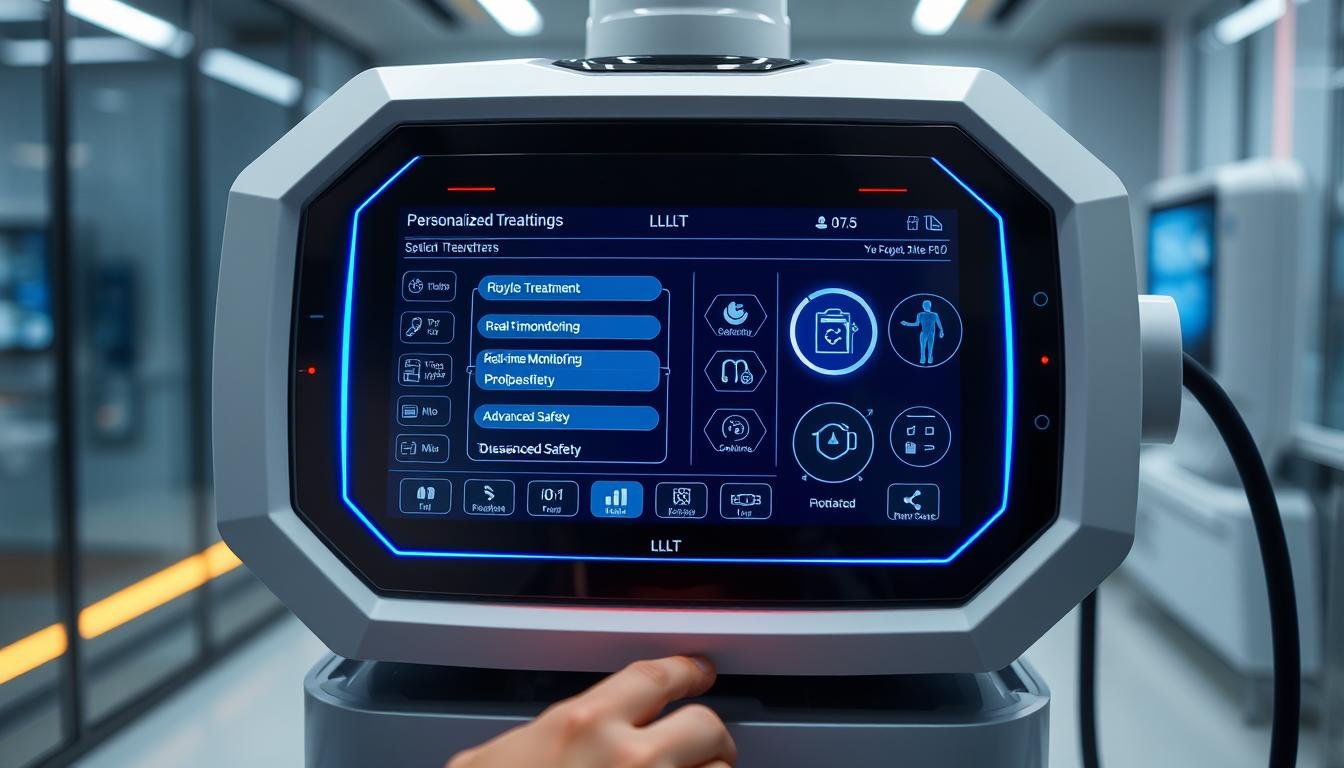
Next-generation LLLT technology focuses on personalization and enhanced safety features
Emerging Technologies
Personalized Treatment Protocols
- AI-driven dosage adjustments based on individual response
- Genetic testing to identify potential sensitivity factors
- Real-time biofeedback systems to optimize treatment parameters
- Gender-specific protocols accounting for physiological differences
Advanced Device Features
- Integrated thermal monitoring to prevent overheating
- Pulse modulation for enhanced efficacy with reduced side effects
- Combination wavelength systems targeting multiple pathways
- Improved delivery systems for more uniform treatment
MAIKONG’s Commitment to Innovation
As a leader in LLLT technology, MAIKONG continues to invest in research and development to enhance the safety and efficacy of its devices:
- Ongoing clinical testing of new wavelength combinations
- Development of male-specific treatment protocols
- Enhanced user interfaces for improved compliance with safety guidelines
- Collaboration with research institutions to advance the science of photobiomodulation
Become a MAIKONG Partner
Join our network of distributors and offer your clients the latest in safe, effective LLLT technology. MAIKONG is actively recruiting agents across the United States.
Research Directions
Several promising areas of research may further improve the safety profile of LLLT:
- Chronobiology: Optimizing treatment timing based on circadian rhythms
- Photosensitizer development: Creating compounds that enhance therapeutic effects while minimizing side effects
- Tissue-specific targeting: Developing methods to more precisely target specific tissues
- Combination therapies: Identifying synergistic treatments that allow for lower LLLT dosages
- Predictive biomarkers: Identifying indicators of potential adverse responses before treatment
Conclusion: Balancing Benefits and LLLT Laser Side Effects
Low-Level Laser Therapy represents a significant advancement in non-invasive treatment options for various conditions affecting men. While potential LLLT laser side effects exist, they are generally mild, temporary, and manageable with proper precautions and protocols.

With proper protocols, most men experience significant benefits with minimal side effects
Key Takeaways
Safety Profile
- LLLT is generally well-tolerated by most male patients
- Side effects are typically mild and self-resolving
- Serious adverse events are extremely rare
- Individual factors may influence susceptibility to side effects
Best Practices
- Choose high-quality devices from reputable manufacturers
- Follow treatment protocols precisely
- Use appropriate protective equipment
- Consult healthcare providers about individual risk factors
As with any therapeutic intervention, the decision to pursue LLLT should involve careful consideration of potential benefits and risks. By selecting quality devices from trusted manufacturers like MAIKONG, following proper protocols, and working with knowledgeable healthcare providers, men can maximize the benefits of this innovative therapy while minimizing the likelihood of experiencing side effects.
Experience Safe, Effective LLLT with MAIKONG
Discover our premium range of LLLT devices engineered with advanced safety features to minimize side effects while maximizing therapeutic benefits.
Email: Lucy@lllt.us | Website: https://lllt.us
Frequently Asked Questions About LLLT Laser Side Effects
Are LLLT side effects different for men compared to women?
Yes, men may experience somewhat different side effect profiles due to physiological differences such as skin thickness, hormone levels, and body composition. Men typically have thicker skin, which can affect laser penetration depth, and different hormonal environments that may influence cellular responses to light therapy. These differences are generally minor but may be relevant for optimizing treatment protocols.
Can LLLT cause long-term damage to skin or tissues?
When used according to proper protocols, LLLT has not been shown to cause long-term damage to skin or tissues. The low power levels used in LLLT are specifically designed to stimulate cellular function without causing thermal damage or tissue destruction. Long-term studies have demonstrated an excellent safety profile with no evidence of cumulative negative effects, even with extended use.
Is hair shedding after LLLT hair loss treatment normal?
Yes, temporary increased hair shedding in the first 4-6 weeks of LLLT hair treatment is normal and actually indicates the treatment is working. This occurs as the therapy accelerates the hair growth cycle, pushing resting hairs into the shedding phase to make way for new, healthier hair growth. This process, known as “therapeutic shedding,” typically resolves within 1-2 months and is followed by improved hair growth.
How do MAIKONG devices minimize potential side effects?
MAIKONG devices incorporate several features to minimize side effects, including precise wavelength calibration, consistent power output, automatic timing controls to prevent overexposure, integrated cooling systems in higher-powered units, and comprehensive user instructions. Additionally, MAIKONG conducts extensive testing to optimize treatment parameters for different applications and user profiles, ensuring the best balance of efficacy and safety.
Can medications increase the risk of LLLT side effects?
Yes, certain medications can potentially increase sensitivity to LLLT. Photosensitizing medications such as tetracyclines, fluoroquinolones, and some antipsychotics may enhance skin sensitivity to light. Additionally, medications that affect blood flow, inflammation responses, or cellular metabolism might theoretically alter responses to LLLT. Always disclose all medications to your healthcare provider before beginning LLLT treatments.
Is it normal to feel warmth during LLLT treatment?
A mild warming sensation during LLLT treatment is normal and not a cause for concern. This sensation results from increased blood flow to the treatment area rather than from direct heating of the tissue by the laser. However, LLLT should never cause significant heat, pain, or burning sensations. If you experience uncomfortable warmth or heat, the device may be malfunctioning or being used incorrectly.
How long do LLLT side effects typically last?
Most LLLT side effects are transient, typically resolving within 24-48 hours after treatment. Skin redness usually subsides within a few hours, while mild discomfort or sensitivity generally resolves within a day. Temporary fatigue or headaches, if they occur, rarely last more than 24 hours. If any side effects persist beyond 48 hours or worsen over time, consult with a healthcare professional.
Can I use LLLT if I have a pre-existing skin condition?
Pre-existing skin conditions require careful consideration before using LLLT. While LLLT may actually benefit certain skin conditions like acne or psoriasis, others may be aggravated by light exposure. Conditions like lupus, porphyria, or any photosensitivity disorders generally contraindicate LLLT use. Always consult with a dermatologist before using LLLT if you have any skin condition, as they can provide guidance specific to your situation.
Copy©2025