LLLT Therapy Device

What Is Low-Level Laser Therapy and How Does It Work?
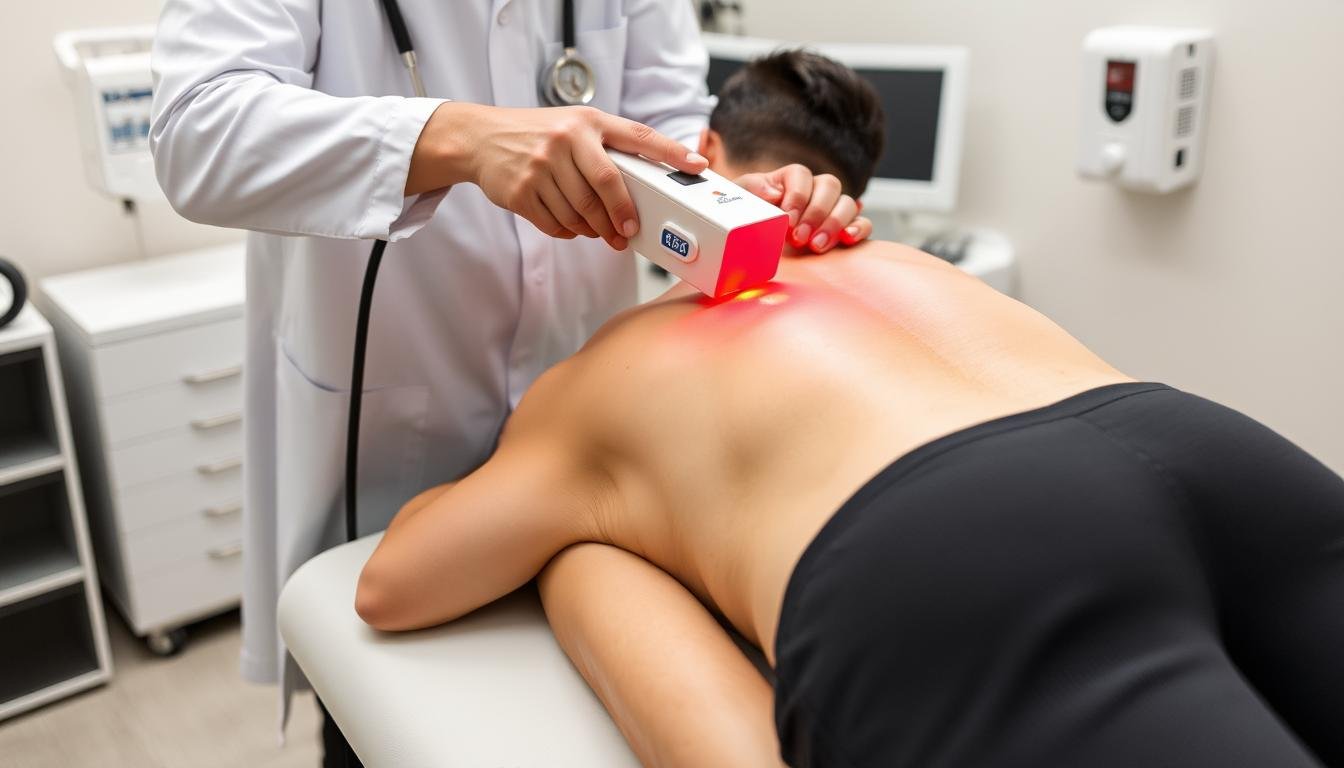
Before diving into LLLT laser side effects, it’s important to understand the therapy itself. Low-Level Laser Therapy, also known as cold laser therapy or photobiomodulation, uses low-power lasers or light-emitting diodes (LEDs) to stimulate cellular function and promote healing without generating heat that could damage tissue.
Low-Level Laser Therapy in clinical application – MAIKONG LLLT device in use
LLLT works primarily through photochemical reactions rather than thermal effects. When the light energy is absorbed by cellular chromophores, particularly in the mitochondria, it triggers a series of biochemical events that enhance ATP production, modulate reactive oxygen species, and activate transcription factors. These processes lead to increased cell proliferation, reduced inflammation, and accelerated tissue repair.
The effectiveness of LLLT depends on several parameters, including wavelength (typically 600-1000nm), power density, energy density, treatment duration, and the specific condition being treated. Different wavelengths penetrate tissues to varying depths and interact with different cellular components, making proper device selection crucial for both efficacy and safety.
Common LLLT Laser Side Effects and Their Mechanisms
While LLLT is generally well-tolerated, some users may experience mild side effects. Understanding these common reactions can help patients distinguish between normal responses and concerning symptoms that might require medical attention.
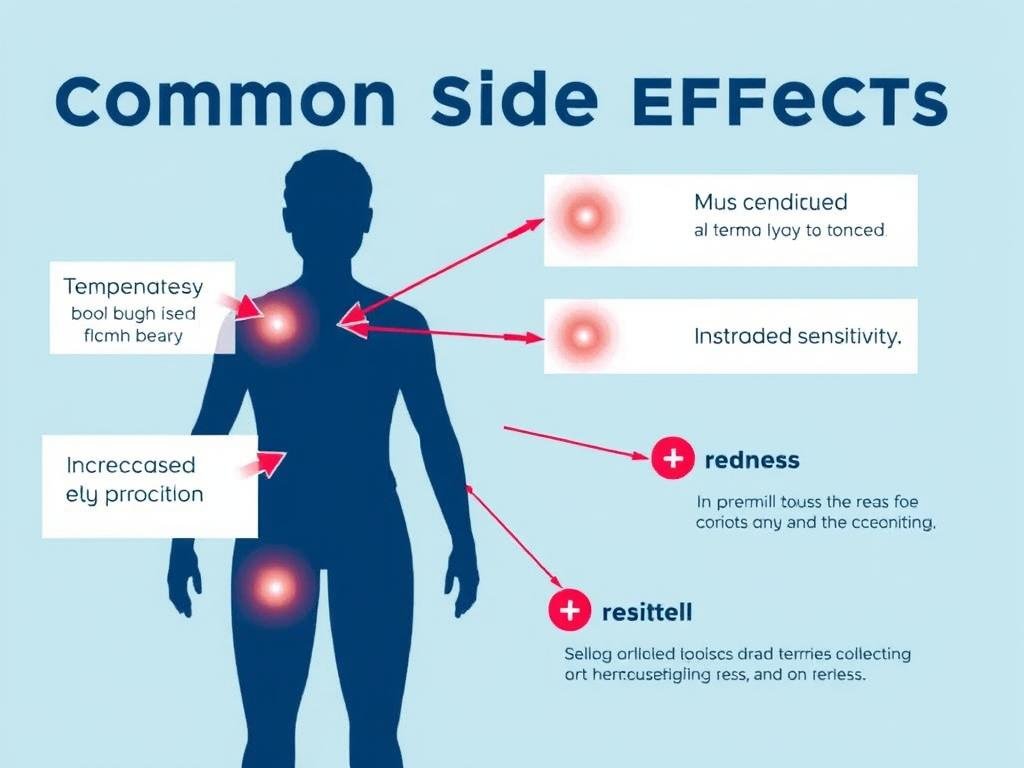
Common side effects associated with LLLT treatments
Temporary Skin Reactions
The most frequently reported LLLT laser side effects involve the skin and are typically mild and transient:
- Redness (Erythema): Temporary redness at the treatment site is common and usually subsides within a few hours. This occurs due to increased blood flow (vasodilation) in the treated area, which is actually part of the therapeutic effect.
- Mild Warmth or Tingling: Some patients report a warm sensation or slight tingling during or shortly after treatment. This is typically due to increased circulation and neural stimulation rather than thermal damage.
- Skin Sensitivity: Increased sensitivity in the treated area may occur but typically resolves quickly. This can be related to temporary changes in nerve sensitivity following photobiomodulation.
- Itching: Occasional itching may occur as blood flow increases to the area, bringing more immune cells that release histamine as part of the healing process.
Temporary Fatigue
Some patients report feeling tired after LLLT sessions, particularly when large areas are treated. This is believed to be related to the body’s increased cellular activity and healing processes, which require energy. This fatigue is generally mild and short-lived, resolving within 24 hours.
Initial Pain Increase
In some cases, particularly when treating chronic pain conditions, patients may experience a temporary increase in pain following the first few LLLT sessions. This phenomenon, sometimes called a “healing crisis” or “therapeutic aggravation,” typically resolves within 24-48 hours and is often followed by significant improvement. It may be related to increased circulation to previously hypoxic tissues and the reactivation of healing processes.
Rare LLLT Laser Side Effects That Require Attention
While serious adverse effects from properly administered LLLT are extremely rare, certain uncommon reactions have been reported in scientific literature and clinical practice. These rare LLLT laser side effects warrant attention and may require medical consultation.
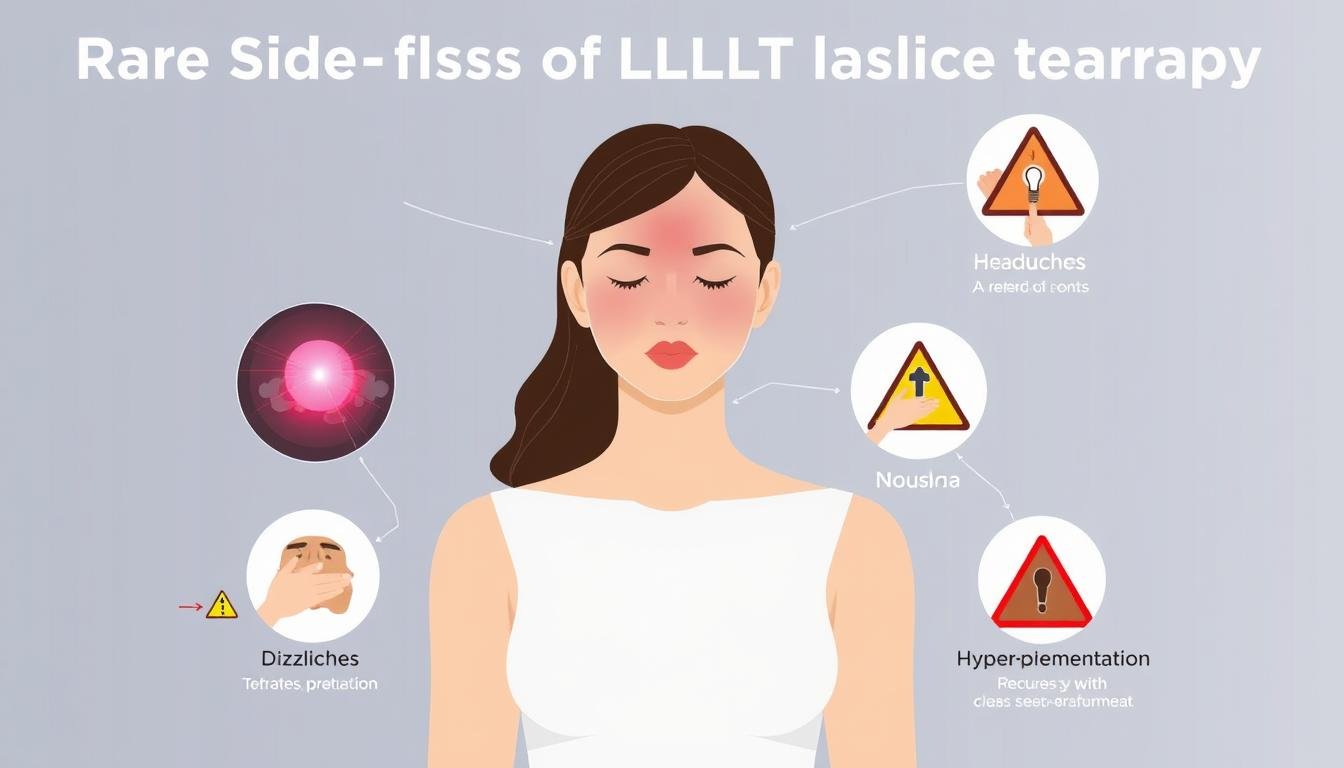
Rare side effects that may require medical consultation
Photosensitivity Reactions
Individuals taking photosensitizing medications or with conditions that increase sensitivity to light may experience more pronounced reactions to LLLT. These can include:
- Severe Erythema: Intense redness that persists longer than expected
- Blistering: Fluid-filled blisters at the treatment site
- Burning Sensation: Intense discomfort beyond mild warmth
These reactions are more common when proper screening for photosensitizing medications has not been conducted prior to treatment.
Pigmentation Changes
In rare cases, LLLT may trigger changes in skin pigmentation:
- Hyperpigmentation: Darkening of the treated area, more common in individuals with darker skin tones
- Hypopigmentation: Lightening of the treated area, which may be more noticeable in darker skin
These changes are typically temporary but may persist for weeks or months in some cases. They appear to be related to the effect of light on melanocytes and their activity.
Headaches and Dizziness
Some patients report headaches or dizziness following LLLT, particularly when treatment is applied near the head or neck. These symptoms are usually mild and transient but may be related to:
- Changes in cerebral blood flow
- Stimulation of neural pathways
- Autonomic nervous system responses
Nausea
Rarely, patients may experience mild nausea during or after LLLT sessions. This is more commonly reported with treatments near the head, neck, or upper abdomen and may be related to autonomic nervous system responses or vestibular stimulation.
Important: If you experience severe or persistent side effects following LLLT treatment, discontinue use and consult a healthcare professional immediately. While rare, these reactions may indicate an underlying condition or inappropriate treatment parameters.
Scientific Explanation of Why LLLT Laser Side Effects Occur
Understanding the biological mechanisms behind LLLT laser side effects can help practitioners minimize risks and optimize treatment protocols. These effects are primarily related to the photochemical reactions triggered by light absorption in cellular chromophores.
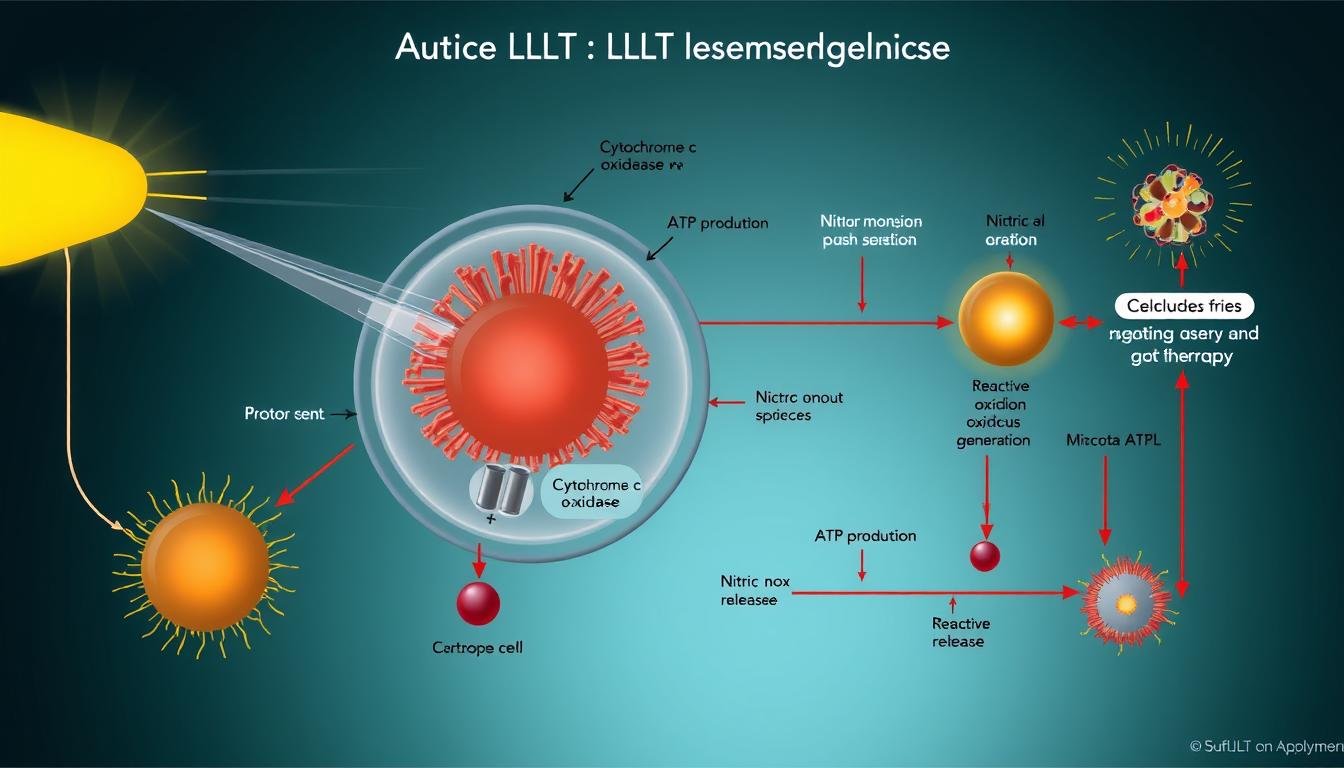
Cellular mechanisms of LLLT and potential pathways for side effects
Reactive Oxygen Species (ROS) Generation
LLLT stimulates the production of reactive oxygen species in a controlled manner, which serves as signaling molecules for cellular processes. However, excessive ROS production can potentially lead to oxidative stress and tissue damage. This delicate balance explains why:
- Proper dosing is critical to achieve therapeutic effects without adverse reactions
- Individuals with compromised antioxidant systems may be more susceptible to side effects
- Certain wavelengths and power densities may produce more pronounced effects
Nitric Oxide Release
LLLT causes photodissociation of nitric oxide from cytochrome c oxidase, increasing local NO levels. While beneficial for vasodilation and tissue healing, excessive NO can contribute to:
- Headaches through vasodilation of cerebral blood vessels
- Dizziness due to blood pressure changes
- Skin redness and warmth from peripheral vasodilation
Altered Cell Proliferation Rates
LLLT enhances cell proliferation, which is beneficial for tissue repair but may theoretically affect conditions where cell proliferation should be controlled. This is why LLLT is typically contraindicated for:
- Active cancer sites
- Certain thyroid conditions
- Areas with suspicious lesions
Photosensitization Mechanisms
Some medications and substances increase sensitivity to light by:
- Absorbing photons and transferring energy to oxygen, creating singlet oxygen
- Directly generating free radicals upon light exposure
- Altering cellular response to light exposure
This explains why medication screening is essential before LLLT treatment and why some individuals may experience more pronounced reactions than others.
“The biphasic dose response observed in LLLT (where too little energy has no effect and too much energy has inhibitory effects) explains why some patients may experience different side effects at varying treatment parameters.”
Risk Factors That May Increase LLLT Laser Side Effects
Certain factors can increase the likelihood or severity of experiencing LLLT laser side effects. Understanding these risk factors can help practitioners screen patients appropriately and modify treatment protocols when necessary.
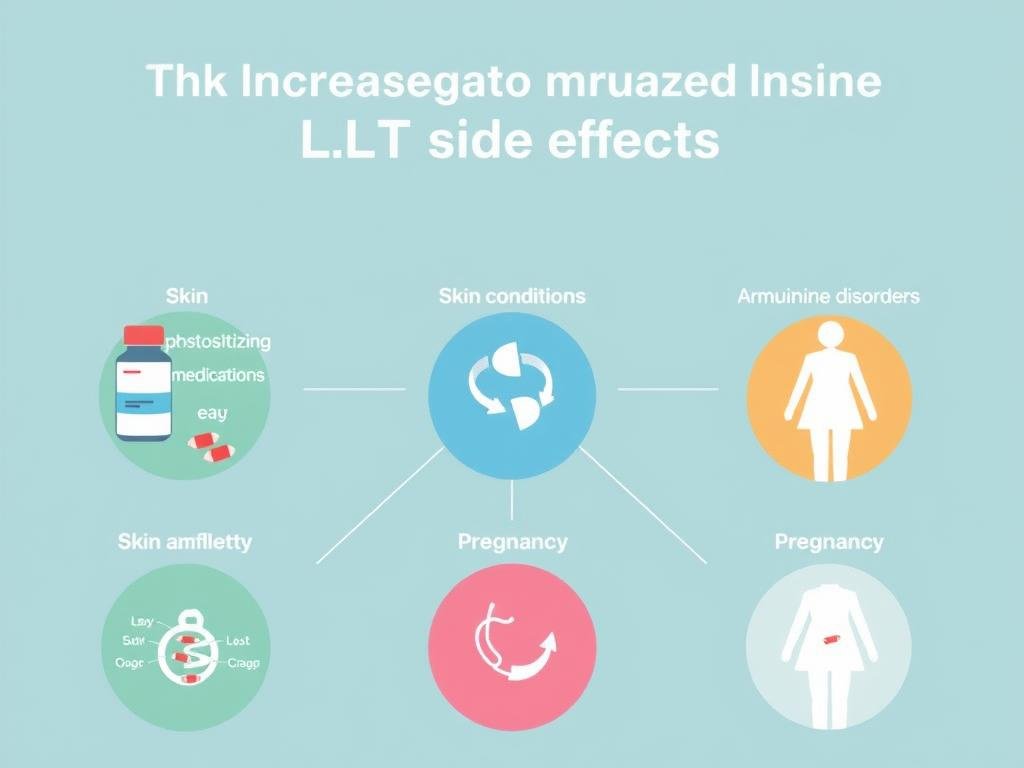
Risk factors that may increase susceptibility to LLLT side effects
Medications and Supplements
Several medications and supplements can increase photosensitivity:
| Category | Examples | Potential Interaction |
| Antibiotics | Tetracyclines, fluoroquinolones | Increased skin sensitivity to light |
| Antifungals | Griseofulvin | Photosensitivity reactions |
| Antihistamines | Diphenhydramine, cetirizine | Mild photosensitivity |
| Diuretics | Hydrochlorothiazide, furosemide | Increased risk of photosensitivity |
| Retinoids | Isotretinoin, tretinoin | Significant increase in skin sensitivity |
| Supplements | St. John’s Wort, kava | May enhance photosensitivity |
Pre-existing Conditions
Certain medical conditions may increase the risk of side effects:
- Autoimmune Disorders: Conditions like lupus or scleroderma may be associated with photosensitivity
- Skin Conditions: Eczema, psoriasis, or rosacea may be exacerbated by light therapy in some cases
- Epilepsy: Pulsed light therapies may potentially trigger seizures in susceptible individuals
- Thyroid Conditions: May affect cellular response to photobiomodulation
Skin Type and Pigmentation
Individual variations in skin type can influence response to LLLT:
- Darker skin tones (Fitzpatrick types V-VI) may absorb more light energy in the epidermis
- Very fair skin (Fitzpatrick type I) may be more prone to erythema
- History of abnormal scarring or hyperpigmentation may indicate increased risk
Treatment Parameters
Inappropriate treatment parameters significantly increase the risk of side effects:
- Excessive power density or energy density
- Treatment duration beyond recommended protocols
- Inappropriate wavelength selection for the condition or tissue depth
- Treatment frequency that doesn’t allow adequate cellular recovery
MAIKONG Safety Advantage: MAIKONG LLLT devices are engineered with precise parameter controls and safety mechanisms to minimize the risk of side effects. Our devices include automatic treatment time controls, optimal power density settings, and wavelength specificity for different applications.
Comparing LLLT Laser Side Effects Across Different Devices
Not all LLLT devices are created equal. The incidence and severity of LLLT laser side effects can vary significantly depending on device type, quality, and specific parameters. Understanding these differences can help practitioners and patients make informed choices.

Comparison of different LLLT device types and their side effect profiles
Device Types and Their Risk Profiles
| Device Type | Common Applications | Typical Side Effect Profile | Risk Level |
| Professional Clinical Lasers | Pain management, wound healing, rehabilitation | Minimal when properly administered by trained professionals | Low (with proper training) |
| Home-Use Handheld Devices | Pain relief, skin treatments | Variable depending on quality and user adherence to guidelines | Low to Moderate |
| LLLT Helmets/Caps | Hair regrowth | Typically mild; occasional scalp sensitivity or headaches | Low |
| LLLT Masks | Facial rejuvenation, acne treatment | Potential for eye exposure if not properly shielded | Low (with proper eye protection) |
| LLLT Beds/Panels | Full-body treatments, general wellness | Larger treatment area may increase likelihood of mild reactions | Low to Moderate |
| MAIKONG Professional Devices | Multiple therapeutic applications | Engineered with safety features to minimize adverse effects | Very Low |
Key Parameters Affecting Side Effect Risk
Wavelength
Different wavelengths penetrate to varying depths and interact with different chromophores:
- Red light (630-660nm): Primarily affects superficial tissues
- Near-infrared (810-850nm): Penetrates deeper with different cellular targets
- Combination wavelengths: May have synergistic effects but also more complex risk profiles
Power Density
The concentration of power per unit area significantly impacts safety:
- Too low: Insufficient for therapeutic effect
- Optimal range: Therapeutic without adverse effects
- Too high: Potential for thermal effects and increased side effects
Pulsing vs. Continuous Wave
The delivery method of light energy affects cellular response:
- Continuous wave: More predictable heating effects
- Pulsed: May allow higher peak powers with less heat accumulation
- Super-pulsed: Very short pulses that minimize thermal effects
Treatment Duration
The length of exposure influences both efficacy and side effect risk:
- Too brief: Insufficient energy delivery
- Optimal duration: Therapeutic without overexposure
- Excessive: Increased risk of adverse effects without additional benefits
Experience MAIKONG’s Safety-Engineered LLLT Devices
MAIKONG devices are designed with optimal parameters to maximize therapeutic benefits while minimizing side effects. Our professional-grade technology incorporates precise controls, automatic safety features, and clinically validated protocols.
Prevention Strategies to Minimize LLLT Laser Side Effects
Implementing proper protocols and precautions can significantly reduce the risk of experiencing LLLT laser side effects. These strategies are important for both practitioners administering treatments and individuals using home devices.
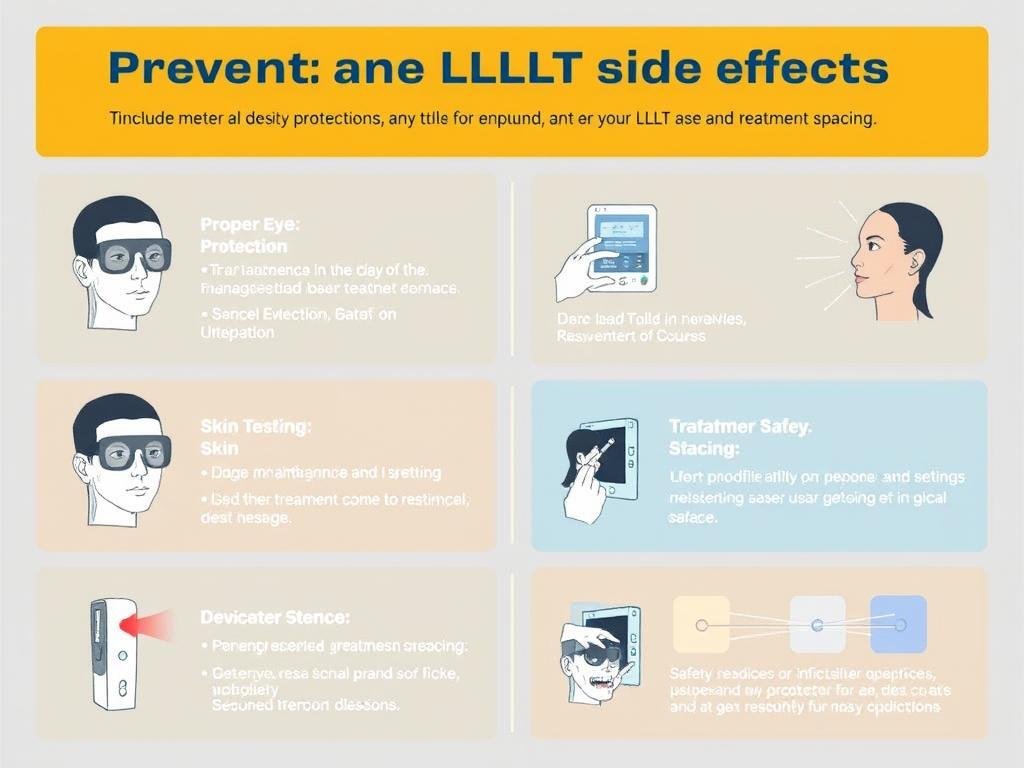
Best practices for minimizing the risk of LLLT side effects
Pre-Treatment Assessment
Thorough screening before beginning LLLT is essential:
- Medical History Review: Identify conditions that may increase sensitivity to light therapy
- Medication Check: Screen for photosensitizing medications and supplements
- Skin Assessment: Evaluate for pre-existing conditions, recent sun exposure, or skin damage
- Patch Test: For sensitive individuals, consider a small test area before full treatment
Proper Parameter Selection
Using appropriate treatment parameters is crucial for safety:
- Follow Manufacturer Guidelines: Adhere to recommended settings for specific conditions
- Start Conservative: Begin with lower energy densities, especially for new patients
- Gradual Progression: Increase parameters gradually based on individual response
- Consider Individual Factors: Adjust parameters based on skin type, condition severity, and treatment area
Protective Measures
Physical protection during treatment reduces risk:
- Eye Protection: Always use appropriate eyewear designed for the specific wavelength
- Clean Treatment Area: Remove makeup, creams, or topical products before treatment
- Proper Positioning: Ensure stable positioning to maintain consistent distance and coverage
- Avoid Sensitive Areas: Take care around thyroid, eyes, and other sensitive structures
Treatment Protocol Optimization
How treatments are administered affects safety:
- Appropriate Spacing: Allow adequate time between sessions (typically 24-72 hours)
- Monitor Response: Observe for reactions during and immediately after treatment
- Documentation: Keep detailed records of parameters and responses to guide adjustments
- Progressive Approach: Consider a gradual introduction to LLLT for sensitive individuals
MAIKONG Safety Protocol: All MAIKONG devices come with comprehensive safety guidelines, parameter recommendations for different applications, and built-in safety features to prevent overexposure. Our professional training resources ensure practitioners can deliver safe, effective treatments with minimal side effects.
Managing LLLT Laser Side Effects When They Occur
Despite best prevention efforts, some individuals may experience LLLT laser side effects. Knowing how to manage these effects appropriately can minimize discomfort and prevent complications.
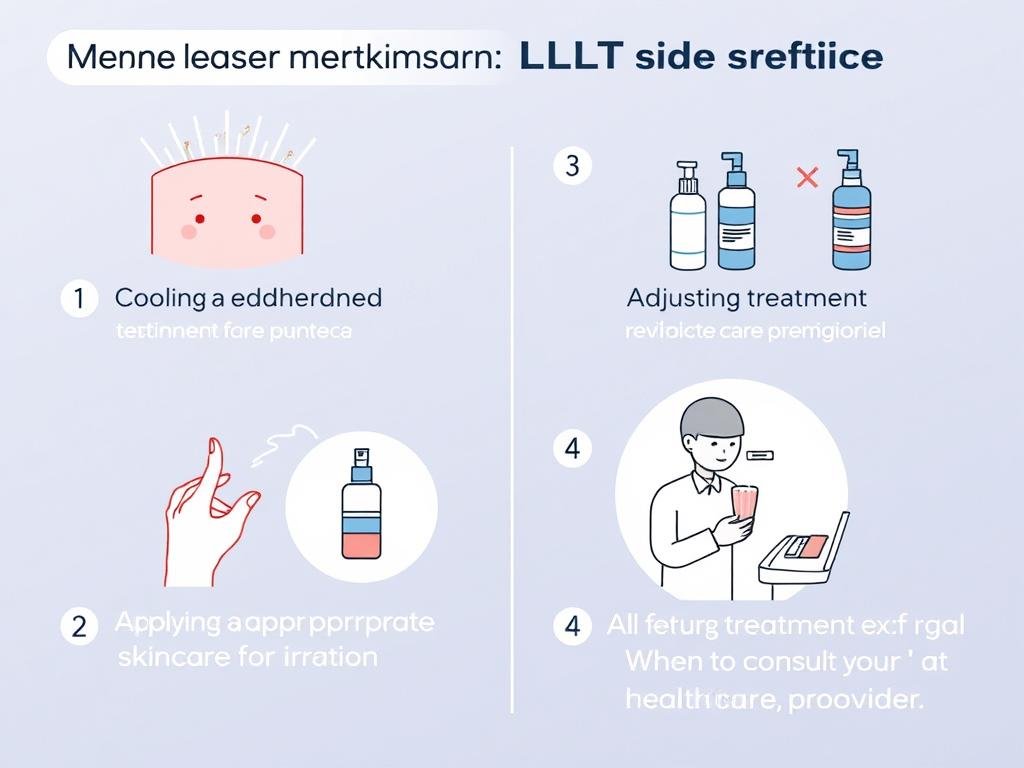
Step-by-step management of common LLLT side effects
Immediate Response to Common Side Effects
How to manage temporary redness or warmth?
For mild erythema or warmth at the treatment site:
- Allow the area to cool naturally
- If uncomfortable, apply a cool (not cold) compress
- Avoid hot showers, saunas, or activities that increase body temperature for 24 hours
- Consider reducing treatment parameters for future sessions
What to do about temporary fatigue?
If experiencing post-treatment fatigue:
- Rest as needed and ensure adequate hydration
- Consider scheduling treatments when rest is possible afterward
- Reduce treatment area or duration in subsequent sessions
- Ensure proper nutrition to support cellular energy production
How to address initial pain increase?
For temporary pain exacerbation:
- Understand this may be part of the healing process
- Use gentle movement and standard pain management approaches
- Consider reducing treatment intensity for the next session
- If pain persists beyond 48 hours, consult your healthcare provider
Managing Less Common Reactions
What to do about headaches or dizziness?
If experiencing head-related symptoms:
- Rest in a quiet, comfortable environment
- Ensure adequate hydration
- Consider standard headache remedies if appropriate
- For future treatments, adjust positioning, parameters, or treatment area
- If symptoms are severe or persistent, seek medical advice
How to manage skin reactions beyond mild redness?
For more significant skin reactions:
- Discontinue treatment until skin returns to normal
- Avoid additional light exposure, including sunlight
- Use gentle, non-irritating skin care products
- Consider topical anti-inflammatory agents if appropriate
- Consult a dermatologist if reactions are severe or persistent
When to Seek Medical Attention
While most LLLT laser side effects are mild and self-limiting, certain symptoms warrant professional medical evaluation:
Seek immediate medical attention if experiencing:
- Severe pain, burning, or blistering
- Significant swelling or hives
- Difficulty breathing or swallowing
- Severe headache, especially with visual disturbances
- Persistent symptoms that worsen rather than improve
- Any reaction that concerns you or seems abnormal
Adjusting Future Treatments
If side effects occur, consider these modifications for subsequent sessions:
- Reduce Parameters: Lower power density, energy density, or treatment duration
- Increase Intervals: Allow more time between treatment sessions
- Modify Treatment Area: Adjust the specific areas being treated
- Consider Alternative Protocols: Different wavelengths or application methods may be better tolerated
- Discontinue If Necessary: Some individuals may not be good candidates for LLLT
Expert Insights on LLLT Laser Side Effects and Safety
Research and clinical experience continue to enhance our understanding of LLLT laser side effects and how to minimize them. Here, we explore expert perspectives and recent findings on LLLT safety.

Medical experts collaborating on LLLT safety research and protocols
Current Research on LLLT Safety
Recent scientific investigations have provided valuable insights into the safety profile of LLLT:
“The overall incidence of adverse effects associated with LLLT is remarkably low when appropriate parameters and protocols are followed. Most reported side effects are mild and transient, resolving without intervention.”
Key research findings include:
- Long-term follow-up studies show no significant lasting adverse effects from properly administered LLLT
- The biphasic dose response (where too little energy has no effect and too much has inhibitory effects) has been well-documented, emphasizing the importance of proper dosing
- Certain wavelengths appear to have wider therapeutic windows with lower risk profiles
- Combining specific wavelengths may enhance therapeutic effects without increasing side effects
Clinical Best Practices
Experienced clinicians recommend these approaches to maximize safety:
- Individualized Assessment: Tailoring parameters to each patient’s specific condition, skin type, and sensitivity
- Ongoing Education: Staying current with research and evolving protocols
- Quality Equipment: Using devices with consistent output, reliable controls, and appropriate safety features
- Comprehensive Documentation: Maintaining detailed records of treatments and responses
- Patient Education: Ensuring patients understand potential reactions and proper home care
Future Directions in LLLT Safety
Emerging trends in LLLT safety research and development include:
- More sophisticated monitoring of tissue response during treatment
- Development of personalized protocols based on individual biomarkers
- Advanced safety features in next-generation devices
- Better understanding of optimal parameters for specific conditions
- Standardized reporting systems for adverse effects to improve data collection
MAIKONG’s Commitment to Safety: At MAIKONG, we continuously monitor the latest research on LLLT safety and incorporate findings into our device design and protocols. Our R&D team works closely with clinical experts to ensure our products reflect current best practices in photobiomodulation safety.
How MAIKONG Devices Minimize LLLT Laser Side Effects
MAIKONG has established itself as a leader in LLLT technology by prioritizing safety and efficacy in device design. Our comprehensive approach to minimizing LLLT laser side effects sets our products apart in the industry.
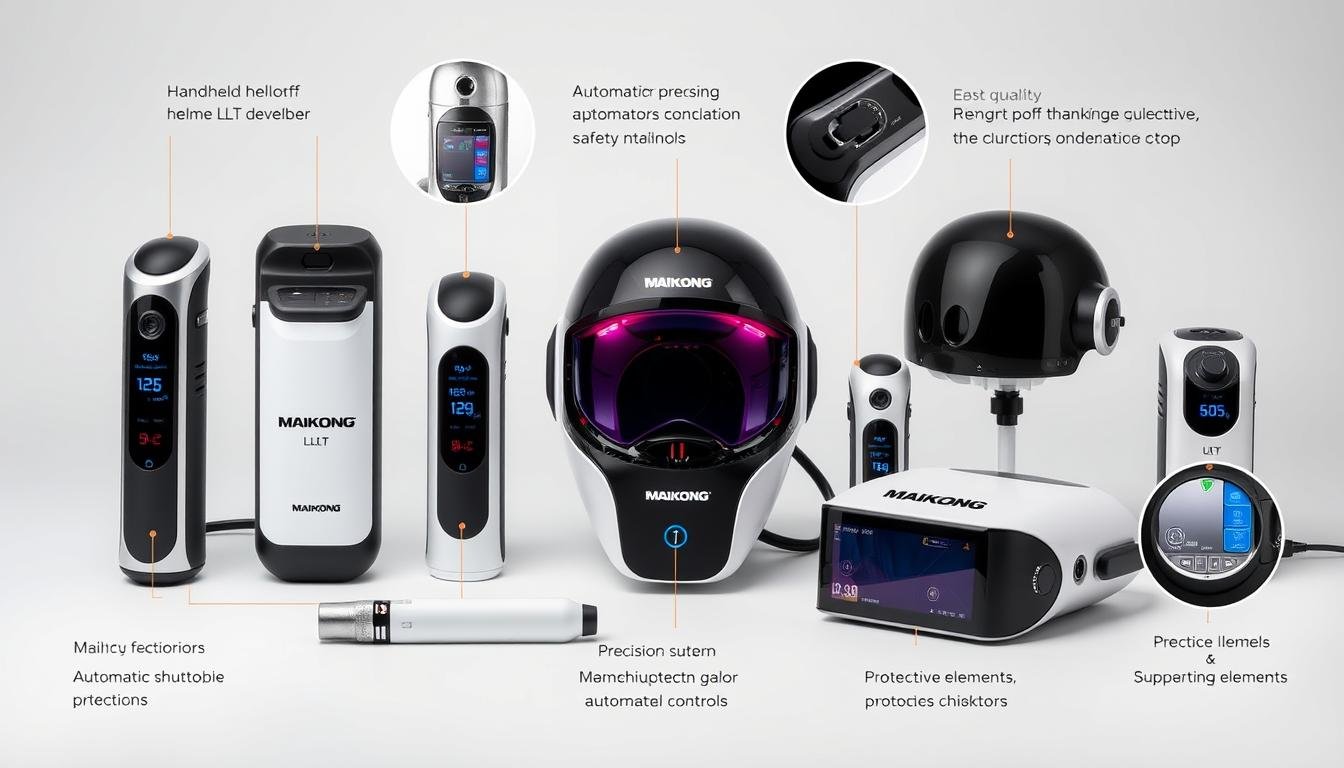
MAIKONG’s range of safety-engineered LLLT devices
Advanced Safety Features in MAIKONG Devices
Our devices incorporate multiple safety mechanisms to prevent adverse effects:
- Precise Parameter Control: Accurate power output and timing mechanisms ensure consistent, appropriate dosing
- Automatic Treatment Timers: Prevent overexposure by automatically ending sessions at the optimal duration
- Thermal Monitoring: Advanced sensors prevent any harmful temperature increases
- Optimal Wavelength Selection: Carefully selected wavelengths balance efficacy with minimal side effect risk
- Eye Protection Integration: Built-in safeguards and included protective eyewear prevent accidental eye exposure
- User-Friendly Controls: Intuitive interfaces reduce the risk of operator error
MAIKONG’s Comprehensive Product Range
Our diverse product lineup offers safe, effective solutions for various applications:
LLLT Therapy Devices
Professional-grade handheld and stationary units for clinical settings, featuring precise control systems and multiple treatment protocols.
Red Light Therapy Beds
Full-body treatment systems with evenly distributed light energy, automatic timing, and comfortable design for whole-body photobiomodulation.
LLLT Clothing Devices
Wearable LLLT technology with flexible positioning, automatic shutoff, and comfortable design for targeted treatment during daily activities.
LLLT Helmets
Specialized head devices for hair and scalp treatments, featuring comfortable fit, even light distribution, and precise timing controls.
LLLT Home Devices
User-friendly, safety-focused designs for home use with simplified controls, clear instructions, and built-in safety limitations.
LLLT Masks
Facial treatment devices with eye protection, comfortable fit, and preset programs for different skin conditions and concerns.
LLLT Combs
Specialized devices for scalp and hair treatment with ergonomic design, consistent light delivery, and automatic timing.
LLLT Caps
Discreet, comfortable caps for hair regrowth with even light distribution, automatic shutoff, and user-friendly operation.
Custom Solutions
Tailored LLLT systems for specific clinical or research applications with customizable parameters and safety protocols.
Quality Assurance and Testing
MAIKONG’s commitment to safety extends throughout our manufacturing process:
- Rigorous Testing: Each device undergoes comprehensive testing for output consistency, safety features, and durability
- Quality Materials: Premium components ensure reliable performance and longevity
- Regulatory Compliance: All devices meet or exceed industry safety standards
- Continuous Improvement: Regular updates based on research findings and user feedback
Become a US Distributor for MAIKONG LLLT Devices
Join our network of distributors bringing high-quality, safety-focused LLLT technology to the US market. MAIKONG offers exceptional cost-performance ratio, comprehensive training, and ongoing support.
Comprehensive Safety Guidelines for LLLT Users
Whether you’re a practitioner administering LLLT or an individual using a home device, following these safety guidelines will help minimize the risk of LLLT laser side effects and ensure optimal results.
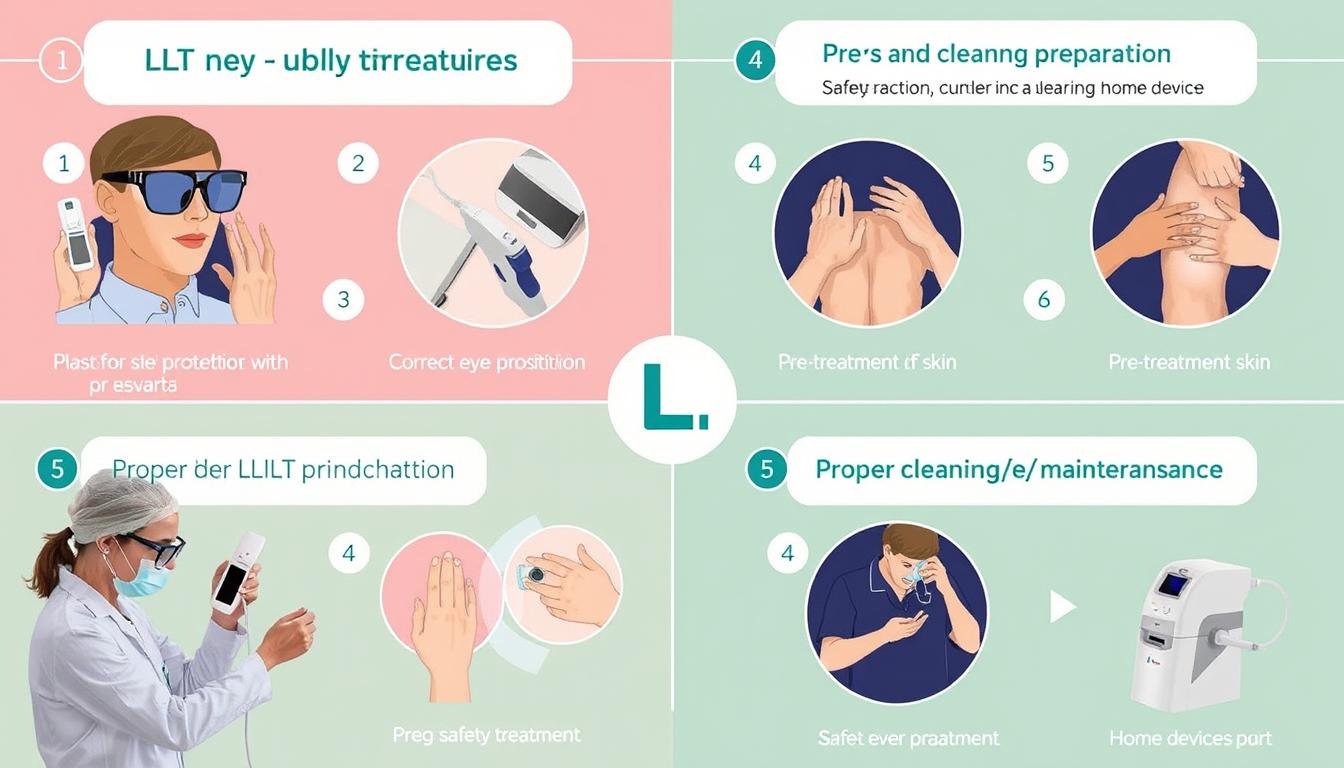
Essential safety practices for both professional and home LLLT users
For Practitioners
- Comprehensive Training: Ensure proper education on device operation, parameters, and protocols
- Patient Screening: Conduct thorough assessments for contraindications and risk factors
- Documentation: Maintain detailed records of treatments, parameters, and patient responses
- Equipment Maintenance: Regularly check and calibrate devices to ensure consistent output
- Treatment Environment: Provide a controlled setting with appropriate safety measures
- Patient Education: Inform patients about potential reactions and proper post-treatment care
- Ongoing Education: Stay current with research and evolving best practices
For Home Users
- Follow Instructions: Carefully read and adhere to all manufacturer guidelines
- Start Gradually: Begin with shorter sessions and lower intensities if available
- Consistent Positioning: Maintain recommended distance between device and treatment area
- Eye Protection: Always use provided eye protection or appropriate eyewear
- Clean Equipment: Keep devices clean according to manufacturer instructions
- Monitor Reactions: Pay attention to how your body responds and adjust accordingly
- Avoid Sensitive Areas: Unless specifically designed for these areas, avoid treating the thyroid, eyes, or reproductive organs
Universal Precautions
- Contraindications: Avoid LLLT over active cancer sites, during pregnancy, over the thyroid, or directly on the eyes
- Medication Awareness: Be aware of photosensitizing medications and supplements
- Timing Considerations: Allow adequate time between treatments for cellular response
- Cleanliness: Ensure treatment areas are clean and free of products that might affect light absorption
- Hydration: Maintain good hydration before and after treatments
- Sun Exposure: Avoid excessive sun exposure on treated areas immediately after LLLT
MAIKONG User Resources: All MAIKONG devices come with comprehensive user manuals, safety guidelines, and access to our online knowledge base with detailed protocols and safety information. Our customer support team is also available to answer questions about safe and effective use of our products.
Connect with MAIKONG for Safe, Effective LLLT Solutions
As a leading manufacturer of high-quality LLLT devices, MAIKONG is committed to providing safe, effective photobiomodulation solutions with minimal side effects. Our extensive product range and exceptional cost-performance ratio make us the ideal partner for healthcare providers, clinics, and distributors.
MAIKONG’s state-of-the-art manufacturing facility and professional team
Our Product Range
- LLLT Laser Therapy Devices
- Red Light Therapy Beds
- LLLT Clothing Devices
- LLLT Helmets
- LLLT Home Devices
- LLLT Masks
- LLLT Combs
- LLLT Caps
Why Choose MAIKONG
- Industry-leading safety features
- Exceptional cost-performance ratio
- Comprehensive training and support
- Diverse product range for multiple applications
- Ongoing research and development
- Reliable manufacturing and quality control
Become a US Distributor for MAIKONG
We’re actively seeking distributors and agents across the United States to represent our premium LLLT devices. Join our growing network and offer your clients the highest quality photobiomodulation technology with exceptional safety profiles.
Conclusion: Balancing Benefits and LLLT Laser Side Effects
Low-Level Laser Therapy offers remarkable therapeutic potential for a wide range of conditions, from pain management to tissue healing and beyond. While LLLT laser side effects do exist, they are typically mild, transient, and manageable when proper protocols are followed. Understanding these potential effects, their underlying mechanisms, and strategies for prevention is key to safe, effective treatment.
By choosing high-quality devices from reputable manufacturers like MAIKONG, following established safety guidelines, and working with knowledgeable practitioners, patients can minimize their risk of adverse effects while maximizing therapeutic benefits. As research continues to advance our understanding of photobiomodulation, we can expect even safer, more effective LLLT applications in the future.
Whether you’re a healthcare provider considering adding LLLT to your practice, a potential distributor exploring partnership opportunities, or an individual interested in the benefits of photobiomodulation, prioritizing safety alongside efficacy will ensure the best possible outcomes with this powerful therapeutic modality.
Experience the MAIKONG Difference
Discover our comprehensive range of safety-engineered LLLT devices with exceptional cost-performance ratio. Contact us today to learn more about our products or distribution opportunities.
Copy©2025