LLLT Therapy Device

Understanding LLLT Pain Therapy: The Basics

Low-Level Laser Therapy (LLLT), also known as photobiomodulation, uses low-powered laser light or LEDs to stimulate healing, reduce inflammation, and relieve pain. Unlike high-powered surgical lasers that cut or burn tissue, LLLT pain devices deliver gentle light energy that triggers beneficial biological effects without causing tissue damage.
LLLT therapy being applied to treat shoulder pain
The therapy involves applying light in the red to near-infrared spectrum (typically 600-1000nm wavelength) to areas of pain or injury. These specific wavelengths can penetrate the skin and underlying tissues to reach cells where they stimulate healing processes. LLLT pain treatment sessions are quick (usually 30-60 seconds per point), painless, and free from significant side effects.
The Evolution of LLLT Pain Technology
The therapeutic use of light has a long history, dating back to ancient civilizations that used sunlight for healing. Modern LLLT pain therapy began in 1967 when Dr. Endre Mester discovered that low-power laser light could stimulate hair growth and wound healing in mice. Since then, the technology has evolved significantly:
- 1960s: First working ruby laser developed
- 1967: Discovery of “laser biostimulation” by Dr. Mester
- 1980s-1990s: Early clinical applications for wound healing and pain
- 2000s: LED technology incorporated alongside lasers
- 2010s-Present: Advanced devices with optimized wavelengths and treatment protocols
Today, MAIKONG leads the industry with state-of-the-art LLLT pain devices that incorporate the latest research findings and technological innovations, making effective pain relief more accessible than ever.
The Science Behind LLLT Pain Therapy
To understand how LLLT pain therapy works, we need to explore its effects at the cellular and tissue levels. The mechanisms are complex and involve multiple pathways that ultimately lead to pain reduction, decreased inflammation, and accelerated healing.
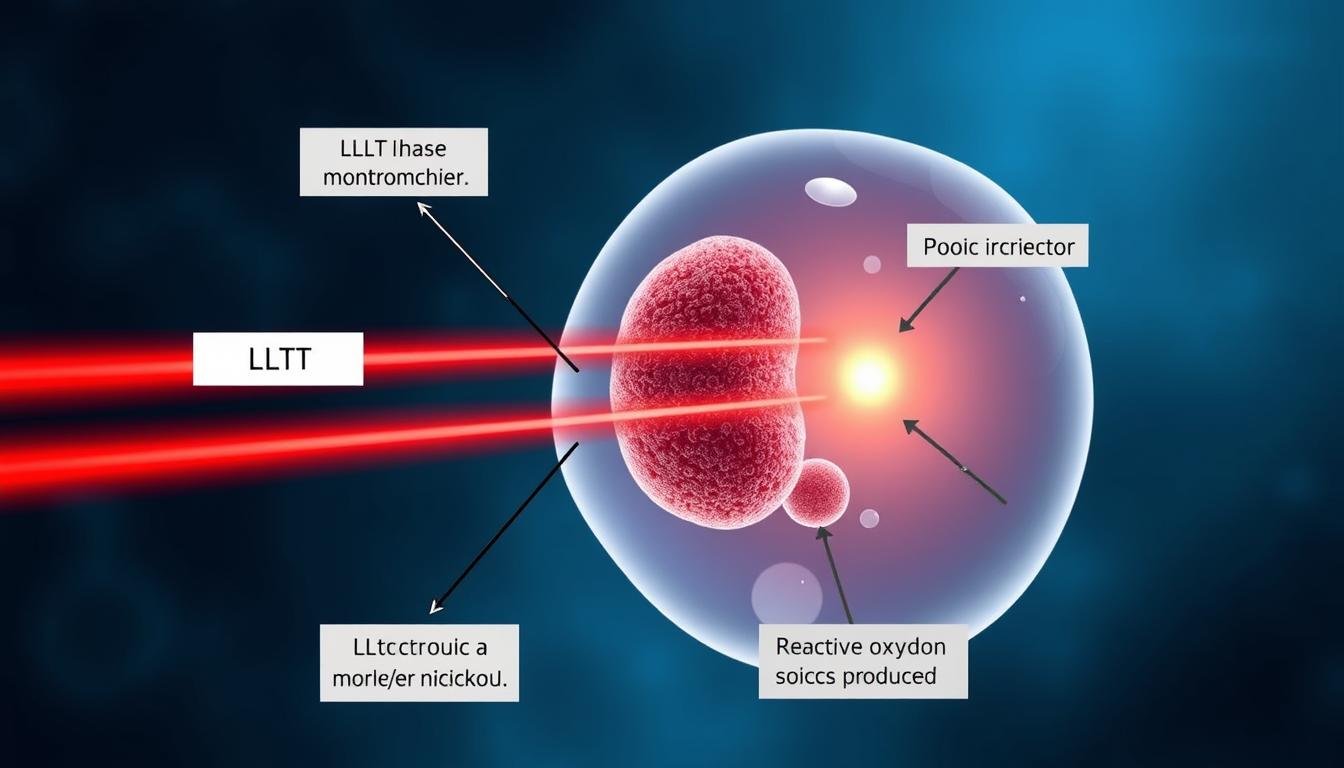
Cellular mechanisms of LLLT: Mitochondrial activation and ATP production
Cellular Mechanisms of LLLT Pain Treatment
At the cellular level, LLLT pain therapy primarily affects mitochondria, the “power plants” of our cells. Here’s what happens when low-level laser light reaches your cells:
- Photon Absorption: Light energy is absorbed by chromophores (light-accepting molecules) in the cell, particularly cytochrome c oxidase in the mitochondria.
- Increased ATP Production: This stimulates the mitochondria to produce more adenosine triphosphate (ATP), the primary energy currency of cells.
- Nitric Oxide Release: LLLT can photo-dissociate nitric oxide from cytochrome c oxidase, increasing blood flow and oxygen delivery to tissues.
- ROS Signaling: Controlled increases in reactive oxygen species (ROS) trigger protective mechanisms and activate transcription factors.
- Cell Signaling Activation: These changes initiate a cascade of cellular signaling that promotes healing and reduces inflammation.
Neural Effects of LLLT Pain Therapy
For pain relief specifically, LLLT pain therapy works through several neural mechanisms:
Nerve Conduction Blockade: LLLT can temporarily inhibit fast pain fibers (A-delta and C fibers), creating an analgesic effect similar to local anesthetics but without numbness.
Reduced Inflammation: By decreasing pro-inflammatory cytokines and increasing anti-inflammatory factors, LLLT reduces pain-causing inflammation.
Endorphin Release: Studies show LLLT stimulates the production of endorphins, the body’s natural painkillers.
Decreased Muscle Spasm: LLLT helps relax contracted muscles by improving circulation and reducing trigger points.
Improved Nerve Function: For neuropathic pain, LLLT can improve nerve cell metabolism and promote healing of damaged nerves.
Long-term Modulation: Regular treatment can lead to long-term down-regulation of pain pathways and sustained relief.
“LLLT has a long history and strong basic science evidence, which supports its use in pain management. It has few side effects and is well tolerated by the elderly.”
Benefits of LLLT Pain Therapy
The advantages of LLLT pain therapy extend beyond simple pain relief. This technology offers a comprehensive approach to healing and wellness with minimal downsides.
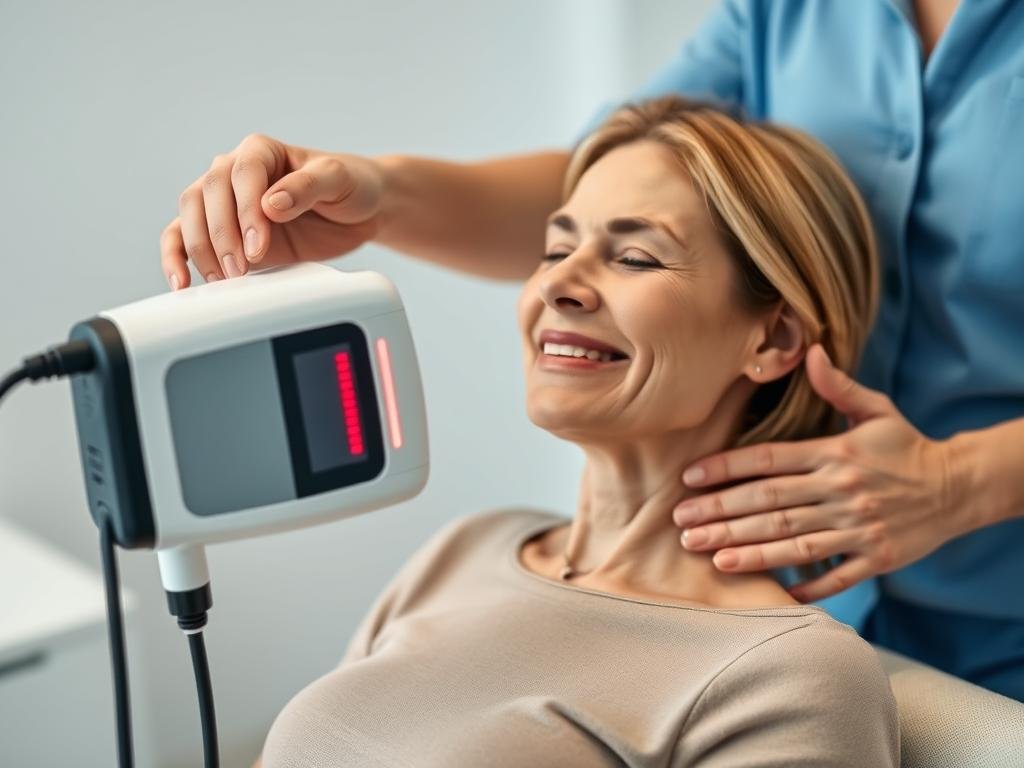
Immediate pain relief is one of the primary benefits of LLLT therapy
Advantages of LLLT Pain Therapy
- Non-invasive and drug-free treatment
- Minimal to no side effects
- No risk of dependency or addiction
- Can be used alongside other treatments
- Quick treatment sessions (typically 30-60 seconds per point)
- Treats the cause of pain, not just symptoms
- Accelerates natural healing processes
- Suitable for acute and chronic conditions
- No recovery time needed
Limitations to Consider
- May require multiple sessions for optimal results
- Results can vary between individuals
- Not all insurance plans cover treatment
- Quality of devices varies significantly
- Not suitable for all conditions (e.g., cancer)
- Best results require proper wavelength and dosage
- Cannot correct structural issues (e.g., severe joint damage)
The Biphasic Dose Response in LLLT Pain Treatment
An important concept in LLLT pain therapy is the “biphasic dose response.” This means that lower doses of light can be more effective than higher doses. Too little energy won’t produce results, but too much can actually inhibit the beneficial effects. This is why professional-grade devices like those from MAIKONG are calibrated to deliver the optimal therapeutic dose for maximum benefit.
Clinical Applications of LLLT Pain Therapy
LLLT pain therapy has proven effective for a wide range of musculoskeletal and neurological pain conditions. Research supports its use in both acute injuries and chronic pain management.
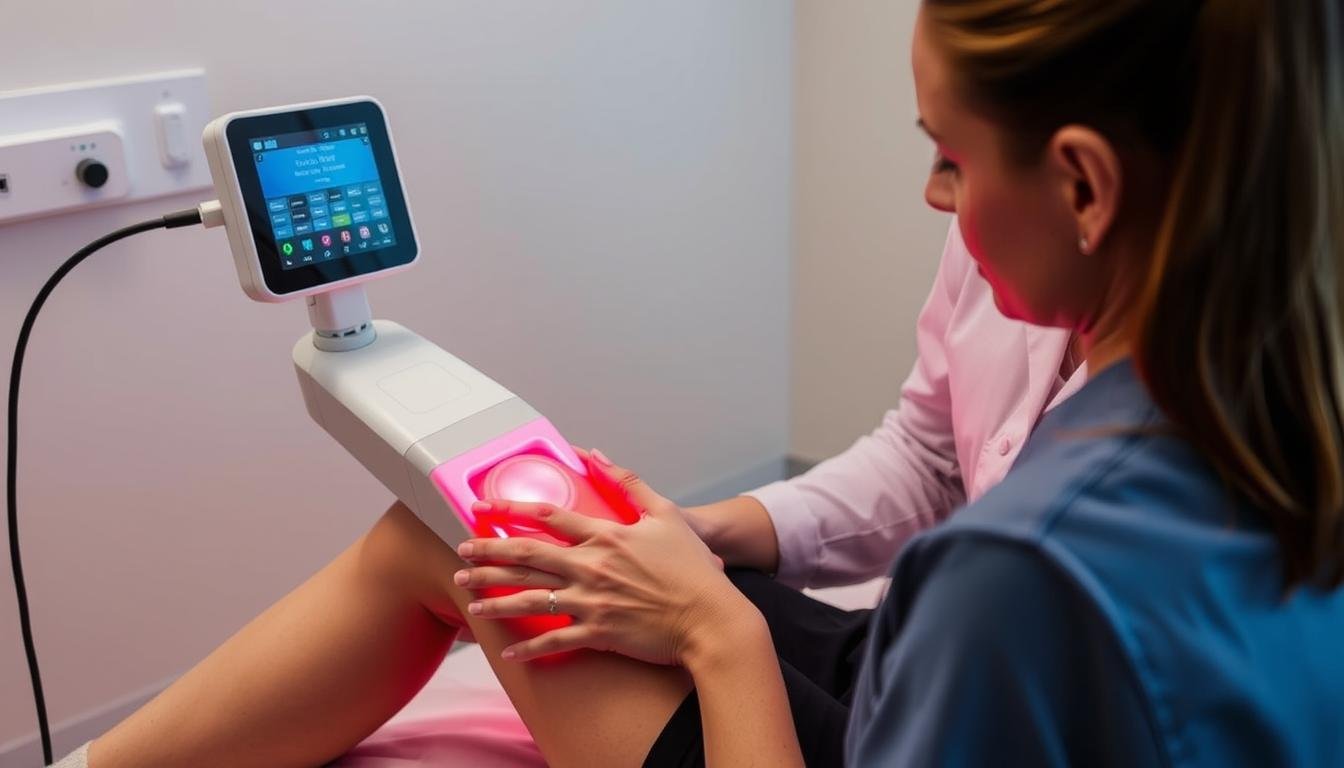
LLLT therapy for knee osteoarthritis pain management
Musculoskeletal LLLT Pain Applications
| Condition | Effectiveness | Treatment Protocol | Recommended Device |
| Back Pain (Acute & Chronic) | High | 3-5 sessions weekly, 30-60 sec per point | MAIKONG LLLT Laser Therapy Device |
| Neck Pain & Cervical Radiculopathy | High | 2-3 sessions weekly, multiple points | MAIKONG LLLT Helmet |
| Osteoarthritis (Knee, Hip) | Moderate-High | 2-3 sessions weekly, 6-12 weeks | MAIKONG LLLT Clothing Device |
| Tendinitis/Tendinopathy | Moderate-High | 3 sessions weekly, 2-4 weeks | MAIKONG LLLT Home Device |
| Fibromyalgia | Moderate | 2-3 sessions weekly, multiple tender points | MAIKONG Red Light Therapy Bed |
| Sports Injuries (Sprains/Strains) | High | Daily sessions initially, then 2-3 weekly | MAIKONG LLLT Laser Therapy Device |
Neurological LLLT Pain Applications
Beyond musculoskeletal conditions, LLLT pain therapy shows promise for neurological pain conditions:
- Neuropathic Pain: LLLT can help regenerate nerve fibers and improve nerve function in conditions like diabetic neuropathy.
- Post-Herpetic Neuralgia: Studies show significant pain reduction in this challenging condition following shingles.
- Trigeminal Neuralgia: LLLT can provide relief for this severe facial pain condition.
- Carpal Tunnel Syndrome: Both symptoms and nerve conduction studies improve with LLLT treatment.
- Headaches and Migraines: LLLT applied to trigger points and cervical areas can reduce frequency and intensity.
Experience Relief with MAIKONG LLLT Devices
Our professional-grade LLLT devices are designed to deliver optimal therapeutic wavelengths for maximum pain relief. Discover our complete range of solutions for both clinical and home use.
Critical Parameters for Effective LLLT Pain Treatment
The effectiveness of LLLT pain therapy depends on several key parameters. Understanding these factors helps explain why professional-grade devices like those from MAIKONG deliver superior results compared to generic alternatives.

Optical window showing optimal wavelengths for tissue penetration in LLLT therapy
Key LLLT Pain Treatment Parameters
Wavelength
The most effective wavelengths for LLLT pain therapy fall in the “optical window” of 600-1000nm, with 810nm considered optimal for deep tissue penetration. Different wavelengths target different chromophores and achieve varying depths of penetration.
Power Density
This measures the concentration of light energy (typically 5-500mW/cm²). Higher power density allows for deeper penetration, but must be balanced to avoid thermal effects. MAIKONG devices are calibrated for optimal power density based on the target condition.
Treatment Duration
Typically 30-60 seconds per point, with the total session depending on the number of points treated. Longer isn’t always better due to the biphasic dose response. MAIKONG devices include preset protocols for optimal timing.
Energy Density
The total energy delivered per area (measured in J/cm²). Effective treatments typically range from 1-10 J/cm² depending on the condition and depth of target tissue. This parameter is crucial for achieving therapeutic effects.
Pulsing vs. Continuous
Some conditions respond better to pulsed light, while others benefit from continuous application. Advanced MAIKONG devices offer both options to maximize therapeutic flexibility and outcomes.
Treatment Frequency
Acute conditions may benefit from daily treatment initially, while chronic conditions typically respond to 2-3 sessions weekly. The optimal protocol varies by condition and individual response.
Why Parameters Matter: Research shows that using the correct parameters is crucial for LLLT pain therapy success. Too little energy won’t produce results, while too much can inhibit beneficial effects. MAIKONG devices are engineered with precise calibration to deliver optimal therapeutic doses for maximum pain relief.
MAIKONG: Leading Innovation in LLLT Pain Technology
MAIKONG has established itself as a pioneer in developing advanced LLLT pain therapy devices that combine scientific precision with practical usability. Our comprehensive product line addresses various pain conditions with specialized solutions.

MAIKONG’s comprehensive LLLT device lineup for professional and home use
Our LLLT Pain Therapy Product Range
LLLT Laser Therapy Device
Our professional-grade handheld device delivers precise laser therapy for targeted pain relief. Features adjustable power settings, multiple wavelength options, and preset protocols for various conditions.
Red Light Therapy Bed
Full-body treatment solution ideal for widespread pain conditions like fibromyalgia. Delivers uniform light therapy across the entire body for comprehensive relief and cellular regeneration.
LLLT Clothing Device
Flexible, wearable LLLT solution that conforms to body contours for hands-free treatment of joints and large muscle groups. Perfect for arthritis, back pain, and sports injuries.
LLLT Helmet
Specialized design for treating headaches, migraines, and cervical pain. Provides comprehensive coverage of the scalp and upper neck regions for effective relief.
LLLT Home Device
Compact, user-friendly design for convenient at-home pain management. Offers professional-level therapy with simplified controls for daily use between clinical sessions.
LLLT Mask & Comb
Specialized solutions for facial pain and scalp conditions. Our mask targets TMJ pain and facial neuralgia, while the comb addresses scalp tension and promotes circulation.
The MAIKONG LLLT Pain Therapy Advantage
What sets MAIKONG devices apart in the LLLT pain therapy market:
Become a MAIKONG Distributor
Join our growing network of distributors across the United States. Represent our high-quality, cost-effective LLLT pain therapy devices and help more people experience drug-free pain relief.
Optimal LLLT Pain Treatment Protocols
Effective LLLT pain therapy requires proper application techniques and treatment protocols. While specific recommendations vary by condition, these general guidelines help maximize therapeutic outcomes.

Proper application technique for LLLT therapy on lower back pain
General LLLT Pain Treatment Guidelines
Treatment Targets
For optimal LLLT pain therapy results, treatment should focus on four key areas:
- Pain Site: Direct application to the painful area to promote healing and reduce inflammation
- Nerve Pathways: Treatment along affected nerve routes to reduce neural sensitivity
- Trigger Points: Targeting myofascial trigger points to release muscle tension
- Lymph Nodes: Treating regional lymph nodes to enhance fluid drainage and reduce swelling
Session Structure
A typical LLLT pain therapy session involves:
- Initial assessment to identify treatment points
- Cleaning of the treatment area
- Application of the device directly to skin or 1-2cm away (device-dependent)
- Treatment of each point for 30-60 seconds
- Multiple points treated in a systematic pattern
- Total session time of 10-30 minutes depending on the condition
Condition-Specific LLLT Pain Protocols
Back Pain Protocol
For acute and chronic back pain, LLLT pain therapy should target:
- Paravertebral muscles along the spine
- Specific pain points identified during assessment
- Relevant acupuncture points
- Treatment frequency: 3 times weekly for 2-4 weeks
- Recommended device: MAIKONG LLLT Clothing Device or Red Light Therapy Bed
Arthritis Protocol
For osteoarthritis and rheumatoid arthritis, LLLT pain therapy should focus on:
- Joint line and surrounding tissues
- Points of maximum tenderness
- Treatment frequency: 2-3 times weekly for 4-8 weeks
- Energy density: 4-8 J/cm² for optimal results
- Recommended device: MAIKONG LLLT Laser Therapy Device or LLLT Home Device
Neuropathic Pain Protocol
For conditions like diabetic neuropathy or post-herpetic neuralgia:
- Treatment along the affected nerve pathway
- Coverage of the painful area in a grid pattern
- Treatment frequency: Initially daily for 1 week, then 3 times weekly
- Longer treatment duration per point (60-90 seconds)
- Recommended device: MAIKONG LLLT Laser Therapy Device
Professional Guidance: While MAIKONG devices are designed for both clinical and home use, we recommend consulting with a healthcare professional for initial assessment and treatment planning, especially for complex or severe pain conditions.
Safety Considerations for LLLT Pain Therapy
While LLLT pain therapy is generally very safe, proper precautions should be observed to ensure optimal results and prevent potential issues.

Proper safety measures include protective eyewear during LLLT therapy
LLLT Pain Therapy Contraindications
While generally safe, LLLT pain therapy should be avoided in certain situations:
Do Not Use LLLT Therapy:
- Directly over the eyes (always use appropriate protective eyewear)
- Over the site of known primary carcinoma or secondary metastasis
- Directly over the developing fetus in pregnant women
- Over areas treated with photosensitizing medications
- In patients with photosensitivity disorders
- With low-frequency pulsed visible light in photosensitive epileptic patients
Potential Side Effects
Clinical studies have shown that LLLT pain therapy has minimal side effects, with most patients experiencing no adverse reactions. When side effects do occur, they are typically mild and temporary:
- Temporary increase in pain (usually subsides within 24 hours)
- Mild fatigue following treatment (typically resolves quickly)
- Slight redness at the treatment site (due to increased circulation)
- Temporary dizziness (rare, usually related to pain relief and muscle relaxation)
These mild reactions are often considered positive signs that the therapy is stimulating biological responses and are not cause for concern. They typically resolve quickly without intervention.
“The adverse effects of LLLT have been reported to be no different from those reported by patients exposed to placebo devices in trials.”
Safety Standards for LLLT Pain Devices
MAIKONG devices adhere to stringent safety standards:
- Compliance with IEC60825 International Standard for laser safety
- Adherence to ANSI Z136.3 guidelines for safe use of lasers in healthcare
- Built-in safety features to prevent accidental eye exposure
- Automatic shut-off systems to prevent overtreatment
- Clear user instructions and safety guidelines with each device
All MAIKONG devices include appropriate safety eyewear and comprehensive usage instructions to ensure safe and effective treatment.
Scientific Evidence Supporting LLLT Pain Therapy
The efficacy of LLLT pain therapy is supported by extensive scientific research, including randomized controlled trials, systematic reviews, and meta-analyses.

Clinical study results showing significant pain reduction with LLLT therapy across various conditions
Key Research Findings on LLLT Pain Effectiveness
Chronic Neck Pain
A systematic review and meta-analysis of 16 randomized controlled trials found that LLLT pain therapy significantly reduced pain immediately after treatment in acute neck pain and for up to 22 weeks in chronic neck pain patients.
Osteoarthritis
Multiple studies have demonstrated that LLLT pain therapy reduces pain and improves function in knee osteoarthritis. A meta-analysis showed that LLLT was significantly more effective than placebo for reducing pain and improving function.
Low Back Pain
Research indicates that LLLT pain therapy, especially when combined with exercise, provides significant pain relief and functional improvement for patients with chronic low back pain, with effects lasting several months.
Tendinopathies
Studies on tennis elbow, Achilles tendinopathy, and other tendon disorders show that LLLT pain therapy accelerates healing and provides significant pain reduction compared to placebo treatments.
Neuropathic Pain
Research on diabetic neuropathy and post-herpetic neuralgia demonstrates that LLLT pain therapy can reduce pain intensity and improve quality of life in these challenging conditions.
Fibromyalgia
Several studies have shown that LLLT pain therapy can reduce pain and tender point sensitivity in fibromyalgia patients, with some showing improvements in fatigue and sleep quality as well.
“A meta-analysis utilizing 52 effect sizes from 22 articles on LLLT and pain demonstrated an overall effect size of 0.84. This would be classified as a large effect size and suggests a strong inclination for the use of LLLT to reduce chronic pain.”
While research supports the effectiveness of LLLT pain therapy, results can vary based on treatment parameters, device quality, and individual factors. MAIKONG devices are designed based on the latest research findings to deliver optimal therapeutic outcomes.
Home vs. Professional LLLT Pain Therapy
Both home and professional LLLT pain therapy devices have their place in comprehensive pain management. Understanding the differences helps determine the best approach for your needs.

Comparison of professional clinical LLLT devices and home-use models
Professional LLLT Therapy
- Higher power output for deeper tissue penetration
- Advanced parameter control for precise dosing
- Expert application by trained professionals
- Comprehensive assessment and treatment planning
- Integration with other therapeutic modalities
- Ideal for initial treatment and complex conditions
- Higher cost per session but potentially faster results
Home LLLT Therapy
- Convenient daily access to treatment
- Cost-effective for long-term management
- Simplified controls for ease of use
- Ability to maintain results between professional sessions
- Moderate power suitable for superficial pain
- Ideal for maintenance and mild conditions
- Higher initial investment but lower long-term cost
MAIKONG Advantage
- Professional-grade technology in home devices
- Preset programs for common conditions
- Comprehensive user training and support
- Devices for both clinical and home settings
- Superior cost-performance ratio
- Research-based parameter settings
- Full product line for various conditions
Integrating Professional and Home LLLT Pain Therapy
For optimal results, many pain management specialists recommend a combined approach:
- Initial Professional Assessment: Begin with professional evaluation to determine appropriate treatment parameters and protocols
- Intensive Professional Treatment: Start with several professional sessions to achieve significant pain reduction
- Home Maintenance: Continue with home LLLT device for ongoing management and to maintain results
- Periodic Professional Follow-up: Schedule occasional professional sessions to reassess and adjust treatment as needed
Find the Right LLLT Solution for Your Needs
Whether you’re a healthcare professional seeking clinical-grade equipment or an individual looking for effective home pain management, MAIKONG offers high-quality, cost-effective solutions.
Frequently Asked Questions About LLLT Pain Therapy
Here are answers to common questions about LLLT pain therapy and MAIKONG devices.
How quickly will I experience pain relief with LLLT therapy?
Many patients report some degree of pain relief after their first LLLT pain therapy session, though this can vary by condition. Acute conditions typically respond faster than chronic ones. The full benefits usually develop over a series of treatments, with cumulative effects as cellular healing processes are activated. For chronic conditions, significant improvement typically occurs after 4-6 sessions.
How long do the effects of LLLT pain therapy last?
The duration of pain relief from LLLT pain therapy varies based on the condition being treated and individual factors. For acute conditions, a series of treatments may resolve the issue permanently if the underlying cause is addressed. For chronic conditions, effects typically last from several days to several months, with maintenance treatments recommended to sustain relief. As LLLT promotes actual healing rather than just masking symptoms, the effects tend to last longer than with many other pain interventions.
Is LLLT therapy covered by insurance?
Insurance coverage for LLLT pain therapy varies by provider and policy. Some insurance companies classify it as experimental/investigational, while others cover it under specific circumstances. We recommend checking with your insurance provider regarding coverage. Many patients find that even without insurance coverage, the cost-effectiveness of MAIKONG home devices makes them a worthwhile investment compared to ongoing medication or other treatments.
Can LLLT therapy be used alongside other treatments?
Yes, LLLT pain therapy works well as a complementary treatment alongside other interventions. It can be safely combined with physical therapy, chiropractic care, massage, and most medications. In fact, LLLT often enhances the effectiveness of these other treatments. The only caution is with photosensitizing medications, which may require adjustments to treatment parameters.
What makes MAIKONG devices superior to other LLLT products?
MAIKONG LLLT pain therapy devices stand out for several reasons:
- Research-based parameter settings for optimal therapeutic outcomes
- Professional-grade technology at competitive price points
- Comprehensive product range addressing various conditions
- Superior build quality and durability
- User-friendly interfaces with preset programs
- Excellent customer support and training resources
- Strong warranty and service commitment
Experience the Benefits of LLLT Pain Therapy with MAIKONG
Ready to discover how MAIKONG LLLT pain therapy devices can transform your approach to pain management? Whether you’re a healthcare professional looking to enhance your practice or an individual seeking effective pain relief, we’re here to help.

Our dedicated team is ready to assist with all your LLLT therapy needs
Contact Us
Reach out to our knowledgeable team for product information, distributor opportunities, or technical support:
Email: Lucy@lllt.us
Website: https://lllt.us
Become a Distributor
Join our growing network of distributors across the United States. Represent MAIKONG’s high-quality, cost-effective LLLT pain therapy devices and help more people experience drug-free pain relief.
Interested in distribution opportunities? Contact us today to discuss partnership possibilities.
Conclusion: The Future of LLLT Pain Management
As chronic pain continues to affect millions worldwide, the need for effective, non-invasive, and drug-free treatments becomes increasingly important. LLLT pain therapy represents a scientifically-backed approach that addresses not just the symptoms but the underlying causes of pain through cellular healing and modulation of pain pathways.
With its minimal side effects, versatile applications, and growing research support, LLLT pain therapy is positioned to become a mainstream treatment option for various pain conditions. MAIKONG remains at the forefront of this evolution, combining scientific precision with practical usability to make effective pain relief accessible to more people.
Whether you’re a healthcare provider looking to expand your treatment options or an individual seeking relief from persistent pain, MAIKONG’s comprehensive range of LLLT pain therapy devices offers solutions tailored to your needs. Experience the difference that professional-grade, research-based light therapy can make in your pain management approach.
Take the First Step Toward Effective Pain Relief
Discover how MAIKONG LLLT devices can help you or your patients achieve lasting pain relief without drugs or invasive procedures.
Copy©2025