LLLT Therapy Device

Introduction to Tinnitus LLLT Therapy: A Breakthrough Approach to Relief
Living with the constant ringing, buzzing, or hissing sounds of tinnitus can be overwhelming. For the millions of Americans suffering from this condition, finding effective relief has often seemed impossible. While conventional treatments offer limited success, Tinnitus LLLT Therapy (Low-Level Laser Therapy) has emerged as a promising non-invasive approach that addresses the underlying mechanisms of tinnitus. This advanced therapy uses specific wavelengths of light to stimulate cellular repair, improve blood flow, and potentially reduce the neural hyperactivity associated with tinnitus symptoms.
In this comprehensive guide, we’ll explore how Tinnitus LLLT Therapy works, examine the scientific evidence behind it, and introduce MAIKONG’s innovative LLLT devices designed specifically for tinnitus management. Whether you’re a long-time tinnitus sufferer seeking relief or a healthcare provider looking to expand your treatment offerings, this article will provide valuable insights into this cutting-edge therapeutic approach.

Understanding Tinnitus: Causes, Impact, and Challenges
Tinnitus can significantly impact quality of life and daily functioning
Tinnitus is not a disease itself but a symptom characterized by the perception of sound when no external sound source is present. These phantom sounds can manifest as ringing, buzzing, hissing, whistling, or even roaring noises that only the affected individual can hear. For approximately 50 million Americans who experience tinnitus, about 20 million struggle with chronic tinnitus, and 2 million suffer from debilitating symptoms that severely impact their quality of life.
Common Causes of Tinnitus
- Noise-induced hearing loss (exposure to loud sounds)
- Age-related hearing loss (presbycusis)
- Ear infections or blockages
- Head or neck injuries
- Temporomandibular joint (TMJ) disorders
- Ototoxic medications
- Meniere’s disease and other inner ear conditions
- Acoustic neuroma or other tumors
- Vascular abnormalities
The Neurophysiological Basis of Tinnitus
Modern research suggests that tinnitus often results from neuroplastic changes in the auditory system. When hair cells in the cochlea are damaged, they no longer properly transmit signals to the brain. In response, the brain adapts by increasing its sensitivity to compensate for the missing input. This hyperactivity in the auditory cortex and associated neural pathways creates the perception of sound where none exists.
This understanding is crucial because it explains why many conventional treatments have limited effectiveness—they often fail to address these neuroplastic changes. Tinnitus LLLT Therapy targets both the peripheral auditory system (inner ear) and potentially influences central auditory processing, offering a more comprehensive approach to tinnitus management.
Impact on Quality of Life
“Tinnitus is not just an auditory symptom—it’s a condition that can affect every aspect of a person’s life, from sleep and concentration to emotional well-being and social interactions.”
The constant presence of unwanted sound can lead to:
- Sleep disturbances and insomnia
- Difficulty concentrating
- Anxiety and depression
- Social isolation
- Reduced work productivity
- Overall decreased quality of life
The challenges of living with tinnitus are compounded by the limited effectiveness of traditional treatments, which often focus on masking symptoms rather than addressing underlying causes. This is where Tinnitus LLLT Therapy offers new hope for those seeking more comprehensive relief.
Introduction to Low-Level Laser Therapy (LLLT)

LLLT uses specific wavelengths of light to stimulate cellular repair and function
Low-Level Laser Therapy (LLLT), also known as photobiomodulation, is a non-invasive treatment that uses specific wavelengths of light to stimulate cellular function. Unlike high-power surgical lasers that cut or destroy tissue, LLLT employs lower-intensity light that penetrates tissue without generating heat or causing damage.
The Science Behind LLLT
LLLT works through photochemical reactions at the cellular level. When specific wavelengths of light (typically in the red and near-infrared spectrum between 600-1000nm) are absorbed by cellular photoreceptors, they trigger a series of biochemical events that enhance cellular metabolism and function.
Key cellular mechanisms activated by LLLT include:
- Enhanced mitochondrial function: LLLT stimulates cytochrome c oxidase, a key enzyme in the cellular respiratory chain, increasing ATP production and cellular energy
- Improved microcirculation: Light therapy promotes vasodilation and formation of new capillaries, enhancing blood flow to damaged tissues
- Reduced inflammation: LLLT modulates inflammatory mediators and reduces oxidative stress
- Cellular regeneration: Light therapy can stimulate stem cells and enhance tissue repair processes
- Neuroplasticity effects: LLLT may influence neural activity and promote neuronal regeneration
LLLT Applications in Medicine
Before its application to tinnitus, LLLT established a strong track record in treating various medical conditions:
- Wound healing
- Pain management
- Inflammatory conditions
- Musculoskeletal disorders
- Neurological conditions
- Dermatological applications
The success of LLLT in these areas, particularly its ability to modulate neural activity and promote tissue repair, made it a promising candidate for tinnitus treatment. The evolution of Tinnitus LLLT Therapy represents a specialized application of these established principles to address the unique challenges of auditory dysfunction.
How Tinnitus LLLT Therapy Works
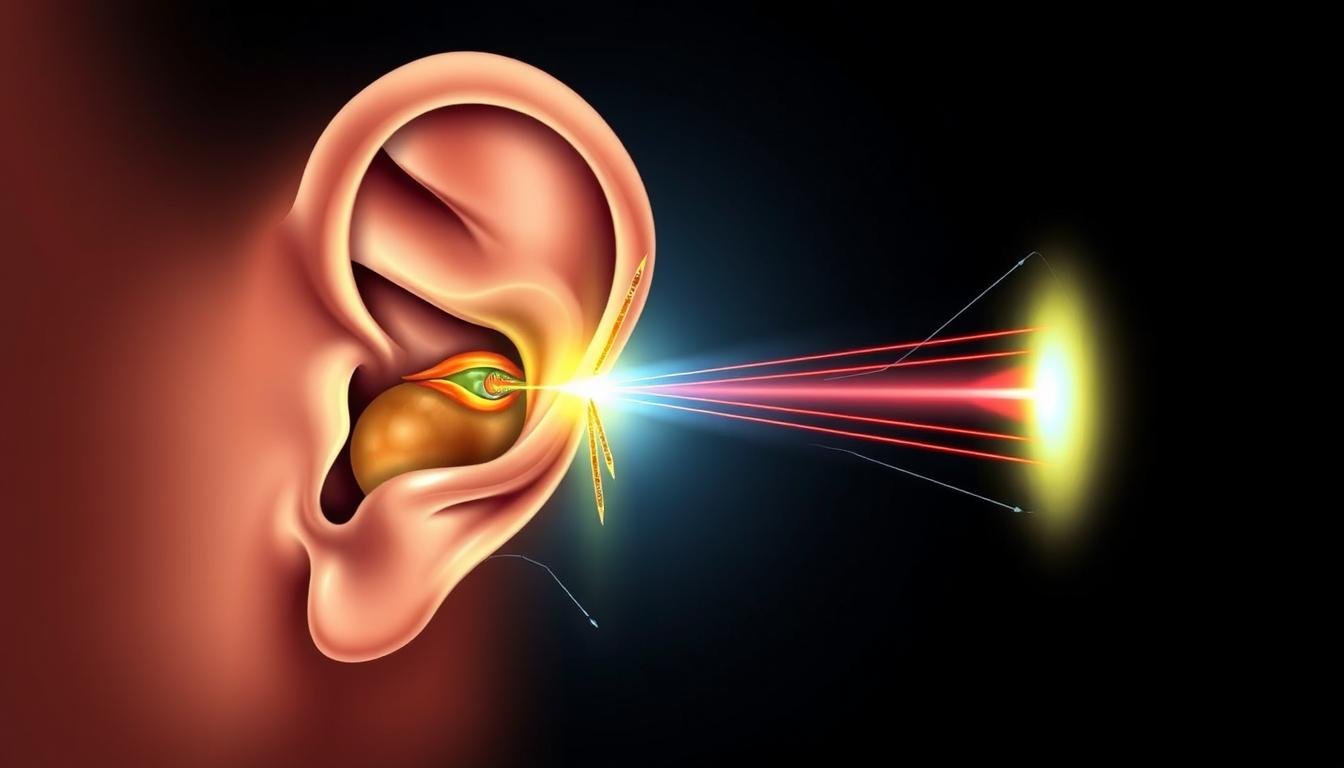
LLLT targets both peripheral and central mechanisms involved in tinnitus
Tinnitus LLLT Therapy applies the principles of photobiomodulation specifically to address the underlying mechanisms of tinnitus. This specialized application targets both the peripheral auditory system (cochlea and hair cells) and potentially influences central auditory processing pathways.
Targeting the Peripheral Auditory System
When applied to the ear, LLLT can reach the cochlea and surrounding structures, potentially providing these benefits:
- Enhanced cochlear blood flow: Improved microcirculation delivers more oxygen and nutrients to the sensitive hair cells of the inner ear
- Reduced oxidative stress: LLLT helps neutralize harmful free radicals that can damage delicate cochlear structures
- Hair cell protection: Light therapy may help preserve remaining hair cell function and potentially support repair processes
- Mitochondrial support: By enhancing cellular energy production, LLLT helps maintain the high metabolic demands of auditory cells
Influencing Central Auditory Processing
Beyond its effects on the inner ear, Tinnitus LLLT Therapy may also influence the central auditory pathways where tinnitus perception is processed:
- Neuroplasticity modulation: LLLT may help normalize the hyperactive neural patterns associated with tinnitus
- Anti-inflammatory effects: Reducing neuroinflammation in auditory processing centers
- Neurotransmitter regulation: Potentially balancing excitatory and inhibitory neurotransmission in auditory pathways
Delivery Methods for Tinnitus LLLT Therapy
Several approaches are used to deliver light therapy for tinnitus:
Transmeatal irradiation: Light is directed through the ear canal toward the cochlea

Mastoid application: Light is applied to the mastoid bone behind the ear

The optimal approach often depends on the specific characteristics of the patient’s tinnitus and the underlying causes. MAIKONG’s advanced LLLT devices are designed to provide flexible delivery options to accommodate different therapeutic needs.
Benefits and Effectiveness of Tinnitus LLLT Therapy
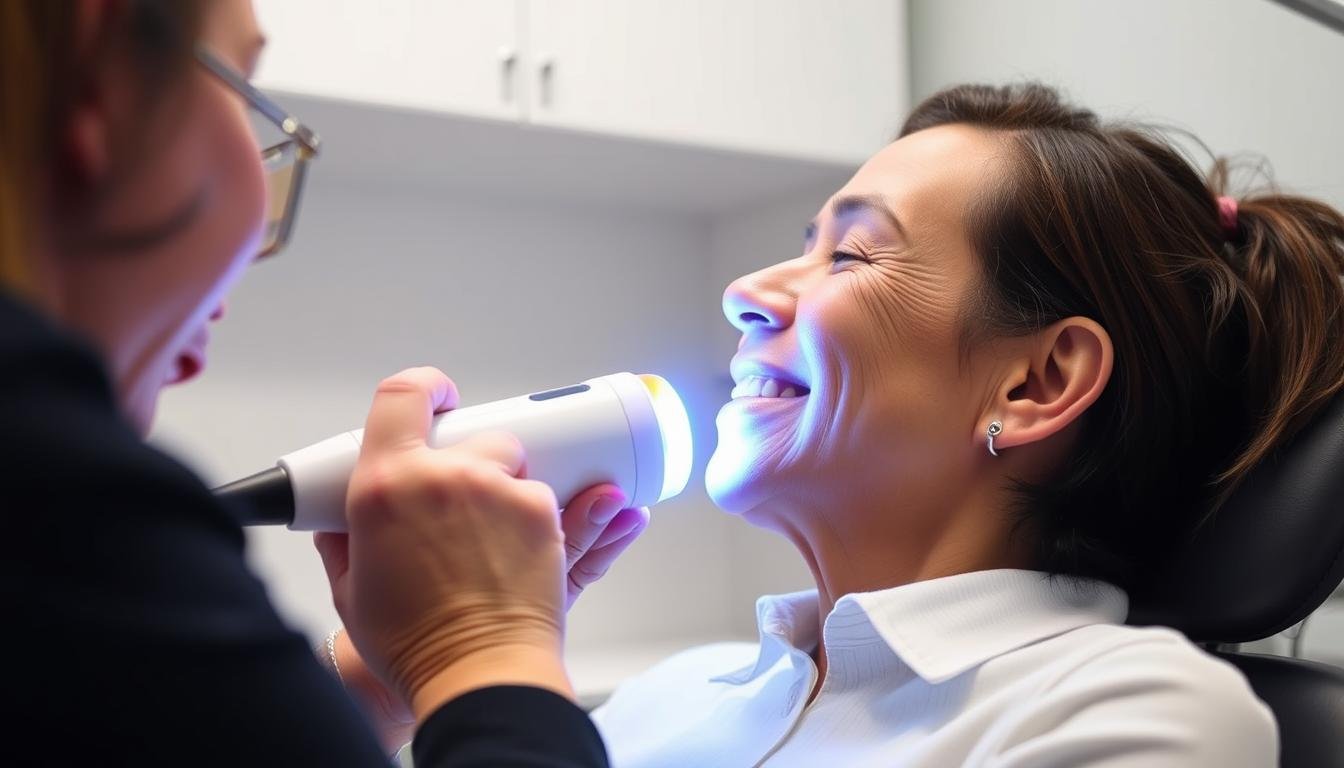
Many patients report significant improvement in tinnitus symptoms after LLLT treatment
The growing body of research on Tinnitus LLLT Therapy has revealed several potential benefits for those suffering from tinnitus. While individual results vary, many patients experience meaningful improvements in their symptoms and quality of life.
Potential Benefits of Tinnitus LLLT Therapy
- Reduced tinnitus intensity: Many patients report a decrease in the perceived loudness of their tinnitus
- Decreased tinnitus frequency: Some experience fewer episodes or shorter duration of tinnitus symptoms
- Improved sleep quality: As tinnitus symptoms diminish, many patients find it easier to fall and stay asleep
- Enhanced concentration: Reduced tinnitus distraction allows for better focus on daily tasks
- Decreased anxiety and stress: As symptoms improve, the emotional burden of tinnitus often diminishes
- Non-invasive treatment: Unlike surgical approaches, LLLT doesn’t require incisions or anesthesia
- No significant side effects: LLLT is generally well-tolerated with minimal risk
- Complementary approach: Can be used alongside other tinnitus management strategies
Research Evidence on Effectiveness
Clinical studies on Tinnitus LLLT Therapy have shown promising results, though research is ongoing:
“Studies have shown that LLLT can reduce tinnitus severity in 40-60% of patients, with some experiencing complete resolution of symptoms.”
Key research findings include:
- A 2020 study found that 56.9% of patients reported significant improvement in tinnitus symptoms after LLLT treatment
- Research published in the Journal of Photochemistry and Photobiology showed LLLT improved tinnitus symptoms in patients with sensorineural hearing loss
- A systematic review of multiple studies concluded that LLLT shows promise as a tinnitus intervention, particularly for certain subgroups of patients
Factors Affecting Treatment Outcomes
The effectiveness of Tinnitus LLLT Therapy can be influenced by several factors:
Patient-related factors:
- Tinnitus duration and severity
- Underlying cause of tinnitus
- Presence of hearing loss
- Age and overall health
Treatment-related factors:
- Wavelength and power of the laser
- Treatment protocol and duration
- Device quality and specifications
- Proper application technique
MAIKONG’s advanced LLLT devices are designed with these factors in mind, offering optimal wavelengths, power settings, and application methods to maximize therapeutic benefits for tinnitus patients.
MAIKONG’s Advanced Tinnitus LLLT Therapy Devices
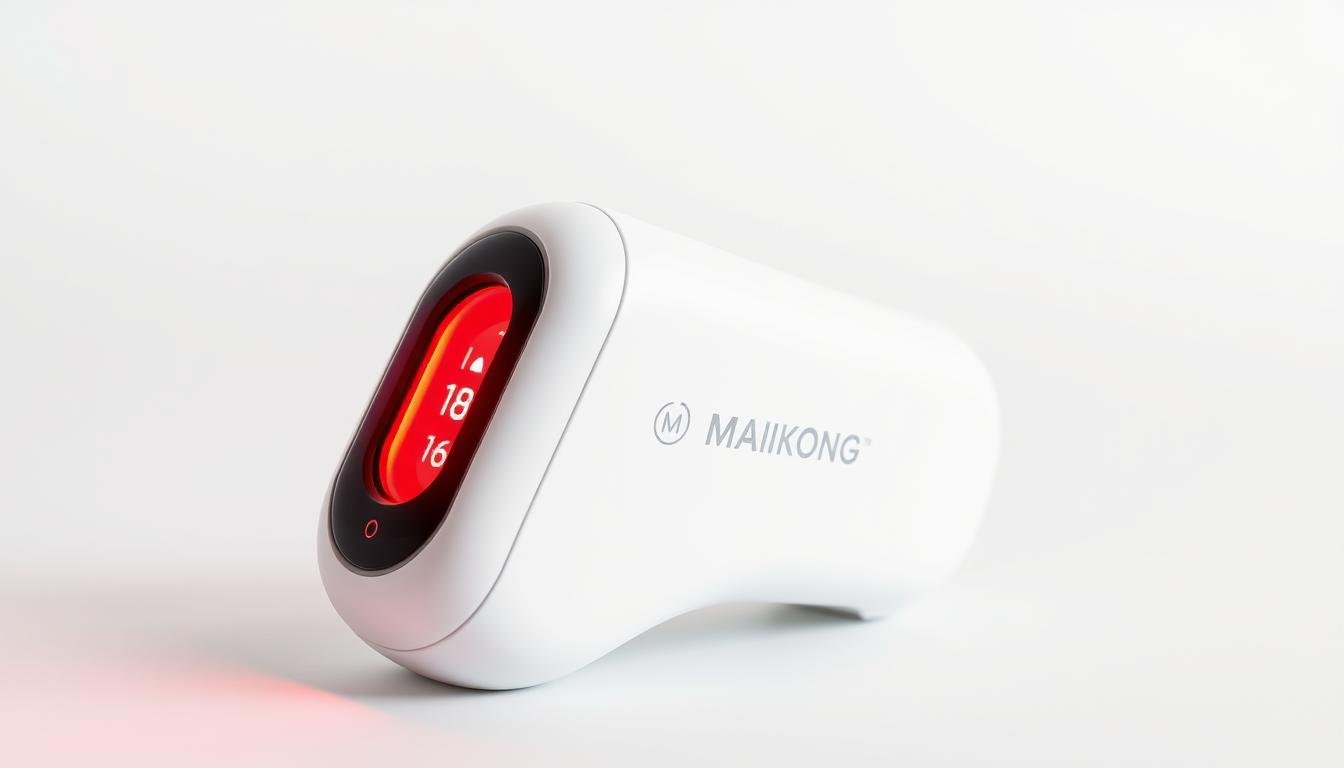
MAIKONG’s flagship LLLT device combines optimal wavelength and power for tinnitus relief
MAIKONG has established itself as a leading manufacturer of high-quality, cost-effective LLLT devices, including specialized solutions for tinnitus management. Our comprehensive range of products combines cutting-edge technology with user-friendly design to deliver optimal therapeutic results.
LLLT Devices Specifically for Tinnitus

MAIKONG LLLT Ear Device
Specifically designed for transmeatal application, this device delivers precise light therapy directly to the inner ear structures. Features adjustable power settings and optimal wavelength for tinnitus relief.
- Wavelength: 650-830nm
- Power output: 5-100mW
- Treatment time: 10-20 minutes
- Ergonomic ear applicator

MAIKONG LLLT Helmet
Our advanced helmet combines ear-specific modules with broader coverage for both peripheral and central auditory pathway treatment. Ideal for comprehensive tinnitus management.
- Dual wavelength technology
- Targeted ear modules
- Programmable treatment protocols
- Comfortable, adjustable fit
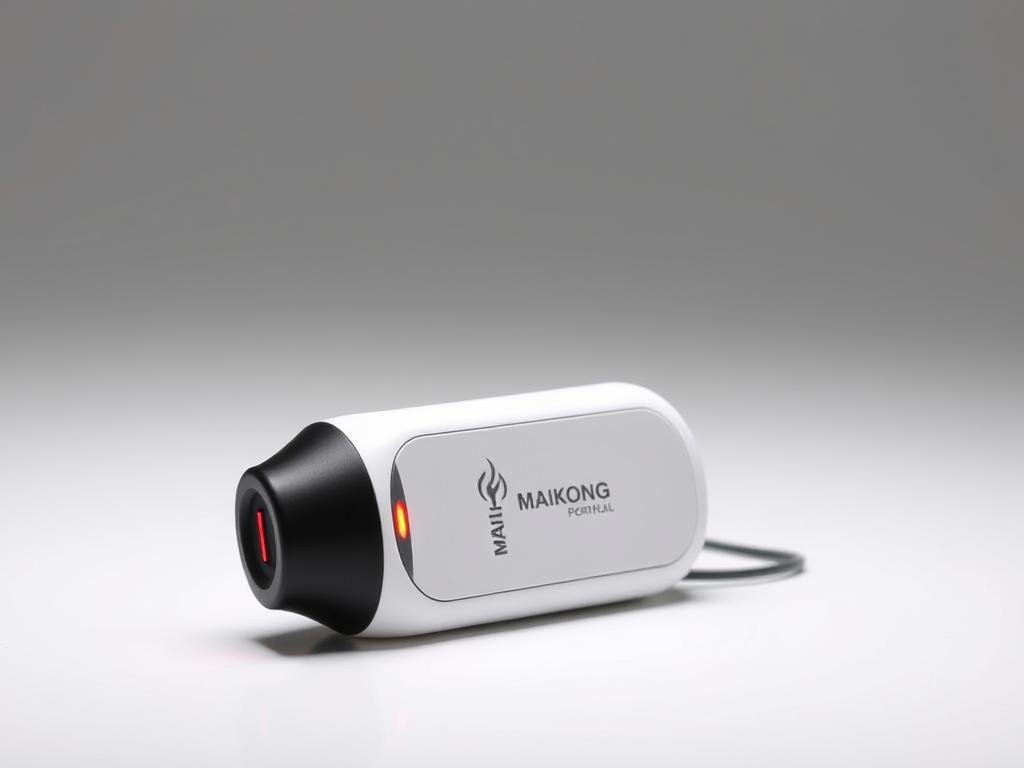
MAIKONG Home LLLT Device
Our portable home-use device allows patients to continue their tinnitus therapy between clinical sessions. User-friendly design with pre-programmed settings for safe and effective home treatment.
- Compact, portable design
- Rechargeable battery
- Simple one-button operation
- Safety features for home use
Additional MAIKONG LLLT Product Range
Beyond our specialized tinnitus devices, MAIKONG offers a comprehensive range of LLLT solutions:
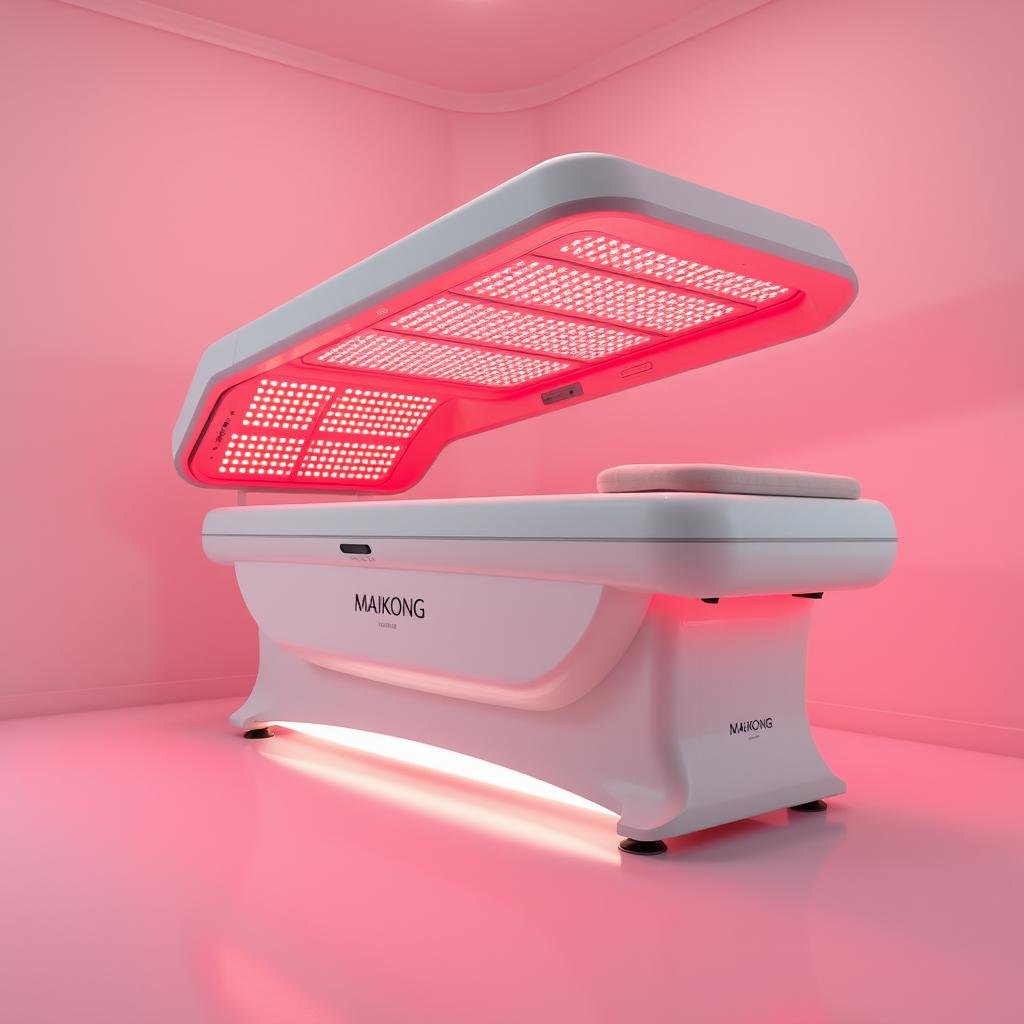
Red Light Therapy Bed
Full-body photobiomodulation for comprehensive wellness
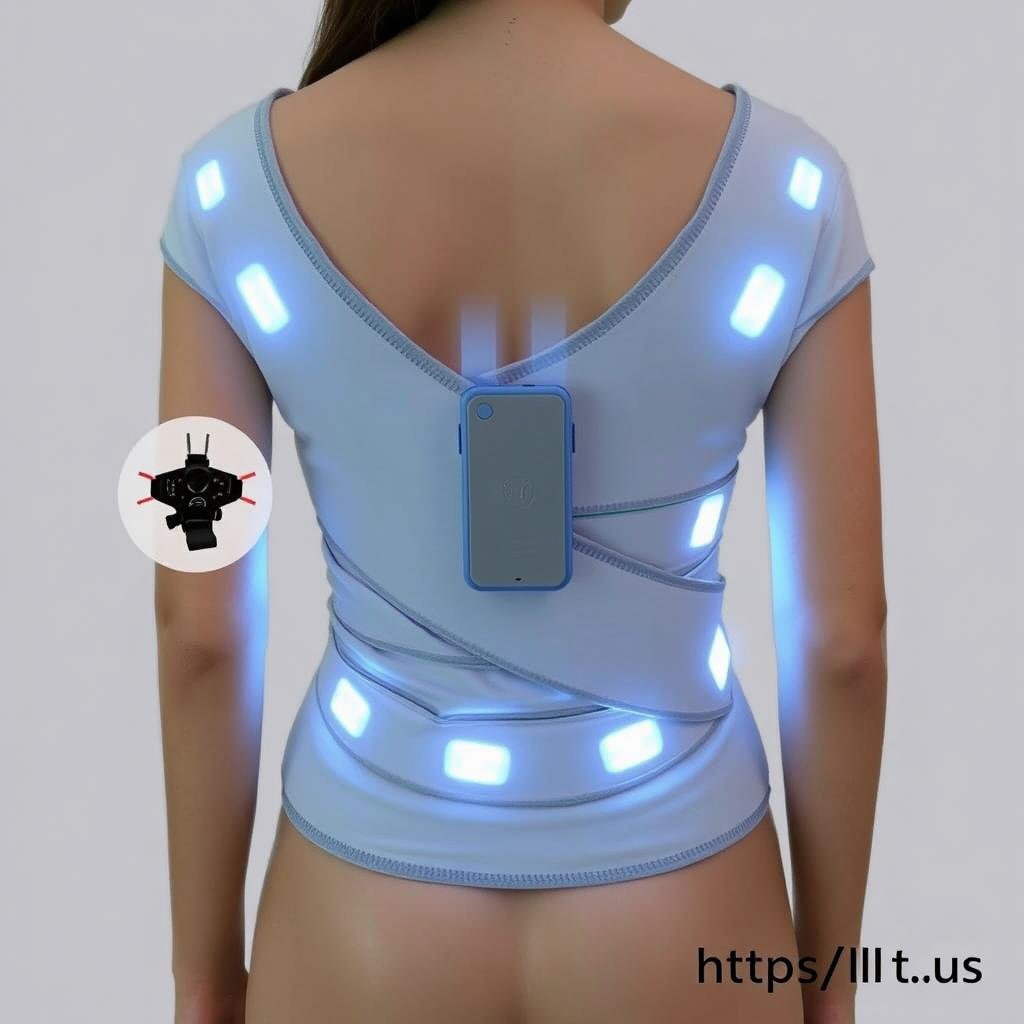
LLLT Clothing Device
Flexible, wearable light therapy for targeted treatment
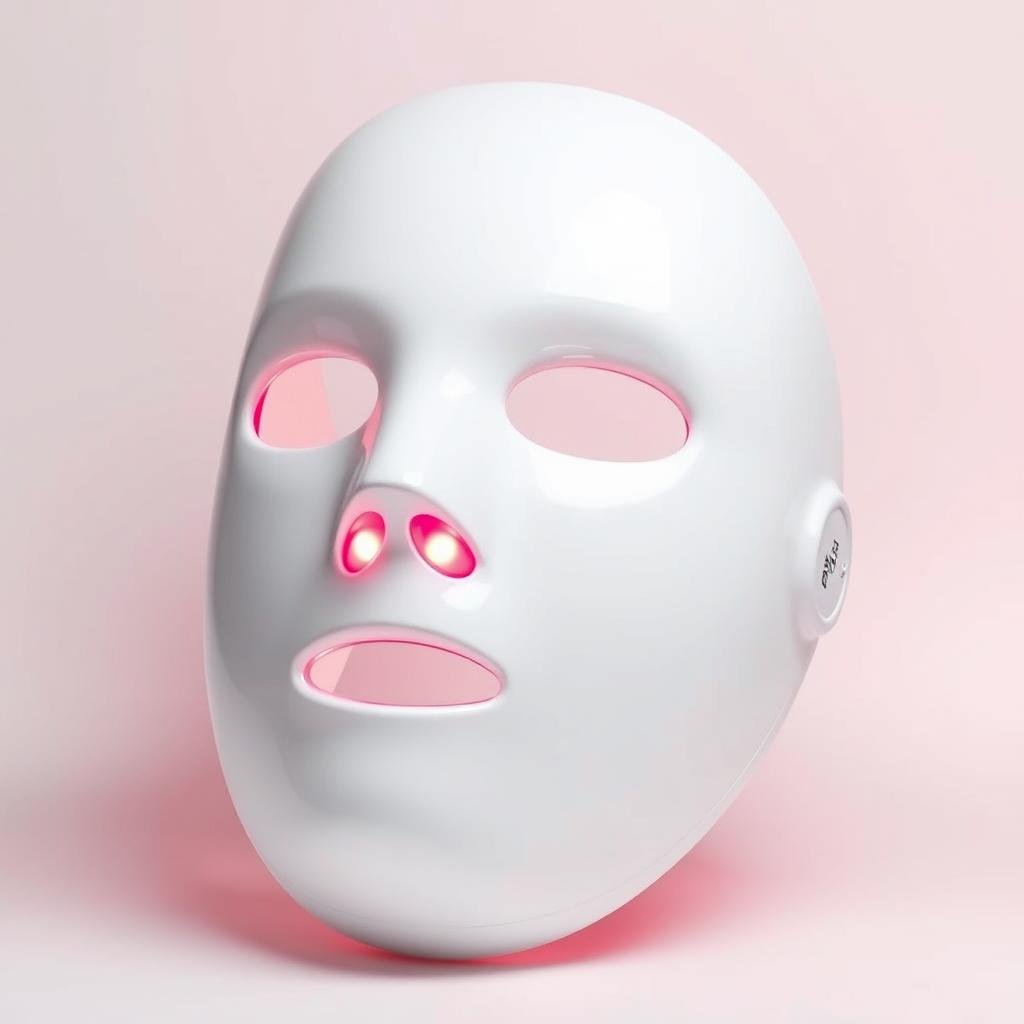
LLLT Mask
Facial photobiomodulation for skin rejuvenation
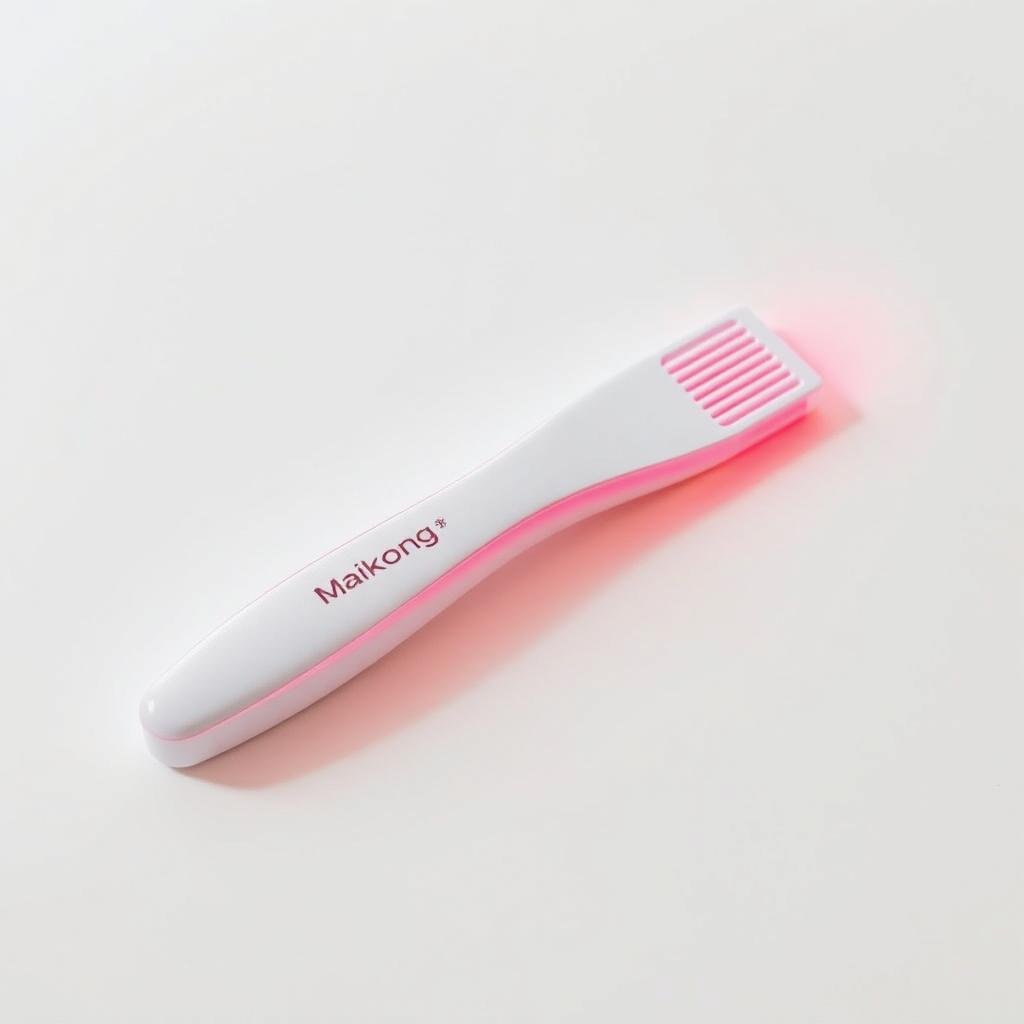
LLLT Comb
Scalp treatment for hair and skin health

LLLT Cap
Convenient head coverage for comprehensive treatment
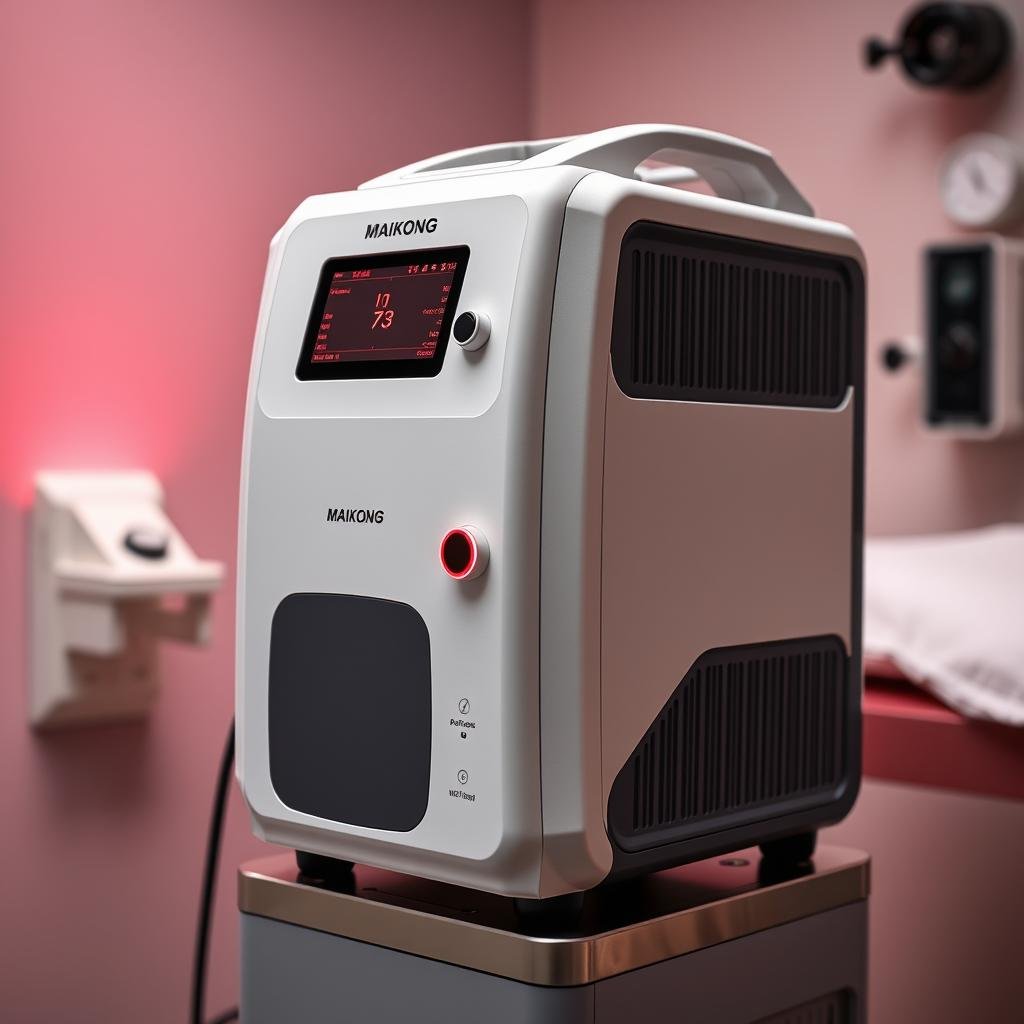
Professional LLLT Device
Clinical-grade equipment for healthcare providers
Discover MAIKONG’s Complete LLLT Product Range
Explore our full catalog of innovative light therapy solutions for various health and wellness applications.
Clinical Studies Supporting Tinnitus LLLT Therapy

Research continues to validate the effectiveness of LLLT for tinnitus management
The scientific foundation for Tinnitus LLLT Therapy has been growing steadily, with numerous studies examining its efficacy, optimal parameters, and mechanisms of action. Here, we review some of the most significant research supporting this innovative approach to tinnitus management.
Key Research Findings
- Okhovat et al. (2011): This self-controlled clinical trial found that LLLT significantly reduced tinnitus intensity in 60% of participants, with effects lasting up to six months post-treatment
- Teggi et al. (2009): Research demonstrated that transmeatal LLLT improved tinnitus symptoms in patients with cochlear dysfunction, particularly those with recent-onset tinnitus
- Mollasadeghi et al. (2013): This double-blind randomized clinical trial showed that LLLT was effective in managing tinnitus due to noise-induced hearing loss
- Gungor et al. (2008): Study reported significant improvements in tinnitus loudness, duration, and annoyance following low-power laser treatment
- Montazeri et al. (2017): Research demonstrated that LLLT could increase compound action potential amplitude without changing otoacoustic emissions, suggesting a mechanism for tinnitus relief
Meta-Analyses and Systematic Reviews
Comprehensive reviews of the available research have provided valuable insights into the overall effectiveness of Tinnitus LLLT Therapy:
“A 2022 systematic review concluded that while results vary across studies, LLLT shows promising results for specific tinnitus patient subgroups, particularly those with recent-onset tinnitus or those with tinnitus related to cochlear dysfunction.”
Optimal Treatment Parameters
Research has helped identify the most effective parameters for Tinnitus LLLT Therapy:
| Parameter | Optimal Range | Research Findings |
| Wavelength | 650-830nm | Near-infrared wavelengths (800-830nm) show better penetration to inner ear structures |
| Power Output | 5-100mW | Higher power (60-100mW) may provide better results for transmeatal application |
| Treatment Duration | 10-20 minutes | Longer sessions (15-20 minutes) show more consistent improvement |
| Treatment Frequency | 2-3 times weekly | Regular treatments over 4-12 weeks provide cumulative benefits |
| Total Sessions | 10-20 sessions | Minimum of 10 sessions recommended for lasting results |
MAIKONG’s Tinnitus LLLT Therapy devices are designed based on these research-backed parameters, offering optimal wavelengths, power settings, and treatment protocols to maximize therapeutic benefits.
Ongoing Research
The field of Tinnitus LLLT Therapy continues to evolve, with current research focusing on:
- Identifying patient subgroups most likely to benefit from LLLT
- Optimizing treatment protocols for different types of tinnitus
- Combining LLLT with other therapeutic approaches for enhanced outcomes
- Long-term efficacy and maintenance protocols
- Neuroimaging studies to better understand central effects of LLLT on auditory processing
MAIKONG remains at the forefront of these developments, continuously refining our devices and protocols based on the latest scientific evidence to provide the most effective Tinnitus LLLT Therapy solutions.
How to Use MAIKONG Devices for Tinnitus LLLT Therapy
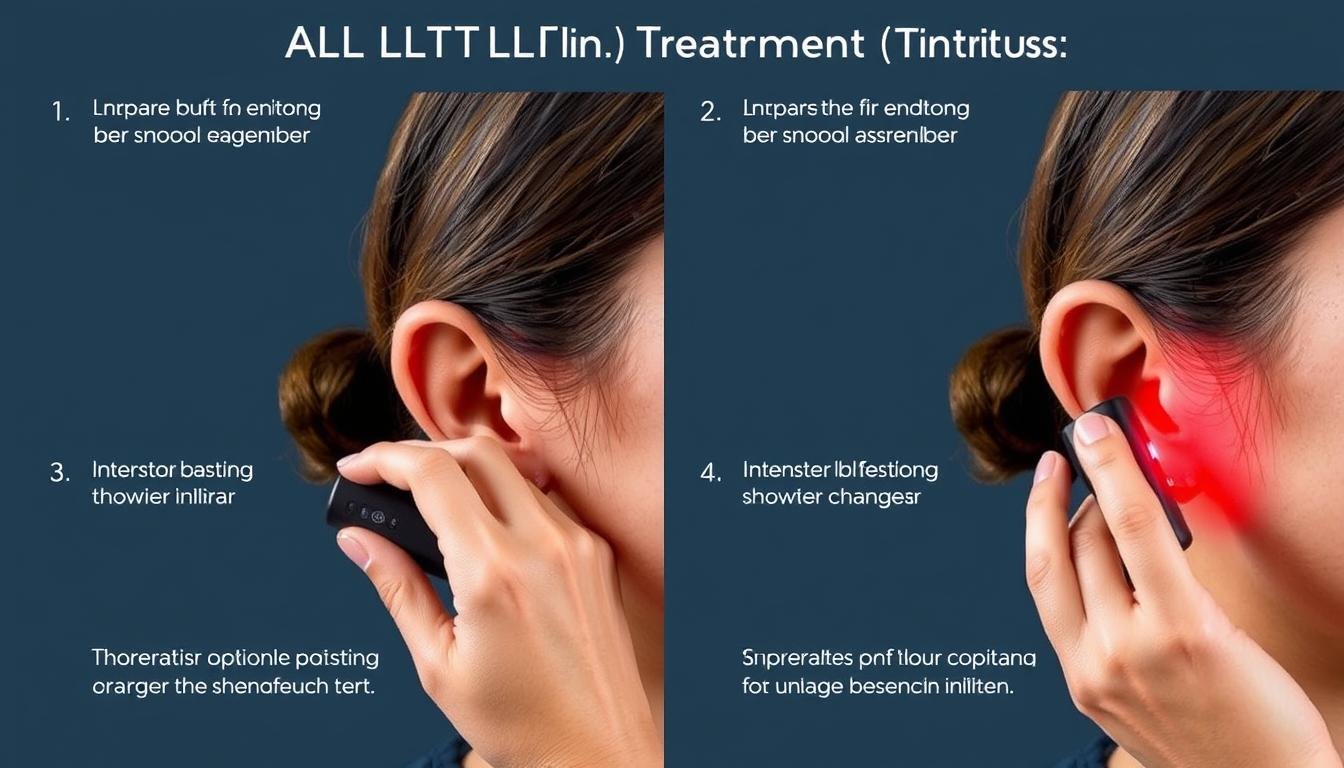
Proper application technique is essential for optimal therapeutic results
Achieving optimal results with Tinnitus LLLT Therapy requires proper device usage and adherence to recommended treatment protocols. Here’s a comprehensive guide to using MAIKONG’s LLLT devices for tinnitus management.
General Treatment Guidelines
- Consultation: Begin with a professional evaluation to determine if LLLT is appropriate for your specific tinnitus condition
- Device selection: Choose the appropriate MAIKONG device based on your tinnitus characteristics and treatment goals
- Environment preparation: Conduct treatments in a quiet, comfortable setting to minimize distractions
- Device preparation: Ensure the device is fully charged and properly sanitized before each use
- Positioning: Follow specific guidelines for proper device placement (transmeatal or mastoid application)
- Treatment duration: Adhere to recommended session length (typically 10-20 minutes)
- Treatment frequency: Follow the prescribed schedule (usually 2-3 sessions per week)
- Course completion: Complete the full recommended treatment course (typically 10-20 sessions)
- Maintenance: Follow guidelines for periodic maintenance sessions if recommended
Specific Device Instructions
MAIKONG LLLT Ear Device
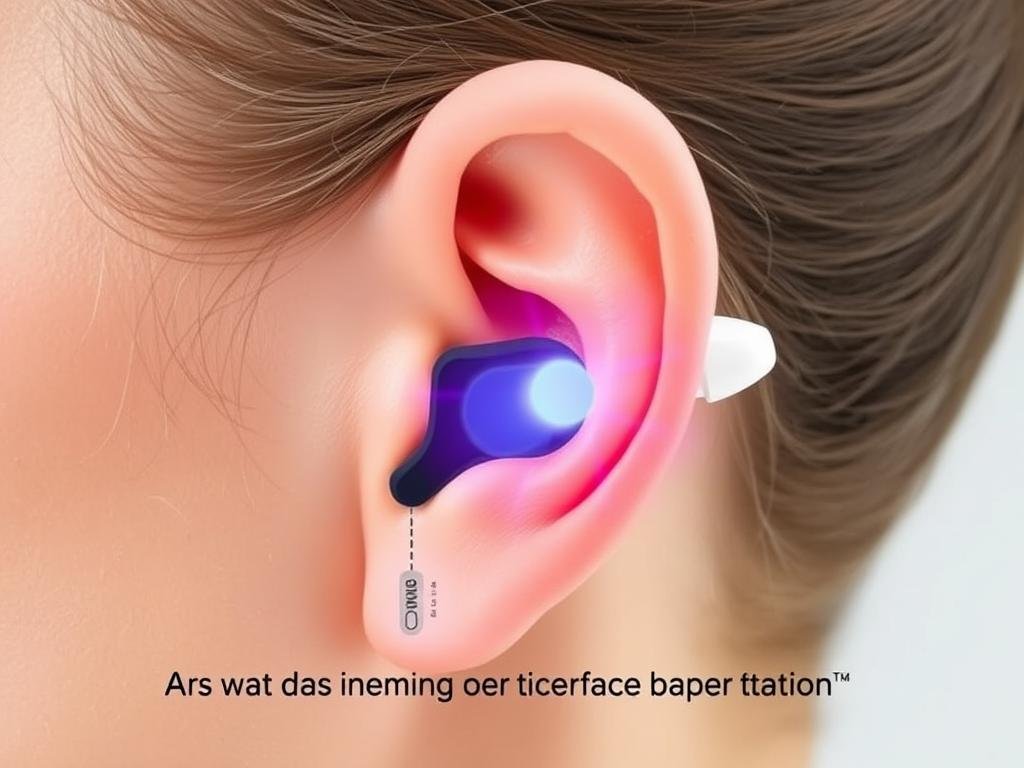
- Gently insert the specialized ear tip into the ear canal
- Position so light is directed toward the tympanic membrane
- Select appropriate power setting based on professional recommendation
- Activate device and remain still during the treatment period
- Device will automatically shut off when treatment is complete
MAIKONG LLLT Helmet
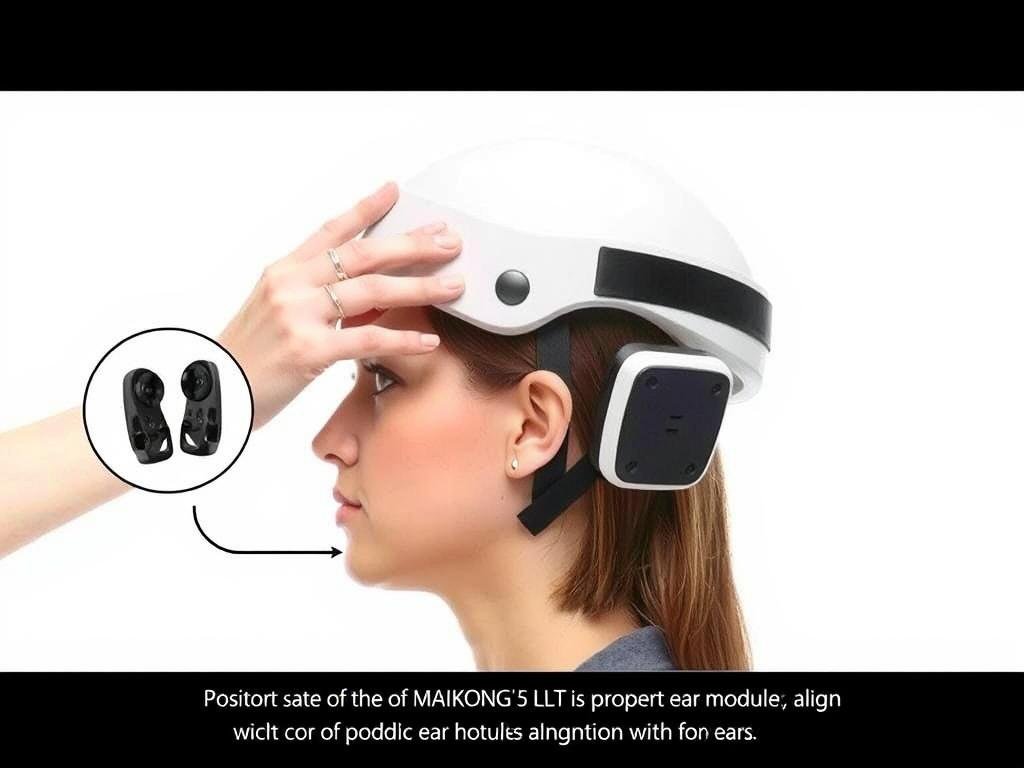
- Adjust helmet straps for comfortable, secure fit
- Ensure ear modules are properly aligned with ear canals
- Select appropriate treatment program using control panel
- Remain relaxed during the treatment session
- Helmet will signal when treatment is complete
Home Treatment Protocols
For patients using MAIKONG Home LLLT Devices:
Important: Home devices are designed to complement professional treatments, not replace them. Always follow your healthcare provider’s recommendations regarding treatment frequency and settings.
- Establish a consistent treatment schedule at the same time each day
- Create a quiet, distraction-free environment for each session
- Use only the pre-programmed settings recommended by your provider
- Keep a treatment journal to track changes in tinnitus symptoms
- Report any significant changes to your healthcare provider
- Return for professional follow-up evaluations as scheduled
Expected Timeline and Results
Understanding the typical timeline for Tinnitus LLLT Therapy helps set appropriate expectations:
| Treatment Phase | Timeline | Typical Experience |
| Initial Phase | Sessions 1-3 | Subtle changes may begin; some patients report temporary fluctuations in tinnitus |
| Early Response | Sessions 4-6 | Some patients begin noticing reduced tinnitus intensity or frequency |
| Mid-Treatment | Sessions 7-12 | More consistent improvements; reduced tinnitus awareness and distress |
| Completion | Sessions 13-20 | Maximum therapeutic benefit; stabilization of improvements |
| Maintenance | As needed | Periodic sessions to maintain benefits; frequency determined by individual response |
Individual responses to Tinnitus LLLT Therapy vary based on tinnitus duration, underlying causes, and other factors. Your healthcare provider will help you understand what to expect based on your specific situation.
Comparing Tinnitus LLLT Therapy with Other Treatments

LLLT offers unique advantages compared to conventional tinnitus treatments
When considering treatment options for tinnitus, it’s important to understand how Tinnitus LLLT Therapy compares to other available approaches. Each treatment has its own mechanisms, benefits, limitations, and suitability for different types of tinnitus.
Comprehensive Treatment Comparison
| Treatment Approach | Mechanism | Advantages | Limitations | Best For |
| Tinnitus LLLT Therapy | Photobiomodulation of cochlear cells and potentially central auditory pathways | Non-invasive, no side effects, addresses underlying mechanisms, potential for lasting relief | Requires multiple sessions, results vary, not universally effective | Cochlear dysfunction, recent-onset tinnitus, sensorineural hearing loss-related tinnitus |
| Hearing Aids | Amplify external sounds to mask tinnitus and reduce strain | Dual benefit for hearing loss, immediate effect, well-established | Only helpful with concurrent hearing loss, doesn’t address underlying cause | Tinnitus with significant hearing loss |
| Sound Therapy | Uses external sounds to mask or distract from tinnitus | Non-invasive, accessible, can provide immediate relief | Temporary relief, doesn’t address underlying cause | Sleep disturbances, situational tinnitus distress |
| Cognitive Behavioral Therapy (CBT) | Modifies emotional and cognitive response to tinnitus | Evidence-based, addresses psychological impact | Doesn’t reduce actual tinnitus, requires commitment | Significant emotional distress from tinnitus |
| Medications | Various (anti-anxiety, antidepressants, etc.) | May help related symptoms (anxiety, depression, insomnia) | Side effects, not specific to tinnitus, temporary | Tinnitus with significant comorbid conditions |
| Tinnitus Retraining Therapy (TRT) | Combines sound therapy and counseling to habituate to tinnitus | Comprehensive approach, good long-term results | Time-intensive (12-24 months), requires specialist | Chronic tinnitus with significant impact on quality of life |
Complementary Approaches
Many tinnitus specialists recommend combining multiple approaches for optimal results. Tinnitus LLLT Therapy can be effectively integrated with:
- Hearing aids (for those with hearing loss)
- Sound therapy or masking devices
- Cognitive Behavioral Therapy
- Tinnitus Retraining Therapy
- Stress management techniques
- Dietary and lifestyle modifications
Making an Informed Treatment Decision
When considering Tinnitus LLLT Therapy, several factors should influence your decision:
- Tinnitus characteristics: Duration, severity, and underlying causes
- Previous treatments: Response to other interventions
- Concurrent conditions: Presence of hearing loss or other health issues
- Treatment goals: Symptom reduction vs. complete resolution
- Commitment: Ability to adhere to the treatment protocol
- Provider expertise: Access to qualified professionals with LLLT experience
“The most successful tinnitus management often involves a personalized, multi-faceted approach that addresses both the physiological and psychological aspects of the condition.”
MAIKONG’s Tinnitus LLLT Therapy devices are designed to be integrated into comprehensive tinnitus management plans, providing a valuable tool that addresses underlying mechanisms while complementing other therapeutic approaches.
Become a MAIKONG Distributor in the United States

Join our growing network of MAIKONG distributors across the United States
As awareness of Tinnitus LLLT Therapy continues to grow, MAIKONG is expanding our network of authorized distributors throughout the United States. We invite healthcare professionals, medical equipment suppliers, and entrepreneurs to join us in bringing these innovative therapeutic solutions to the millions of Americans suffering from tinnitus.
Why Partner with MAIKONG?
Benefits of Becoming a MAIKONG Distributor
- Exclusive Territory Rights: Protected sales regions to maximize your market potential
- Comprehensive Training: In-depth product knowledge and sales support
- Marketing Support: Co-branded materials, digital assets, and promotional strategies
- Competitive Pricing: Industry-leading margins on high-quality devices
- Growing Market: Expanding demand for non-invasive tinnitus solutions
- Diverse Product Line: Complete range of LLLT devices for various applications
- Technical Support: Ongoing assistance for you and your customers
- Innovation Leadership: Regular product updates based on latest research
Distributor Requirements
We seek partners who share our commitment to improving tinnitus care through innovative technology. Ideal MAIKONG distributors will have:
- Established relationships with audiologists, ENT specialists, or tinnitus clinics
- Experience in medical device sales or healthcare services
- Commitment to customer education and support
- Financial capacity for initial inventory investment
- Dedication to ethical business practices and patient care
Our Distributor Support Program
Initial Onboarding
- Comprehensive product training
- Sales and marketing strategies
- Territory analysis and planning
- Initial inventory package
Ongoing Support
- Regular product updates
- Technical support hotline
- Marketing materials and campaigns
- Business development assistance
Become a MAIKONG Distributor Today
Join our mission to bring effective Tinnitus LLLT Therapy solutions to patients across the United States. Contact our distributor relations team to learn more about this exciting opportunity.
Email: Lucy@lllt.us
Frequently Asked Questions About Tinnitus LLLT Therapy

Understanding the key aspects of LLLT can help patients make informed decisions
How does Tinnitus LLLT Therapy differ from other tinnitus treatments?
Unlike many conventional treatments that focus on masking tinnitus or managing its psychological impact, Tinnitus LLLT Therapy targets potential underlying physiological mechanisms. It uses specific wavelengths of light to stimulate cellular repair, improve blood flow to the inner ear, and potentially modulate neural activity in the auditory pathways. This approach addresses both peripheral (cochlear) and potentially central aspects of tinnitus generation, offering a more comprehensive treatment strategy.
Is Tinnitus LLLT Therapy effective for all types of tinnitus?
Research suggests that LLLT may be more effective for certain types of tinnitus, particularly those associated with cochlear dysfunction, sensorineural hearing loss, or recent onset tinnitus. Results vary based on the underlying cause, duration, and severity of tinnitus. Some patients experience significant improvement, while others may have more modest results. A professional evaluation can help determine if you’re a good candidate for this therapy based on your specific tinnitus characteristics.
How many Tinnitus LLLT Therapy sessions are typically needed?
Most clinical protocols recommend 10-20 sessions, typically delivered 2-3 times per week over a period of 4-10 weeks. Some patients begin noticing improvements after 4-6 sessions, while others may require the full course to experience significant benefits. Following the initial treatment series, maintenance sessions may be recommended based on individual response. Your healthcare provider will develop a personalized treatment plan based on your specific needs and response to therapy.
Are there any side effects or risks associated with Tinnitus LLLT Therapy?
LLLT is generally considered very safe with minimal risk of side effects. The low-power lasers used in Tinnitus LLLT Therapy do not generate heat that could damage tissue. Some patients report temporary fluctuations in their tinnitus during the initial treatment phase, but these typically resolve as treatment progresses. MAIKONG devices include multiple safety features and are designed to be used according to established therapeutic protocols to ensure both safety and efficacy.
Can I use MAIKONG LLLT devices at home for tinnitus treatment?
MAIKONG offers home-use devices specifically designed for Tinnitus LLLT Therapy that can be used as part of a professionally supervised treatment plan. These devices feature pre-programmed settings and safety features for proper home use. However, we recommend beginning with professional evaluation and treatment to establish the appropriate protocol for your specific condition. Home devices are best used as a complement to professional care rather than a complete replacement.
How soon might I notice results from Tinnitus LLLT Therapy?
The timeline for experiencing benefits varies considerably among patients. Some report noticeable improvements after 3-4 sessions, while others may require 8-10 sessions before experiencing significant changes. Factors that influence response time include tinnitus duration, underlying causes, severity, and individual physiological factors. It’s important to complete the full recommended treatment course even if early improvements are modest, as the benefits of LLLT often accumulate over time.
How can healthcare providers offer Tinnitus LLLT Therapy in their practice?
Healthcare providers interested in offering Tinnitus LLLT Therapy can partner with MAIKONG as authorized providers. We offer comprehensive clinical packages that include professional-grade devices, training, treatment protocols, and ongoing support. This enables audiologists, ENT specialists, and tinnitus clinics to integrate this innovative therapy into their practice. Contact our professional services team at Lucy@lllt.us or call +86 13510907401 to learn more about becoming an authorized MAIKONG provider.
Conclusion: The Future of Tinnitus LLLT Therapy
As research continues to advance our understanding of tinnitus mechanisms and the therapeutic potential of photobiomodulation, Tinnitus LLLT Therapy stands as a promising frontier in non-invasive tinnitus management. By addressing both peripheral and potentially central aspects of tinnitus generation, this innovative approach offers hope to millions seeking relief from this challenging condition.
MAIKONG remains committed to advancing the field through continuous innovation, research collaboration, and development of state-of-the-art LLLT devices. Our comprehensive range of products provides solutions for both clinical and home use, making this therapy more accessible to those who need it.
Whether you’re a tinnitus sufferer seeking relief, a healthcare provider looking to expand your treatment offerings, or a potential distributor interested in bringing these innovative solutions to your market, we invite you to explore the potential of Tinnitus LLLT Therapy with MAIKONG.
Contact MAIKONG Today
For more information about our Tinnitus LLLT Therapy devices or distribution opportunities, reach out to our team.
Email: Lucy@lllt.us
Website: https://lllt.us
Copy©2025