LLLT Therapy Device

Understanding Tinnitus and the Emergence of LLLT in Tinnitus Therapy
Tinnitus affects approximately 15-20% of people worldwide, characterized by phantom sound perception without external stimuli. This condition can significantly impact quality of life, causing sleep disturbances, concentration difficulties, and psychological distress. Traditional treatments including medications, sound therapy, and cognitive behavioral approaches have shown limited success for many patients.

The complex nature of tinnitus involves multiple auditory pathways and potential treatment targets. https://lllt.us
The introduction of low-level laser therapy represented a paradigm shift in tinnitus treatment approaches. Unlike high-power surgical lasers, LLLT uses low-energy lasers or light-emitting diodes to stimulate cellular function without causing thermal damage. The application of this technology to tinnitus management began in the 1990s, opening a new chapter in auditory rehabilitation.
Early Development and Foundational Research
The foundations of LLLT in Tinnitus Therapy were established in the early 1990s when researchers began exploring the potential benefits of photobiomodulation for auditory disorders. The first documented applications came from European research centers, particularly in Germany and Austria.
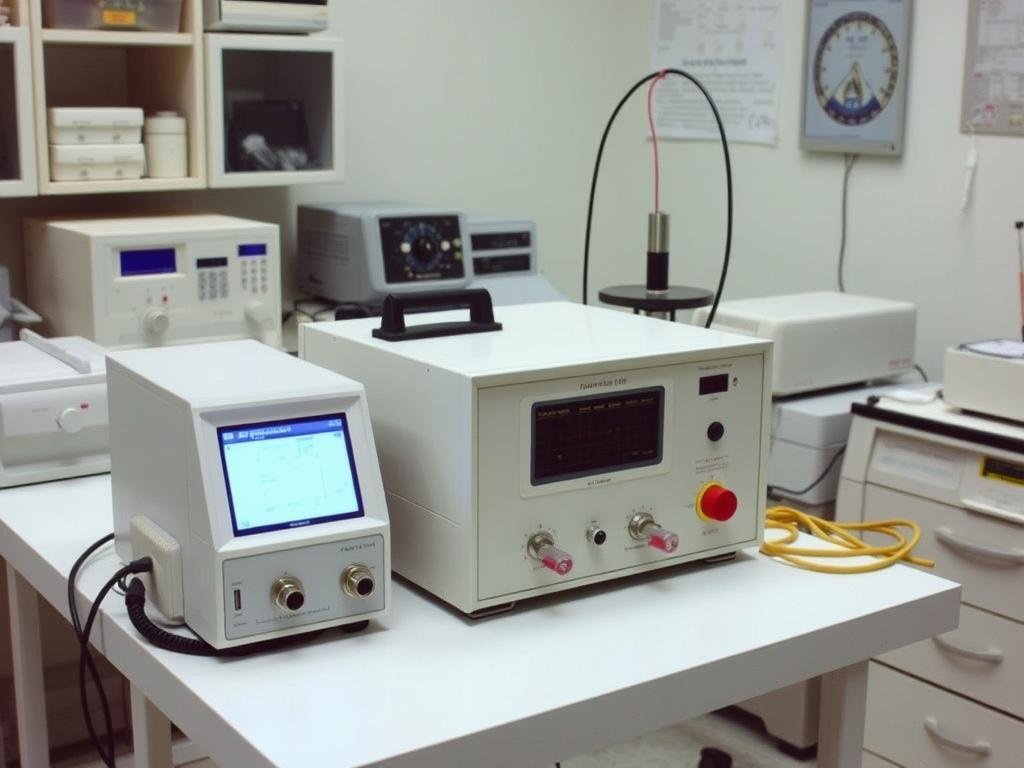
One of the earliest LLLT devices used in tinnitus research during the 1990s. https://lllt.us
Pioneering Studies in LLLT in Tinnitus Therapy
The earliest published research on LLLT for tinnitus appeared in 1993 when Partheniadis-Stumpf and colleagues conducted a small study combining soft laser therapy with medication. This preliminary work suggested potential benefits, though with limited scientific rigor by today’s standards.
A more significant milestone came in 1997 when Shiomi et al. published results on transmeatal low-power laser irradiation for tinnitus. Their findings indicated temporary suppression of tinnitus symptoms in some patients, generating interest in the medical community despite the modest sample size.
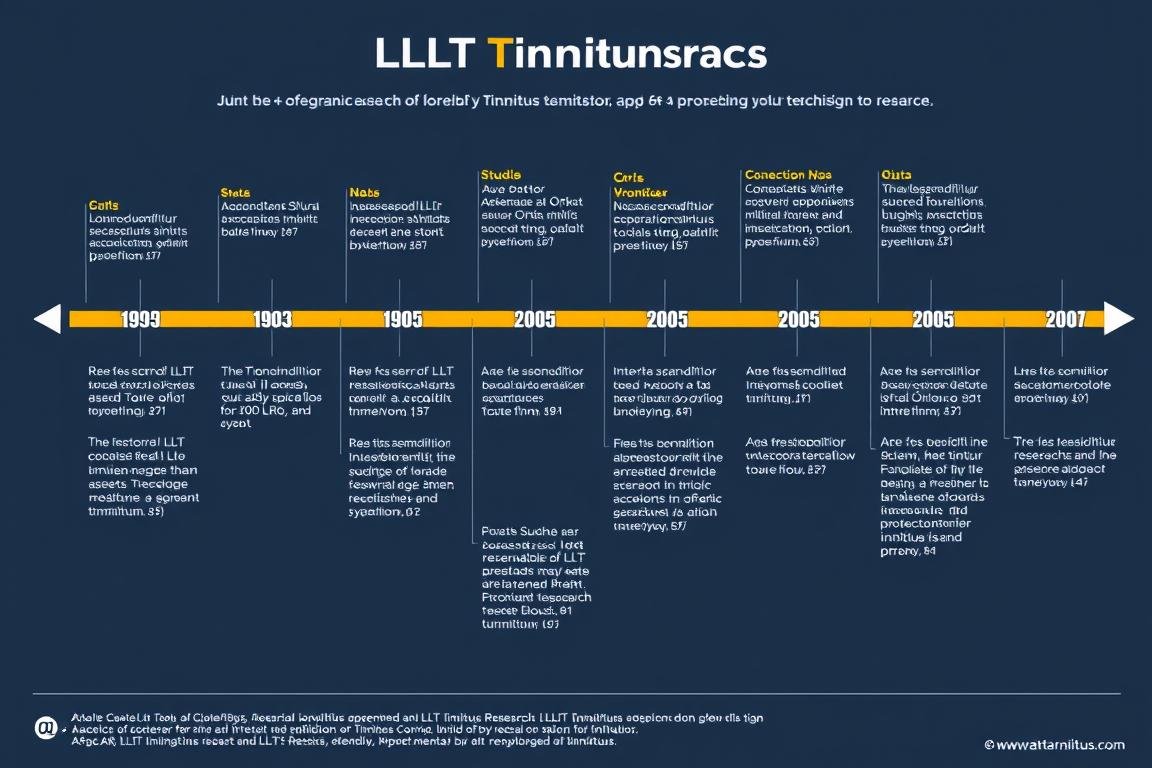
Timeline of early research milestones in LLLT application for tinnitus treatment. https://lllt.us
Theoretical Mechanisms of Action
Understanding how LLLT in Tinnitus Therapy works has evolved significantly over the decades. Several theoretical mechanisms have been proposed to explain its potential benefits for tinnitus sufferers.
Cellular Biostimulation
LLLT stimulates mitochondrial function in hair cells, potentially increasing ATP production and cellular energy availability. This may help repair damaged cochlear cells associated with tinnitus.
Improved Microcirculation
Laser therapy increases blood flow through sympathetic neural inhibition, potentially improving oxygen supply to hypoxic cochlear tissues implicated in tinnitus generation.
Neural Modulation
LLLT may influence neural activity in auditory pathways, potentially reducing the hyperexcitability associated with tinnitus perception in central auditory structures.
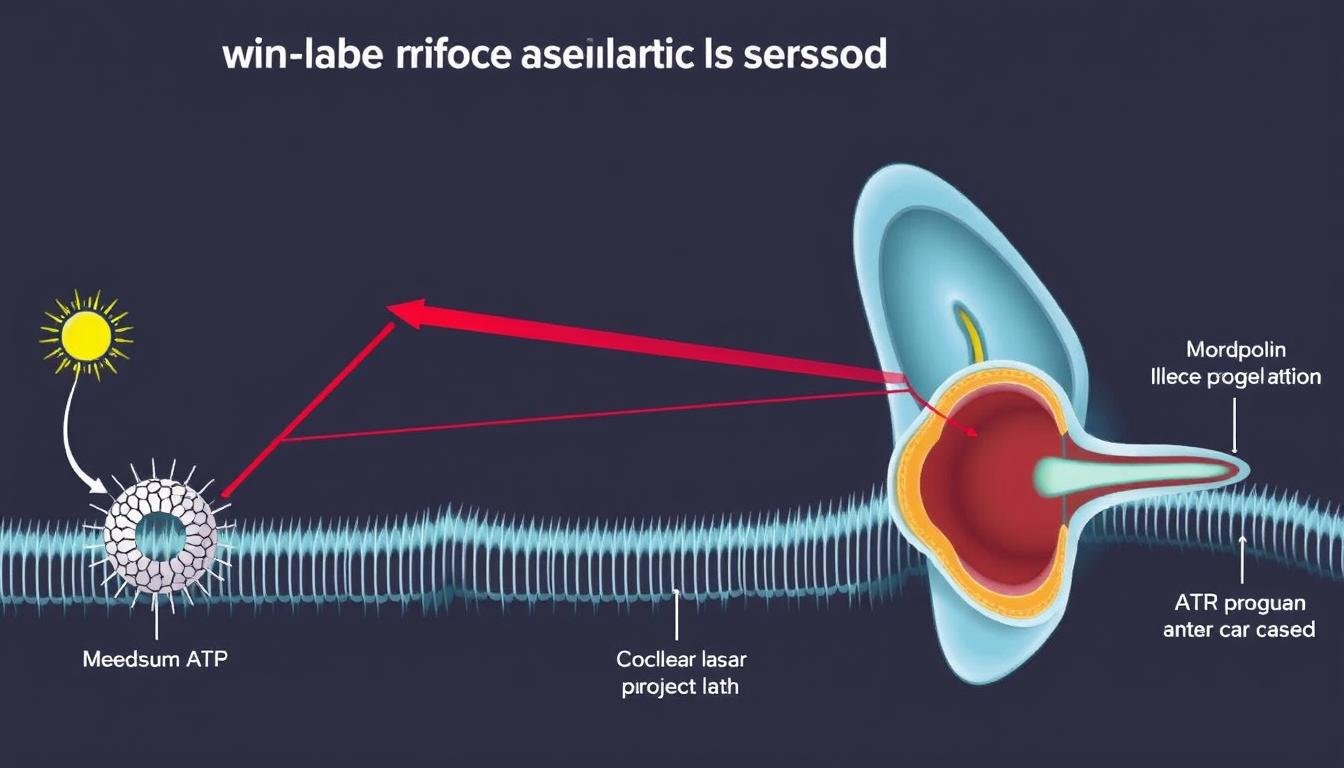
Cellular mechanisms proposed for LLLT effects on cochlear function and tinnitus reduction. https://lllt.us
Research by Tauber et al. (2003) proposed that LLLT may enhance hair cell survival following damage, potentially addressing a root cause of tinnitus. Animal studies later demonstrated that LLLT with wavelengths of 810-830 nm could promote hair cell survival following gentamicin damage and reduce salicylate-induced tinnitus.
Technological Evolution of LLLT Devices
The equipment used for LLLT in Tinnitus Therapy has undergone significant evolution since its inception. Early devices were basic, with limited control over treatment parameters and delivery methods.

The evolution of LLLT devices from early clinical models to modern MAIKONG precision instruments. https://lllt.us
Key Technological Parameters
Several critical parameters have been identified as important in determining the efficacy of LLLT for tinnitus:
| Parameter | Early Devices (1990s) | Intermediate (2000s) | Modern MAIKONG Devices |
| Wavelength | 650 nm (red light) | 650-810 nm | Optimized 810-830 nm (near-infrared) |
| Power Output | 5 mW | 5-60 mW | Adjustable 5-100 mW |
| Delivery Method | Basic transmeatal | Transmeatal or mastoid | Precision transmeatal with optimal penetration |
| Treatment Control | Manual timing | Basic programmable | Advanced digital control with presets |
| Beam Precision | Limited | Moderate | High precision targeting |
The evolution toward higher wavelengths (810-830 nm) represents a significant advancement, as research has shown these wavelengths penetrate deeper into cochlear tissues with less absorption by water and other tissues. MAIKONG has been at the forefront of implementing these research-backed parameters in their modern LLLT devices.
Clinical Studies and Evidence Base for LLLT in Tinnitus Therapy
The scientific literature on LLLT for tinnitus presents mixed results, reflecting the complexity of tinnitus as a condition and variations in treatment protocols. Several key studies have shaped our understanding of this therapeutic approach.
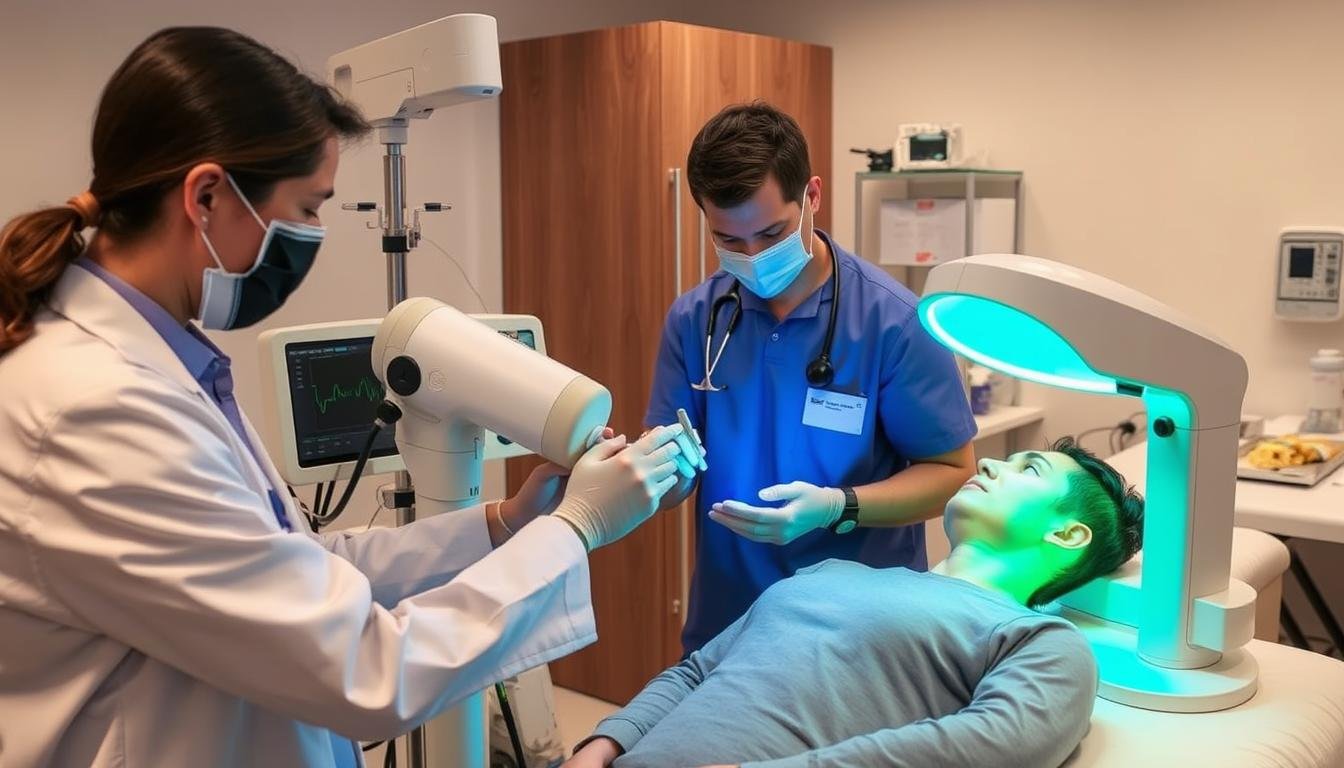
Clinical research setting for evaluation of LLLT efficacy in tinnitus treatment. https://lllt.us
Landmark Studies in LLLT in Tinnitus Therapy
Nakashima et al. (2002)
This study used 60 mW, 810 nm laser in 68 ears, finding no significant difference between active and placebo treatments. However, it established important safety parameters for transmeatal laser application.
Gungor et al. (2008)
Using a 5 mW, 650 nm laser for 15 minutes daily over one week, this study reported improvements in loudness, duration, and annoyance of tinnitus compared to placebo, suggesting potential efficacy.
Okhovat et al. (2011)
This self-controlled clinical trial used a 5 mW, 650 nm laser for 20 minutes daily over 20 days. Results showed significant reduction in tinnitus severity, with complete resolution in 11 of 61 patients.
Teggi et al. (2009)
Using a 5 mW, 650 nm laser for 20 minutes daily over 3 months, this study found no significant efficacy for tinnitus treatment, highlighting the variability in outcomes.
Choi et al. (2019)
This recent study employed a higher-powered 100 mW, 830 nm laser, representing the newer generation of LLLT devices. While not showing statistically significant differences between treatment and control groups, it established the safety of higher-power protocols.
A 2020 meta-analysis by Chen et al. examined the collective evidence and concluded that while some studies show promising results, the overall efficacy remains controversial. The analysis highlighted the need for standardized protocols and larger, well-designed clinical trials.
Evolution of Treatment Protocols
The application methods and treatment schedules for LLLT in Tinnitus Therapy have evolved considerably based on clinical experience and research findings.

Proper application technique for transmeatal LLLT using a MAIKONG device. https://lllt.us
Delivery Methods
Two primary approaches have been used for delivering laser energy to the cochlea:
Transmeatal Delivery
The most common approach involves directing the laser through the ear canal to the tympanic membrane. This method provides a more direct path to the cochlea with less bone interference, potentially allowing greater energy delivery to target tissues.
Transmastoid Delivery
Some protocols apply the laser to the mastoid bone behind the ear. While this approach may be less effective due to greater bone absorption of laser energy, it has been explored in studies like Mollasadeghi et al. (2013).
Treatment Schedules
Treatment duration and frequency have varied widely across studies:
- Session duration: Typically 10-20 minutes per treatment
- Treatment frequency: From daily applications to 3-5 times weekly
- Total treatment course: Ranging from 1-3 weeks to 3 months
- Follow-up protocols: Variable, from immediate assessment to 3-month follow-up
Modern protocols have trended toward higher-power, shorter-duration treatments with near-infrared wavelengths, reflecting the evolution of the technology and our understanding of optimal parameters.
Patient Selection and Response Factors
Research has identified several factors that may influence the effectiveness of LLLT in Tinnitus Therapy for individual patients.
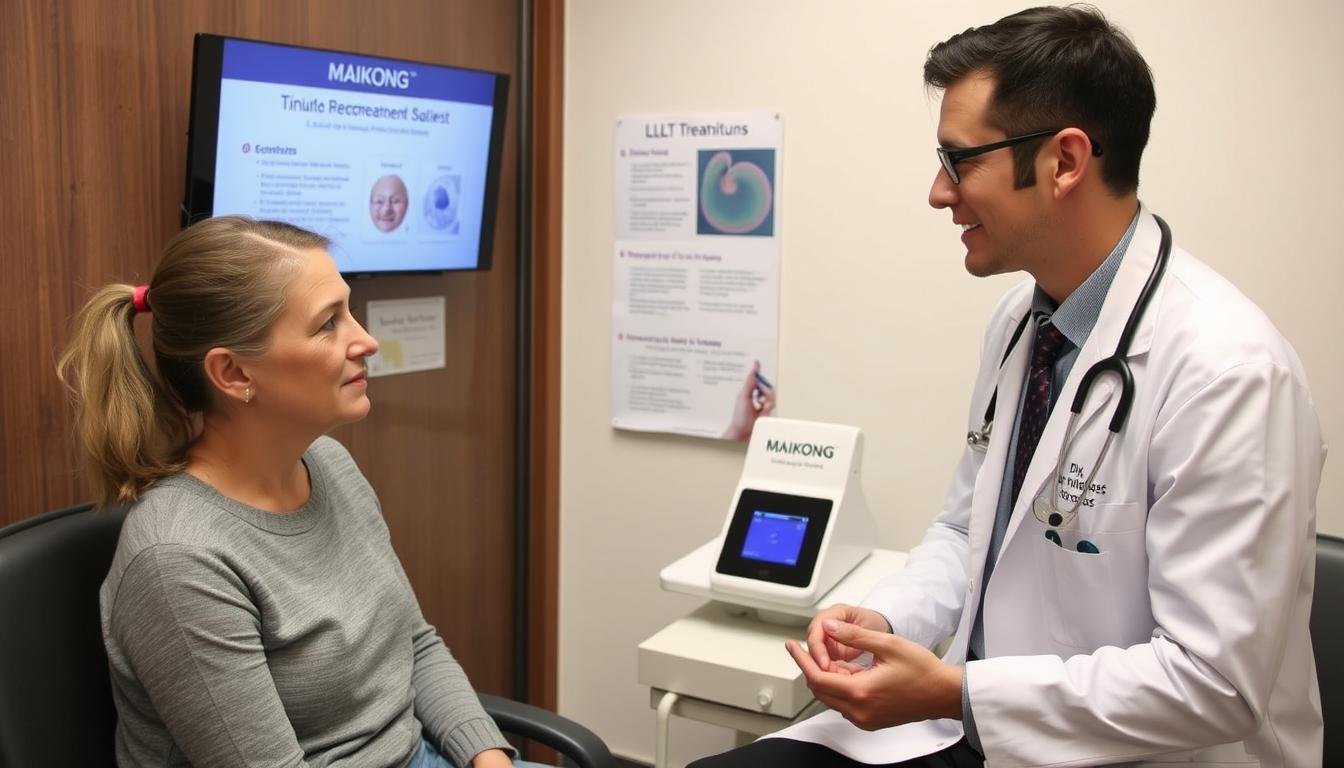
Patient consultation is critical for determining suitability for LLLT treatment. https://lllt.us
Factors Affecting LLLT in Tinnitus Therapy Outcomes
Positive Response Indicators
- Younger age (studies show better outcomes in younger patients)
- Shorter tinnitus duration (less than 3 years)
- Tinnitus associated with specific causes like noise-induced hearing loss
- Lower baseline tinnitus severity
- Absence of severe psychiatric comorbidities
Challenging Factors
- Advanced age (reduced cellular response to photobiomodulation)
- Very long-standing tinnitus (over 5 years)
- Severe hearing loss
- Central-origin tinnitus
- Significant psychological overlay
The study by Okhovat et al. (2011) specifically noted that younger patients showed significantly better treatment outcomes, suggesting age-related factors in cellular response to laser stimulation. Additionally, workplace noise exposure appeared to influence treatment efficacy in male patients.
Modern Applications and MAIKONG Solutions
Today’s LLLT in Tinnitus Therapy landscape features advanced devices with optimized parameters based on decades of research and clinical experience. MAIKONG has emerged as a leader in this field with innovative solutions designed for both clinical and home use.
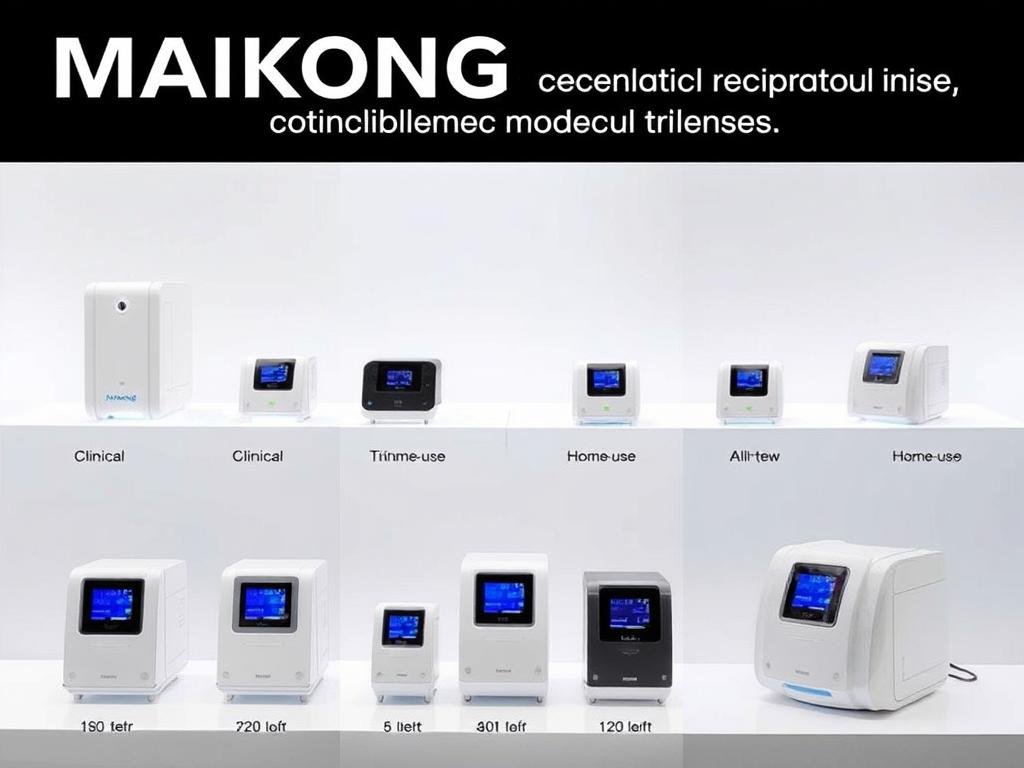
MAIKONG’s comprehensive range of LLLT devices for tinnitus management. https://lllt.us
MAIKONG’s Innovative LLLT Solutions
MAIKONG has developed a comprehensive range of devices specifically optimized for tinnitus therapy:
LLLT Laser Therapy Device
Professional-grade system with adjustable power (5-100 mW) and wavelength options (650-830 nm), designed for clinical settings with precise control over treatment parameters.
LLLT Home Device
Compact, user-friendly system for home treatment, featuring simplified controls while maintaining therapeutic efficacy with optimal 810 nm wavelength delivery.
LLLT Helmet
Innovative solution combining transmeatal delivery with broader photobiomodulation of auditory processing areas, addressing both peripheral and central aspects of tinnitus.
Experience MAIKONG’s Advanced LLLT Technology
Our devices combine decades of research with cutting-edge engineering to deliver optimal therapeutic parameters for tinnitus management. Contact us to learn more about our complete range of solutions.
Comparative Analysis with Other Tinnitus Treatments
To understand the place of LLLT in Tinnitus Therapy within the broader treatment landscape, it’s helpful to compare it with other established and emerging approaches.
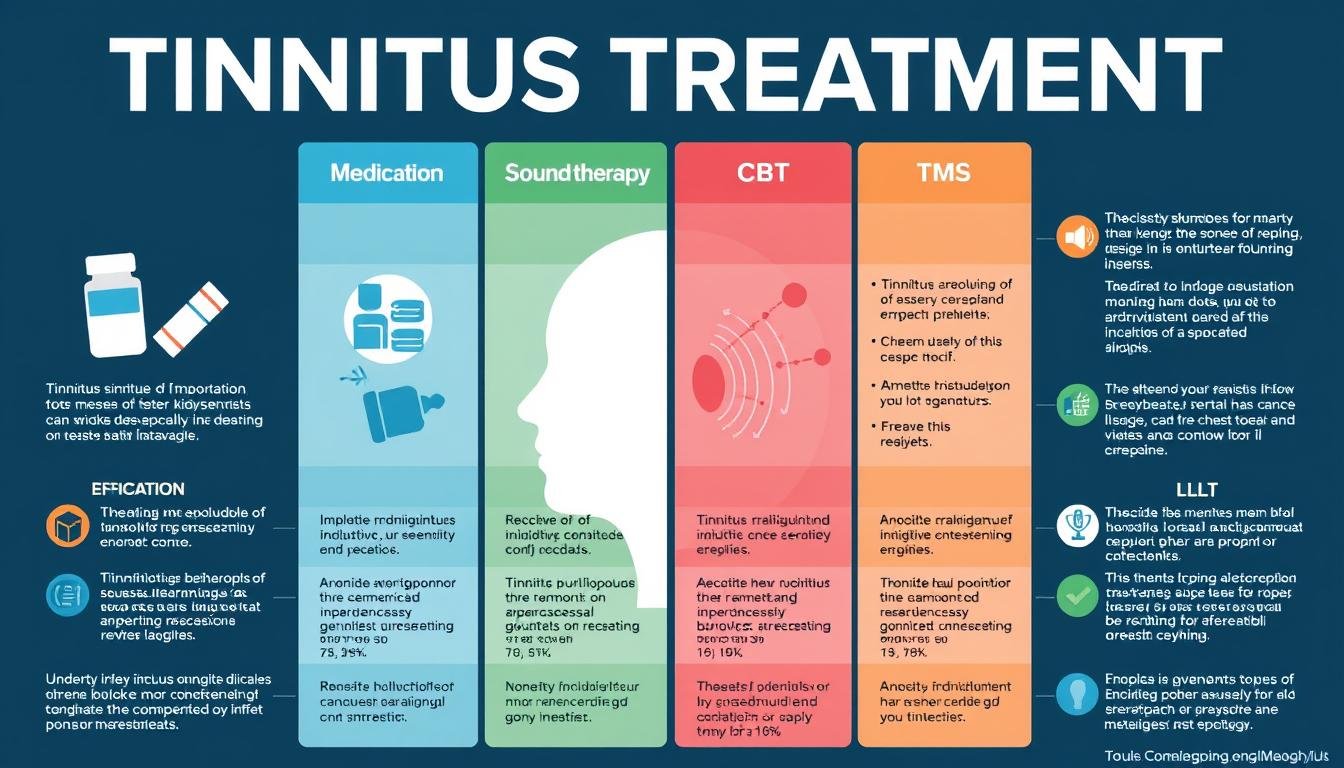
Comparative overview of major tinnitus treatment approaches. https://lllt.us
| Treatment Approach | Mechanism | Invasiveness | Evidence Level | ` |
| Pharmacotherapy | Various (depends on medication) | Low | Moderate (variable) | Common, can be significant |
| Sound Therapy | Masking or habituation | Low | Moderate to good | Minimal |
| Cognitive Behavioral Therapy | Psychological adaptation | Low | Good | Minimal |
| Transcranial Magnetic Stimulation | Neural modulation | Moderate | Emerging | Moderate |
| LLLT (MAIKONG) | Cellular biostimulation | Low | Emerging to moderate | Minimal |
The advantages of LLLT include its non-invasive nature, minimal side effects, and potential to address underlying cellular mechanisms rather than simply masking symptoms. While the evidence base continues to develop, LLLT represents a promising complementary approach that can be integrated with other treatment modalities.
Future Directions in LLLT in Tinnitus Therapy
The field of LLLT for tinnitus continues to evolve, with several promising developments on the horizon that may further enhance its efficacy and accessibility.
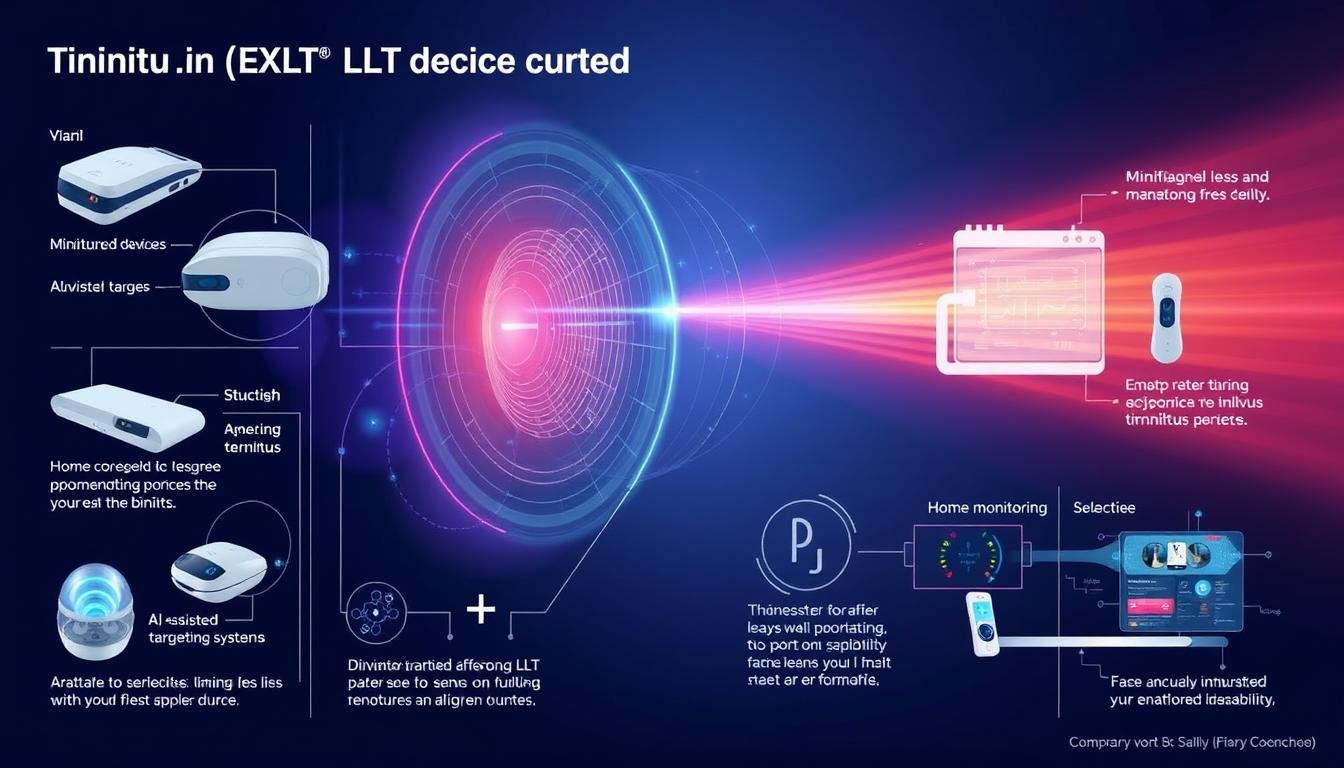
Emerging innovations in LLLT technology for enhanced tinnitus treatment. https://lllt.us
Emerging Trends in LLLT in Tinnitus Therapy
Parameter Optimization
Ongoing research is refining the optimal wavelengths, power densities, and treatment schedules for different tinnitus subtypes, moving toward more personalized protocols.
Combination Therapies
Integrating LLLT with sound therapy, cognitive approaches, or specific supplements may provide synergistic effects for enhanced tinnitus management.
Advanced Delivery Systems
MAIKONG is developing next-generation delivery systems with improved penetration and precision targeting of cochlear structures.
The future may also see greater integration of LLLT into mainstream tinnitus management protocols as the evidence base continues to grow and technology advances. MAIKONG remains committed to leading this innovation through continued research and development.
“The evolution of LLLT for tinnitus represents a promising frontier in non-invasive auditory rehabilitation. As our understanding of the underlying mechanisms improves and technology advances, we anticipate increasingly effective and personalized treatment options for tinnitus sufferers.”
MAIKONG: Leading the Future of LLLT Technology
As a pioneer in LLLT technology, MAIKONG is actively expanding its presence in the US market through strategic partnerships with healthcare providers and distributors.
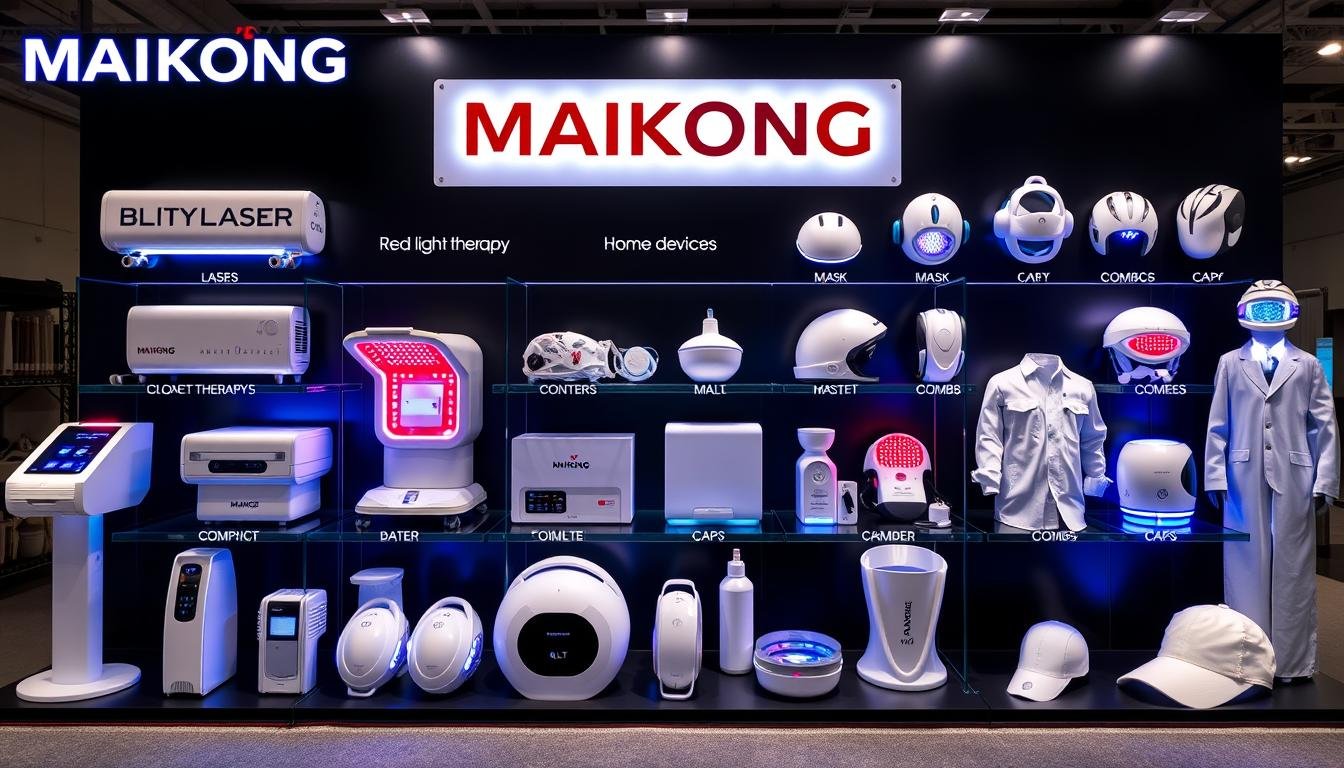
MAIKONG’s comprehensive product line includes specialized LLLT devices for various applications. https://lllt.us
MAIKONG Product Portfolio
Beyond tinnitus-specific devices, MAIKONG offers a comprehensive range of LLLT solutions:
- LLLT laser therapy devices for clinical settings
- Red light therapy beds for full-body treatment
- LLLT clothing devices for targeted application
- LLLT helmets for neurological applications
- LLLT home devices for convenient daily use
- LLLT masks for facial treatments
- LLLT combs for scalp and hair therapy
- LLLT caps for convenient head applications
Agent Opportunities Across the USA
MAIKONG is actively seeking distribution partners and agents throughout the United States. Our high-quality, cost-effective LLLT devices offer excellent business opportunities for healthcare providers, medical equipment distributors, and wellness entrepreneurs.
Become a MAIKONG Partner
Join us in bringing cutting-edge LLLT technology to patients across America. Contact our team to discuss agent and distribution opportunities.
Conclusion: The Evolving Story of LLLT in Tinnitus Therapy
The history of LLLT for tinnitus represents a fascinating journey from experimental technology to an increasingly accepted therapeutic option. While research continues to refine our understanding of optimal parameters and patient selection, LLLT offers a promising non-invasive approach for a condition that has long challenged conventional medicine.
As technology advances and our understanding deepens, LLLT is likely to play an increasingly important role in comprehensive tinnitus management strategies. MAIKONG remains at the forefront of this evolution, combining scientific rigor with innovative engineering to create effective solutions for both clinical and home use.
For healthcare providers, patients, and potential business partners interested in exploring the potential of LLLT technology, MAIKONG offers expertise, quality products, and ongoing support to navigate this exciting therapeutic frontier.
Experience the MAIKONG Difference
Discover our complete range of LLLT solutions for tinnitus and beyond. Contact us today to learn more about our products and partnership opportunities.
Visit Our Website
WhatsApp: +86 13510907401
Email: Lucy@lllt.us
Copy©2025