LLLT Therapy Device


Understanding Tinnitus and Its Impact
Tinnitus is characterized by the perception of sound in the absence of external stimuli. This phantom auditory perception affects approximately 10-15% of adults worldwide, with varying degrees of severity. For many, it’s a minor annoyance, but for others, it can significantly impact quality of life, causing sleep disturbances, concentration difficulties, and psychological distress.
Common Causes of Tinnitus
Tinnitus is often associated with hearing loss, but can stem from various causes:
- Noise-induced hearing damage
- Age-related hearing loss
- Ear infections or blockages
- Cardiovascular disorders
- Temporomandibular joint (TMJ) disorders
- Certain medications (ototoxic drugs)
- Head or neck injuries
- Acoustic neuromas

Conventional Treatment Approaches
Traditional tinnitus management often includes sound therapy, cognitive behavioral therapy, hearing aids, and medications. However, these approaches typically focus on helping patients cope with tinnitus rather than addressing its underlying causes. Many patients find these treatments insufficient, leading to interest in alternative approaches like Tinnitus LLLT Treatment.
Despite affecting millions of people worldwide, tinnitus remains challenging to treat effectively with conventional methods. This has led to increased interest in alternative approaches like Low-Level Laser Therapy that may address the underlying mechanisms of tinnitus.
The Science Behind Tinnitus LLLT Treatment
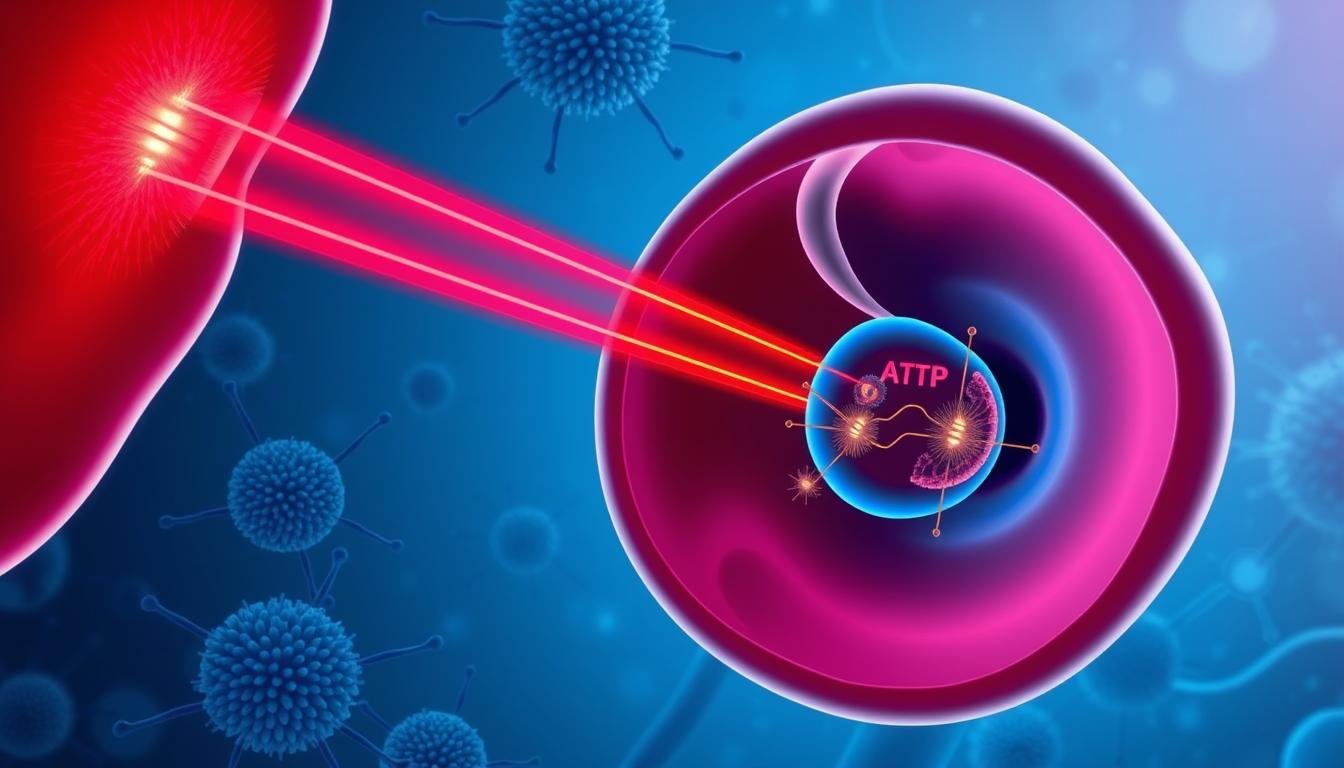
Low-Level Laser Therapy (LLLT), also known as photobiomodulation, uses low-powered laser light to stimulate cellular function. Unlike high-power lasers used for cutting or destroying tissue, LLLT applies lower intensity light that penetrates tissue without causing damage.
Mechanisms of Action in Tinnitus Treatment
When applied to treat tinnitus, LLLT is believed to work through several mechanisms:
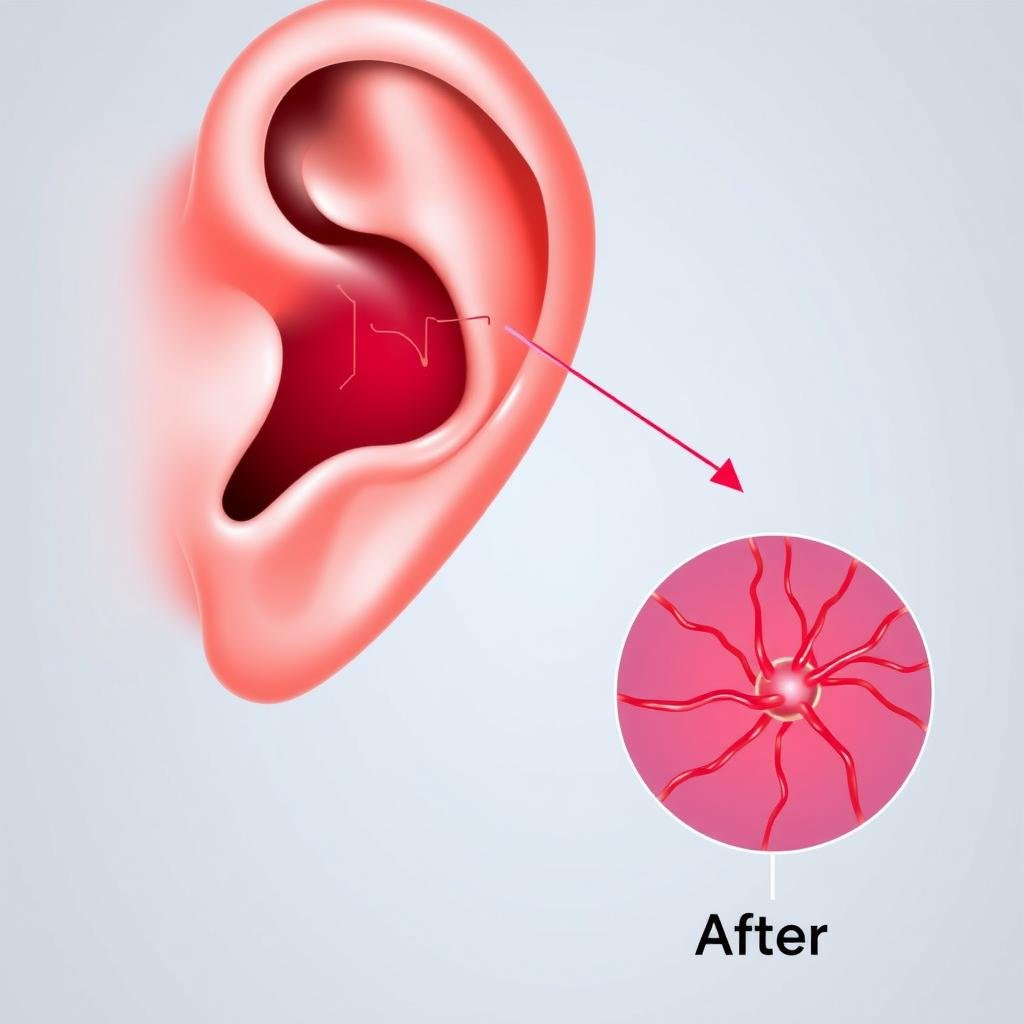
Increased Blood Circulation
LLLT enhances microcirculation through sympathetic neural inhibition, potentially improving oxygen and nutrient delivery to damaged auditory cells.
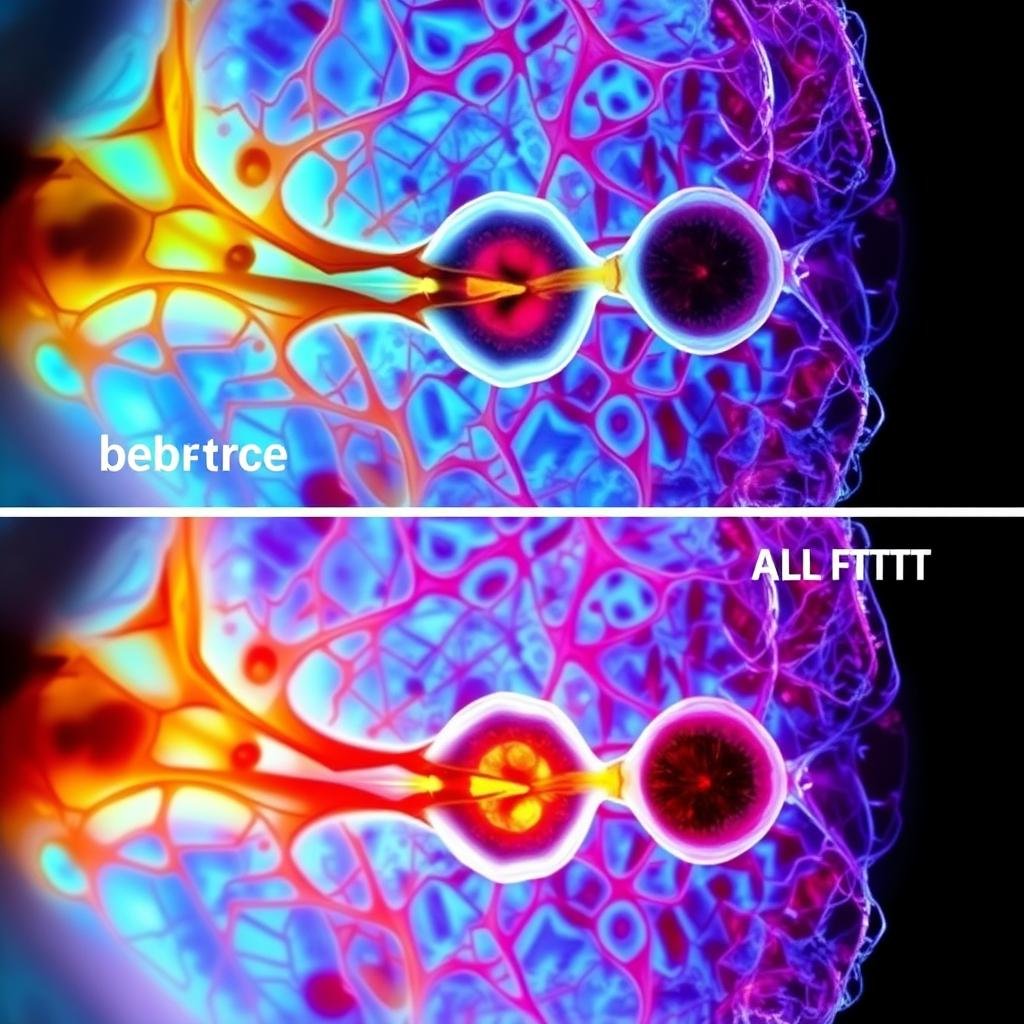
Cellular Regeneration
The therapy promotes cell proliferation and division, potentially helping repair damaged cells in the auditory system that contribute to tinnitus.
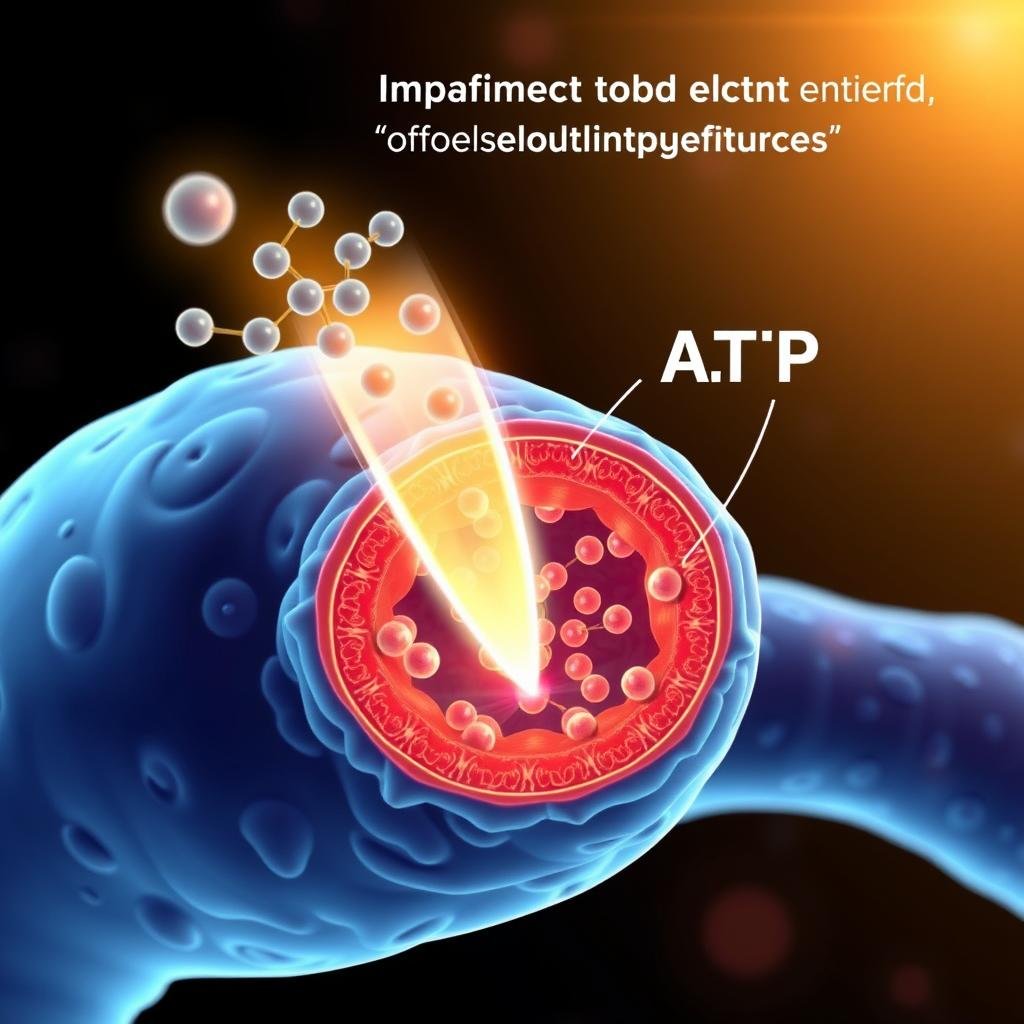
ATP Production
LLLT stimulates mitochondria to produce more adenosine triphosphate (ATP), providing energy for cellular repair processes and potentially reducing cellular damage.
Wavelength Considerations for Tinnitus LLLT Treatment
Research indicates that the effectiveness of LLLT for tinnitus may depend significantly on the wavelength used. Wavelengths between 650-830 nm have been most commonly studied for tinnitus applications.
| Wavelength Range | Penetration Depth | Potential Benefits for Tinnitus | Common Applications |
| 630-660 nm (Red) | Shallow to moderate | May improve superficial tissue circulation | Trans-meatal application |
| 810-830 nm (Near-infrared) | Deeper penetration | Better cochlear penetration, may affect auditory nerve | Trans-mastoid application |
| 904-905 nm (Near-infrared) | Deepest penetration | May reach deeper auditory structures | Experimental applications |
MAIKONG’s LLLT devices utilize optimal wavelengths within these ranges, specifically designed to maximize potential benefits for tinnitus sufferers while ensuring safety and comfort during treatment.
Clinical Evidence for Tinnitus LLLT Treatment
The scientific community has conducted numerous studies examining the efficacy of LLLT for tinnitus. While results have been mixed, several studies suggest potential benefits for certain patient populations.
Key Research Findings
“Low-level laser therapy (LLLT) was discovered enhancing tissue repair via increasing the blood microcirculation and cell proliferation in 1960s. In the last two decades, LLLT delivered to the cochlea has frequently been used to reduce the severity of tinnitus.”
Positive Findings
- Some studies report significant improvements in tinnitus severity after LLLT
- Patients with sensorineural hearing loss may benefit more from treatment
- Noise-induced tinnitus has shown positive responses in some research
- Improvements in Tinnitus Handicap Inventory (THI) scores reported in select studies
Limitations and Considerations
- Results vary significantly between studies
- Treatment protocols (wavelength, duration, frequency) differ across research
- Individual response varies based on tinnitus cause and duration
- More large-scale, controlled studies needed
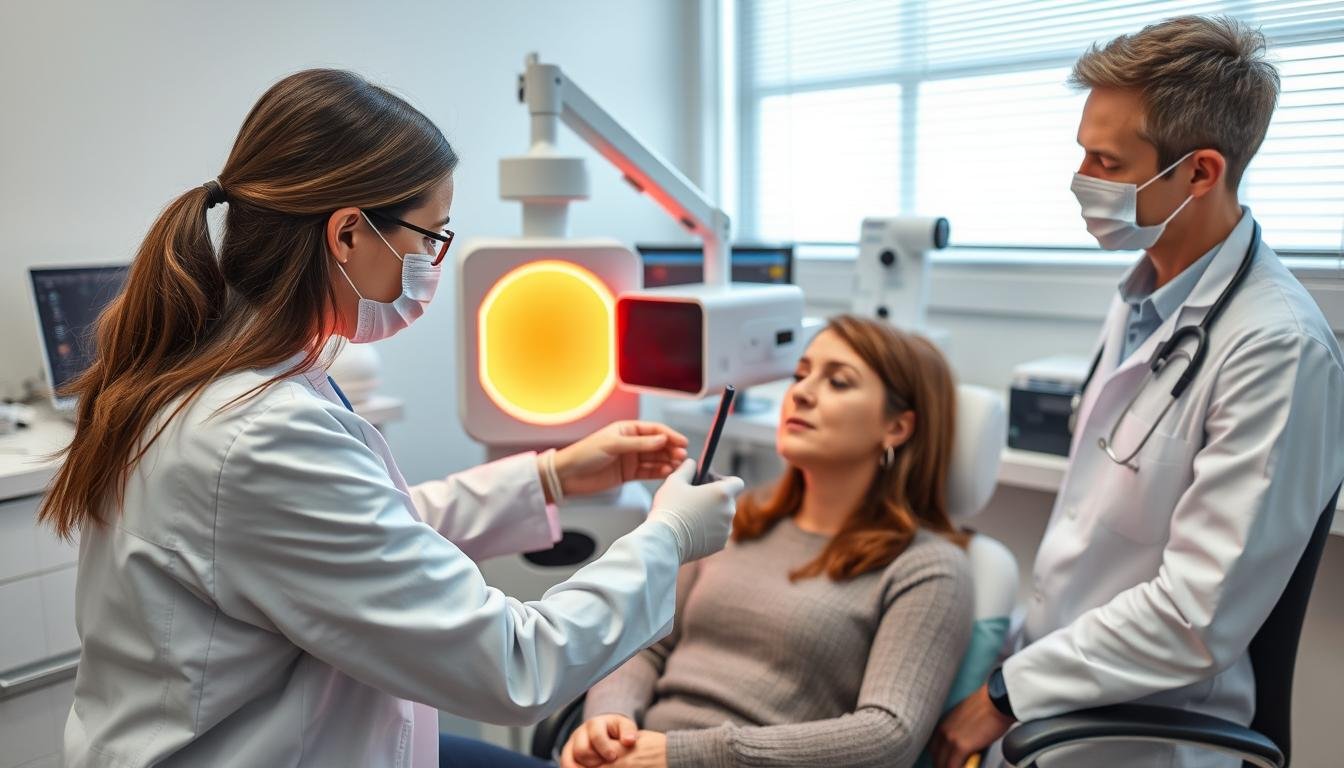
Patient Selection Factors
Research suggests that certain patient characteristics may influence LLLT treatment outcomes:
| Factor | Potential Impact on LLLT Effectiveness |
| Tinnitus Cause | Patients with tinnitus related to inner ear damage may respond better than those with central nervous system causes |
| Duration of Tinnitus | More recent onset may show better response than long-standing tinnitus |
| Hearing Loss | Patients with concurrent sensorineural hearing loss may show different response patterns |
| Age | Younger patients may show better cellular response to photobiomodulation |
Key Benefits of Tinnitus LLLT Treatment
Based on current research and clinical experience, LLLT offers several potential advantages for tinnitus sufferers:
Non-Invasive Approach
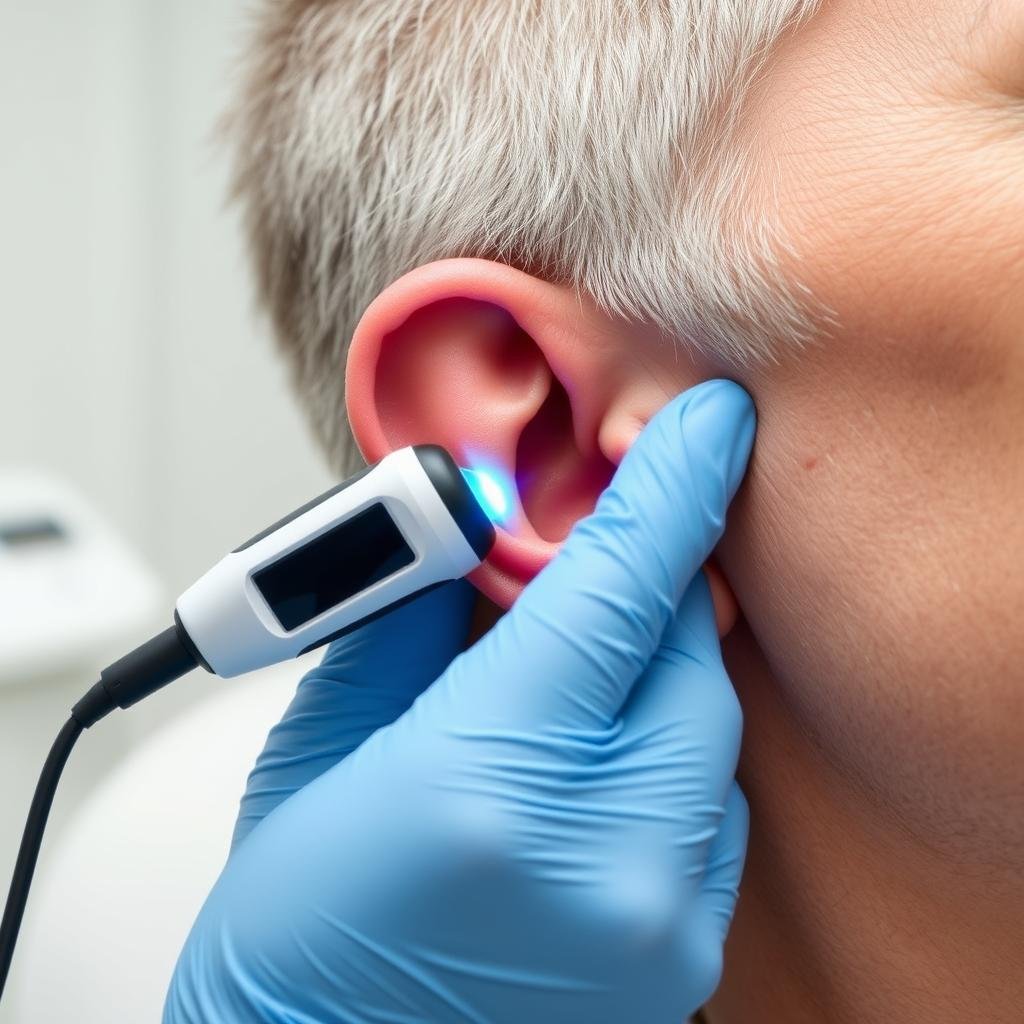
Unlike surgical interventions, LLLT is completely non-invasive, requiring no incisions or anesthesia. Treatment is delivered externally through the ear canal or over the mastoid bone.
Minimal Side Effects
Studies report very few adverse effects from LLLT treatment. The therapy is generally well-tolerated with minimal risk when properly administered.
Complementary Approach
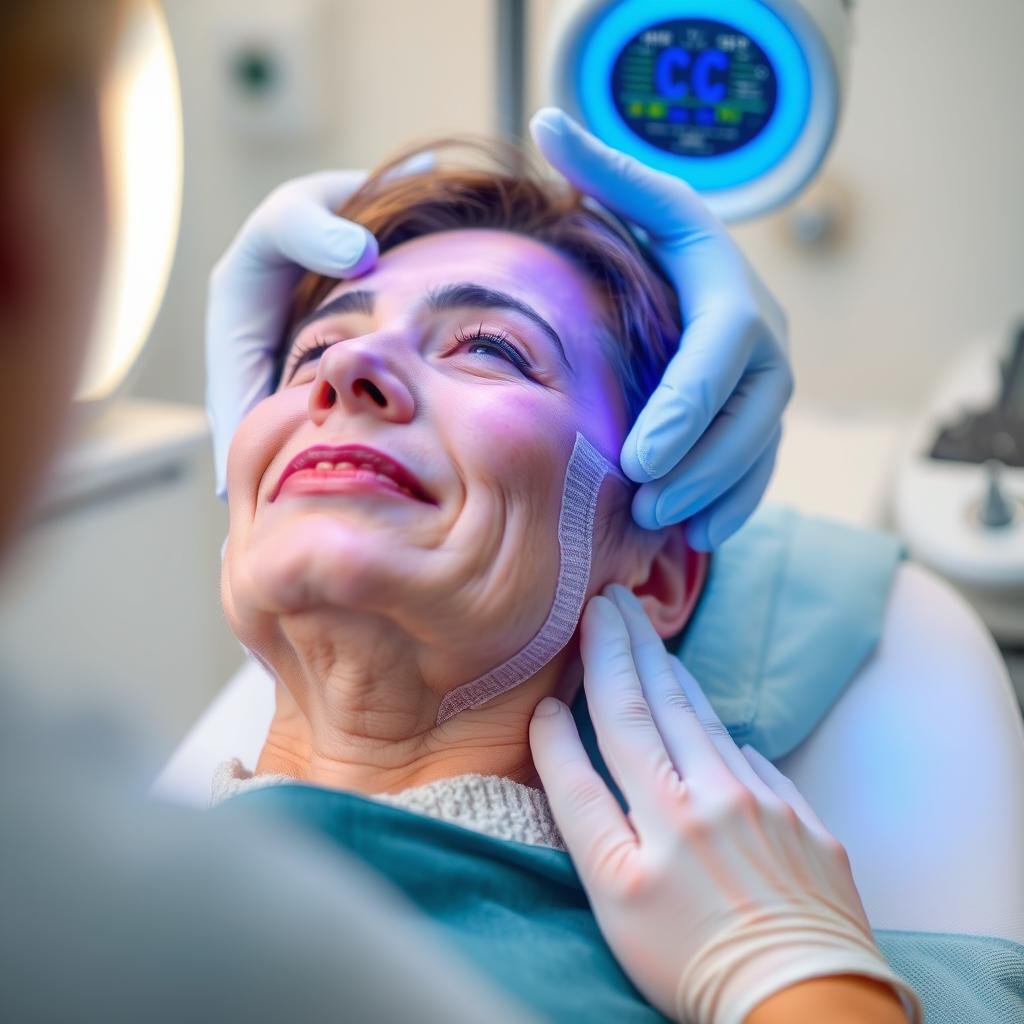
LLLT can be used alongside other tinnitus management strategies, potentially enhancing overall treatment outcomes when combined with sound therapy or counseling.

Potential for Lasting Relief
Some patients report sustained improvement in tinnitus symptoms after completing a course of LLLT treatment, suggesting potential for longer-term benefits.

Addressing Root Causes
Unlike treatments that only mask symptoms, LLLT aims to address potential underlying causes by stimulating cellular repair and regeneration in the auditory system.

Convenient Treatment Sessions
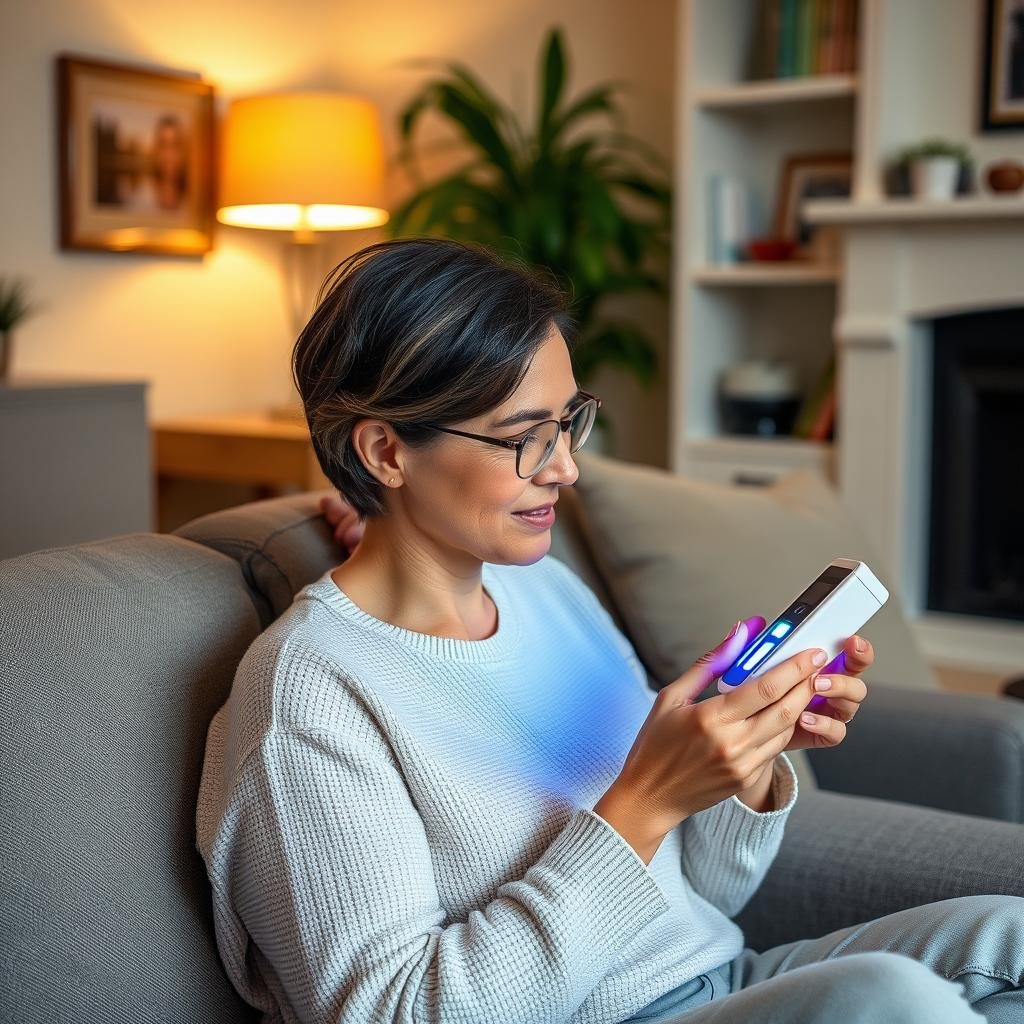
LLLT sessions are typically short (15-20 minutes) and can be administered in clinical settings or, with appropriate devices, at home under professional guidance.
Experience Relief from Tinnitus with MAIKONG LLLT Devices
Our scientifically designed LLLT devices utilize optimal wavelengths and power settings specifically calibrated for tinnitus treatment. Discover how MAIKONG’s advanced technology can help manage your tinnitus symptoms.
Effective Tinnitus LLLT Treatment Protocols
The effectiveness of LLLT for tinnitus may depend significantly on the treatment protocol used. Research suggests that factors such as wavelength, power output, treatment duration, and number of sessions all play important roles in outcomes.
Key Treatment Parameters
| Parameter | Typical Range | Considerations |
| Wavelength | 650-830 nm | Higher wavelengths (800+ nm) may penetrate deeper to reach cochlear structures |
| Power Output | 5-100 mW | Lower power requires longer exposure; higher power allows shorter sessions |
| Session Duration | 10-20 minutes | Varies based on device power and treatment area |
| Treatment Frequency | 3-7 sessions per week | More frequent sessions may accelerate initial results |
| Total Sessions | 10-90 sessions | Varies widely in studies; often requires multiple weeks of treatment |
| Application Method | Trans-meatal or trans-mastoid | Trans-meatal (through ear canal) most common; trans-mastoid may reach different structures |

Optimizing Treatment Outcomes
Research suggests several strategies that may enhance LLLT effectiveness for tinnitus:
- Consistent treatment schedule following recommended protocols
- Proper device positioning to ensure optimal light delivery to target tissues
- Combined approach with other tinnitus management strategies
- Patient education about realistic expectations and timeframes
- Regular assessment of symptom changes to guide treatment adjustments
Professional Guidance: While home LLLT devices offer convenience, initial assessment and treatment planning with a healthcare professional experienced in LLLT for tinnitus is recommended for optimal results.
MAIKONG’s Advanced Solutions for Tinnitus LLLT Treatment
MAIKONG has developed a comprehensive range of LLLT devices specifically designed to address tinnitus symptoms. Our products combine cutting-edge technology with user-friendly designs to deliver effective photobiomodulation therapy for auditory health.
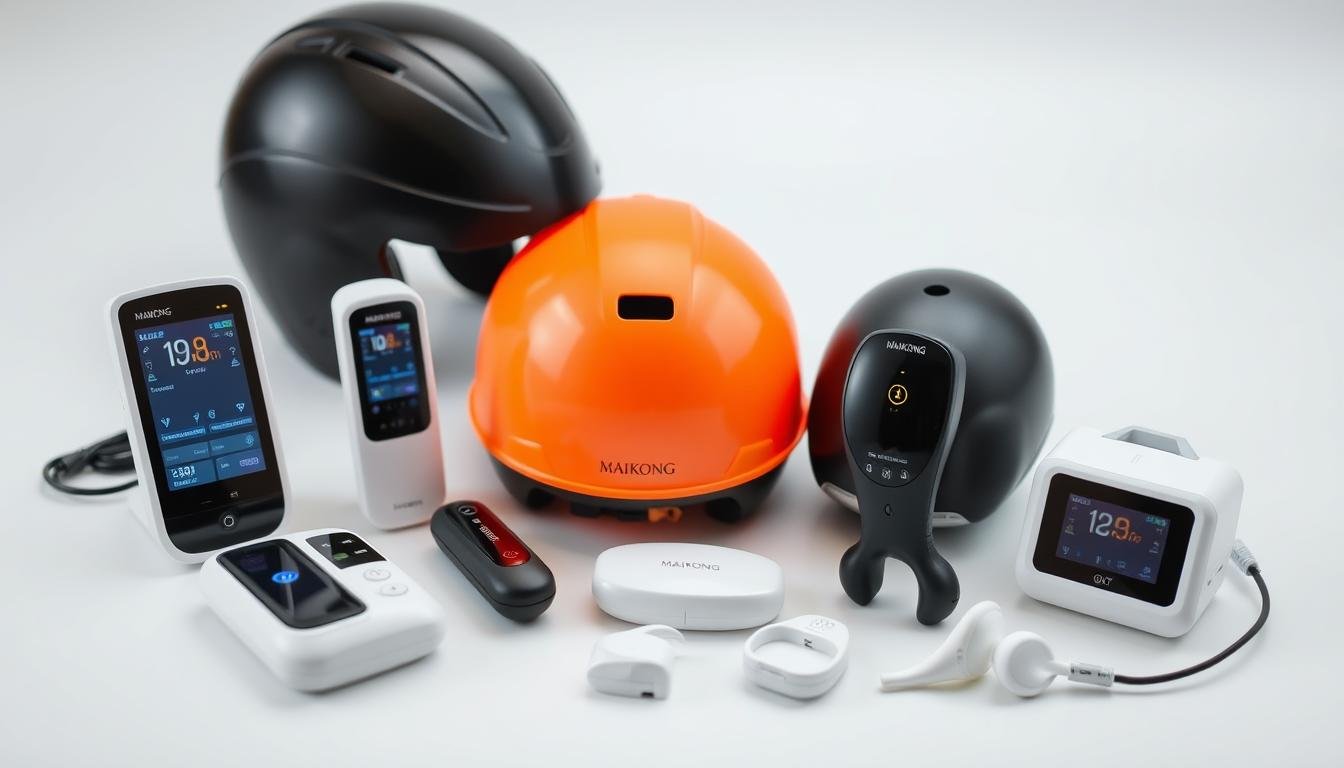
Featured LLLT Devices for Tinnitus
MAIKONG Tinnitus LLLT Helmet
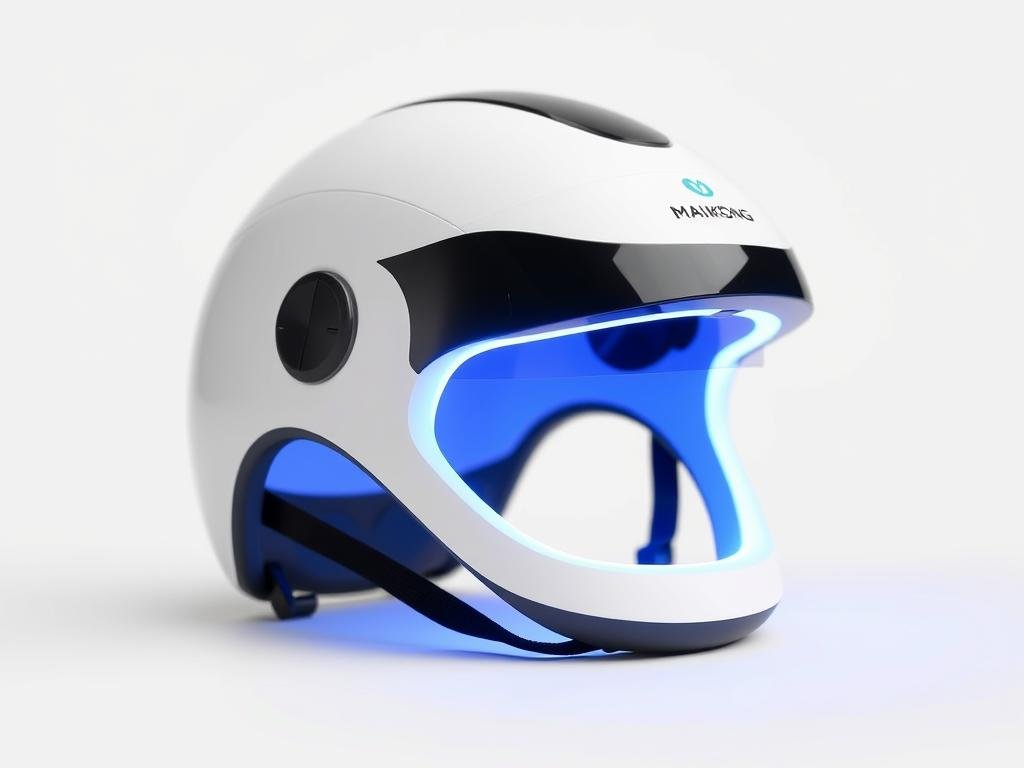
Our specialized helmet delivers precise LLLT to auditory pathways through carefully positioned light sources. The helmet design ensures consistent positioning and hands-free operation during treatment sessions.
MAIKONG Ear-Focused LLLT Device
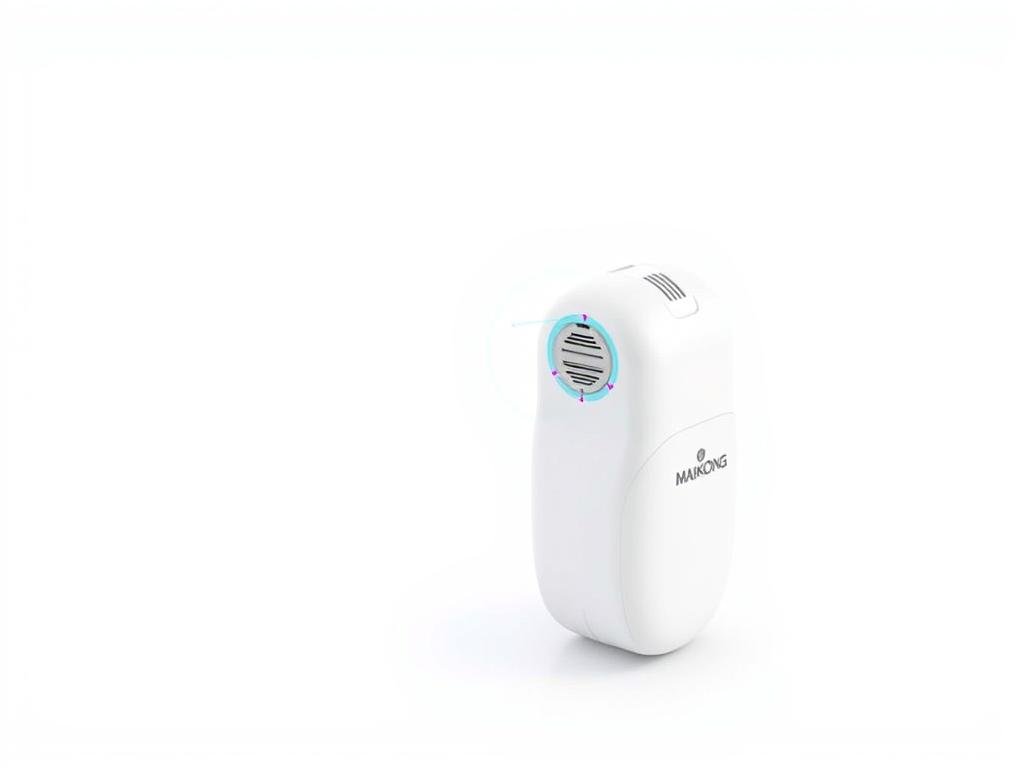
This targeted device delivers optimal wavelength LLLT directly to the ear canal and surrounding tissues. Its ergonomic design ensures comfortable positioning and effective light delivery to auditory structures.
MAIKONG Home LLLT System
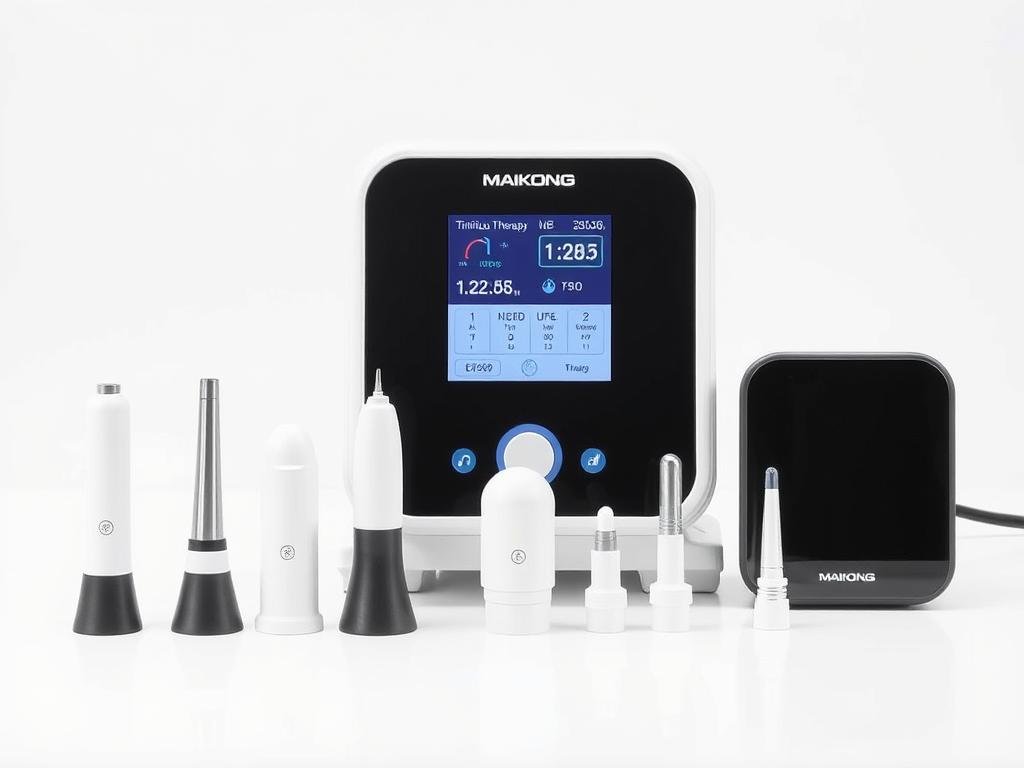
Our comprehensive home system includes specialized attachments for tinnitus treatment along with options for other therapeutic applications. Perfect for ongoing maintenance therapy after initial clinical treatment.
Why Choose MAIKONG for Tinnitus LLLT Treatment
MAIKONG Advantages
- Scientifically optimized wavelengths specifically for auditory applications
- Precise power output calibrated for safety and effectiveness
- Ergonomic designs for comfortable treatment sessions
- Comprehensive product range for clinical and home use
- Excellent value with competitive pricing
- Ongoing technical support and treatment guidance
Become a MAIKONG Distributor
We’re seeking distributors across the United States for our innovative LLLT devices. Join us in bringing advanced tinnitus treatment solutions to more patients.
The Patient Experience with Tinnitus LLLT Treatment
Understanding what to expect during LLLT treatment can help patients prepare and optimize their experience. Here’s a typical journey through LLLT treatment for tinnitus:
Before Treatment
- Comprehensive hearing evaluation and tinnitus assessment
- Discussion of medical history and previous tinnitus treatments
- Explanation of LLLT procedure, expected outcomes, and timeframe
- Development of personalized treatment plan
- Baseline measurements of tinnitus severity (often using standardized questionnaires)
During Treatment
- Comfortable positioning in a quiet treatment environment
- Proper placement of the LLLT device near or in the ear
- Gentle application of light therapy (typically painless)
- Treatment sessions lasting approximately 15-20 minutes
- Regular monitoring and adjustment of treatment parameters as needed

What Patients Should Know
How quickly might I notice results?
Response times vary significantly between individuals. Some patients report changes after just a few sessions, while others may require several weeks of treatment before noticing improvements. Typically, a minimum of 10-12 sessions is recommended before evaluating effectiveness.
Is LLLT treatment painful?
No, LLLT treatment is typically painless. Patients usually feel no sensation or perhaps a mild warming sensation during treatment. The low-power lasers used in LLLT do not generate significant heat and do not damage tissue.
Can I use LLLT alongside other tinnitus treatments?
Yes, LLLT can generally be used complementary to other tinnitus management approaches such as sound therapy, cognitive behavioral therapy, or hearing aids. Always discuss your complete treatment plan with your healthcare provider.
Are home LLLT devices as effective as clinical treatments?
Quality home devices like those from MAIKONG can be effective when used properly. However, initial assessment and treatment planning with a healthcare professional is recommended. Home devices offer convenience for maintenance therapy after initial clinical treatment.
“The non-invasive nature of LLLT makes it an attractive option for tinnitus sufferers who have tried multiple treatments without success. While results vary between individuals, the minimal risk profile makes it worth considering as part of a comprehensive tinnitus management approach.”
Case Studies: Tinnitus LLLT Treatment in Practice
Examining real-world applications of LLLT for tinnitus helps illustrate potential outcomes and treatment approaches. The following case studies highlight different patient experiences with LLLT therapy.
Case Study 1: Noise-Induced Tinnitus
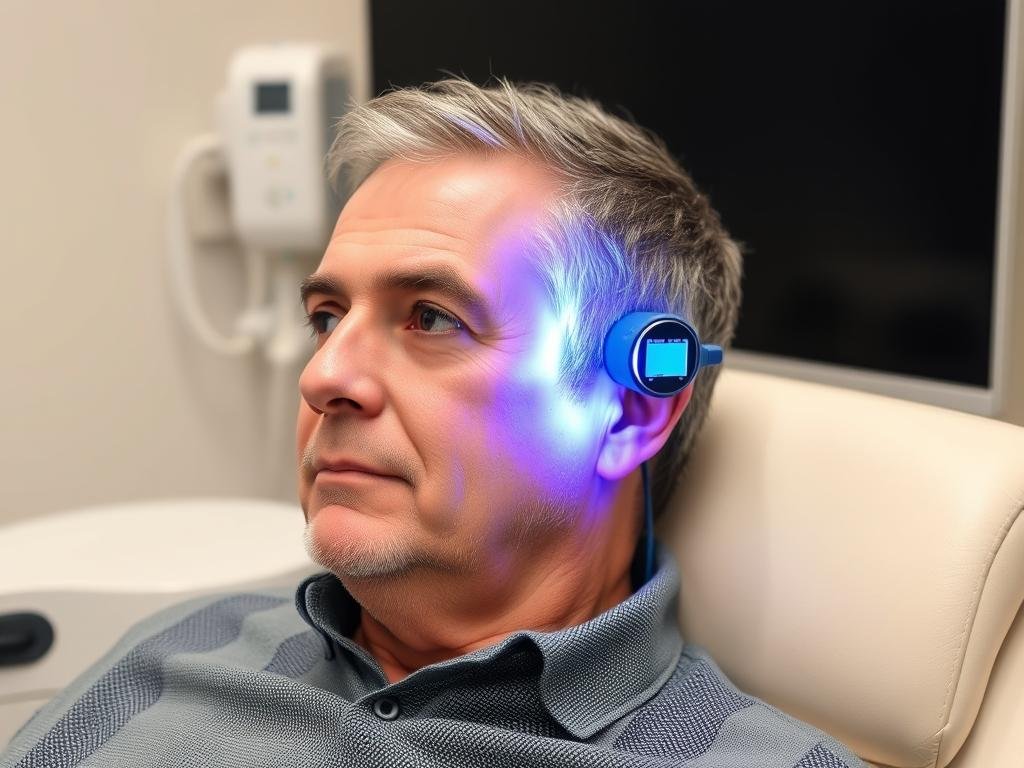
Patient Profile: 45-year-old male with bilateral tinnitus following noise exposure in industrial setting
Treatment Protocol: 830nm LLLT, 20 sessions over 4 weeks, trans-meatal application
Outcome: 40% reduction in tinnitus severity as measured by THI score, with greatest improvement noted after 12 sessions
Key Insight: Patients with noise-induced hearing damage may respond particularly well to LLLT, possibly due to the therapy’s effect on damaged hair cells.
Case Study 2: Idiopathic Tinnitus
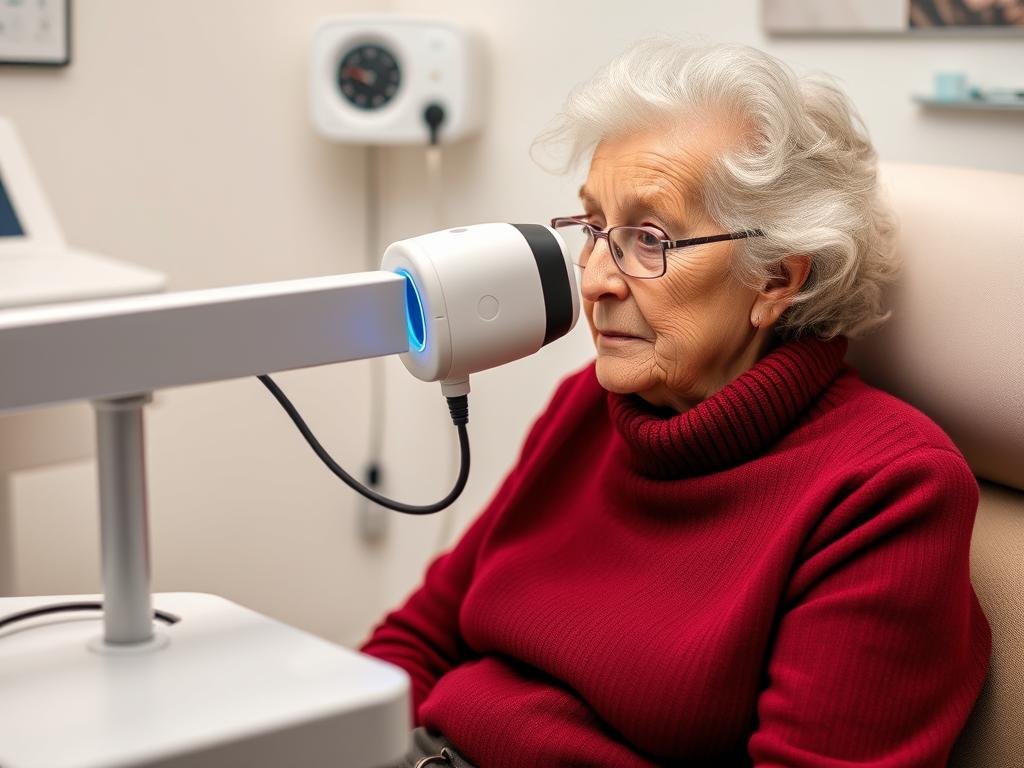
Patient Profile: 68-year-old female with chronic idiopathic tinnitus of 5+ years duration
Treatment Protocol: Combined 650nm and 830nm LLLT, 30 sessions over 10 weeks
Outcome: Modest improvement in tinnitus loudness perception but significant improvement in tinnitus-related sleep disturbance
Key Insight: Even in long-standing tinnitus cases, LLLT may provide quality-of-life improvements even when complete symptom resolution isn’t achieved.
Factors Influencing Treatment Success
Analysis of multiple case studies suggests several factors that may influence LLLT outcomes:
Home-Based Tinnitus LLLT Treatment Options
With advances in LLLT technology, quality home-use devices now offer convenient treatment options for tinnitus sufferers. MAIKONG provides several home-based solutions designed with safety and effectiveness in mind.

Benefits of Home LLLT Devices
Convenience
Treatment on your schedule without travel to clinical facilities. Particularly valuable for ongoing maintenance therapy after initial clinical treatment.
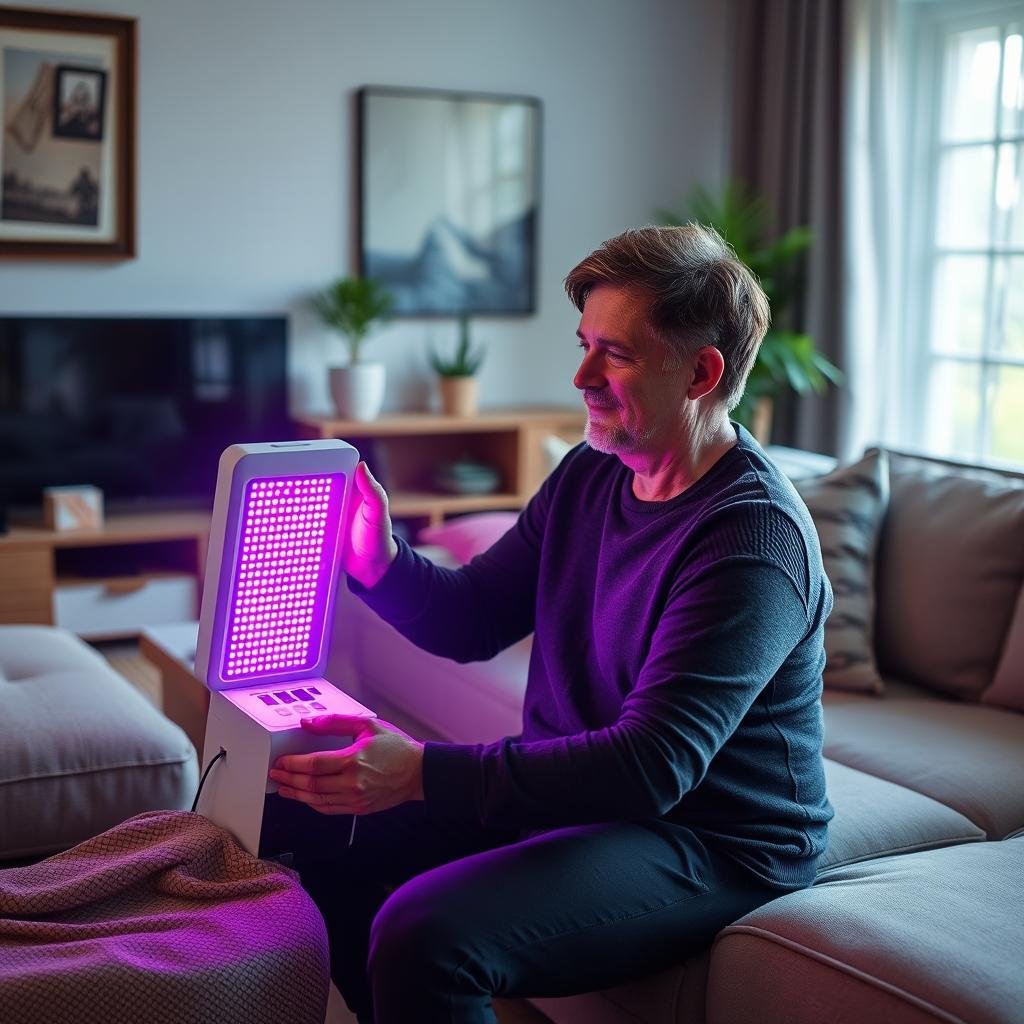
Consistency
Regular access allows for more consistent treatment scheduling, which may improve outcomes compared to less frequent clinical visits.

Cost-Effectiveness
While initial investment in quality equipment is required, home devices can be more economical long-term compared to ongoing clinical treatment costs.
MAIKONG Home LLLT Solutions
Our home-use devices are designed with user-friendly features while maintaining professional-grade specifications:
| Device | Key Features | Recommended For |
| MAIKONG Tinnitus LLLT Pen | Precise ear applicator, 650-830nm dual wavelength, rechargeable battery, timer function | Targeted tinnitus treatment, travel-friendly option |
| MAIKONG LLLT Ear Clips | Hands-free operation, comfortable ear attachment, 830nm wavelength, programmable sessions | Regular maintenance therapy, convenient home use |
| MAIKONG Complete Home System | Multiple applicators including ear-specific attachments, adjustable power settings, comprehensive treatment programs | Comprehensive therapy needs, multiple family members |
Important: Even when using home LLLT devices, initial consultation with a healthcare professional is recommended to establish an appropriate treatment plan and ensure the device is suitable for your specific condition.
Experience the Convenience of Home LLLT Treatment
MAIKONG’s home LLLT devices combine professional-grade technology with user-friendly design. Start your tinnitus management journey with our scientifically designed solutions.
Professional Tinnitus LLLT Treatment Solutions
For healthcare providers, audiologists, and tinnitus clinics, MAIKONG offers advanced professional-grade LLLT systems designed for clinical use. Our professional solutions provide the power, precision, and versatility needed for effective tinnitus treatment in a clinical setting.

MAIKONG Professional LLLT Systems
MAIKONG Pro Clinical System
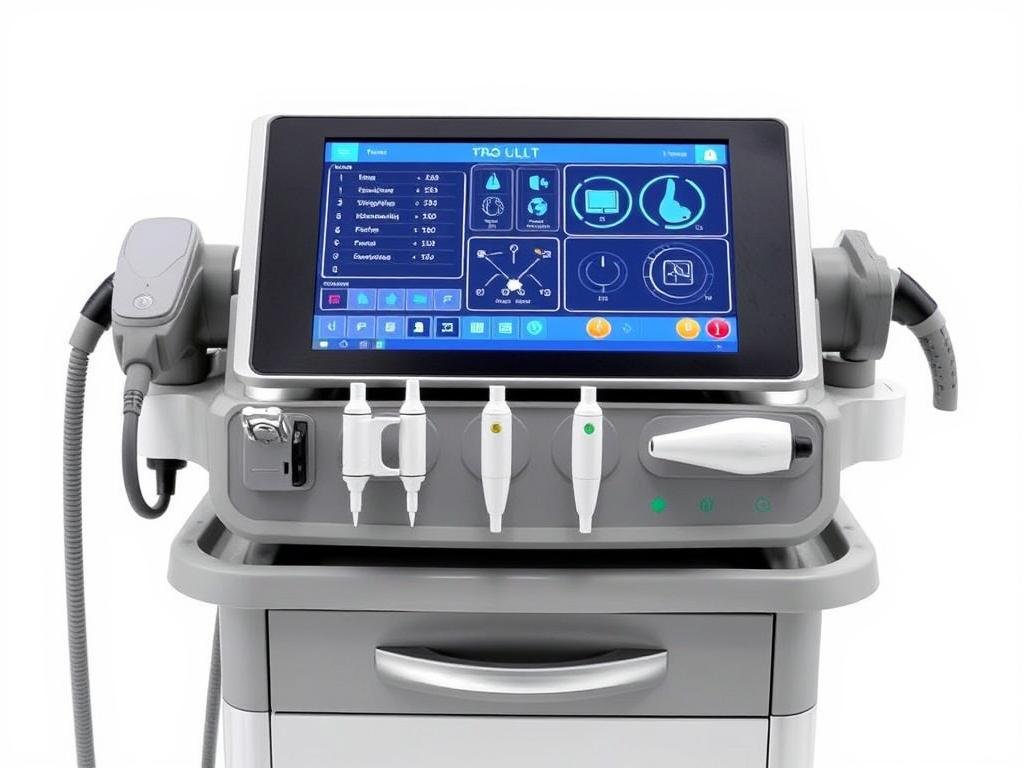
Our comprehensive clinical system offers multiple wavelength options, precise power control, and specialized applicators for tinnitus treatment. Includes detailed treatment protocols and training.
MAIKONG Audiology Package
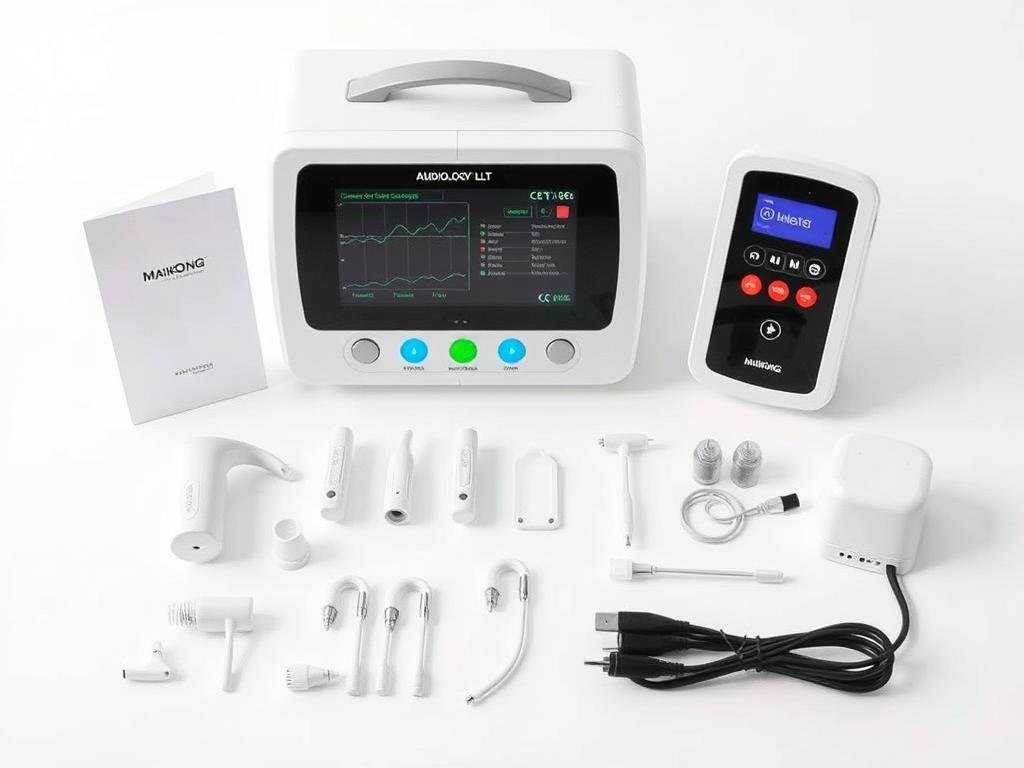
Specially designed for audiology practices, this system focuses on auditory applications including tinnitus treatment. Features ear-specific applicators and protocols for various hearing conditions.
MAIKONG Multi-Therapy Station

Our most versatile system offers comprehensive LLLT capabilities for tinnitus plus additional applications. Perfect for multi-specialty clinics offering diverse treatment options.
Professional Training and Support
MAIKONG provides comprehensive training and ongoing support for healthcare professionals implementing LLLT for tinnitus treatment:
- Initial equipment training and setup assistance
- Clinical protocols specific to tinnitus treatment
- Continuing education on LLLT applications
- Technical support and maintenance services
- Patient education materials and resources
Become a MAIKONG Provider
Join our network of healthcare professionals offering advanced LLLT solutions for tinnitus. Contact us to learn about our professional equipment, training, and support programs.
Contact MAIKONG for Tinnitus LLLT Treatment Solutions
Whether you’re a patient seeking tinnitus relief, a healthcare provider interested in our professional systems, or a potential distributor, we’re here to help. MAIKONG offers comprehensive support and information about our LLLT devices for tinnitus treatment.
Get in Touch
Our team is available to answer your questions about Tinnitus LLLT Treatment and our innovative devices.
WhatsApp: https://wa.me/861351090701
Email: Lucy@lllt.us
Website: https://lllt.us
Distributor Opportunities
We’re actively seeking distributors across the United States for our innovative LLLT devices. Join us in bringing advanced tinnitus treatment solutions to more patients.
Become a MAIKONG Distributor
Represent our high-quality, competitively priced LLLT devices in your region. Comprehensive training and marketing support provided.
Conclusion: The Future of Tinnitus LLLT Treatment
As research continues to evolve, LLLT represents a promising approach for tinnitus management. While not a guaranteed cure, the non-invasive nature and minimal side effects make it an attractive option worth considering, particularly for those who haven’t found relief through conventional treatments.
MAIKONG remains committed to advancing LLLT technology for tinnitus treatment, developing innovative devices that combine scientific principles with user-friendly design. Whether used in clinical settings or at home under professional guidance, our LLLT solutions aim to provide tinnitus sufferers with new options for symptom management and improved quality of life.
For healthcare providers, our professional systems offer advanced tools to expand treatment options for tinnitus patients. For individuals seeking relief, our home devices provide convenient access to this promising technology. And for distributors, MAIKONG offers high-quality, competitively priced products with comprehensive support.
Experience the MAIKONG Difference
Discover how our advanced LLLT devices can help address tinnitus symptoms. Contact us today to learn more about our solutions for patients, healthcare providers, and distributors.
Copy©2025