LLLT Therapy Device

Understanding Tinnitus: Causes and Symptoms
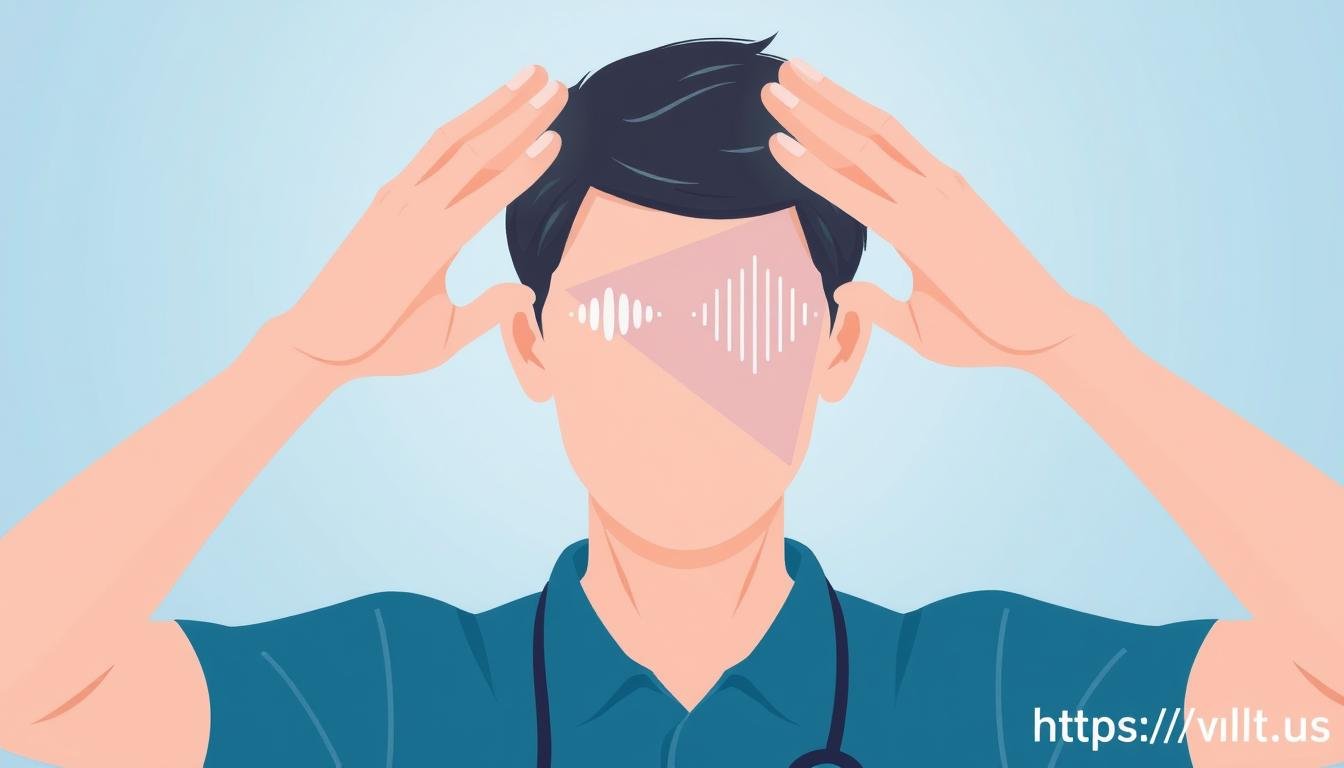
Tinnitus isn’t a disease itself but a symptom of various underlying conditions. The phantom sounds that characterize tinnitus can range from mild to severe and may significantly impact daily life. Before exploring treatment options, it’s essential to understand what causes this condition and how it manifests.
What Exactly is Tinnitus?
Tinnitus is the perception of sound when no external sound source is present. These phantom noises typically manifest as:
- Ringing (the most common form)
- Buzzing or humming
- Clicking or crackling
- Hissing or whistling
- Roaring or pulsing sounds
For some, tinnitus is a minor annoyance that comes and goes. For others, it’s a constant, debilitating condition that interferes with concentration, sleep, and overall quality of life. According to research, about 15% of the world’s population experiences some form of tinnitus, with more than 50 million people affected in the United States alone.
Common Causes of Tinnitus
Understanding what triggers tinnitus is crucial for effective management. The most common causes include:
Age-Related Hearing Loss
As we age, the delicate hair cells in our inner ear can deteriorate, leading to both hearing loss and tinnitus. About one in three adults over age 65 develops ringing in their ears due to age-related changes.
Noise-Induced Hearing Loss
Exposure to loud noises—whether from a single traumatic event like an explosion or from prolonged exposure to loud environments—can damage the auditory system and trigger tinnitus.
Ear Injuries and Blockages
Physical trauma to the ear, earwax blockages, or ear infections can cause temporary hearing changes that result in tinnitus.
Medication Side Effects
Certain medications, including some antibiotics, antidepressants, and high doses of aspirin or NSAIDs, can cause or worsen tinnitus symptoms.
Medical Conditions
Several health conditions are associated with tinnitus, including:
- Ménière’s disease
- Temporomandibular joint (TMJ) disorders
- Cardiovascular problems
- Acoustic neuromas
- Otosclerosis

The Impact of Tinnitus on Daily Life
Living with tinnitus can be challenging. The constant noise can lead to:
Common Tinnitus Challenges
- Difficulty concentrating on tasks
- Sleep disturbances and insomnia
- Anxiety and depression
- Irritability and stress
- Social isolation
- Decreased productivity at work
- Reduced quality of life
Many tinnitus sufferers find themselves in a frustrating cycle: the condition causes stress, and stress makes the tinnitus more noticeable. Breaking this cycle is essential for effective management.
Conventional Tinnitus Treatments and Their Limitations
Before exploring how LLLT can help with tinnitus, it’s important to understand the current treatment landscape. While several approaches exist, many offer limited relief.
| Treatment Approach | How It Works | Limitations |
| Sound Therapy | Uses external noise to mask or distract from tinnitus sounds | Temporary relief; doesn’t address underlying causes |
| Hearing Aids | Amplify external sounds to make tinnitus less noticeable | Only helpful when hearing loss is present |
| Cognitive Behavioral Therapy | Helps change reactions to tinnitus | Doesn’t reduce actual tinnitus volume |
| Medications | Treats associated conditions like anxiety or depression | No FDA-approved drugs specifically for tinnitus |
| Tinnitus Retraining Therapy | Combines counseling and sound therapy | Requires months or years of treatment |
Many tinnitus sufferers find these conventional approaches insufficient, leading to a search for alternative treatments. This is where Low-Level Laser Therapy (LLLT) offers new hope.
Looking for Effective Tinnitus Relief?
Conventional treatments not working? Discover how MAIKONG’s LLLT devices can help manage your tinnitus symptoms with advanced light therapy technology.
Introduction to LLLT for Tinnitus Management
Low-Level Laser Therapy (LLLT), also known as photobiomodulation, is a non-invasive treatment that uses specific wavelengths of light to stimulate cellular function. While widely recognized for pain management and tissue healing, research increasingly supports its effectiveness for tinnitus relief.

The Science Behind LLLT and Tinnitus
LLLT works through several mechanisms that can potentially address the underlying causes of tinnitus:
Cellular Biostimulation
LLLT stimulates mitochondria (the cell’s power plants), increasing ATP production and enhancing cellular metabolism in damaged auditory tissues.
Improved Blood Flow
The therapy promotes microcirculation in the inner ear, delivering more oxygen and nutrients to auditory cells while removing waste products.
Reduced Inflammation
LLLT has anti-inflammatory effects that can help reduce inflammation in the auditory pathway that may contribute to tinnitus.
Research Supporting LLLT for Tinnitus
A growing body of scientific evidence supports the use of LLLT for tinnitus management:
“Studies have shown that LLLT can significantly reduce tinnitus severity and improve quality of life in patients with chronic tinnitus. The therapy appears to work by enhancing cellular repair mechanisms and improving blood flow to the cochlea.”
Multiple clinical studies have demonstrated promising results:
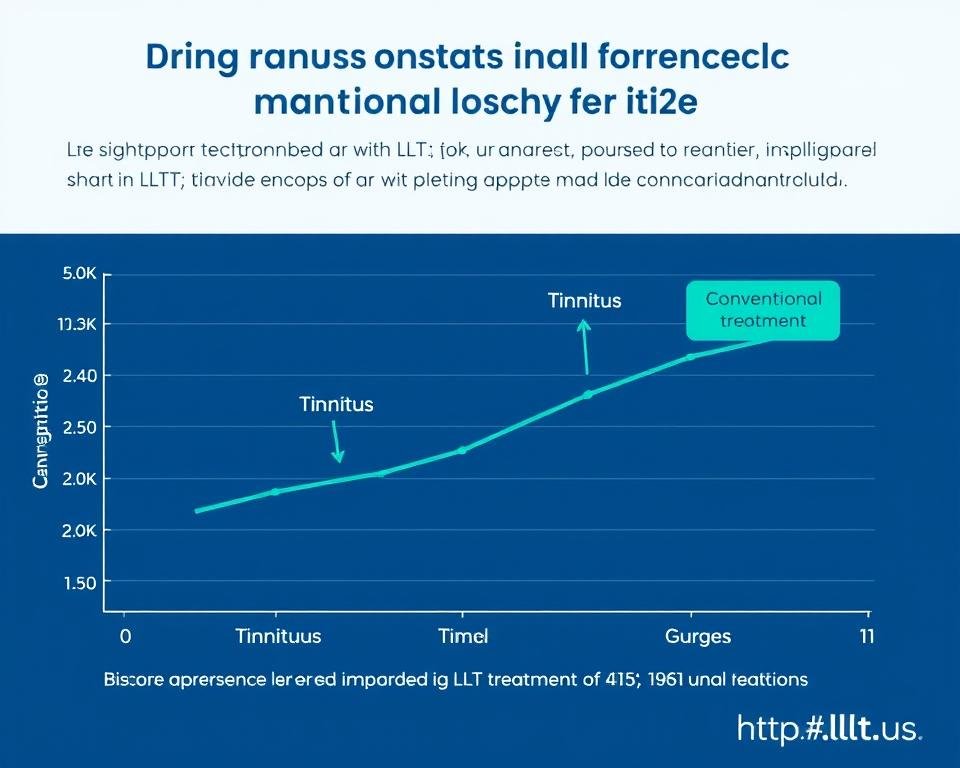
- A 2020 controlled study found that 60% of participants reported significant reduction in tinnitus intensity after LLLT treatment
- Research published in the European Archives of Oto-Rhino-Laryngology showed improved hearing thresholds and reduced tinnitus symptoms following LLLT
- A systematic review of 13 studies concluded that LLLT shows promise as a safe, non-invasive treatment option for chronic tinnitus
Advantages of LLLT for Tinnitus Sufferers
Benefits of LLLT for Tinnitus
- Non-invasive with no surgical risks
- Drug-free with no medication side effects
- Painless application
- Can be used alongside other treatments
- Addresses potential underlying causes rather than just masking symptoms
- Convenient home-based treatment options
- Cumulative benefits with regular use
MAIKONG LLLT Devices for Effective Tinnitus Management
MAIKONG specializes in high-quality, affordable LLLT devices designed to address various health conditions, including tinnitus. Our products combine cutting-edge technology with user-friendly designs for optimal results.
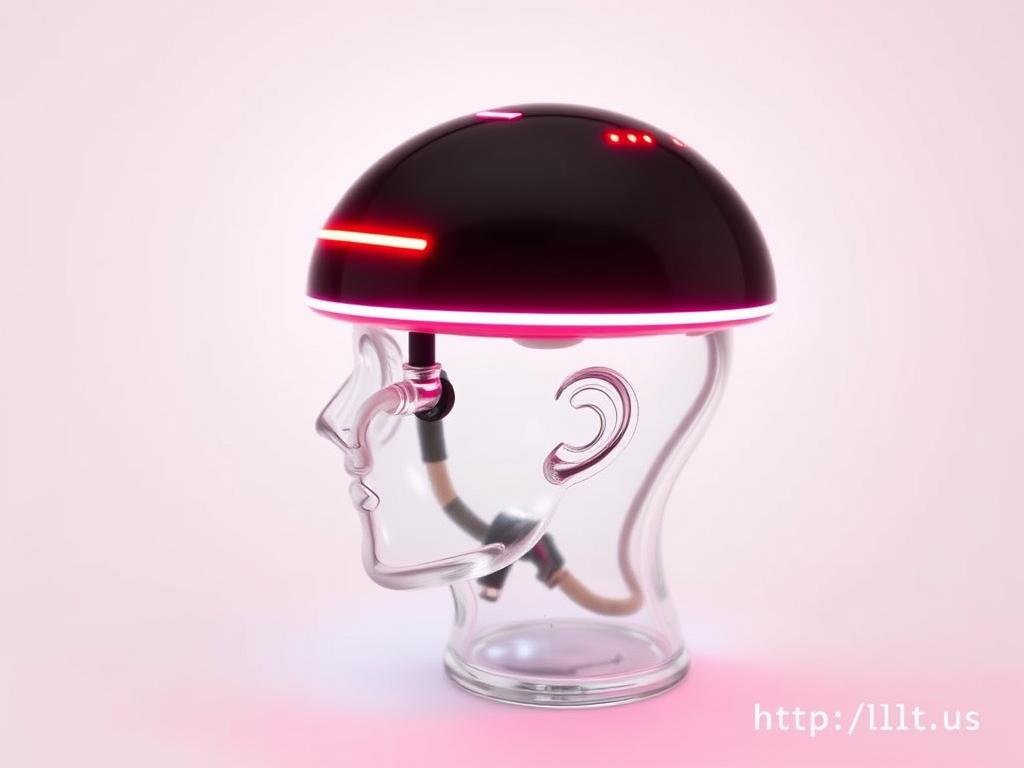
MAIKONG LLLT Helmet: Targeted Tinnitus Relief
Our flagship LLLT Helmet is specifically designed to target the auditory system for effective tinnitus management:
Key Features:
- Precisely calibrated wavelengths (630-850nm) to penetrate the auditory system
- Comfortable, adjustable design for different head sizes
- Pre-programmed treatment protocols specifically for tinnitus
- Rechargeable battery for cordless operation
- Timer function with automatic shut-off
- User-friendly interface with simple controls
Experience MAIKONG LLLT Helmet for Tinnitus Relief
Join thousands of satisfied customers who have found relief from tinnitus symptoms with our advanced LLLT technology.
Additional MAIKONG LLLT Solutions
Beyond our specialized helmet, MAIKONG offers a comprehensive range of LLLT devices that can complement tinnitus treatment:
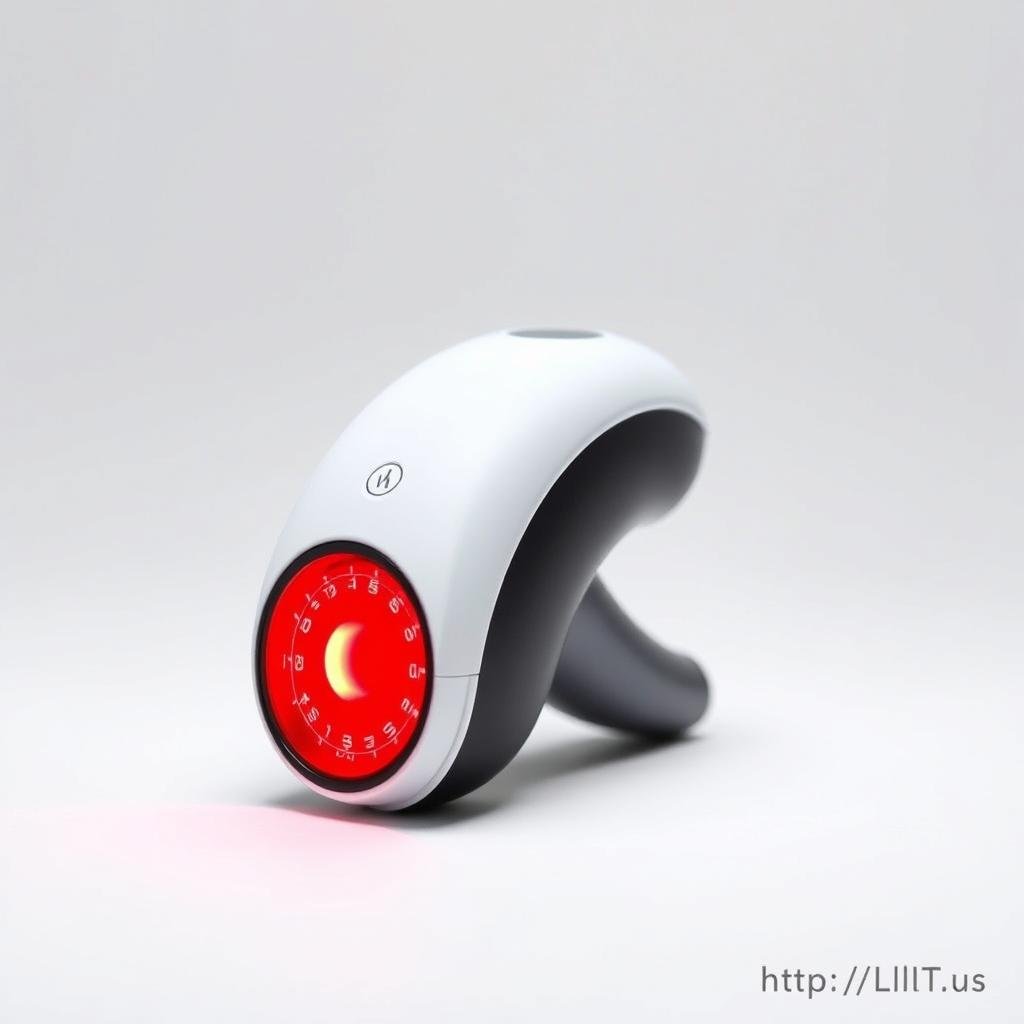
LLLT Handheld Device
Perfect for targeted treatment around the ear area, this portable device offers precision control for tinnitus management.
Portable
Targeted
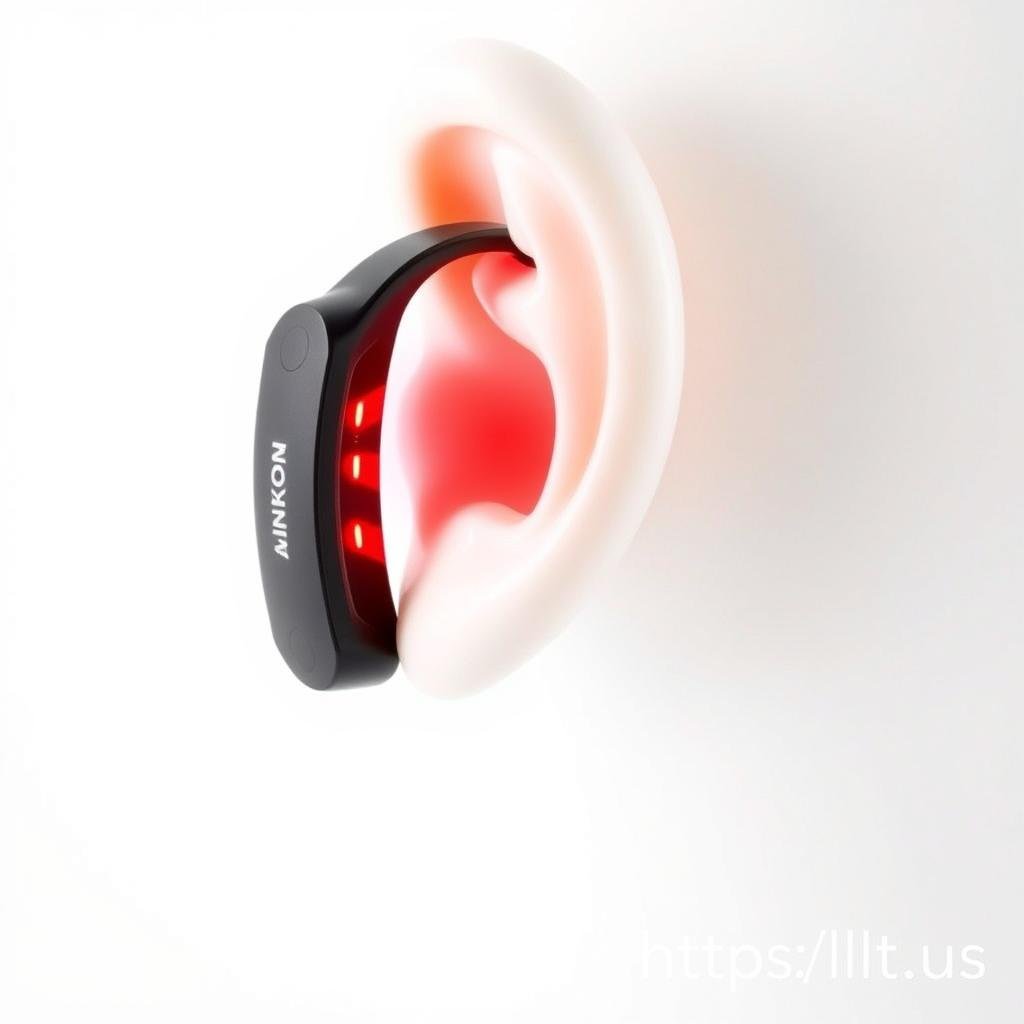
LLLT Ear Clips
Specialized clips that direct light therapy precisely to the auditory system for maximum effectiveness.
Specialized
Precise
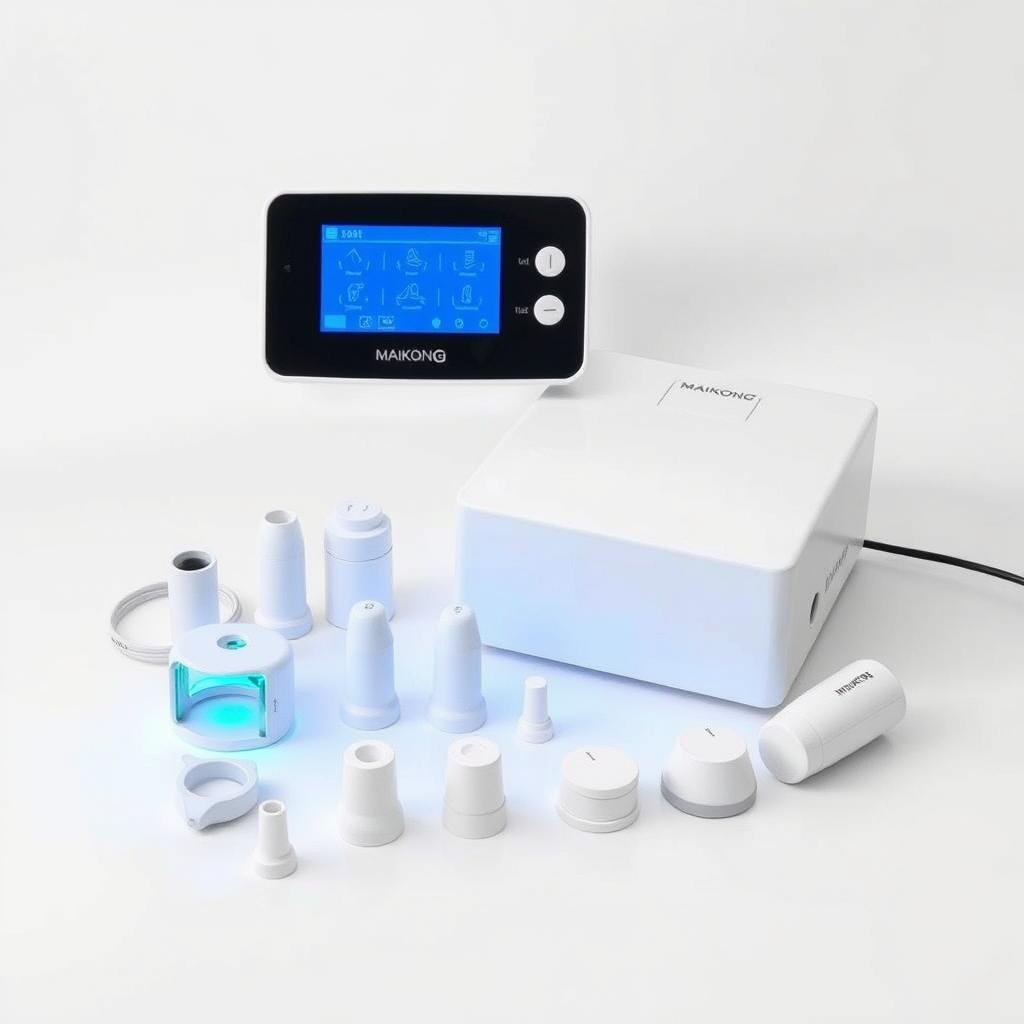
LLLT Home System
A complete system with multiple attachments for comprehensive treatment of tinnitus and related conditions.
Versatile
Complete
How to Use LLLT for Tinnitus Management
Effective tinnitus management with LLLT requires proper technique and consistency. Here’s a guide to maximizing results with MAIKONG devices:

Recommended Treatment Protocol
- Preparation: Ensure the treatment area around the ears is clean and free from obstructions like hair or jewelry.
- Device Setup: Select the appropriate tinnitus program on your MAIKONG device (refer to your specific model’s instructions).
- Positioning: Place the device according to the user manual—typically targeting the mastoid area behind the ear and the external ear canal.
- Treatment Duration: Standard sessions range from 5-15 minutes per ear, depending on your specific device and protocol.
- Frequency: For optimal results, treatments are typically recommended 3-5 times per week initially, then reducing to maintenance sessions.
- Consistency: Maintain a regular treatment schedule for best results—many users notice improvements after 2-4 weeks of consistent use.
Important: While LLLT is generally safe, consult with a healthcare professional before beginning treatment, especially if you have photosensitivity or are taking photosensitizing medications.
Complementary Approaches for Enhanced Results
LLLT works best as part of a comprehensive tinnitus management strategy:
Lifestyle Modifications
- Limit exposure to loud noises
- Manage stress through relaxation techniques
- Maintain good sleep hygiene
- Stay physically active
- Avoid tinnitus triggers (caffeine, alcohol, etc.)
Supportive Therapies
- Sound therapy for masking tinnitus
- Cognitive behavioral therapy for coping strategies
- Proper nutrition for auditory health
- Hearing protection in loud environments
- Regular hearing check-ups
Tracking Your Progress
Monitoring your tinnitus symptoms throughout LLLT treatment helps assess effectiveness:
- Keep a tinnitus journal noting intensity, frequency, and duration of symptoms
- Rate your tinnitus on a scale of 1-10 before and after treatment sessions
- Note any activities or factors that seem to influence your symptoms
- Track improvements in sleep quality, concentration, and overall well-being
- Share your progress with healthcare providers for guidance
Success Stories: Tinnitus Relief with MAIKONG LLLT
Many individuals have experienced significant improvements in their tinnitus symptoms using MAIKONG LLLT devices. Here are some of their stories:

“After 15 years of constant ringing in my ears, I was skeptical that anything would help. Within three weeks of using the MAIKONG LLLT Helmet, the intensity decreased significantly. For the first time in years, I can enjoy quiet moments again.”

“The constant buzzing in my right ear was affecting my work as a teacher. The MAIKONG Ear Clips have reduced my tinnitus by about 70%. I use them three times a week and can now teach without constantly being distracted by the noise.”

“As a musician with noise-induced tinnitus, I tried everything. The MAIKONG Home System has been a game-changer. My tinnitus hasn’t disappeared completely, but it’s much less intrusive, and I’m sleeping better than I have in years.”
Note: Individual results may vary. LLLT effectiveness depends on the underlying cause of tinnitus, treatment consistency, and individual factors. Many users report improvements within 2-8 weeks of regular use.
Become a MAIKONG LLLT Distributor in the United States
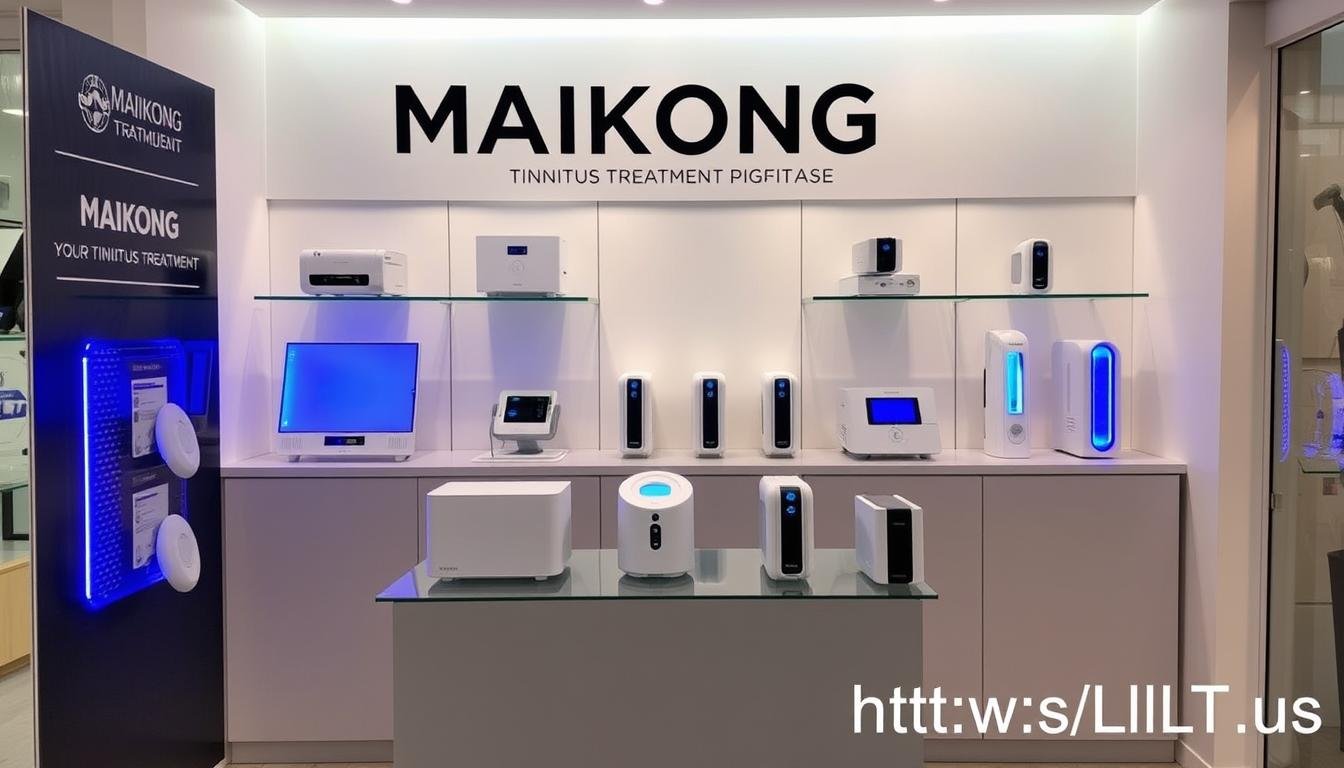
MAIKONG is actively seeking distributors across the United States to help bring our innovative LLLT solutions to tinnitus sufferers nationwide. Join our growing network of partners and represent our high-quality, affordable LLLT devices.
Why Partner with MAIKONG?
Innovative Products
Represent cutting-edge LLLT technology with proven effectiveness for tinnitus and other conditions.
Competitive Pricing
Offer high-quality devices at accessible price points, creating excellent value for customers.
Comprehensive Support
Receive marketing materials, product training, and ongoing assistance to maximize your success.
Our Product Range
As a MAIKONG distributor, you’ll have access to our complete line of LLLT devices:
- LLLT laser therapy devices
- Red light therapy beds
- LLLT clothing devices
- LLLT helmets for tinnitus and brain health
- LLLT home devices for multiple applications
- LLLT masks for facial treatments
- LLLT combs for hair health
- LLLT caps for scalp treatments
Become a MAIKONG Distributor Today
Join our team and help bring effective tinnitus relief to millions of Americans with our innovative LLLT technology.
Or reach us directly:
Email: Lucy@lllt.us
Frequently Asked Questions About Tinnitus and LLLT
How long does it take to see results from LLLT for tinnitus?
Most users report noticeable improvements within 2-8 weeks of consistent use. However, results vary depending on the underlying cause of tinnitus, severity, and individual factors. Some users experience relief after just a few sessions, while others may require longer treatment periods.
Is LLLT safe for tinnitus treatment?
Yes, LLLT is generally considered safe when used as directed. The therapy uses non-ionizing light at low power levels that don’t damage tissues. MAIKONG devices are designed with multiple safety features and comply with international safety standards. However, as with any treatment, it’s recommended to consult with a healthcare provider before starting LLLT, especially if you have photosensitivity or are taking photosensitizing medications.
Can LLLT completely cure tinnitus?
LLLT is not marketed as a “cure” for tinnitus, as results vary based on individual factors and underlying causes. Many users experience significant reduction in symptoms and improved quality of life, but complete elimination of tinnitus cannot be guaranteed for all users. LLLT is best viewed as an effective management tool that can substantially reduce tinnitus intensity and impact.
Which MAIKONG device is best for tinnitus?
The MAIKONG LLLT Helmet and Ear Clips are specifically designed for tinnitus treatment and typically provide the most targeted results. However, the best device depends on your specific needs, preferences, and budget. Our customer service team can help you select the most appropriate device for your situation.
Can I use LLLT alongside other tinnitus treatments?
Yes, LLLT can complement other tinnitus management approaches like sound therapy, cognitive behavioral therapy, or hearing aids. Many users find that a multi-faceted approach provides the best results. Always inform your healthcare provider about all treatments you’re using.
Conclusion: Finding Relief from Tinnitus with LLLT
Living with tinnitus can be challenging, but innovative treatments like Low-Level Laser Therapy offer new hope for those seeking relief. MAIKONG’s range of high-quality LLLT devices provides accessible, non-invasive options for managing tinnitus symptoms and improving quality of life.
Whether you’re struggling with tinnitus yourself or interested in distributing our effective LLLT solutions, MAIKONG is committed to advancing tinnitus treatment through cutting-edge light therapy technology. Our devices combine scientific innovation with user-friendly design to deliver meaningful results.
Take the First Step Toward Tinnitus Relief
Explore MAIKONG’s innovative LLLT solutions or learn more about our distributor opportunities.
Contact us directly:
WhatsApp: https://wa.me/861351090701
Email: Lucy@lllt.us
Copy©2025